
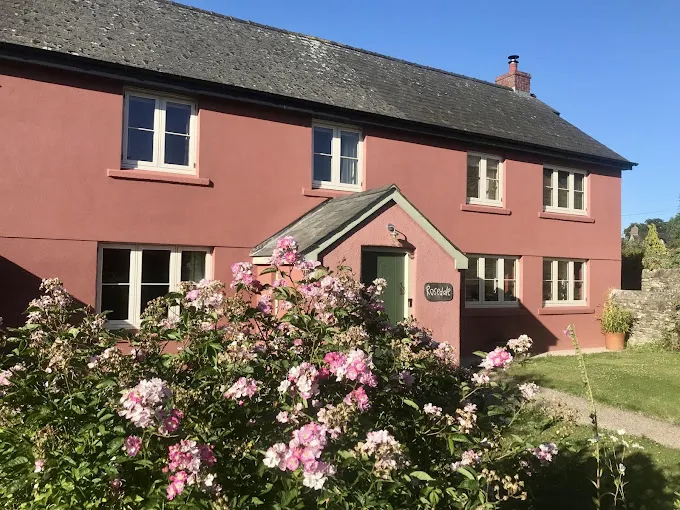
Trusted Rendering Contractors Port Talbot Guide

Rendering contractors Port Talbot homeowners and developers rely on must combine weather-resistant materials, proven application techniques, and local knowledge to protect South Wales properties for decades – here is what to look for and how to choose wisely.
Table of Contents
- What Rendering Contractors in Port Talbot Actually Do
- Render Systems Best Suited to Port Talbot Properties
- How to Choose Rendering Contractors in Port Talbot
- Costs, Timelines, and the Application Process
- Frequently Asked Questions
- Comparing Render Systems for South Wales Homes
- Coloured Rendering South Wales
- Practical Tips for Your Rendering Project
- The Bottom Line
- Sources & Citations
Article Snapshot
Rendering contractors Port Talbot is the search term property owners use when seeking qualified specialists to apply external render to homes and commercial buildings in the area. Qualified contractors assess substrate condition, specify the correct render system for coastal or inland exposure, and apply it cleanly for a durable, weather-tight finish.
Market Snapshot
- Port Talbot Steelworks employed 18,000 people at its peak, driving the substantial residential stock that now requires ongoing external maintenance and rendering work (Tata Steel UK, 2025)[1]
- The same facility is projected to sustain 5,720 full-time equivalent jobs post-EAF transition, keeping Port Talbot’s property services market active (Tata Steel UK, 2025)[1]
- Coloured Rendering South Wales brings 25 years of rendering experience to the South Wales region, including properties in and around Port Talbot (Coloured Rendering South Wales, 2026)[2]
What Rendering Contractors in Port Talbot Actually Do
Rendering contractors Port Talbot are specialist tradespeople who apply protective and decorative coatings to external and internal walls, using materials ranging from traditional cement mixes to modern polymer-enhanced silicone systems. The work goes well beyond simply spreading material onto a wall – it involves assessing substrate integrity, removing failed sections, applying bonding agents or mesh reinforcement where required, and finishing to a consistent texture and thickness throughout. Coloured Rendering South Wales, based in Swansea and operating across the wider region, provides the full range of these services to Port Talbot homeowners, developers, and commercial property owners.
Port Talbot sits in a particularly demanding environment for external render. The town occupies a coastal strip between Swansea Bay and the Afan Valley, meaning properties face salt-laden air from the Bristol Channel, high annual rainfall, and periods of wind-driven moisture that test any render system. These conditions accelerate the deterioration of poorly specified or poorly applied renders, making contractor expertise and material selection genuinely consequential rather than a matter of preference.
The core work a professional rendering contractor undertakes includes surface preparation – removing loose or hollow render, wire brushing substrate, and applying bonding treatment – followed by the application of one or more render coats depending on the system chosen. For spray rendering, the contractor uses pressurised equipment to apply material in controlled layers, achieving a more uniform thickness than hand application and completing large elevations considerably faster. The finished surface is then textured, smoothed, or left with a scratch finish depending on the intended topcoat or final appearance.
Call Us
As MyJobQuote’s industry guide explains, “Having your property rendered can revitalise the building’s exterior visually and also better protect it against the elements. Even better, it can even increase its kerb appeal” (MyJobQuote, 2025)[3]. For Port Talbot properties – many of which are mid-century terraced houses, semi-detached homes, and older stone-built dwellings – this dual benefit of visual improvement and structural protection makes rendering one of the most cost-effective external maintenance investments available.
Experienced contractors also provide diagnosis services, advising whether a property needs full removal and replacement of existing render or whether targeted repairs will restore performance. This distinction matters commercially: unnecessary full re-renders add cost, while inadequate patching of structurally compromised render simply delays the inevitable and traps moisture in the wall. A skilled external wall coating specialist will give an honest assessment based on inspection rather than a sales-driven recommendation.
Render Systems Best Suited to Port Talbot Properties
The choice of render system for a Port Talbot property depends on wall construction, exposure level, desired finish, and long-term maintenance expectations – and contractors who understand these variables will specify very differently from those who apply the same product to every job. Three systems dominate the South Wales market: thin coat silicone render, monocouche through-colour render, and one coat cement render, each with specific performance profiles relevant to this coastal industrial town.
Thin coat silicone render is the premium option and the most appropriate choice for properties in exposed coastal positions or those with a history of moisture ingress. The silicone polymer formulation gives the material exceptional flexibility, allowing it to accommodate minor structural movement without cracking – a significant advantage for older Port Talbot terraces where slight settlement is common. Silicone render is waterproof yet breathable, meaning it sheds rain from the exterior while allowing water vapour to pass outward from the wall, preventing the condensation and damp problems that occur beneath impermeable coatings. The self-cleaning effect of silicone chemistry keeps the surface looking fresh with minimal maintenance, which is particularly valuable in Port Talbot’s industrial environment where airborne particulates settle on external surfaces.
For contractors installing premium facade renders and coating systems, manufacturer accreditation matters. Baumit Approved EWI Applicators install systems carrying manufacturer-backed warranties of up to 25 years – documentation that self-taught or uncertified operatives cannot provide.
Monocouche through-colour render suits properties where the owner wants a traditional or contemporary aesthetic without the ongoing commitment of external painting. The cement-based formulation is pre-coloured throughout its thickness, so chips or minor surface abrasion do not expose a different-coloured substrate beneath. Applied in a single coat, monocouche render reduces labour time and project cost compared to multi-coat systems while still providing the durability expected from cement-based products. It meets British Standards for external rendering and performs reliably in the South Wales climate when correctly specified and applied.
One coat cement render remains a cost-effective solution for properties where the owner intends to paint the exterior finish or where budget constraints make premium silicone systems impractical. Modern one-coat formulations include water-repelling additives and reinforcing fibres that improve on traditional sand-and-cement mixes, and spray application ensures consistent thickness across the elevation. The flexibility to repaint in any colour is an advantage for homeowners who wish to change the property’s appearance in future.
Beyond wall render itself, external wall insulation systems combine an insulation board layer with a render finish, addressing thermal performance and appearance simultaneously. For Port Talbot’s stock of solid-wall pre-war properties, EWI represents the most comprehensive intervention available – improving energy efficiency ratings, reducing heating costs, and delivering a fresh external finish in a single installation.
How to Choose Rendering Contractors in Port Talbot
Selecting rendering contractors Port Talbot requires evaluating experience, accreditations, application method, and the quality of customer feedback – not simply comparing headline prices from contractors who do not disclose all project variables upfront. The cheapest quote rarely reflects the true cost when specification corners have been cut or preparatory work omitted.
Experience with South Wales properties specifically is a meaningful differentiator. Contractors who have worked extensively in the region understand that coastal exposure near Port Talbot demands different material specifications than inland Welsh or English locations. They have encountered the particular challenges of salt air attack on render, know which systems have performed well over multiple years in similar environments, and advise from a genuine evidence base rather than product literature alone.
Kevin Jones, a homeowner from Rhondda Cynon Taf, noted of a local rendering company: “Very professional and helpful staff. Work was completed on time, cleanly and competently. Would definitely recommend them to anyone looking for rendering services” (TrustATrader, 2025)[4]. This type of verified review, attributed to a named individual with a specific location, carries more weight than anonymous testimonials or unverifiable claims of quality on a contractor’s own website.
Accreditation provides another reliable filter. Contractors holding City & Guilds Assured certification and manufacturer approvals – such as Baumit Approved EWI Applicator status – have been assessed against defined competency standards by independent bodies. This matters practically because manufacturer-backed warranties on systems such as EWI or premium silicone render are only valid when installed by approved applicators. Employing an uncertified contractor means the product is applied without warranty protection, leaving the property owner without recourse if problems emerge years later.
Spray rendering capability is worth confirming separately. Many contractors describe themselves as rendering specialists but apply all material by hand, which is slower and produces less consistent thickness across large elevations. Spray application – where pressurised equipment delivers material at a controlled rate – achieves two to three times the daily output of hand application, reduces project duration, and delivers more uniform coverage, particularly on irregular or textured backgrounds. For developers with multiple properties or homeowners who want minimal disruption, the difference is material.
Practical due diligence steps include requesting a written specification identifying the render system, substrate preparation method, number of coats, and expected dry film thickness. Reputable contractors provide this without hesitation; those unwilling to commit to a specification in writing signal that flexibility on quality is built into the arrangement. Ask to see examples of completed work in comparable conditions to your property, and check that the contractor holds public liability insurance adequate for your project value.
Costs, Timelines, and the Application Process
Understanding the cost structure and typical process for a rendering project in Port Talbot helps property owners budget realistically and evaluate quotes with informed expectations rather than simply selecting the lowest figure presented.
Render costs vary by system, substrate condition, access requirements, and elevation area. Thin coat silicone render carries a higher material cost than one-coat cement render, but the reduction in lifetime maintenance – no repainting, no annual treatment – means the total cost of ownership over ten to fifteen years favours the premium system. Monocouche render sits between the two on material cost and similarly eliminates ongoing painting expenditure. Any quote should itemise material, scaffold or access equipment hire, preparatory work, and removal of existing failed render if applicable, because omissions in any of these categories create scope for additional charges once work is underway.
Spray application accelerates timelines significantly. A standard semi-detached or terraced property in Port Talbot is rendered externally in one to two days using spray equipment, compared to three to five days for hand application. For developers completing multiple units simultaneously, the time saving directly reduces labour costs and allows faster handover. The spray method also reduces physical effort on the operative, which translates to more consistent application quality throughout the working day rather than the fatigue-related variation that appears in hand-applied render completed over multiple days.
The standard application process follows a consistent sequence regardless of render type. Surface preparation comes first: all loose, hollow, or contaminated render is removed by mechanical means or hand, substrate irregularities are addressed, and bonding agents or primer coats are applied where required by the system specification. On EWI installations, insulation boards are mechanically fixed and adhesive-bonded to the wall before the base coat and mesh reinforcement layer is applied. The finish coat – whether silicone, acrylic, monocouche, or one-coat cement – is then applied using spray or hand techniques to the specified thickness and texture.
Curing time varies by material and ambient temperature. Cement-based renders require several days before they are painted or overcoated, and in cool Welsh winter conditions, this period extends. Silicone renders cure faster and require no topcoat, shortening the overall programme. Experienced contractors schedule render applications during dry weather windows and will not apply material in conditions that compromise curing – rain, frost, or temperatures below five degrees Celsius. This attention to application conditions is one of the markers of professionalism that separates specialist rendering contractors from general builders who add rendering to their service list opportunistically.
Mark Royal, reviewing a South Wales rendering company’s process, observed: “Initial contact to job completion proved to be a clear process from the office staff to the installation team throughout” (TrustATrader, 2025)[4]. This kind of end-to-end clarity – from quotation through scheduling, material delivery, application, and completion – reflects how well-organised rendering contractors operate in practice.
Your Most Common Questions
What is the difference between silicone render and monocouche render for Port Talbot properties?
Silicone render and monocouche render are both through-coloured, low-maintenance systems, but they differ in formulation, flexibility, and performance characteristics that matter in Port Talbot’s coastal climate. Silicone render uses a polymer-modified silicone binder that gives it excellent flexibility, allowing the material to accommodate minor structural movement without cracking. This is particularly valuable on older Port Talbot terraces where seasonal temperature changes cause slight expansion and contraction. Silicone render is also waterproof yet breathable, repelling rain while allowing moisture vapour from inside the wall to escape outward, which prevents damp build-up behind the coating.
Monocouche render is cement-based, making it harder and less flexible than silicone systems, but it offers a strong, durable finish that suits properties with stable substrates in less severely exposed positions. It is applied as a single coat, which reduces labour time and project cost, and its through-colour means there is no need for painting at any point in its service life. For newer properties or those sheltered from direct coastal wind, monocouche is a highly practical choice. For seafront or hillside properties exposed to salt air and driving rain – common around the Port Talbot coastline – thin coat silicone render is the stronger specification. Your contractor should assess the specific exposure rating of your property before recommending either system.
How long does external rendering last on a South Wales property?
The service life of external render depends on system quality, substrate preparation, application conditions, and maintenance. Traditional sand-and-cement render applied to a stable substrate lasts fifteen to twenty-five years before requiring significant repair or replacement, provided it was correctly mixed and applied. Modern polymer-modified systems, including thin coat silicone render installed by an accredited applicator, carry manufacturer-backed warranties of ten to twenty-five years depending on the specific product and system, and frequently outlast that warranty period when exposure conditions are moderate.
In South Wales, coastal properties experience accelerated weathering from salt air and high rainfall totals, so the upper end of any service life estimate applies to sheltered inland locations rather than exposed coastal positions. The single greatest determinant of render longevity is surface preparation: render applied over poorly bonded, damp, or contaminated substrate will fail prematurely regardless of product quality. A professional rendering contractor will always identify and address substrate deficiencies before applying the new system, and this preparatory work should be itemised explicitly in your quotation rather than treated as an assumed inclusion.
Can rendering contractors in Port Talbot work on older or listed properties?
Most rendering contractors work on older properties, but the specification requirements differ significantly from modern construction. Pre-war solid-wall properties – common in Port Talbot’s older residential streets – require breathable render systems that allow the wall to manage moisture through vapour transmission. Applying an impermeable cement render over a solid stone or brick wall traps moisture and causes serious damage to the underlying masonry over time. Lime-based or silicone render systems are more appropriate for these buildings, and an experienced contractor will specify accordingly.
Listed buildings require consent from the local planning authority – in this case Neath Port Talbot County Borough Council – before any changes to external appearance, which includes render application or change of render colour. This consent process should be initiated before any contractor is engaged, and your contractor should be familiar with the requirements that apply to historic buildings in South Wales. Contractors with genuine heritage experience understand the importance of using materials that are compatible with the original construction rather than simply applying modern systems that are inappropriate for the building’s age and construction method.
Do rendering contractors in Port Talbot also carry out render repairs without full replacement?
Yes – targeted render repair is a distinct service that experienced contractors offer as an alternative to full removal and replacement. Where existing render is structurally sound across most of a wall but shows localised cracking, hollow patches, or impact damage, repairs restore both the appearance and weather performance of the surface at considerably lower cost than stripping back to the substrate. The repair process involves removing only the defective sections, cleaning and treating the exposed substrate, applying compatible repair mortar in layers, and finishing to match the adjacent render texture and colour as closely as possible.
Colour matching is the most technically demanding aspect of patch repairs, particularly on older render where weathering has altered the original shade. Professional contractors experienced in rendering repairs across South Wales carry a range of tints and mix matched colours on site for a more seamless result. An honest contractor will also advise you when the extent of defects makes full replacement more economical than progressive patching – if more than thirty to forty percent of a wall area requires intervention, the cost difference between repair and replacement narrows to the point where replacement is the better long-term investment.
Your Most Common Questions
What is the difference between silicone render and monocouche render for Port Talbot properties?
Silicone render and monocouche render are both through-coloured, low-maintenance systems, but they differ in formulation, flexibility, and performance characteristics that matter in Port Talbot’s coastal climate. Silicone render uses a polymer-modified silicone binder that gives it excellent flexibility, allowing the material to accommodate minor structural movement without cracking. This is particularly valuable on older Port Talbot terraces where seasonal temperature changes cause slight expansion and contraction. Silicone render is also waterproof yet breathable, repelling rain while allowing moisture vapour from inside the wall to escape outward, which prevents damp build-up behind the coating.
Monocouche render is cement-based, making it harder and less flexible than silicone systems, but it offers a strong, durable finish that suits properties with stable substrates in less severely exposed positions. It is applied as a single coat, which reduces labour time and project cost, and its through-colour means there is no need for painting at any point in its service life. For newer properties or those sheltered from direct coastal wind, monocouche is a highly practical choice. For seafront or hillside properties exposed to salt air and driving rain – common around the Port Talbot coastline – thin coat silicone render is the stronger specification. Your contractor should assess the specific exposure rating of your property before recommending either system.
How long does external rendering last on a South Wales property?
The service life of external render depends on system quality, substrate preparation, application conditions, and maintenance. Traditional sand-and-cement render applied to a stable substrate lasts fifteen to twenty-five years before requiring significant repair or replacement, provided it was correctly mixed and applied. Modern polymer-modified systems, including thin coat silicone render installed by an accredited applicator, carry manufacturer-backed warranties of ten to twenty-five years depending on the specific product and system, and frequently outlast that warranty period when exposure conditions are moderate.
In South Wales, coastal properties experience accelerated weathering from salt air and high rainfall totals, so the upper end of any service life estimate applies to sheltered inland locations rather than exposed coastal positions. The single greatest determinant of render longevity is surface preparation: render applied over poorly bonded, damp, or contaminated substrate will fail prematurely regardless of product quality. A professional rendering contractor will always identify and address substrate deficiencies before applying the new system, and this preparatory work should be itemised explicitly in your quotation rather than treated as an assumed inclusion.
Can rendering contractors in Port Talbot work on older or listed properties?
Most rendering contractors work on older properties, but the specification requirements differ significantly from modern construction. Pre-war solid-wall properties – common in Port Talbot’s older residential streets – require breathable render systems that allow the wall to manage moisture through vapour transmission. Applying an impermeable cement render over a solid stone or brick wall traps moisture and causes serious damage to the underlying masonry over time. Lime-based or silicone render systems are more appropriate for these buildings, and an experienced contractor will specify accordingly.
Listed buildings require consent from the local planning authority – in this case Neath Port Talbot County Borough Council – before any changes to external appearance, which includes render application or change of render colour. This consent process should be initiated before any contractor is engaged, and your contractor should be familiar with the requirements that apply to historic buildings in South Wales. Contractors with genuine heritage experience understand the importance of using materials that are compatible with the original construction rather than simply applying modern systems that are inappropriate for the building’s age and construction method.
Do rendering contractors in Port Talbot also carry out render repairs without full replacement?
Yes – targeted render repair is a distinct service that experienced contractors offer as an alternative to full removal and replacement. Where existing render is structurally sound across most of a wall but shows localised cracking, hollow patches, or impact damage, repairs restore both the appearance and weather performance of the surface at considerably lower cost than stripping back to the substrate. The repair process involves removing only the defective sections, cleaning and treating the exposed substrate, applying compatible repair mortar in layers, and finishing to match the adjacent render texture and colour as closely as possible.
Colour matching is the most technically demanding aspect of patch repairs, particularly on older render where weathering has altered the original shade. Professional contractors experienced in rendering repairs across South Wales carry a range of tints and mix matched colours on site for a more seamless result. An honest contractor will also advise you when the extent of defects makes full replacement more economical than progressive patching – if more than thirty to forty percent of a wall area requires intervention, the cost difference between repair and replacement narrows to the point where replacement is the better long-term investment.
Comparing Render Systems for South Wales Homes
Choosing between render systems involves weighing initial cost, maintenance commitment, flexibility, and suitability for South Wales exposure conditions. The table below summarises the key differences across the three principal systems used by rendering contractors Port Talbot and the wider region.
| Render System | Application Method | Through-Colour | Flexibility | Maintenance | Best For |
|---|---|---|---|---|---|
| Thin Coat Silicone Render | Spray or hand | Yes | High – accommodates movement and thermal cycling | Very low – self-cleaning properties reduce soiling | Coastal and exposed properties; modern and period homes |
| Monocouche Through-Colour Render | Spray or hand | Yes | Moderate – cement-based, less flexible than silicone | Low – no painting required across service life | Stable substrates; new builds; semi-sheltered positions |
| One Coat Cement Render | Spray or hand | No – must be painted | Low – standard cement rigidity | Moderate – requires periodic repainting | Budget-conscious projects; properties where colour change is anticipated |
| EWI with Render Finish | Board fix + spray topcoat | Yes (topcoat) | High – insulation layer absorbs movement | Very low – combined insulation and weather barrier | Solid wall properties; improving EPC rating; comprehensive refurbishment |
Coloured Rendering South Wales – Serving Port Talbot and the Region
Coloured Rendering South Wales has provided plastering and spray rendering services across South Wales since 1998, building over 25 years of regional experience that covers the full range of property types found in and around Port Talbot – from Victorian terraces and Edwardian semis to mid-century estates and modern commercial buildings. Based in Swansea, the team operates throughout the Swansea Bay area, Neath Port Talbot, Bridgend, and beyond, with a thorough understanding of the coastal and inland exposure conditions that govern material specification in this part of Wales.
The company holds City & Guilds Assured accreditation and Baumit Approved EWI Applicator status, enabling installation of Baumit StarTop premium silicone render and full EWI systems with manufacturer-backed warranties of up to 25 years. This certification means that clients receive not only skilled installation but documented, transferable warranty protection – important for property owners, landlords, and developers who want assurance that extends beyond the contractor’s verbal commitment. Expert spray rendering and external wall insulation services across South Wales from a team with a verified 5.0 Google rating from numerous client reviews.
“With over 15 years in the building trade I have experienced several different plasterers all offering different styles and finishes. Geoff’s thin coat spray finish render would rival the best and I can’t recommend his team enough to someone thinking of using him. His professionalism and work ethic has stood out from many of the others we have worked with.” – Keri Hopkins, Google Review
“We’re 100% happy and wouldn’t hesitate to recommend Jeff. His workmanship is excellent and we’re also very happy with the product he recommended to eradicate the penetrating damp and give our house a great new look and lease of life.” – Alistair Legge, Google Review
Services available to Port Talbot property owners include thin coat silicone render, monocouche through-colour render, one coat cement render, external wall insulation systems, internal plastering, and targeted rendering repairs. Contact Coloured Rendering South Wales for a free quote or consultation on your rendering project – call 07815 868070 or email geoff@colouredrenderingsouthwales.com to arrange a property assessment.
Practical Tips for Your Port Talbot Rendering Project
Preparation before engaging a contractor saves time, money, and frustration. Start by identifying the specific problems you want to address – whether that is failed or cracked existing render, damp penetration, an outdated appearance, or a desire to improve thermal performance. A clear brief allows contractors to provide accurate, comparable quotations rather than making assumptions that lead to scope disagreements later.
Check the condition of your existing render before obtaining quotes. Walk around the property and tap the wall surface: hollow sounds indicate areas where the render has debonded from the substrate and will need removal. Note any cracks, efflorescence (white salt deposits), or staining from water tracking, as these give the contractor useful diagnostic information. Photograph the affected areas so you discuss them remotely before the site visit.
Obtain at least three written quotations from experienced local contractors, and ensure each quote covers the same scope of work – substrate preparation, materials specified by product name and system, number of coats, scaffold or access equipment, and any required repairs to the underlying wall. Comparing quotations that differ in scope is not a meaningful price comparison.
Plan your project timing around weather conditions. South Wales experiences high rainfall throughout the year, but the drier stretches of late spring through early autumn offer more consistent windows for external render application and curing. Discuss scheduling with your contractor early, as specialist rendering contractors in high demand book several weeks ahead.
Ask about the coloured rendering options available for your property – modern through-colour systems provide long-term colour stability without the maintenance burden of painted finishes, and the range of available shades suits both traditional and contemporary properties across the Port Talbot area. Consider the broader street context when selecting a colour, particularly in older residential areas where planning guidance influences appropriate external finishes.
If your property has solid walls or a poor EPC rating, ask your contractor to assess whether external wall insulation is a practical option. The dual benefit of thermal improvement and a fresh rendered finish delivers better value than render alone, and EWI specialists in South Wales advise on whether your property qualifies for any available grant schemes linked to energy efficiency improvements.
The Bottom Line
Rendering contractors Port Talbot property owners should consider are those who combine local coastal knowledge, verified track records, and the technical accreditations that back quality claims with documented warranties. The environment around Port Talbot – salt air, high rainfall, and the legacy housing stock of a major industrial town – demands genuine expertise in material specification and application rather than a generalist building approach.
Modern render systems, particularly thin coat silicone and monocouche through-colour renders applied by spray, deliver durable, low-maintenance external finishes that protect properties for decades and add measurable value through improved appearance and reduced upkeep costs. Whether your project is a single terraced house, a portfolio of rental properties, or a commercial building requiring a professional refresh, the principles of contractor selection remain the same: experience, accreditation, written specification, and verifiable customer feedback.
To arrange a free property assessment and quotation for rendering work in Port Talbot or anywhere across South Wales, contact Coloured Rendering South Wales on 07815 868070, email geoff@colouredrenderingsouthwales.com, or use the online contact form to get started.
Sources & Citations
- Design and Access Statement – EAF. Tata Steel UK.
https://www.tatasteeluk.com/sites/default/files/design-and-access-statement—eaf.pdf - Best House Rendering Swansea. Coloured Rendering South Wales.
https://www.colouredrenderingsouthwales.com/best-house-rendering-swansea/ - Rendering Near Me | Find Local Rendering Companies. MyJobQuote.
https://www.myjobquote.co.uk/nearme/renderers - Rendering in Neath Port Talbot. TrustATrader.
https://www.trustatrader.com/rendering-in-neath-port-talbot
