
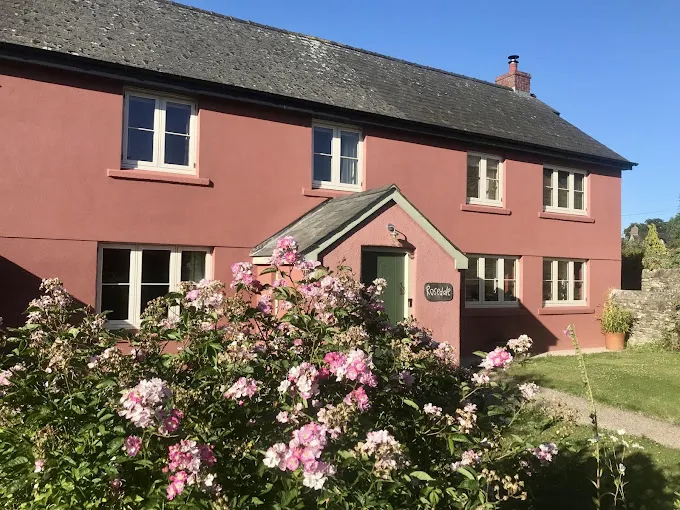
Best Rendering Contractors Pontardawe Guide
Rendering contractors Pontardawe property owners rely on combine technical expertise, weather-resistant materials, and proven local knowledge to protect and transform homes across Neath Port Talbot – here is everything you need to know before hiring.
Table of Contents
- What Are Rendering Contractors in Pontardawe?
- Render Types Suited to Pontardawe Properties
- How to Hire Reliable Rendering Contractors
- Rendering Costs and Long-Term Value
- Frequently Asked Questions
- Comparing Rendering Systems
- Coloured Rendering South Wales
- Practical Tips for Your Rendering Project
- The Bottom Line
- Sources and Citations
Article Snapshot
Rendering contractors Pontardawe are specialist tradespeople who apply protective and decorative external wall coatings to homes and commercial buildings. Choosing the right contractor means assessing experience, render system knowledge, local weather awareness, and verifiable reviews to ensure a durable, low-maintenance finish.
Rendering Contractors Pontardawe in Context
- 416 trusted and reviewed plasterers are available in the Pontardawe area (MyJobQuote, 2026)[1]
- 358 reviews collected on plasterers operating in the Pontardawe area (MyJobQuote, 2026)[1]
- Some companies covering the Pontardawe area report up to 30 years of individual plastering and rendering experience (MyJobQuote, 2026)[1]
- Coloured Rendering South Wales brings 25 years of specialised rendering experience across South Wales (Coloured Rendering South Wales, 2026)[2]
What Are Rendering Contractors in Pontardawe?
Rendering contractors Pontardawe are skilled tradespeople who apply external and internal wall coating systems to residential and commercial properties throughout the Neath Port Talbot valley. Their work covers everything from simple patch repairs on ageing cement renders to full external wall insulation installations with silicone finish coats. Coloured Rendering South Wales, based in nearby Swansea, has been serving property owners across this part of South Wales since 1998 and brings over 25 years of specialist knowledge to every project in the area.
Pontardawe sits in the upper Tawe Valley, an area characterised by high annual rainfall, prevailing south-westerly winds, and a topology that channels moisture-laden air directly onto exposed elevations. These conditions accelerate render deterioration faster than in more sheltered inland locations, which is why appointing contractors with genuine local experience is not merely a preference – it is a practical necessity. Contractors who work regularly across Neath Port Talbot understand how substrate types common in valley terraces, post-war semi-detached homes, and stone-built cottages each respond differently to moisture ingress and thermal movement.
The scope of rendering work in Pontardawe includes external spray rendering, through-colour monocouche systems, thin coat silicone render, one-coat cement render, and external wall insulation (EWI) with a rendered finish. Each system suits different property profiles, budgets, and performance requirements. Qualified contractors assess the substrate condition, identify any existing moisture problems, and specify the most appropriate system before a single trowel or spray gun is lifted.
Call Us
A capable rendering contractor also understands UK building standards and the specific requirements that apply when altering the external envelope of a property. For properties in conservation areas or with listed status – both present in the broader Neath Port Talbot district – material choices and application methods require prior approval. Experienced local contractors handle these requirements as a matter of routine.
Lessons From Coastal and Valley Rendering Projects
Projects completed along the South Wales coast – including seafront properties in Mumbles exposed to salt-laden air – show how the specification of a flexible, water-repellent silicone render extends the service life of an external finish by decades compared with a standard cement coat. The same principles apply to valley locations like Pontardawe, where driving rain rather than salt spray is the primary weathering agent. Contractors who have worked across both environments carry a practical understanding of material performance that desk-based knowledge alone cannot replicate.
Render Types Suited to Pontardawe Properties
Selecting the correct render system for a Pontardawe property depends on the substrate, the building’s age, the level of thermal improvement required, and the desired final aesthetic – and experienced spray rendering contractors match these variables to proven systems.
Thin coat silicone render is the most widely specified modern system for South Wales properties. Its polymer chemistry gives it exceptional flexibility, which means it accommodates the minor structural movement inevitable in valley terraces and older stone buildings without cracking. It is simultaneously waterproof and vapour-permeable, allowing moisture that enters the wall to escape outward rather than becoming trapped and causing internal damp. Self-cleaning silicone surfaces resist organic growth – an important quality given the humidity levels common in the Tawe Valley – and the colour is integral to the product, eliminating any need for periodic repainting.
Monocouche through-colour render is a cement-based single-coat system pre-pigmented throughout its full thickness. It suits properties where a more traditional textured appearance is preferred. Because the colour runs through the entire coat rather than sitting on the surface, superficial scuffs and abrasions do not expose a grey undercoat. This system is compatible with most masonry substrates and is applied by spray for efficiency or by hand where access or detailing requirements make machine application impractical.
One-coat cement render remains a cost-effective choice for properties where the owner intends to apply a painted finish. Applied using professional spray equipment, it achieves consistent thickness across large wall areas faster than hand application, and once cured it accepts masonry paint in any colour. Baumit’s guidance on facade renders and paints highlights how the choice of finish coat significantly affects long-term weather resistance and maintenance frequency.
External wall insulation systems combine a layer of high-performance insulation board mechanically fixed to the existing wall with a reinforced basecoat and a silicone or acrylic finish render. For Pontardawe properties with solid stone or brick walls – common in terraced housing stock built before cavity wall construction became standard – EWI is one of the few practical methods for substantially improving thermal performance. The rendered outer face also provides complete weather protection and a refreshed external appearance.
Why Silicone Render Performs Well in Welsh Conditions
The chemistry of silicone renders makes them particularly well-matched to the Welsh climate. Their hydrophobic surface causes rainwater to bead and run off rather than soaking into the substrate, which reduces the freeze-thaw cycles that crack conventional cement renders during cold snaps. Coloured Rendering South Wales specifies Baumit StarTop premium silicone render, installed to manufacturer standards as a Baumit Approved EWI Applicator with City and Guilds Assured accreditation, providing manufacturer-backed warranties of up to 25 years – documented long-term protection that informal or uncertified rendering work cannot offer.
“Quality assurance remains central to our approach, with every silicone render project subject to rigorous standards from initial assessment through final inspection,” according to the Coloured Rendering South Wales Team (Coloured Rendering South Wales, 2026)[2].
How to Hire Reliable Rendering Contractors
Hiring rendering contractors in Pontardawe requires a structured approach – verifying credentials, comparing quotations, and assessing the quality of previous work protects property owners from poor outcomes and costly remediation.
Start by checking whether contractors hold relevant trade accreditations. For EWI work, Baumit Approved Applicator status and City and Guilds Assured accreditation confirm that the installer is certified to work with specific product systems and that manufacturer warranties will be honoured. For spray rendering, membership of recognised trade bodies and evidence of public liability insurance are baseline requirements. The Property Care Association maintains registers of vetted contractors and provides guidance on standards applicable to external wall treatments across the UK.
Request a minimum of three quotations for any rendering project. Each should specify the render system by product name and manufacturer, the preparation work to be carried out before application, the number of coats, the method of application (spray or hand), and the warranty terms. Quotations that list only a lump sum without these details make it impossible to compare proposals on a like-for-like basis and indicate a contractor who is under-specifying to win on price.
“Professional contractors provide essential expertise in damage assessment, material selection, and repair execution. Quality workmanship backed by guarantees and insurance coverage protects property owners,” noted the Coloured Rendering South Wales Team (Coloured Rendering South Wales, 2026)[3].
Review verified customer feedback on platforms that require homeowners to confirm work was completed before posting a review. With 358 reviews available for plasterers and rendering contractors in the Pontardawe area (MyJobQuote, 2026)[1], property owners have a meaningful body of independent evidence to draw on when assessing local contractors. Look for patterns across multiple reviews rather than focusing on individual comments – consistent themes of punctuality, tidiness, and willingness to explain the work are more revealing than a single five-star score.
Ask to see photographs of completed projects on properties similar to your own. A contractor who regularly works on Victorian terraces in valley locations will understand substrate behaviour, detailing around sash windows, and colour choices appropriate for traditional street scenes in ways that a contractor primarily experienced on new-build estates will not.
Key Questions Before Appointing a Contractor
Before committing, ask each contractor how they will prepare the substrate – adequate preparation is responsible for a large proportion of render failures. Confirm whether scaffolding is included in the price or billed separately. Establish what happens if the substrate is found to be in worse condition than anticipated once work begins. A contractor who provides clear, direct answers to these questions is demonstrating the professional transparency that good rendering work requires.
Rendering Costs and Long-Term Value
Understanding rendering costs in Pontardawe means looking beyond the initial quotation to assess the full lifecycle value – because a low upfront price for a system that requires repainting every five years costs more over two decades than a higher initial investment in a through-coloured or silicone system.
One-coat cement render is the most affordable option for the initial application. However, because it requires painting after curing and repainting on a regular cycle, its total cost of ownership over ten to fifteen years frequently exceeds that of a monocouche or silicone system applied at a higher upfront cost. For property owners planning a long-term hold – landlords with rental portfolios in Bridgend and Neath Port Talbot are a clear example – specifying a low-maintenance system from the outset is sound financial planning.
Spray application reduces labour costs compared with hand application by completing the same area in significantly less time. For larger properties or housing development projects, the efficiency of spray rendering makes a material difference to both cost and programme duration. Property developers who have worked with Coloured Rendering South Wales across Cardiff new-build sites report that spray application approximately halved the time required per dwelling compared with traditional hand methods.
External wall insulation involves a higher upfront investment because it combines structural fixing of insulation boards, application of a reinforced basecoat, and a finish render coat – three distinct operations rather than one. However, for solid-wall properties in Pontardawe with poor EPC ratings, the energy savings achievable through EWI are substantial. Government grant schemes for energy efficiency improvements offset part of the installation cost, and the improvement in EPC rating increases the property’s market value and rental attractiveness.
Rendering repairs are the most cost-effective intervention when the underlying system remains structurally sound but has developed isolated cracks, hollow patches, or surface staining. Addressing these issues promptly prevents water ingress that leads to far more extensive and expensive remediation. A property owner who delays repairing a small section of failed render on a Pontardawe terrace exposed to autumn and winter rainfall finds that the affected area triples by spring.
How Quality Rendering Adds Property Value
A professionally rendered external finish consistently improves kerb appeal, which has a measurable effect on both sale price and time on market. Estate agents across South Wales regularly report that properties with fresh, well-specified external finishes attract more viewings and achieve asking price more frequently than comparable properties with tired or damaged render. The transformation is particularly striking on older valley terraces where a modern silicone render in a contemporary colour brings the property’s exterior into line with current buyer expectations without altering the building’s character.
Your Most Common Questions
How long does rendering last on a Pontardawe property?
The service life of external render depends heavily on the system specified, the quality of application, and the exposure conditions of the property. In Pontardawe and the wider Neath Port Talbot valley, high annual rainfall and wind-driven moisture place greater demands on external finishes than in more sheltered locations.
One-coat cement renders that are subsequently painted require attention – whether touch-up painting or partial repair – within five to eight years, depending on the paint quality and the extent of surface preparation carried out before painting. Monocouche through-colour renders, which require no painting, perform well for fifteen to twenty-five years on properly prepared substrates with correct application. Thin coat silicone renders applied to manufacturer specification by a certified applicator carry manufacturer-backed warranties of up to twenty-five years and in practice exceed that service life in moderate exposure conditions.
The single factor most responsible for premature render failure – regardless of system – is inadequate substrate preparation before application. Contractors who cut preparation time to reduce cost deliver shorter-lived results. Requesting a detailed breakdown of preparation works in any quotation helps property owners identify and reject under-specified proposals.
Do I need planning permission for rendering my home in Pontardawe?
For most residential properties in Pontardawe, applying render to external walls is considered permitted development and does not require planning permission. However, there are important exceptions that property owners must verify before beginning any work.
Properties in conservation areas – several exist within the Neath Port Talbot district – are subject to Article 4 Directions that remove permitted development rights for alterations to external appearance, including changes to render colour or texture. Listed buildings require listed building consent for any works that affect their character, and this includes render applications. Properties on new-build estates have planning conditions restricting alterations to external materials.
For EWI installations, the addition of an insulation layer that significantly increases the wall thickness requires a formal planning application in some circumstances, particularly on corner plots or where the installation would project beyond a boundary. UK Building Regulations also apply to EWI work, specifically Approved Document L concerning energy efficiency. Your rendering contractor should be familiar with these requirements and able to advise on the correct approach for your specific property. If any doubt exists, contacting Neath Port Talbot County Borough Council’s planning department for pre-application advice is straightforward and free of charge.
What is the difference between spray rendering and hand rendering?
Spray rendering uses a machine pump to apply render material to the wall surface under controlled pressure, while hand rendering applies the material using traditional trowels and floats. Both methods produce high-quality results when carried out by experienced practitioners, but they differ significantly in speed, consistency, and suitability for different project types.
Spray application covers large areas far faster than hand application – two to three times faster on open wall surfaces – which reduces labour costs and programme time. The machine-delivered material also achieves a highly consistent thickness across the full wall area, which contributes to uniform drying, colour consistency in through-colour systems, and even performance over the life of the render. On large, regular wall surfaces such as the gable end of a valley terrace or the elevation of a housing development, spray application is the superior choice on both technical and economic grounds.
Hand application retains advantages in tight access situations, around complex architectural features such as decorative mouldings and reveals, and where small patch repair work makes machine set-up disproportionate. Experienced rendering contractors use both methods and select the appropriate approach – or a combination – based on the specific requirements of each project rather than limiting themselves to one technique.
How do I know if my existing render needs repairing or full replacement?
The decision between repair and full replacement depends on the extent of failure, the age and type of the existing render, and whether the underlying cause of deterioration has been addressed. Localised cracks, small hollow patches that sound hollow when tapped, and surface staining without structural failure are candidates for repair rather than full removal and replacement.
Indicators that full replacement is more appropriate include widespread hollowing where the render has separated from the substrate across a large area, evidence of water ingress behind the render causing substrate damage or internal damp, extensive cracking that has allowed moisture penetration over a prolonged period, and render that is more than twenty-five to thirty years old and approaching the end of its practical service life. Applying a new render coat over a substantially failed existing one results in premature failure of the new coat as well.
A professional assessment by an experienced contractor is the most reliable way to determine the correct course of action. Reputable rendering contractors in Pontardawe carry out a thorough inspection – including tapping tests, moisture checks, and an assessment of crack patterns – before recommending whether repair or replacement is appropriate. This initial assessment should be provided without obligation and with a clear explanation of the reasoning behind the recommendation.
Comparing Rendering Systems for Pontardawe Properties
Selecting the right render system involves weighing application cost, maintenance requirements, weather performance, and expected service life against each other. The table below compares the four primary systems used by rendering contractors across Pontardawe and the wider South Wales area, drawing on the performance characteristics and application methods relevant to valley and coastal exposure conditions.
| Render System | Application Method | Maintenance Required | Typical Service Life | Best Suited To |
|---|---|---|---|---|
| Thin Coat Silicone Render | Spray (primary) | Minimal – self-cleaning surface, no repainting | Up to 25 years with certified installation[2] | New builds, renovation, coastal and valley exposure |
| Monocouche Through-Colour Render | Spray or hand | Low – through-colour eliminates painting | 15-25 years on prepared substrate | Traditional and contemporary properties, housing developments |
| One-Coat Cement Render | Spray (primary) | Moderate – requires painting and periodic repainting | 5-10 years before repainting required | Budget-conscious projects, painted finish preferred |
| External Wall Insulation with Render Finish | System installation with spray finish | Minimal on render face; insulation is permanent | 25+ years with manufacturer-backed warranty | Solid-wall properties, EPC improvement, energy saving |
Coloured Rendering South Wales
Coloured Rendering South Wales has delivered specialist plastering and spray rendering services across South Wales since 1998, building a reputation for consistent quality workmanship that is reflected in a perfect 5.0 Google rating across numerous verified reviews. The company operates throughout Neath Port Talbot, Swansea, and the surrounding region, making it a directly relevant option for property owners seeking rendering contractors Pontardawe and the wider valley area.
The full service range covers thin coat silicone render, monocouche through-colour render, one-coat cement render, internal plastering, rendering repairs, and complete EWI installations. As a Baumit Approved EWI Applicator with City and Guilds Assured accreditation, the company is certified to install Baumit StarTop premium silicone render and full external wall insulation systems with manufacturer-backed warranties of up to 25 years – providing documented protection that informal or uncertified rendering work cannot match.
Spray rendering technology allows the team to complete projects two to three times faster than traditional hand application, reducing programme time and disruption to occupants without compromising finish quality. This efficiency is particularly valued by property developers and landlords managing multiple properties across South Wales who need reliable contractors that meet project schedules consistently.
“We’re 100% happy and wouldn’t hesitate to recommend Jeff. His workmanship is excellent and we’re also very happy with the product he recommended to eradicate the penetrating damp and give our house a great new look and lease of life.” – Alistair Legge, Google Review
“With over 15 years in the building trade I have experienced several different plasterers all offering different styles and finishes. Geoff’s thin coat spray finish render would rival the best and I can’t recommend his team enough to someone thinking of using him.” – Keri Hopkins, Google Review
For full details of services and completed project examples, visit the home page of Coloured Rendering South Wales – expert spray rendering and external wall insulation services across South Wales, or explore the EWI Specialists South Wales – expert external wall insulation installations for energy efficiency page. To arrange a free consultation and quotation, contact Coloured Rendering South Wales for a free quote or consultation on your rendering project by calling 07815 868070 or emailing geoff@colouredrenderingsouthwales.com.
Practical Tips for Your Rendering Project
Planning a rendering project in Pontardawe or the surrounding Neath Port Talbot area is more straightforward when you approach it with a clear framework. The following practical guidance draws on the realities of working in South Wales valley conditions and the lessons of projects completed across the region.
Schedule the project for late spring to early autumn wherever possible. Render requires stable temperatures and low humidity during application and the initial curing period. Cold or wet conditions extend drying times, cause surface defects in cement-based systems, and void warranty conditions if applied outside manufacturer-specified temperature ranges. South Wales winters bring exactly the combination of cold and wet that makes render application problematic – autumn bookings should be placed early to secure contractor availability before the weather window closes.
Ensure all substrate issues are addressed before rendering begins. Cracked mortar joints should be raked out and repointed, any damp penetration through roofline or window details should be resolved, and damaged masonry should be made good. Applying new render over a compromised substrate is the single most common cause of premature render failure. Good contractors will identify these issues during their initial assessment, but property owners who understand what to expect are better placed to evaluate whether preparation works are being carried out properly.
Clarify the scaffolding arrangement at quotation stage. Most two-storey rendering projects require scaffolding erected by a separate contractor, and this cost – which is significant for larger properties – is sometimes excluded from rendering quotations presented to homeowners. Confirm in writing whether scaffolding is included or excluded and who is responsible for booking and coordinating its erection and removal.
Discuss colour choice carefully and, where possible, ask to see physical render samples or the specific colour applied to a completed nearby property before committing. Render colours appear differently on a small sample card than on a full elevation, and colours that read as light grey on a chip appear almost white in direct sunlight on a south-facing gable. Reviewing completed projects is sound practice – the Coloured Rendering Swansea – durable and attractive rendering solutions for residential and commercial properties page shows examples of finished work in various colours and textures across the region.
Keep a record of the render system installed, including the product manufacturer and name, the date of installation, and the contractor’s details. This information is valuable when making warranty claims, when planning future maintenance, and when selling the property and presenting evidence of quality works to prospective buyers.
The Bottom Line
Rendering contractors Pontardawe property owners appoint need to combine genuine local experience with knowledge of modern render systems, sound preparation practices, and verifiable quality credentials. The valley environment and high rainfall of Neath Port Talbot demand renders that are flexible, vapour-permeable, and properly specified for the substrate – and contractors who understand these requirements deliver results that protect properties for decades rather than years.
Choosing between silicone render, monocouche, cement render, or EWI requires an honest assessment of your property type, budget, and long-term plans. The comparison in this guide provides a starting framework, but a site-specific consultation with an experienced contractor translates that framework into a concrete recommendation for your building.
Coloured Rendering South Wales has served properties across South Wales since 1998 and brings specialist expertise directly applicable to Pontardawe and the surrounding area. Call 07815 868070 or email geoff@colouredrenderingsouthwales.com to arrange a free property assessment and quotation today.
Sources and Citations
- Find Plasterers in Pontardawe – MyJobQuote. MyJobQuote.
https://www.myjobquote.co.uk/plasterers-renderers/neath-port-talbot/pontardawe - Professional Silicone Render Swansea Services. Coloured Rendering South Wales.
https://colouredrenderingsouthwales.com/silicone-render-swansea/ - Rendering Repairs Bridgend: Professional Solutions Guide. Coloured Rendering South Wales.
https://colouredrenderingsouthwales.com/rendering-repairs-bridgend/