
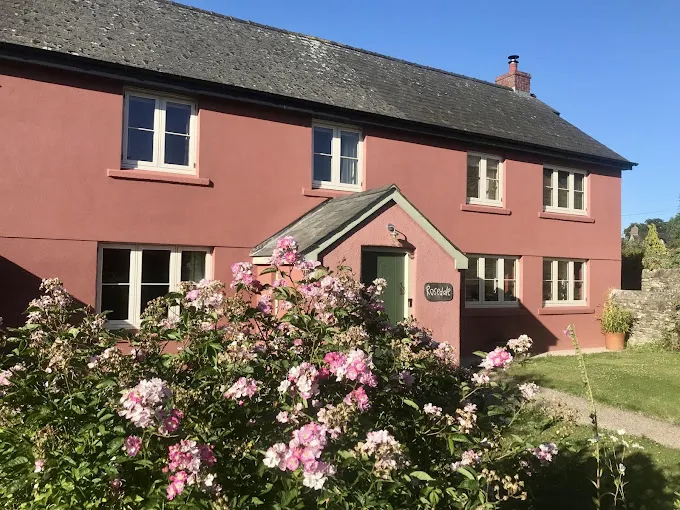
Complete Guide to Gorseinon Weather: Impact on Your Property

Gorseinon weather features mild temperatures, ample rainfall, and coastal winds that degrade property exteriors. See how coloured rendering shields your Swansea home year-round.
Table of Contents
- What Is Gorseinon Weather Like?
- How Gorseinon Weather Affects Your Property Exterior
- Choosing the Right Render for Gorseinon’s Climate
- Protecting Your Home from Gorseinon Weather Damage
- Your Most Common Questions
- Comparing Render Systems for Welsh Weather
- How Coloured Rendering South Wales Can Help
- Practical Tips for Managing Gorseinon Weather’s Impact on Your Home
- Key Takeaways
Key Takeaway
Gorseinon weather is the local climate pattern of mild, wet conditions and persistent coastal winds that place significant stress on building exteriors in the Swansea area. Understanding these weather factors is essential for choosing the right rendering and insulation to protect your property.
By the Numbers
While local Gorseinon weather is influenced by its proximity to the coast, these Wales-wide figures illustrate the climate patterns that shape property maintenance needs:
- Average annual rainfall across Wales is 1467 millimetres, making it one of the wettest parts of the UK (Met Office, 2016)[1].
- Mean annual temperature is 9.3 degrees Celsius, reflecting the mild but damp conditions typical of Gorseinon weather (Met Office, 2016)[1].
- Wales averages 1353 hours of sunshine per year; frequent cloud cover and rain dominate the weather pattern that affects exterior durability (Met Office, 2016)[1].
Understanding gorseinon weather is critical for any property owner in the Swansea region. The combination of abundant rainfall, mild but persistent dampness, and salt-laden coastal winds creates a challenging environment for building exteriors. Coloured Rendering South Wales provides rendering solutions designed specifically for these conditions, helping homeowners protect their investments. In this guide, we explore what defines gorseinon weather, how it damages external walls, which render systems work best, and the steps you can take to shield your home year-round.
What Is Gorseinon Weather Like?
Gorseinon weather is a temperate maritime climate characterised by mild winters, cool summers, high humidity, and frequent rainfall. Located just inland from the south Wales coast, the area experiences weather that is strongly influenced by the Atlantic Ocean. Average temperatures are moderate, with the mean annual temperature across Wales standing at 9.3 degrees Celsius (Met Office, 2016)[1]. Winters seldom bring prolonged freezing, but persistent drizzle and overcast skies are common, contributing to consistently high moisture levels in the air and on wall surfaces.
Rainfall is the most significant feature of gorseinon weather. Wales as a whole receives an average of 1467 millimetres of rain annually (Met Office, 2016)[1], and coastal areas near Swansea fall within the wetter western bands. While the uplands of Snowdonia can exceed 3000 millimetres, the driest eastern parts of Wales see below 1000 millimetres. Gorseinon, situated between these extremes, endures frequent rain-bearing fronts that sweep in from the Atlantic. This steady exposure to moisture is the primary reason external walls deteriorate faster here than in drier regions.
Call Us
Wind is another defining element. The coastal location means gorseinon weather includes strong, gusty winds that drive rain horizontally against building facades. This wind-driven rain penetrates tiny cracks and porous surfaces more effectively than vertical rainfall, accelerating water ingress. Salt spray from the nearby coastline is carried inland, especially during stormy periods. Salt crystals deposited on render hold moisture against the surface and, over time, contribute to efflorescence and weakening of the material.
Sunshine is relatively limited; Wales averages 1353 hours of sunshine per year (Met Office, 2016)[1]. The combination of low sun exposure and frequent damp means external walls rarely dry out completely during the cooler months. This prolonged saturation cycle increases the risk of freeze-thaw damage when temperatures do dip below zero, although extreme cold is infrequent. The lowest recorded temperature in Wales is -23.3 degrees Celsius, at Rhayader, Powys, in 1940 (Met Office, 2024)[2], but in Gorseinon, sub-zero days are brief. Repeated cycles of slight freezing and thawing still crack traditional renders.
How Gorseinon Weather Affects Your Property Exterior
Gorseinon weather attacks external walls through a persistent combination of water, wind, and temperature fluctuations. The principal mechanism of damage is moisture ingress. When rain saturates the outer render layer, water seeps into the substrate behind it. If the render or underlying masonry cannot dry out due to high ambient humidity, the trapped moisture encourages mould growth, causes salts to crystallise, and degrades the bond between render and wall. Over successive wet seasons, the render starts to sound hollow when tapped – a sign of delamination that requires repair or replacement.
Wind-driven rain amplifies this effect significantly. Traditional cement-based renders, which tend to be less flexible, develop hairline cracks as buildings naturally expand and contract with temperature changes. Once cracks appear, wind-blown rain is forced deep into the wall structure, bypassing the protective outer layer. The Met Office has recorded a highest 24-hour rainfall total in Wales of 211.0 millimetres at Lluest Wen Reservoir in 1929 (Met Office, 2024)[2], demonstrating the intensity of single storm events that overwhelm even well-maintained render. After heavy downpours, property owners notice damp patches on interior walls, peeling paint, or musty smells.
Coastal proximity adds a further complication. The salt carried in sea spray is hygroscopic, meaning it attracts and holds moisture. Render surfaces in Gorseinon and nearby coastal communities accumulate salt deposits over time. This stains the finish and promotes corrosion of metal fixings or lath in older properties. The persistent damp environment also favours algae and lichen growth. North-facing walls, which receive the least sun and therefore stay damp longest, are particularly susceptible to green discolouration that mars the appearance and degrades the render texture.
Temperature extremes, though less dramatic than in continental climates, still take a toll. The highest recorded temperature in Wales reached 37.1 degrees Celsius at Hawarden Bridge in July 2022 (Met Office, 2024)[2], and while Gorseinon rarely sees such peaks, summer heat causes older renders to expand. More harmful is the repeated wetting and drying that occurs throughout the year. Each complete wet-dry cycle stresses the render matrix slightly. Over a decade or more, this results in widespread cracking, crumbling, and eventual failure – particularly if the original render was not formulated for the specific demands of gorseinon weather.
Choosing the Right Render for Gorseinon’s Climate
Selecting a render system that withstands gorseinon weather means prioritising water resistance, breathability, and flexibility. The three main options – thin coat silicone render, monocouche through-colour render, and one coat cement render – each offer a different balance of these properties. Thin coat silicone render is the preferred choice for coastal and high-rainfall areas because it is waterproof yet vapour-permeable. This means rain beads on the surface while water vapour from inside the building escapes, reducing the risk of trapped moisture. The silicone formulation provides flexibility that absorbs thermal movement without cracking, an important asset in a climate where walls cycle between damp and dry conditions.
Monocouche through-colour render delivers a durable, single-layer finish that is coloured through its entire thickness. The colour is integral to the material, so scratches or minor surface wear do not expose a different base tone. This makes it a low-maintenance option well suited to the rainy character of gorseinon weather, as there is no paint film to peel or require regular redecoration. Monocouche renders incorporate water-repellent additives and reinforcing fibres that enhance crack resistance. They are applied by spray to achieve a consistent texture rapidly, which is especially valuable when working against the narrow weather windows that South Wales offers.
One coat cement render remains a cost-effective solution for properties where a painted finish is acceptable. Modern spray-applied cement renders are mixed with polymers that improve adhesion and reduce cracking compared with older hand-mixed formulations. While they lack the inherent water repellency of silicone, they are protected with high-quality masonry paint and, when correctly specified, provide many years of service. In the persistently damp conditions of gorseinon weather, cement renders require more vigilant maintenance, as any paint failure quickly exposes the porous base to moisture. For many homeowners, the lower initial cost must be weighed against a higher likelihood of future repair bills.
Beyond the render material itself, application method matters. Spray rendering, a specialism of Coloured Rendering South Wales, applies the product uniformly and at high speed, minimising the time that exposed walls are vulnerable to sudden rain showers. Spray rendering also ensures a consistent thickness and bonding strength that is harder to achieve by hand. For properties in Gorseinon, combining a modern render with a professional spray application dramatically reduces the risk of weather-related failure. To explore the options further, see our durable and attractive rendering solutions for residential and commercial properties.
Protecting Your Home from Gorseinon Weather Damage
Protecting your home from gorseinon weather requires a multi-layered strategy that starts with proper render selection and extends to insulation and ongoing care. External wall insulation (EWI) is one of the most transformative measures you can take. By fixing high-performance insulation boards to the exterior and covering them with a weather-resistant render, you address two problems at once. First, the building’s thermal performance improves significantly, reducing heat loss through solid walls that are common in older Gorseinon properties. Second, the new render forms a continuous protective shell that shields the original wall from rain and wind entirely.
EWI systems have particular relevance for the climate of gorseinon weather. The insulation layer helps to keep the wall surface warmer, raising it above the dew point and reducing the condensation that feeds damp and mould growth. This benefit is pronounced on solid-walled properties where internal damp problems trace back to cold external surfaces meeting warm, moist indoor air. For maximum durability, the finish render should be one designed for high exposure: silicone or advanced acrylic systems that remain flexible and self-cleaning in the face of persistent rain and salt spray. Coloured Rendering South Wales, as a Baumit Approved EWI Applicator, installs complete systems with warranties of up to 25 years, giving you documented long-term protection. Find out more about our expert external wall insulation installations for energy efficiency.
Regular inspection and maintenance form the second line of defence. Even the best render eventually needs attention after decades of exposure to gorseinon weather. Check your external walls annually, ideally at the end of winter. Look for hairline cracks, areas where the render sounds hollow when tapped, moss or algae build-up, and any signs of damp penetration around window sills and roof edges. Small cracks are repaired before water has a chance to cause deeper damage, saving the expense of a full re-render later. Keeping gutters and downpipes clear ensures that rainwater is channelled away from the walls rather than cascading over them in concentrated streams.
Finally, think about the details – the architectural features that are vulnerable to driven rain. Windowsills should have a sufficient overhang and drip groove to prevent water from tracking back underneath. External sealant around frames must remain flexible and intact. For solid-wall properties, the ground level outside should be at least 150 millimetres below the damp-proof course; soil or paving that bridges this gap allows moisture to bypass the render altogether. Combining these practical measures with a professionally applied modern render system gives your home the best chance of remaining warm, dry, and attractive for decades, whatever gorseinon weather delivers.
Your Most Common Questions
What is the average annual rainfall in the Gorseinon area?
Wales receives an average of 1467 millimetres of rain each year, and the coastal location means Gorseinon experiences similarly wet conditions (Met Office, 2016). Most of this rain falls during autumn and winter, driven by Atlantic weather systems that also bring strong winds. The persistent damp means external walls rarely dry out fully, making the choice of a waterproof yet breathable render essential for long-term property protection.
How does Gorseinon weather affect external wall render?
Gorseinon weather causes render to crack, absorb water, and eventually fail through a combination of persistent rain, wind-driven moisture, and coastal humidity. The repeated wet-dry cycle introduces micro-stresses that widen hairline cracks, allowing water to reach the masonry behind. Over time, trapped moisture leads to delamination, mould, and frost damage. Modern renders formulated for high exposure – particularly thin coat silicone – resist these effects far more effectively than traditional cement-only finishes.
What is the best type of render for coastal properties near Gorseinon?
Thin coat silicone render is the best choice for coastal properties near Gorseinon because it is waterproof yet breathable, flexibly resists cracking, and self-cleans to shed salt and algae. Its silicone base repels liquid water while allowing water vapour to escape, preventing internal damp. For maximum protection, this render is combined with external wall insulation, creating a complete weather-defensive system backed by manufacturer warranties of up to 25 years.
Can external rendering improve my home’s energy efficiency in Gorseinon’s climate?
External rendering combined with external wall insulation improves your home’s energy efficiency in Gorseinon’s mild but damp climate. The insulation layer reduces heat loss through solid walls, which are common in older properties, helping to lower heating bills and keep internal wall surfaces warmer. Warmer walls are less prone to condensation and mould, addressing two of the main problems caused by long periods of wet gorseinon weather.
Comparing Render Systems for Welsh Weather
Choosing the right external finish for gorseinon weather means weighing up how different render systems perform across the key criteria of water resistance, flexibility, maintenance needs, and lifespan. The table below compares three common options to help you decide which best suits your property’s exposure and your maintenance expectations.
| Criteria | Thin Coat Silicone Render | Monocouche Through Colour Render | One Coat Cement Render |
|---|---|---|---|
| Water Resistance | Excellent – hydrophobic surface repels rain while remaining vapour permeable | Good – water-repellent additives provide protection, though less flexible than silicone | Moderate – relies on masonry paint for full waterproofing; porous if paint fails |
| Flexibility & Crack Resistance | High – silicone polymers accommodate thermal movement without cracking | Medium – reinforcing fibres help, but less elastic than silicone systems | Low – more rigid; cracks more likely in exposed, high-moisture locations |
| Maintenance | Minimal – self-cleaning; no repainting needed | Low – colour is through-depth, eliminating repainting | Higher – external paint requires periodic renewal, especially in wet climates |
| Lifespan | 25+ years with professional installation | 20-30 years depending on exposure | 10-20 years before major renovation is needed |
In the relentless damp of gorseinon weather, the initial investment in a high-performance silicone render or monocouche system proves more cost-effective over the building’s lifetime by dramatically reducing maintenance and repair costs.
How Coloured Rendering South Wales Can Help
Coloured Rendering South Wales has been serving the Swansea area since 1998, accumulating over 25 years of direct experience with how gorseinon weather affects local properties. Our deep local knowledge means we do not apply generic specifications – we assess each building’s exposure to wind, rain, and coastal salt, then recommend a render system precisely matched to those conditions. Whether you need a complete external makeover with thin coat silicone render, an energy-efficiency upgrade through external wall insulation, or expert repairs to existing render, our team delivers results that stand up to the Welsh climate.
Our reputation is built on quality that customers can see and trust. “Excellent work by an absolute gentleman. Very reasonable with prices, will definitely be having him back for more work. I’m thrilled with the finish. Thank you.” – Madeleine Jones, Google Review. And “Could not have asked for more! Jeff made our walls look brand new, we really couldn’t believe how good his plaster work is and how it’s made such a difference, he was polite, on time and cleaned up after himself, a real pleasure to have him” – Tony Malone, Google Review. These independent reviews reflect our commitment to precision, reliability, and outstanding finish.
We also offer professional repairs and maintenance for external wall renders, ensuring that early signs of weather damage can be addressed before they escalate. From small patch repairs to full re-rendering projects, we use compatible materials and proven techniques to restore protection and appearance. Contact Coloured Rendering South Wales today at 07815 868070 or via our contact page to arrange your free, no-obligation property assessment. Let our expertise turn the challenge of gorseinon weather into the opportunity for a more durable, attractive, and energy-efficient home.
Practical Tips for Managing Gorseinon Weather’s Impact on Your Home
While a high-quality render is your best long-term defence, several practical steps reduce the toll that gorseinon weather takes on your property’s exterior. Begin with a thorough visual inspection at least once a year, ideally after the wettest months. Look for hairline cracks, areas of render that feel loose when tapped, and any staining that suggests water is not draining properly. Early intervention on small cracks with a flexible repair compound prevents moisture from penetrating deeper into the wall structure. Clean algae and moss gently with a soft brush and water rather than a pressure washer, which can force water into gaps and damage the render surface.
Good drainage makes a significant difference. Ensure gutters and downpipes are clear of leaves and debris; overflowing gutters pour water directly down external walls, saturating render and creating ideal conditions for damp to take hold. Check that gullies and drains around the base of the house flow freely. Where possible, direct surface water away from the building by grading paving or soil. For solid-walled properties, maintain a clear gap between the ground level and the damp-proof course – a detail overlooked in older homes.
- Inspect render annually for cracks, hollow spots, and moss; repair small defects immediately with a compatible flexible filler.
- Keep gutters and downpipes clear to prevent water cascading over walls; ensure ground drainage slopes away from the house to protect the base of the render.
- Consider upgrading to breathable masonry paint if you have a cement render; this allows moisture vapour to escape and reduces the risk of blistering in damp gorseinon weather.
Finally, work with the weather, not against it. If you are planning a rendering project, schedule it for late spring or summer when longer dry spells provide the best curing conditions. A professional spray-applied render is completed far more quickly than traditional hand application, reducing the risk of being caught out by a sudden downpour. Long-term, combining these practical habits with a strong modern render system keeps your home protected, warm, and looking its best, despite the challenges of gorseinon weather.
Key Takeaways
Gorseinon weather is defined by persistent rain, high humidity, and coastal winds that steadily erode unprotected building exteriors. The right render, chosen and applied with local expertise, transforms this challenge into a long-term asset – a weatherproof, low-maintenance shell that enhances both kerb appeal and thermal performance. Thin coat silicone and monocouche renders lead the field, while external wall insulation adds the dual benefit of energy savings and weather protection. Coloured Rendering South Wales brings over 25 years of regional experience to every project, backed by a perfect 5.0 Google rating. To safeguard your property against gorseinon weather and enjoy the peace of mind that comes with a professionally rendered home, call us on 07815 868070 or visit our contact page today for a free consultation.
Useful Resources
- Regional Climates: Wales Climate. Met Office, 2016.
https://www.metoffice.gov.uk/binaries/content/assets/metofficegovuk/pdf/weather/learn-about/uk-past-events/regional-climates/wales-climate—met-office.pdf - UK Climate Extremes. Met Office, 2024.
https://www.metoffice.gov.uk/research/climate/maps-and-data/uk-climate-extremes
