
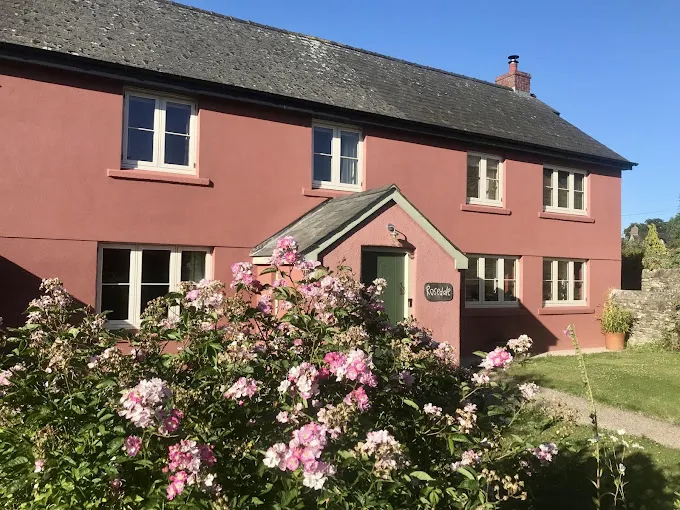
External Rendering Mumbles: Expert Guide

External rendering Mumbles protects coastal homes from salt air, driving rain, and heat loss – learn modern spray techniques, costs, and the right render for your property.
Table of Contents
- What Is External Rendering and Why Does Mumbles Need It?
- Which Render Is Right for My Mumbles Property?
- What Are the Costs and Energy Savings of Rendering?
- How to Prepare for a Rendering Project in Mumbles
- Your Most Common Questions
- Comparing Render Types for Coastal Properties
- Why Local Expertise Matters in Mumbles
- How to Choose and Maintain Your Render in 5 Steps
- The Bottom Line
- Sources & Citations
Article Snapshot
External rendering Mumbles is the application of a protective, decorative coat to external walls. Modern spray-applied silicone and monocouche systems from local specialists like Coloured Rendering South Wales provide superior weatherproofing against the harsh coastal climate, cutting heat loss and eliminating ongoing painting requirements.
Quick Stats: External Rendering
- Around a third (33%) of heat loss in uninsulated homes escapes through the walls (Energy Saving Trust, 2024)[1] – external rendering with insulation dramatically reduces this.
- Solid walls lose around twice as much heat as cavity walls. Many Mumbles properties have solid walls, making them prime candidates for insulated external rendering (Energy Saving Trust, 2024)[1].
- Installing external wall insulation on a detached UK home saves around £410 a year on energy bills (Energy Saving Trust, 2024)[1].
What Is External Rendering and Why Does Mumbles Need It?
External rendering Mumbles is the process of applying a durable, weather-resistant coating to a building’s outer walls to protect the structure and improve its appearance. In a coastal village like Mumbles, external rendering is not just a cosmetic upgrade; it is an important defence against salt-laden winds, penetrating damp, and frequent driving rain. Coloured Rendering South Wales has provided these protective solutions across the region since 1998. We will explore how modern rendering systems shield your property and why specialist local knowledge is important for this unique environment.
Mumbles properties, particularly the charming Victorian and Edwardian terraces and larger detached homes along the seafront, face some of the UK’s most aggressive weather. Traditional renders, commonly cement-based, crack and allow water ingress, leading to damp internal walls, heat loss, and structural deterioration. Modern external rendering Mumbles systems, such as thin coat silicone render, offer a waterproof yet breathable skin. This allows moisture inside the walls to escape while stopping external rain from penetrating. For a home on the Gower peninsula coast, this breathability is the single most important technical specification to get right.
The application method has changed substantially. Spray rendering technology, a specialism of Coloured Rendering South Wales, ensures a consistent, pinhole-free finish that is difficult to achieve with a hand trowel. The speed of spray application also means less time on the scaffolding, which is an important safety and cost consideration on exposed, windy sites overlooking Swansea Bay. This method provides an even thickness of render, which is important for long-term crack resistance and uniform colour, especially with through-coloured monocouche renders that don’t rely on paint.
Call Us
Which Render Is Right for My Mumbles Property?
The answer depends entirely on your property’s wall construction, its direct exposure to the sea, and your long-term goals for maintenance and appearance. A pebble-dashed 1930s semi on a sheltered Mumbles backstreet needs a very different external rendering Mumbles specification than a rendered seafront bungalow that takes direct salt spray in a winter storm. We assess each project individually to match the system to the substrate and the microclimate.
Thin Coat Silicone Render: The Premium Shield
For properties with the most severe coastal exposure, a thin coat silicone render represents the best long-term investment. Silicone is inherently flexible, meaning it moves with subtle thermal expansion and contraction of the building without cracking. Its hydrophobic properties cause water to bead and run off the surface, actively cleaning the facade during rainfall. This self-cleaning effect is a distinct advantage for maintaining a pristine appearance on Mumbles properties, where algae and green staining from constant damp are a problem for traditional renders. Coloured Rendering South Wales applies these systems using professional spray rigs for a flawless, weathertight finish.
Monocouche Through Colour Render: Zero-Decoration Durability
Monocouche render, a single-coat, through-coloured system, is a strong and cost-effective choice for external rendering Mumbles projects away from the immediate splash zone. The pigment runs through the entire thickness of the render, so unlike a painted cement finish, any minor surface scuffs or chips are not obvious. This removes the entire future cost and disruption of external painting. For a landlord managing a rental flat in West Cross or a family upgrading a semi-detached home, this low-maintenance, high-impact transformation is an exceptionally strong return on investment.
One Coat Cement Render: Traditional Performance, Modern Speed
Where a budget-conscious solution is required but quality cannot be compromised, a one coat cement render applied by spray delivers a first-class base for a masonry paint finish. Local specialists, including the team at Coloured Rendering South Wales, apply these products far more efficiently than traditional two-coat hand application, achieving a dense, uniform base coat ready for painting. This external rendering Mumbles option allows homeowners the flexibility to change their property’s colour every few years via painting, while still benefiting from the protective, crack-bridging thickness of a fresh render.
What Are the Costs and Energy Savings of Rendering?
When evaluating external rendering Mumbles costs, the conversation naturally divides between a standalone weatherproofing and aesthetic render, and one that includes an integrated insulation layer. A standalone spray render for a typical three-bedroom semi-detached house starts from a few thousand pounds, depending on the system chosen and the condition of the existing substrate. However, the most significant long-term financial impact comes when combining external rendering with external wall insulation (EWI). The Energy Saving Trust reported in 2024 that a typical UK semi-detached house pays around £13,000 for an EWI installation (Energy Saving Trust, 2024)[1].
This upfront figure puts off many homeowners, but a full cost-benefit analysis tells a different story in South Wales. Firstly, the cosmetic improvement of a brand-new render is delivered at the same time as the insulation, eliminating the need for two separate projects. The Energy Saving Trust also stated in 2024 that installing this system on a detached home reduces annual energy bills by approximately £410 (Energy Saving Trust, 2024)[1]. At a time of high and volatile energy prices, that figure increases substantially for a very exposed Mumbles property, and it directly combats the root cause of the cold wall and condensation dampness so common in coastal solid-wall homes.
View this external rendering Mumbles work as a capital improvement, not just an expense. The combined benefit of a stunning, maintenance-free render, a warmer drier home, dramatically cheaper heating, and an uplift in market value offsets the installation cost over a surprisingly short period. Coloured Rendering South Wales provides transparent, fully broken-down quotes that allow you to assess this value clearly.
How to Prepare for a Rendering Project in Mumbles
Proper preparation is what separates a rendering job with a 25-year lifespan from one that fails in five years, especially in a coastal location like Mumbles. Before any render is sprayed, the substrate must be stabilised. This means removing all hollow or delaminated existing render, cutting out and mechanically fixing any deep structural cracks, and treating any biological growth – a perennial issue in the damp Welsh climate – with an appropriate biocide wash. Clean water washing alone will not kill moss and algae spores deeply embedded in the old substrate.
The specification of the render carrier board or base coat is equally important. On solid-wall Mumbles properties, particularly those with old stone or mixed brickwork, a polymer-modified base coat containing an embedded alkali-resistant mesh is important. This layer acts as a de-coupling membrane, absorbing the minute structural movements of the substrate so a crack never forms on the finished surface. Neglecting this reinforced base coat is the single most common cause of premature render failure on older external rendering Mumbles projects. The local regulations covered by UK building standards mandate these reinforced systems for all modern EWI installations for good reason.
Finally, the detailing around windows, doors, fascias, and soffits is the true test of workmanship. In a rain-battered location, every service pipe penetration, every external windowsill, and every join between the render and the roof covering must be sealed with a compression gasket or a flexible high-performance silicone sealant designed for overpainting. These micro-details prevent the sideways wind-driven rain that characterises Mumbles weather from getting behind the render system. When appointed, Coloured Rendering South Wales spends a significant amount of project time on these precision closures, ensuring the weathertight integrity of the entire building envelope.
Your Most Common Questions
Does external rendering Mumbles add value to a property?
Yes, a professionally applied modern external rendering Mumbles system adds value by instantly improving kerb appeal and showing a well-maintained, protected exterior. New silicone or monocouche renders project a premium, freshly built appearance that attracts higher offers, while an energy-efficient EWI render system further adds value by tangibly reducing the home’s running costs and improving its EPC rating, a key selling point in today’s market.
How long does spray rendering take to apply on a Mumbles house?
Spray rendering takes around 3 to 5 days on a typical three-bedroom semi-detached house in Mumbles. This is approximately two to three times quicker than traditional methods, an important advantage on the coast where the application window is interrupted by wind and rain, and it minimises the time scaffolding is in place, reducing overall access costs and disruption.
Can you render over old pebbledash in Mumbles?
Yes, rendering over old pebbledash in Mumbles is possible, but it requires a specialist survey to check the dash’s adhesion. If the original pebbledash is still tightly bonded, a high-build polymer base coat reinforced with mesh is applied directly over it to create a flat substrate for the new finish coat, but any hollow, drummy areas must be hacked off and patched back to a solid surface first to prevent the new render from failing.
What maintenance does a coloured render need on a coastal home?
A high-quality silicone-coloured render in Mumbles needs very little maintenance because its self-cleaning surface washes away salt and dirt in rain. An annual visual inspection from the ground is sensible to check sealant around openings, and a very occasional gentle soft-wash to remove any stubborn green algae in deeply shaded areas is the most intervention needed, allowing owners to entirely avoid the recurring repainting costs required by traditional cement renders.
Comparing Render Types for Coastal Properties
Choosing the right external rendering Mumbles system means balancing breathability, flexibility, maintenance commitments, and budget. The coastal environment tips the balance heavily in favour of modern polymer-modified systems over traditional unmodified cement mixes. The following table sets out the key performance characteristics of the main options available for your project.
| Render System | Key Characteristic | Maintenance Needs | Best Application |
|---|---|---|---|
| Thin Coat Silicone Render | Highest flexibility and water repellency; fully breathable. | Very Low (self-cleaning). No painting needed. | Seafront properties with maximum weather exposure. |
| Monocouche Through Colour Render | Extremely hard, through-coloured for no future decoration. | Low. No painting needed. Occasional cleaning only. | Modern homes and solid-wall properties away from direct salt spray. |
| One Coat Cement Render (Painted) | Cost-effective, durable base ready for regular masonry paint. | Moderate. Requires repainting every 5-10 years. | Budget-conscious projects where colour change flexibility is wanted. |
Why Local Expertise Matters in Mumbles
Specifying and applying external rendering Mumbles is a task that heavily rewards local, on-the-ground experience. The specific interplay between a south-westerly wind off the Atlantic, mild but constant humidity, and the varied age of the Mumbles housing stock creates a set of conditions not found further inland. Coloured Rendering South Wales has spent the past 25 years perfecting application techniques on exactly these properties. As a leading facade render manufacturer explains, modern formulations are very advanced, but their performance is entirely dependent on being correctly matched to the specific local conditions.
Our perfect rating on Google is built on a reputation for solving the very problems you are looking to avoid. “Geoff helped us with some external rendering on our garden walls after we were left in a mess by some cowboy builders. Geoff was extremely helpful throughout the whole process, advising us on the best way to prep the walls and protect our neighbours property.” – Laura Tatlock, Google Review. This local accountability cannot be replicated by a national contractor. Our status as a Baumit Approved EWI Applicator with City & Guilds Assured accreditation means we offer manufacturer-backed warranties of up to 25 years on external wall insulation and silicone render systems – a documentable long-term guarantee that is important for your peace of mind.
We also understand the practicalities of working in the village, from planning access around Mumbles’ narrow, bustling streets to protecting neighbours’ property and managing work schedules around Mumbles’ busy holiday seasons. Whether you own a Victorian terrace in need of full modernisation or a post-war bungalow requiring a complete rendering and insulation overhaul, you can contact us for a free, no-obligation consultation. We provide honest advice, detailed quotations, and a commitment to total site cleanliness every single day.
How to Choose and Maintain Your External Render in 5 Steps
Secure a Multi-System Specialist Survey
Arrange for a surveyor who is experienced in applying multiple render systems, not just one product, to inspect your Mumbles property. They will test for substrate moisture, identify structural cracks, and assess direct sea exposure to ensure the recommended external rendering Mumbles solution is genuinely tailored to your home’s specific structural and environmental demands.
Verify System Compatibility and Warranty
Insist on a complete, single-source manufacturer’s system – including base coat, mesh, and topcoat – from an approved installer. This approach allows you to secure a long-term, insurance-backed warranty that covers both materials and workmanship, an important protection for external rendering Mumbles applications in coastal areas where non-standard mixing of products leads to premature failure.
Focus on Opening Detailing During Installation
During the application, confirm that proper sill extensions and sealant-grade closures are being installed around all windows and doors. This step is the number one defence against wind-driven rain penetrating behind the new render system, a common failure point in exposed Mumbles locations that is fully preventable with correct, meticulous technique.
Conduct an Annual Visual Check
Once your external rendering Mumbles project is complete, set a calendar reminder for a simple annual visual inspection from the ground. Look for any accidental impact damage, blocked weep holes, or a breakdown of sealant at the edges of windows. Catching a tiny maintenance issue early is a five-minute task that prevents a far larger and more costly repair later.
Schedule a Gentle Soft Wash When Needed
In deeply shaded north-facing elevations or under heavy tree cover, even high-performance silicone renders slowly accumulate a fine green biofilm. Arrange for a very low-pressure soft wash with a biocide if you notice this. Avoid high-pressure jet washing, which damages the delicate cured surface of the external rendering, and always follow your installer’s specific cleaning guidance to maintain the warranty.
The Bottom Line
External rendering Mumbles is a fundamental investment in the longevity, thermal efficiency, and beauty of your coastal home. From high-performance silicone systems to zero-maintenance monocouche through-colour renders, modern solutions far exceed the capabilities of traditional cement coatings, especially when correctly specified and applied via spray technology. The key to gaining all these benefits for your property is partnering with an experienced local team that understands the specific, unrelenting demands of the South Wales coastal climate. To discuss your property’s specific requirements with a specialist who truly knows the village, call Coloured Rendering South Wales today on 07815 868070 or request your free site survey online.
Sources & Citations
- Solid Wall Insulation. Energy Saving Trust.
https://energysavingtrust.org.uk/advice/solid-wall-insulation/ - Dwelling stock estimates: 31 March 2023. Welsh Government.
https://www.gov.wales/dwelling-stock-estimates-31-march-2023
