
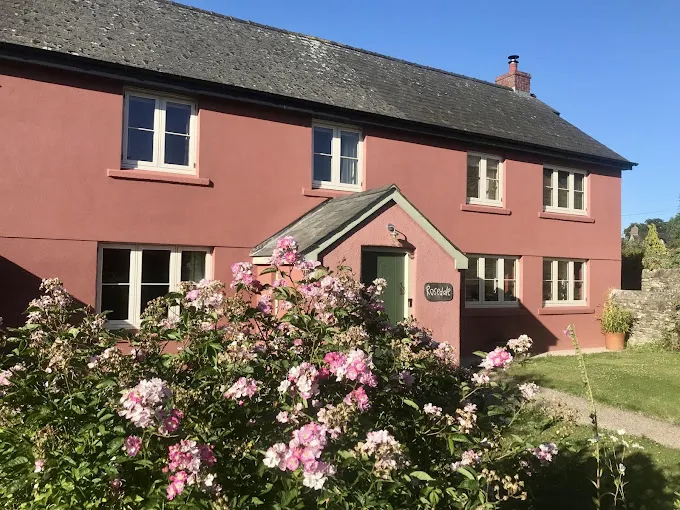
Cardiff Rendering: Complete Guide to Render Systems

Cardiff rendering covers exterior wall render and internal plastering services for residential and commercial properties – learn which render system suits your property, what it costs, and how to choose a qualified contractor in South Wales.
Table of Contents
- What Is Cardiff Rendering?
- Render Systems Explained
- Cardiff Rendering Costs and Budgeting
- Choosing the Right Rendering Contractor
- Frequently Asked Questions
- Render System Comparison
- Coloured Rendering South Wales
- Practical Tips for Your Rendering Project
- The Bottom Line
- Sources and Citations
Article Snapshot
Cardiff rendering is the application of protective and decorative coatings to external walls of properties throughout the Cardiff area and wider South Wales region. Suitable systems include silicone, monocouche, and cement renders, each offering different performance levels, aesthetics, and maintenance requirements for Welsh weather conditions.
Cardiff Rendering in Context
- Rendering costs in Cardiff range from £30 to £60 per square metre depending on system and substrate (House Rendering Cardiff, 2025)[1]
- Wall plastering services in Cardiff start from £150 per job (PRD Cardiff, 2025)[2]
- Full property refurbishment services in Cardiff start from £29,500 (PRD Cardiff, 2025)[2]
- Leading Cardiff rendering specialists report over 25 years of experience in external wall render and plastering (Cardiff Rendering Services, 2025)[3]
What Is Cardiff Rendering and Why Does It Matter?
Cardiff rendering refers to the professional application of protective render coatings to the external walls of properties in Cardiff and the surrounding South Wales region, serving both functional and aesthetic purposes. Without a sound external render, walls are exposed to wind-driven rain, freeze-thaw cycles, and the salt-laden coastal air that characterises much of the South Wales climate – leading to water ingress, damp, structural degradation, and significant repair bills. Coloured Rendering South Wales has been delivering specialist rendering and plastering solutions across South Wales since 1998, giving property owners in Cardiff and beyond access to expert advice on the most appropriate systems for their specific buildings.
The importance of quality external wall render is especially pronounced in South Wales. Cardiff properties face some of the highest annual rainfall totals in the UK, and properties closer to the Bristol Channel experience additional exposure to coastal moisture and salt air. A correctly specified and professionally applied render acts as the first line of defence, shedding water from the wall surface before it penetrates the substrate. Beyond protection, a fresh render transforms the appearance of a property, improving kerb appeal and market value in a competitive housing market like Cardiff’s.
External rendering is relevant across a wide range of property types throughout the city. Victorian and Edwardian terraces in areas such as Roath and Canton benefit from modern replacement renders that outperform the ageing lime or cement coatings they were built with. Newer semi-detached and detached homes in suburbs like Pontprennau or Lisvane increasingly use through-coloured render systems as a design choice. Commercial premises across Cardiff Bay and the city centre use rendering to refresh dated concrete and blockwork facades. Each scenario calls for a different render specification, which is why understanding the available systems is the essential first step for any property owner.
Call Us
A professional rendering contractor will assess the existing wall construction – whether solid brick, cavity block, or concrete panel – before recommending a system. The substrate dictates the correct primer, basecoat, and finish combination. Applying an incompatible render is one of the most common causes of premature render failure, particularly on older Cardiff properties where the original wall construction is not obvious from the outside.
Render Systems Explained: Silicone, Monocouche, and Cement
The three principal render systems used in Cardiff rendering projects are thin coat silicone render, monocouche through-colour render, and one-coat cement render, each with distinct performance characteristics suited to different property types and owner priorities.
Thin Coat Silicone Render
Thin coat silicone render is the premium option for external wall finishing and the system most frequently recommended for exposed or coastal-adjacent properties. The silicone polymer binder gives the cured render a high degree of flexibility, allowing it to accommodate minor structural movement without cracking – a critical advantage in older properties where seasonal thermal expansion is common. The render is simultaneously waterproof and vapour-permeable, meaning it repels liquid water from outside while allowing moisture trapped within the wall to escape as vapour. This breathability is particularly important in solid-walled Victorian terraces where moisture management is a constant challenge.
Silicone render is factory-coloured, so the chosen shade runs through the full depth of the coating rather than existing only as a surface paint layer. Self-cleaning titanium dioxide additives in premium silicone products cause rainwater to sheet off the surface rather than penetrate, carrying dirt with it and keeping the facade looking fresh between deep cleans. Applied at thicknesses of just 1.5-3 mm using professional spray equipment, silicone render adds negligible weight or depth to the wall – an important consideration when working around existing window reveals, door frames, or architectural details. As a facade render and finish system, silicone options represent the current industry benchmark for longevity and weather resistance.
Monocouche Through-Colour Render
Monocouche render is a cement-based, single-coat system in which colour pigments are blended into the render mix at manufacture. The term comes from the French for “single layer,” accurately describing its application method: one coat is applied directly to the primed substrate, combining the functions of a basecoat and a decorative finish. Because the colour runs through the entire thickness of the material, minor surface scuffs or shallow weathering do not expose a different-coloured substrate beneath, and the render requires no painting at any point in its life cycle.
Monocouche is particularly popular with property developers completing new-build estates in Cardiff because it provides a consistent, professional appearance across multiple units without the ongoing maintenance cost of painted finishes. It is available in a range of textures from fine scraped to roughcast, allowing specification to match local planning requirements or architectural context. The system is compatible with most standard substrates and is applied by spray or by hand, making it versatile across varying project scales and site constraints.
One-Coat Cement Render
One-coat cement render is the most cost-accessible of the three principal systems and the appropriate choice where a painted finish is acceptable or preferred. The render provides a strong, weather-resistant base coat in a single application, which is then decorated with an exterior masonry paint in any chosen colour. Because the paint layer is the decorative element, property owners retain the flexibility to change colour at any future repainting cycle – an advantage for those who wish to update the property’s appearance without a full re-render. The system suits properties where budget is the primary constraint, provided the ongoing cost of periodic repainting is factored into the total life-cycle cost assessment.
Cardiff Rendering Costs and Budgeting
Cardiff rendering costs vary according to the render system selected, the size and complexity of the property, the condition of the existing substrate, and the accessibility requirements of the site.
Current market data shows that rendering in Cardiff ranges from £30 to £60 per square metre (House Rendering Cardiff, 2025)[1]. The lower end of this range reflects one-coat cement render on straightforward, accessible substrates in good condition. The upper end reflects premium silicone thin coat systems, properties requiring significant preparation work such as hack-off and re-key of failed existing render, or sites with limited scaffold access. For context, wall plastering services in Cardiff start from £150 per job (PRD Cardiff, 2025)[2], while full property refurbishment services begin at £29,500 (PRD Cardiff, 2025)[2].
As a homeowner in Cardiff, Anne Horne described the results of a professional rendering project: “The transformation was incredible, and the quality of the render is amazing. The team was professional, efficient, and paid great attention to detail. Our house looks brand new and we’ve received so many compliments from neighbors.” – Anne Horne, Homeowner, South Glamorgan (House Rendering Cardiff, 2025)[1]
Factors That Affect Render Costs in Cardiff
Substrate preparation is the most significant variable in any rendering quotation. Properties with existing failed render must have the old coat fully removed before new material is applied – a labour-intensive process that adds materially to the project cost but is non-negotiable for a durable result. Walls showing signs of damp, mould, or efflorescence require treatment before rendering, and this work should be costed into the project from the outset rather than discovered mid-project.
Scaffold requirements are the second major cost variable. A straightforward two-storey semi-detached house in Cardiff will require standard scaffold that is erected and struck within a predictable timeframe. Taller properties, those with complex rooflines, or sites on narrow terraced streets with restricted access require specialist scaffold solutions, adding to both time and cost. Requesting a detailed quotation that explicitly itemises scaffold costs separately from render application costs allows for more accurate like-for-like comparison between contractors.
External Wall Insulation systems sit above the standard rendering cost range because they include the cost of insulation boards, mechanical fixings, reinforcing mesh, and a render finish as a complete system. The energy savings achieved through improved thermal performance reduce the overall cost when viewed over a 10-20-year horizon, particularly for Cardiff properties with solid walls and poor EPC ratings.
Choosing the Right Cardiff Rendering Contractor
Selecting the right contractor for a Cardiff rendering project determines both the quality of the finished result and the longevity of the render system over the years ahead.
The most reliable indicator of a contractor’s quality is a verifiable track record of completed local projects. Google reviews linked to a named business profile, with photographs of completed work and named reviewers, provide independent evidence of performance that a company’s own marketing cannot replicate. A contractor with a consistent 5-star rating across a substantial number of reviews – covering a range of property types, render systems, and project scales – provides far stronger evidence than any number of unverified testimonials.
Certification matters particularly for External Wall Insulation projects. Reputable EWI system manufacturers such as Baumit operate approved installer schemes that require contractors to complete accredited training and demonstrate competency before they are permitted to install the manufacturer’s system with a backed warranty. A Baumit Approved EWI Applicator with UK Building Regulations compliance holds credentials that protect the property owner’s investment with documented, manufacturer-supported guarantees of up to 25 years.
Local knowledge is a genuinely differentiating factor in South Wales, where the climate varies considerably between inland Cardiff suburbs and coastal areas along the Vale of Glamorgan. A contractor who understands how salt air affects render adhesion, how high annual rainfall demands a truly waterproof yet breathable system, and how the substrate characteristics of Welsh stone and brick construction differ from standard blockwork will specify correctly from the outset. This expertise prevents the costly mistake of applying a system designed for drier inland conditions to a property that demands coastal-grade specification.
When gathering quotations, request a written scope of work that specifies the render system by product name and manufacturer, the application method, the number of coats, the preparation work included, the scaffold arrangement, and the warranty provided. A contractor who cannot or will not provide this level of detail before commencing work is one who should be removed from consideration regardless of the headline price offered.
Your Most Common Questions
How long does Cardiff rendering last before it needs replacing?
The lifespan of external rendering in Cardiff depends heavily on the system used, the quality of application, and the exposure of the property. Traditional cement render applied in the standard two- or three-coat system lasts 20-30 years when correctly specified and applied to a sound substrate, though it requires periodic repainting to maintain appearance and water resistance. Monocouche through-colour render, being factory-pigmented and weather-resistant without a paint layer, performs well for 25 years or more with minimal maintenance. Thin coat silicone render, when applied by a certified applicator using a quality system such as Baumit StarTop, is supported by manufacturer warranties of up to 25 years and is designed to remain crack-free and self-cleaning throughout that period. The most common cause of premature render failure in Cardiff properties is not material degradation but poor preparation – particularly failure to fully remove failed substrate or incompatible existing render before the new system is applied. A thorough professional assessment of the wall condition before any rendering work begins is the single most important factor in maximising render lifespan.
Can Cardiff rendering be carried out in winter?
Rendering in Cardiff during winter months is possible but requires careful management of temperature and weather conditions. Most render systems, including silicone and monocouche products, specify a minimum application temperature of 5°C and require that temperatures remain above freezing throughout the curing period – typically 24-48 hours after application. South Wales winters regularly produce temperatures close to this threshold, and frost during the curing window causes the render to fail by disrupting the chemical hydration or polymer curing process. Professional rendering contractors in Cardiff plan winter projects around weather forecasts and use temporary enclosures, heated scaffold sheeting, or frost-protection admixtures to extend the viable application window. Rainfall is the other principal constraint. Render applied immediately before a heavy rain event is washed or disturbed before it has achieved initial set. Experienced local contractors understand the South Wales weather patterns and schedule accordingly. If your project is time-sensitive, discussing the contingency approach with your contractor before work commences helps to set realistic expectations about potential delays during the wettest months of the year, which run from October through February in South Wales.
Does rendering a Cardiff property require planning permission?
In most cases, applying render to the external walls of a Cardiff property falls within permitted development rights and does not require a formal planning application. However, there are important exceptions that property owners should check before proceeding. Properties located within a Conservation Area – of which Cardiff has several, including areas of Pontcanna, Canton, and the City Centre – require conservation area consent for any works that materially alter the external appearance, including changes to render finish or colour. Listed Buildings require listed building consent for any works affecting their character, which would include rendering previously unrendered walls or changing the render specification on an already-rendered listed building. Cardiff Council’s planning portal provides Conservation Area maps, and the planning department confirms whether a specific address falls within a protected area. Properties forming part of a housing estate subject to an Article 4 Direction have restricted permitted development rights affecting external alterations. When in doubt, submitting a pre-application enquiry to Cardiff Council costs little and provides written confirmation of whether consent is required, protecting the property owner from the risk of enforcement action after works have been completed.
What is the difference between spray rendering and hand rendering in Cardiff?
Spray rendering and hand rendering are two application methods for the same materials, each with distinct practical advantages. Hand rendering uses trowels and floats to apply render manually to the wall surface – a skilled and time-consuming process that relies heavily on the individual plasterer’s technique for consistency of thickness and finish. Spray rendering uses professional pump equipment to project render material onto the wall surface at controlled pressure, achieving consistent coverage across large areas far more rapidly than hand application. For property owners in Cardiff, the practical difference is primarily speed and consistency. A standard semi-detached house that takes four to five days to render by hand is completed in two days using spray application – reducing scaffold hire costs, labour time, and disruption to occupants. Spray application also produces a more uniform finish, as the mechanical delivery of material is inherently more consistent than individual hand strokes. Both methods produce renders of equivalent durability when the same material is used, and both require equally thorough substrate preparation before application. The choice of method is made by the contractor based on site access, project scale, and the specific finish required by the client.
Render System Comparison
Selecting the right render system for a Cardiff property involves balancing initial cost, maintenance requirements, lifespan, and suitability for the local climate. The table below compares the four principal options available from Cardiff rendering contractors.
| Render System | Typical Cost (per m²) | Maintenance | Lifespan | Best For |
|---|---|---|---|---|
| Thin Coat Silicone Render | Upper range of £30-£60[1] | Very low – self-cleaning, no repainting | 25 years+ | Coastal/exposed properties, premium finish |
| Monocouche Through-Colour Render | Mid-range of £30-£60[1] | Low – through-colour, no painting required | 25 years+ | New builds, developer projects, low maintenance |
| One-Coat Cement Render | Lower range of £30-£60[1] | Moderate – requires periodic repainting | 20-30 years | Budget-conscious projects, painted finish preferred |
| External Wall Insulation System | Above standard range | Low – render finish with insulation benefits | 25 years+ | Solid wall properties, EPC improvement |
Coloured Rendering South Wales: Cardiff Rendering Specialists
Coloured Rendering South Wales has delivered professional rendering and plastering services across South Wales since 1998, bringing over 25 years of hands-on experience to every project in Cardiff and the surrounding region. Based in Swansea, the team serves the full South Wales geography including Cardiff, Newport, Bridgend, and the Vale of Glamorgan, with a deep understanding of the specific challenges that Welsh weather and local building construction present to external render systems.
The company’s core Cardiff rendering services cover thin coat silicone render, monocouche through-colour render, one-coat cement render, and full External Wall Insulation systems – providing a complete solution from initial substrate assessment through to finished, weather-ready walls. As a Baumit Approved EWI Applicator with City and Guilds Assured accreditation, the team is certified to install Baumit StarTop premium silicone render and full EWI systems with manufacturer-backed warranties of up to 25 years, giving Cardiff property owners documented long-term protection. Professional spray rendering equipment allows the team to complete projects two to three times faster than traditional hand application, reducing scaffold hire periods and minimising disruption to occupants.
The company holds a perfect 5.0 Google rating across a substantial portfolio of verified reviews from named clients across South Wales. “Excellent finish. Geoff worked in my house, both an outside render and throughout the house. Couldn’t be happier with the finish and completely reliable. Would recommend this company 100%. Maybe not the cheapest quote I had but worth every penny.” – David Lamb, Google Review. “With over 15 years in the building trade I have experienced several different plasterers all offering different styles and finishes. Geoff’s thin coat spray finish render would rival the best and I can’t recommend his team enough to someone thinking of using him.” – Keri Hopkins, Google Review
For Cardiff property owners considering rendering or EWI, the starting point is a free consultation and site assessment. Visit the home page of Coloured Rendering South Wales – expert spray rendering and external wall insulation services across South Wales, explore EWI Specialists South Wales – expert external wall insulation installations for energy efficiency, or contact Coloured Rendering South Wales for a free quote or consultation on your rendering project. Call directly on 07815 868070 or email geoff@colouredrenderingsouthwales.com.
Practical Tips for a Successful Cardiff Rendering Project
Preparing your property and your expectations before rendering work begins makes a significant difference to the outcome. These practical steps help Cardiff property owners get the most from their rendering investment.
Assess the existing render condition honestly. Before requesting quotations, walk around your property and look for cracks wider than a hairline, areas where the render sounds hollow when tapped, staining from water ingress, or moss and algae growth indicating retained moisture. Each of these signs suggests preparation work will be needed before new render is applied. Understanding this upfront allows you to budget accurately and evaluate whether a quotation that appears unusually low has properly accounted for preparation costs.
Match the render system to the property’s exposure. Cardiff properties close to the Bristol Channel – including those in Penarth, Cardiff Bay, and the western suburbs – experience significantly greater salt air and wind-driven moisture than properties in sheltered inland areas. A silicone render system rated for coastal exposure is the appropriate specification for these locations, even though it costs more than a standard cement render. Fitting the wrong system to save money on the initial contract results in premature failure within five to ten years, requiring full removal and replacement at greater cost than specifying correctly from the start.
Verify insurance and warranties before signing. A reputable Cardiff rendering contractor will carry public liability insurance appropriate to the value and nature of the work, and will provide written warranty documentation for both the labour and the materials used. For EWI systems, insist on the manufacturer’s system warranty rather than a contractor-only guarantee – manufacturer warranties remain valid even if the contractor ceases trading. Check that the warranty document names your property specifically and defines the remedial actions covered.
Plan for access and neighbours. Scaffold erection and rendering work generates noise, dust, and occasional over-spray. Notify neighbours before work begins, particularly in terraced streets where scaffold requires crossing shared boundaries. Professional contractors will take precautions to protect neighbouring property from over-spray during application, but it is reasonable to confirm this in writing as part of the contract documentation before work commences.
Consider the full life-cycle cost. A monocouche or silicone render system that costs more upfront but requires no repainting for 25 years will almost certainly be less expensive in total than a painted cement render that requires repainting every five to seven years. Factor in scaffold hire for each repainting cycle, paint material costs, and labour when comparing system options – the premium product delivers better value over the full ownership period.
The Bottom Line
Cardiff rendering is a significant investment in your property’s protection, appearance, and long-term value. Choosing the right system – whether thin coat silicone, monocouche, or cement render – depends on your property’s exposure, substrate condition, maintenance priorities, and budget. Getting the specification right from the outset, and having it applied by a certified, experienced contractor with a verifiable local track record, is what separates a render that performs for 25 years from one that fails within five.
Coloured Rendering South Wales brings over 25 years of specialist rendering experience to Cardiff and the wider South Wales region, with Baumit Approved EWI Applicator certification, professional spray rendering technology, and a perfect 5.0 Google rating. To discuss your Cardiff rendering project, call 07815 868070, email geoff@colouredrenderingsouthwales.com, or use the contact form for a free quote or consultation – and take the first step towards a properly protected, professionally finished property.
Sources & Citations
- House Rendering in Cardiff | Exterior Wall Render. House Rendering Cardiff.
https://house-rendering.uk/near-me/cardiff/ - Plastering, Rendering & House Refurbishment Cardiff – PRD. PRD Cardiff.
https://prd-cardiff.co.uk - Cardiff Rendering Services. Cardiff Rendering Services.
http://cardiffrenderingservices.co.uk - Choose The Perfect Facade, Renders & Paints. Baumit.
https://baumit.co.uk/guides/facade-renders-and-paints - UK Building Regulations – Approved Documents. GOV.UK.
https://www.gov.uk/guidance/approved-documents
