
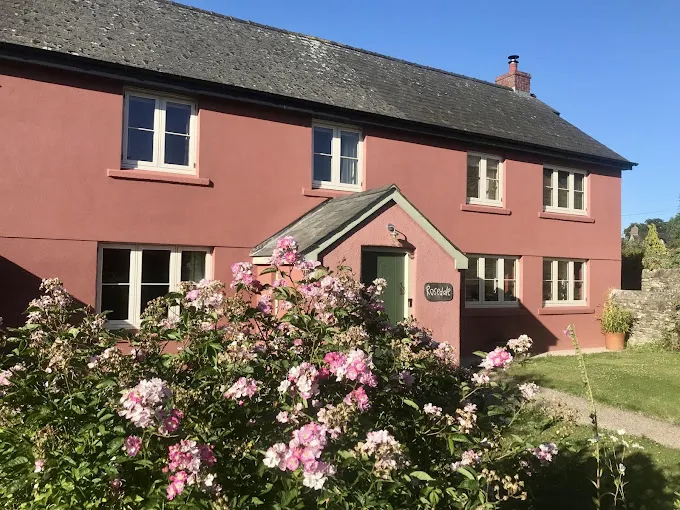
Expert Weather Coating Installer in Swansea

A weather coating installer in Swansea applies specialist protective render systems to external walls, shielding properties from rain, wind, and coastal salt air – this guide covers system types, costs, and how to choose the right contractor.
Table of Contents
- What Is a Weather Coating Installer?
- Weather Coating Systems Explained
- Choosing the Right Weather Coating for Swansea
- The Installation Process Step by Step
- Frequently Asked Questions
- Comparing Weather Coating Systems
- About Coloured Rendering South Wales
- Practical Tips for Property Owners
- Final Thoughts
Article Snapshot
A weather coating installer in Swansea is a specialist contractor who applies protective render or coating systems to external walls to prevent water ingress, damp, and structural deterioration. The right system depends on wall type, exposure level, and whether thermal improvement is also required.
What Is a Weather Coating Installer in Swansea?
A weather coating installer in Swansea is a trade specialist who supplies and applies protective render systems designed to resist the wind-driven rain, coastal salt air, and persistent damp that characterise South Wales weather. These contractors work across residential and commercial properties, applying systems that range from traditional cement render to modern thin coat silicone finishes and full external wall insulation packages. Coloured Rendering South Wales has been delivering these services across the Swansea area since 1998, combining over 25 years of local experience with professional spray application technology.
The term weather coating covers a broad category of external wall treatments. At its most basic, it refers to any applied finish that creates a barrier between a masonry wall and the elements. In practice, Swansea installers work with several distinct product families, each with different performance characteristics, costs, and visual outcomes. Understanding the differences helps property owners select the most appropriate system for their building type, budget, and location.
Weather coating work in the Swansea area is particularly important because of the region’s exposure profile. Properties along the Gower Peninsula, in Mumbles, and across the city face some of the highest driving rain indices recorded in the UK. Solid stone or brick walls without an adequate external coating are vulnerable to water penetration, frost damage, and the gradual erosion of mortar joints. For properties built before cavity wall construction became standard, an external weather coating is often the only practical solution for achieving adequate weather resistance without internal disruption.
Call Us
A qualified weather coating installer assesses the wall substrate before specifying any system. This includes checking for existing render adhesion, identifying hollow or delaminated patches, testing moisture content, and confirming compatibility between the proposed coating and the underlying masonry. Skipping this diagnostic step is a common cause of premature coating failure and should be treated as a warning sign when evaluating any contractor’s approach.
Weather Coating Systems Explained
External weather coating systems for Swansea properties fall into four main categories, each suited to different buildings, budgets, and performance requirements.
Thin Coat Silicone Render
Thin coat silicone render is the most widely specified modern weather coating for residential properties in South Wales. Applied at two to three millimetres thick over a reinforced basecoat, the silicone finish layer is both waterproof and vapour-permeable. Water cannot penetrate inward, but moisture already present in the wall escapes outward – a critical property for older masonry buildings where trapping moisture would cause damage. Silicone renders carry hydrophobic properties that cause rain to bead off the surface rather than absorb, and many formulations include self-cleaning agents that prevent algae and mould growth even in the damp Swansea climate.
This system is available in a wide colour palette without the need for periodic repainting. The pigment is integral to the render, meaning colour stability is maintained for decades rather than years. For coastal properties from Mumbles to the Gower, the flexibility of silicone binders also resists the micro-cracking that brittle cement coatings develop under thermal movement and salt spray cycling. Baumit StarTop, installed by our team as a certified Baumit Approved EWI Applicator with City and Guilds Assured accreditation, is one example of a premium silicone system that carries manufacturer-backed warranties of up to 25 years.
Monocouche Through Colour Render
Monocouche render is a single-coat, pre-coloured cement-based system that combines the basecoat and finish coat in one application. The through-colour formulation means the pigment runs throughout the full depth of the material, so surface chips or scratches do not reveal a different-coloured substrate beneath. This makes monocouche particularly durable for high-traffic areas or properties where abrasion is a concern. Spray application allows consistent thickness across large wall areas and is significantly faster than hand application – a key consideration on multi-property housing developments in Cardiff and Newport where programme schedules are tight.
One Coat Cement Render
Traditional one coat cement render remains cost-effective for properties where a painted finish is acceptable or preferred. Applied by spray for consistent coverage, this system provides solid weather protection and is finished in any colour through conventional masonry paint. The cement binder is less flexible than silicone alternatives and requires crack monitoring over time, but for properties not directly exposed to coastal conditions it offers a proven, straightforward solution. It is particularly suitable for renovation projects where budget constraints are a primary consideration.
External Wall Insulation Systems
External wall insulation combines weather protection with thermal upgrading in a single installation. Insulation boards are mechanically fixed to the wall, a reinforcing mesh is applied, and a render or coating finish is applied over the top. For South Wales properties with solid walls – a common construction type in Swansea’s Victorian and Edwardian terraces – EWI is the most effective route to improving Energy Performance Certificate ratings while simultaneously protecting the building envelope. Our EWI Specialists South Wales service covers the full installation process from insulation board through to the chosen render finish.
Choosing the Right Weather Coating for Swansea
Selecting the correct weather coating system for a Swansea property requires matching the product to the building’s construction, its exposure to driving rain, and the owner’s maintenance expectations over the coming decades.
Assessing Your Property’s Exposure Level
Swansea’s position on the Bristol Channel and its proximity to the Atlantic means that many properties experience severe driving rain exposure – particularly those on elevated ground, facing south-west, or within a kilometre of the coast. The UK Building Regulations Approved Documents provide guidance on exposure zones, and Swansea falls within one of the higher-exposure classifications in England and Wales. Properties at Langland Bay, West Cross, or on the upper slopes above the city centre warrant the strongest coating systems available, with silicone or silicone-modified renders preferred over plain cement finishes.
Conversely, properties in sheltered urban locations, rear elevations, or low-rise buildings surrounded by other structures perform adequately with less expensive cement-based systems. A professional weather coating installer will assess exposure conditions as part of the site survey before recommending a specification.
Wall Substrate and Construction Type
The wall substrate drives compatibility decisions. Modern cavity wall construction – concrete blockwork or brick – has a smooth, stable surface that accepts most coating types without specialist preparation. Older solid stone or rubble-filled walls common in Swansea’s older housing stock are more irregular and porous, benefiting from the superior adhesion and flexibility of silicone-based systems. Listed buildings or properties within conservation areas require planning guidance on acceptable external finishes before work begins.
Thermal Performance Goals
If reducing energy bills is a priority alongside weather protection, EWI is worth serious consideration. The BRE Group reports that solid wall insulation reduces heat loss through walls by up to 45%, making a measurable difference to heating costs in older South Wales properties. EWI also qualifies under certain government energy efficiency schemes, potentially reducing the upfront cost to eligible homeowners.
Colour and Aesthetic Requirements
Modern coloured render systems give property owners considerable creative flexibility. Through-coloured systems such as monocouche and silicone renders are available in hundreds of standard shades, and bespoke colours are matched to order. For properties where kerb appeal and resale value are important considerations, the choice of colour and texture is worth discussing with your installer before finalising the specification. Our Coloured Rendering Swansea page provides detail on the colour and finish options available for Swansea properties.
The Installation Process Step by Step
Understanding the installation sequence helps property owners set realistic expectations for project duration, disruption, and the preparation work required before a weather coating installer arrives on site.
Initial Survey and Specification
Every sound installation begins with a detailed survey of the existing wall condition. The installer checks for loose or hollow render, active cracks, moisture content, and the presence of organic growth such as moss or algae. Any existing coatings that are not fully adhered must be removed before new systems are applied – applying a fresh render over a failing substrate will not resolve the underlying problem and will lead to repeat failure. The survey informs the written specification, which should identify the products to be used, the application sequence, and the preparation work required.
Surface Preparation
Preparation is the most important stage of any render installation and accounts for a significant proportion of the total project time. Hollow patches are cut out and made good with compatible repair mortar. Cracks are routed and filled. Biological growth is treated with appropriate biocide wash and allowed to dwell before being rinsed off. Any movement joints in the existing structure must be reflected through the new coating to prevent stress concentration. Adequate preparation before spray rendering application is directly correlated with the longevity of the finished system.
Spray Application
Professional spray rendering uses purpose-built pump equipment to apply render material at consistent pressure and volume. Compared with hand application, spray rendering delivers more uniform thickness across the wall surface, reduces the risk of cold joints between applied sections, and completes coverage significantly faster. A typical semi-detached house has its external walls spray rendered in one to two days, compared to three to five days for hand application on the same property. This speed advantage benefits both residential homeowners and developers managing programme schedules across multiple plots.
Finishing and Curing
Depending on the system specified, the applied render requires tooling or texturing while still plastic, or it is left to cure before a separate finish coat is applied. Silicone render topcoats require careful application in appropriate weather conditions – direct sunlight, frost, or heavy rain during application compromises adhesion and finish quality. Curing times vary by product and ambient temperature; most manufacturers specify a minimum period before the finished surface is painted or before scaffolding is struck. Post-installation, the installer should advise on maintenance requirements and any warranty registration procedures. For rendering repairs across South Wales, prompt action when early defects appear significantly extends the service life of any coating system.
Your Most Common Questions
How long does a weather coating last on a Swansea property?
The service life of a weather coating depends on the system type, the quality of installation, and the exposure conditions the property faces. Traditional cement renders applied by hand to an unprepared substrate develop cracking within five to ten years in exposed coastal locations. Modern thin coat silicone render systems, when correctly installed over a properly reinforced basecoat, carry manufacturer warranties of between ten and twenty-five years and routinely exceed those periods in practice. Monocouche through colour renders similarly offer a lifespan of twenty or more years with minimal maintenance. The single biggest determinant of longevity is the quality of surface preparation and substrate condition at the time of installation – a well-prepared, correctly specified system applied to a sound wall will consistently outperform a premium product applied to a poorly prepared substrate. For Swansea properties exposed to coastal salt air and high rainfall, choosing a silicone or polymer-modified system over plain cement render is the most reliable way to maximise service life and reduce the frequency of remedial work.
What is the difference between a weather coating and standard external render?
The terms are often used interchangeably, but there is a meaningful distinction. Standard external render – a sand and cement mix – provides a substrate for paint and some degree of weather resistance, but it is not inherently waterproof and relies on regular repainting to maintain its protective function. A weather coating, by contrast, is specifically formulated to resist water penetration without additional paint, incorporating hydrophobic silicone, acrylic, or polymer additives that cause water to bead off the surface. Modern weather coatings are also vapour-permeable, allowing moisture vapour to escape outward so that walls breathe and dry naturally. This breathability property is especially important for older solid masonry properties in Swansea, where trapping moisture within the wall structure causes frost spalling, salt crystallisation damage, and accelerated mortar decay. A certified weather coating installer specifies products based on the required balance of waterproofing, breathability, flexibility, and aesthetic finish rather than defaulting to a single standard cement mix for every application.
Can a weather coating be applied over existing render?
In some circumstances, yes – but only where the existing render is sound, fully adhered, and compatible with the proposed new system. The installer must carry out a tap test across the entire wall to identify hollow or delaminated areas before making this determination. Where hollow patches are found, those sections must be cut out and replaced with compatible repair mortar before any overlay is applied. Applying a new coating over loose or hollow render is a common cause of system failure and will not produce a durable result regardless of the quality of the new product. For properties where the existing render is sound but showing surface degradation, a thin coat silicone topcoat applied over a primed surface is a cost-effective route to improved weather performance and a fresh appearance. Where the existing render is extensively cracked, hollow, or contaminated with biological growth, full removal and re-rendering is the correct approach even though it carries a higher upfront cost. A professional survey will determine which route is appropriate for your specific property.
How much does a weather coating installer in Swansea charge?
Pricing for weather coating installation in Swansea varies considerably based on the system specified, the size and accessibility of the property, the condition of the existing substrate, and whether scaffolding is required. As a general guide, one coat cement render is the most affordable option, followed by monocouche through colour render, with thin coat silicone render systems sitting at a higher price point reflecting the material cost and the performance benefits they deliver. External wall insulation systems represent the highest investment but deliver dual benefits of weather protection and thermal upgrading that generate meaningful reductions in heating costs over time. Comparing quotes purely on price without confirming that the specification is equivalent is not advisable – a lower price often reflects fewer coats, cheaper materials, or reduced preparation work rather than a genuine efficiency saving. Obtain itemised written quotations from each contractor, confirm the specific products to be used, and check that preparation work is included in the scope. Any reputable weather coating installer will provide a detailed written quote without charge as a starting point for the conversation.
Comparing Weather Coating Systems for Swansea Properties
Selecting between the main weather coating systems requires weighing performance, maintenance commitment, upfront cost, and suitability for the building type. The table below summarises the key differences to help property owners and specifiers make an informed decision.
| System | Weather Resistance | Maintenance Requirements | Expected Lifespan | Best Suited To |
|---|---|---|---|---|
| Thin Coat Silicone Render | Excellent – hydrophobic and vapour-permeable | Very low – self-cleaning properties, no repainting | 20-25+ years | Coastal and exposed properties, older solid walls |
| Monocouche Through Colour Render | Good – cement-based with water-repellent additives | Low – no painting required | 20+ years | New builds, housing developments, traditional finishes |
| One Coat Cement Render | Moderate – requires masonry paint to maximise performance | Medium – periodic repainting every 5-10 years | 15-20 years with maintenance | Sheltered properties, budget renovations |
| External Wall Insulation with Render Finish | Excellent – full system with reinforced render over insulation | Very low – modern render finish, no repainting | 25+ years | Solid wall properties, properties requiring EPC improvement |
About Coloured Rendering South Wales
Coloured Rendering South Wales has operated as a specialist weather coating installer and rendering contractor from Swansea since 1998. With over 25 years of continuous experience across residential, commercial, and development projects throughout South Wales, the team brings genuine local knowledge to every specification decision – including an understanding of coastal exposure, Welsh rainfall patterns, and the building types common to Swansea, Cardiff, Newport, and the surrounding areas.
The company holds Baumit Approved EWI Applicator status with City and Guilds Assured accreditation, which authorises installation of the Baumit StarTop premium silicone render system and full external wall insulation packages, complete with manufacturer-backed warranties of up to 25 years. This certification gives property owners documented long-term protection that unaccredited rendering work cannot provide. Professional spray rendering equipment is used throughout, delivering faster project completion and more consistent coverage than traditional hand application – a benefit that is particularly valued by property developers managing tight construction programmes.
The company carries a perfect 5.0 Google rating across a substantial number of independent reviews, reflecting the consistent quality of workmanship and customer experience on every project. As one client described it: “With over 15 years in the building trade I have experienced several different plasterers all offering different styles and finishes. Geoff’s thin coat spray finish render would rival the best and I can’t recommend his team enough to someone thinking of using him. His professionalism and work ethic has stood out from many of the others we have worked with.” – Keri Hopkins, Google Review
“We’re 100% happy and wouldn’t hesitate to recommend Jeff. His workmanship is excellent and we’re also very happy with the product he recommended to eradicate the penetrating damp and give our house a great new look and lease of life.” – Alistair Legge, Google Review
Services span the full range of exterior coating and plastering work: thin coat silicone render, monocouche through colour render, one coat cement render, external wall insulation, rendering repairs, and internal plastering. Visit the home page of Coloured Rendering South Wales to learn more about the full service range, or call Geoff directly on 07815 868070 to discuss your property. You can also contact Coloured Rendering South Wales for a free quote or consultation on your rendering project.
Practical Tips for Property Owners
Getting the best outcome from a weather coating installation – and protecting that investment over the long term – comes down to a handful of straightforward practices that every property owner can follow.
Commission a professional survey before accepting any quotation. An experienced weather coating installer will inspect the existing wall condition, check for hollow render or active damp, and identify any preparation work required before pricing a job. Be cautious of contractors who quote from photographs or without visiting the property in person.
Confirm the product specification in writing. Request that any quotation identifies the specific render products to be applied by brand and product name, the number of coats, the approximate dry film thickness, and what surface preparation is included. This allows you to compare quotations accurately and ensures there is no ambiguity about what has been agreed once work begins.
Check accreditations and warranties. For silicone render and EWI systems in particular, the manufacturer’s warranty is conditional on the installer holding an approved applicator certification. Confirm that your chosen contractor is accredited before signing a contract, and register the warranty with the manufacturer upon project completion.
Address minor defects promptly. Small cracks or areas of hollow render identified during routine inspection should be repaired before they allow water ingress to compromise the full system. Early intervention is considerably less expensive than a full replacement and restores full performance when carried out with compatible materials. The experienced team at Coloured Rendering South Wales can advise on whether a repair or full replacement is the appropriate response for any defect.
Consider the timing of installation. Render application in frost conditions or during periods of heavy rainfall is problematic for most systems. Spring and summer installations allow longer curing windows and reduce the risk of weather-related defects during the critical early curing period. Plan the project accordingly and allow contingency for weather delays in the programme.
Keep drainage details maintained. Even the best weather coating will be undermined by water cascading from a blocked gutter or downpipe directly onto the wall surface. Ensure gutters, downpipes, and flashings are in good repair before the new coating is installed and inspect them annually thereafter.
Final Thoughts on Weather Coating Installer in Swansea
Appointing the right weather coating installer in Swansea is one of the most impactful decisions a property owner can make for the long-term protection and appearance of their building. The combination of South Wales coastal exposure, high annual rainfall, and the prevalence of older solid masonry construction means that the specification choice – and the quality of installation – matters more here than in many other parts of the UK. Modern silicone and polymer-modified systems offer decades of low-maintenance weather protection when correctly installed by an experienced, accredited contractor.
If your property is showing signs of render failure, persistent damp, or simply needs a fresh and durable external finish, take the first step today. Call Geoff at Coloured Rendering South Wales on 07815 868070, email geoff@colouredrenderingsouthwales.com, or use the online contact form to arrange a free no-obligation survey and quotation.
Sources & Citations
- UK Building Regulations – Approved Documents. GOV.UK.
https://www.gov.uk/guidance/approved-documents - BRE Group – Building Research Establishment.
https://www.bre.co.uk/
