
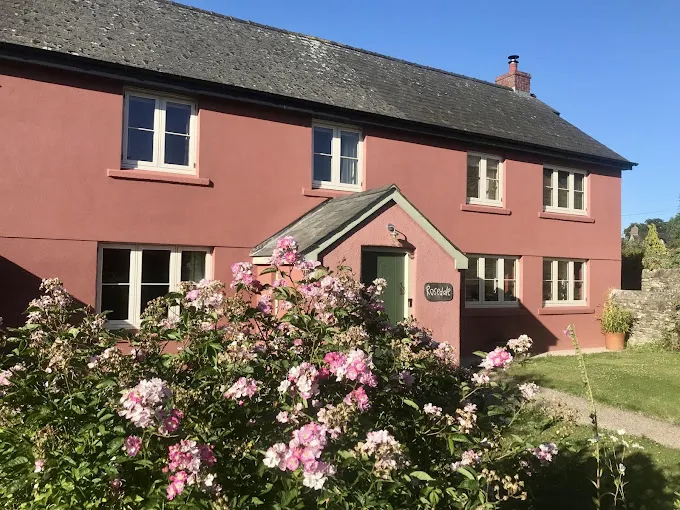
Expert Rendering Services South Wales Guide

Rendering services south wales cover everything from silicone thin coat systems to full external wall insulation – this guide explains your options, costs, and what to look for in a qualified contractor.
Table of Contents
- What Are Rendering Services in South Wales?
- Render Types and Systems Explained
- Rendering and Energy Efficiency
- Choosing the Right Rendering Contractor
- Frequently Asked Questions
- Comparing Render Systems
- Coloured Rendering South Wales
- Practical Tips for Your Rendering Project
- The Bottom Line
- Sources and Citations
Article Snapshot
Rendering services south wales is the application of protective and decorative coatings to exterior walls using systems such as silicone render, monocouche, or cement render. The right system depends on your property type, substrate, location, and maintenance goals – with modern spray-applied finishes offering faster installation and longer service life than traditional hand-applied render.
Rendering Services South Wales in Context
- External wall insulation with render saves an average of £455 per year on fuel bills for a gas-heated detached property (Energy Saving Trust, 2023)[1]
- Average annual CO₂ savings from EWI and rendering on a detached property reach 1,900 kg per year (Energy Saving Trust, 2023)[1]
- 6,876 heat pumps were installed in Wales in 2023, with the majority for domestic applications – increasing demand for well-insulated, rendered envelopes (Welsh Government, 2025)[2]
- An estimated 22,000 heat pumps were operating across Wales as of 2023, underlining growth in low-carbon retrofits that benefit from external rendered insulation systems (Welsh Government, 2025)[2]
What Are Rendering Services in South Wales?
Rendering services south wales describes the professional application of mortar, silicone, acrylic, or polymer-based coatings to the external walls of residential and commercial buildings. The primary purpose is to protect the underlying masonry from water ingress, salt air, wind-driven rain, and freeze-thaw damage – all of which are particularly relevant along the Welsh coastline and in areas such as Swansea, Mumbles, and the Gower Peninsula. A well-specified render system also transforms the visual character of a property, delivering a clean, contemporary finish that requires little ongoing maintenance.
Coloured Rendering South Wales has been providing professional rendering services across the region since 1998, combining traditional craftsmanship with modern spray application technology to deliver efficient, high-quality results for homeowners, developers, and commercial property owners alike.
External rendering is not a single product but a category of systems, each suited to different substrates, exposures, and budgets. Solid-walled Victorian terraces in Swansea require different specifications than a modern cavity-walled new build in Cardiff or a seafront property in Penarth exposed to persistent salt spray. Selecting the correct system at the outset prevents premature failure, reduces lifetime costs, and ensures the finish performs as expected in the specific microclimate of the property.
Call Us
South Wales receives some of the highest average annual rainfall in the UK, with coastal locations subject to additional salt-laden air that accelerates the degradation of poorly specified renders. Contractors with genuine local knowledge understand these demands and specify accordingly – this is why experience working specifically in the region matters far more than generic rendering competence.
Modern rendering services also encompass EWI Specialists South Wales – expert external wall insulation installations for energy efficiency, where insulation boards are fixed to the wall before the render system is applied over the top. This combined approach simultaneously improves thermal performance and updates the building’s appearance, making it particularly popular for pre-1919 solid-walled properties that cannot be insulated from the inside without significant disruption.
Render Types and Systems Explained
The three most commonly specified render systems for South Wales properties are thin coat silicone render, monocouche through-colour render, and one coat cement render – each offering a distinct combination of performance, aesthetics, and cost.
Thin Coat Silicone Render
Thin coat silicone render is a polymer-modified, factory-prepared finish coat applied at 1-3 mm thickness over a prepared basecoat or external wall insulation system. Silicone chemistry gives the product outstanding hydrophobicity – water beads on the surface rather than being absorbed – while the material remains fully vapour permeable, allowing moisture that enters the wall structure to escape outward. This breathability is important for older South Wales properties built with lime-based mortars, where trapping moisture behind an impermeable coating accelerates deterioration of the substrate.
The flexibility of silicone render makes it highly resistant to hairline cracking caused by thermal movement, which is a common failure mode in rigid cement-based finishes applied to buildings that expand and contract across the temperature range experienced in Wales. Silicone render is available in a wide palette of factory-matched colours that are UV stable, meaning the finish retains its appearance for many years without repainting. The Baumit guide to facade renders and paints outlines how silicone chemistry contributes to self-cleaning behaviour through the lotus effect, where rain washes surface contaminants away rather than allowing them to embed in the finish.
Spray application of silicone render delivers a consistent texture and thickness across the entire facade in a single pass, reducing the risk of variations in finish that occur with hand trowelling over large areas. For coastal properties in Mumbles or the Gower, silicone render is the recommended finish coat because its combination of water repellence and flexibility provides the best defence against the driving rain and salt air that characterise these exposed locations.
Monocouche Through-Colour Render
Monocouche render is a single-coat cement-based system that incorporates mineral pigments throughout the full depth of the coating, eliminating the need for a separate painted finish coat. The through-colour design means that minor surface abrasion does not expose a contrasting substrate beneath, and the system requires no ongoing painting to maintain its appearance. Monocouche renders are particularly well suited to new build developments where consistency of colour and texture across multiple properties is a priority, as seen in housing developments across Cardiff and Newport where a contemporary grey or cream finish is specified across an entire phase.
The material is applied at 15-20 mm thickness and finished with a range of surface textures, from fine scraped to roughcast, depending on the aesthetic preference and regional vernacular. Monocouche render meets British Standards for external rendering and incorporates water-repelling additives and reinforcing fibres that improve durability in exposed UK weather conditions.
One Coat Cement Render
One coat cement render is the most cost-effective of the three principal systems, applying a single layer of cement-based mortar to the prepared substrate. Once cured, the surface is painted in any chosen colour, offering flexibility for property owners who anticipate future colour changes. The system is well suited to properties where budget is a primary constraint or where an existing painted finish is to be maintained. Spray application of one coat cement render ensures consistent coverage and reduces application time compared to traditional multi-coat hand-applied systems.
Rendering and Energy Efficiency in South Wales
Rendering services in South Wales increasingly intersect with energy efficiency improvements, particularly where external wall insulation is incorporated into the render build-up. The combination of insulation and render addresses heat loss through solid walls – a significant issue for the large proportion of pre-1919 housing stock found across towns such as Swansea, Bridgend, and Merthyr Tydfil, where solid brick or stone construction is common.
The energy saving benefits are substantial. According to the Energy Saving Trust, “The average fuel bill savings for a gas heated, detached property with external insulation and render is a massive £455 per year.” (Energy Saving Trust, 2023)[1] The same organisation reports that “Carbon dioxide savings are, on average, 1,900kg per year.” (Energy Saving Trust, 2023)[1] For South Wales homeowners managing older solid-walled properties, these figures represent a compelling financial and environmental case for combining EWI with a new rendered finish rather than treating the two as separate projects.
The Welsh Government’s push toward low-carbon heating has accelerated interest in fabric-first improvements. With 6,876 heat pumps installed in Wales during 2023 and approximately 22,000 units operating across the country (Welsh Government, 2025)[2], reducing background heat loss through the wall structure becomes increasingly important for these systems to perform efficiently. A rendered EWI system directly supports heat pump performance by reducing the space heating demand the pump must meet.
External wall insulation with rendered finishes also helps address condensation and damp problems that are prevalent in solid-walled South Wales housing. By raising the temperature of the inner wall surface above the dew point, EWI eliminates the cold bridging that causes condensation, mould, and associated respiratory health risks – a benefit that goes well beyond simple energy cost reduction.
Landlords managing rental properties across South Wales face increasing pressure from the Welsh Government’s energy efficiency requirements for rental properties. Improving EPC ratings through EWI and rendered finishes simultaneously protects the investment value of the portfolio and ensures regulatory compliance, while allowing rents to reflect the improved specification of the property.
Choosing the Right Rendering Contractor in South Wales
Selecting a qualified rendering contractor is the single most important decision in any external rendering project, because the performance of even the best render system depends entirely on the quality of preparation and application. A poorly installed silicone render system will fail as quickly as a poorly installed cement render, regardless of the product’s inherent quality.
Qualifications and Certifications to Look For
For EWI systems, look for contractors who hold manufacturer accreditation from recognised brands such as Baumit, Parex, or Weber. Accredited applicators receive product-specific training and must show competence before being authorised to install systems with manufacturer-backed warranties. Contractor certification through bodies such as City and Guilds provides an independently verified benchmark of competence that self-reported experience cannot replicate.
Compliance with UK Building Regulations Approved Documents is relevant where EWI systems affect thermal performance, fire resistance, or structural loading. A competent contractor will be familiar with the applicable documents and specify systems accordingly, particularly for buildings over 11 metres in height where specific fire performance requirements apply to insulation materials and render finishes.
Local Track Record and References
A contractor’s track record in South Wales specifically – rather than generic UK rendering experience – carries significant weight. Properties in coastal zones such as Mumbles, Porthcawl, and Barry Island require render specifications that account for salt spray, high wind exposure, and above-average rainfall. Contractors who have successfully completed projects in these environments understand the preparation, primer selection, and product choices that lead to long-term performance.
Independently verified reviews on platforms such as Google provide a more reliable guide to contractor quality than testimonials on a company’s own website. A sustained rating across a significant number of reviews indicates consistent performance rather than a single successful project. Asking for references from comparable projects – similar property type, age, and location – allows you to verify the contractor’s claims directly.
You should also confirm that the contractor carries appropriate public liability and employer’s liability insurance before any work commences. Legitimate rendering contractors will provide evidence of insurance cover without hesitation, and the absence of documentation should be treated as a significant risk indicator. Rendering Repairs South Wales – professional repairs and maintenance for external wall renders offers further guidance on what to check when assessing the condition of existing render before commissioning new work.
Your Most Common Questions
How long does external render last on a South Wales property?
The service life of external render depends heavily on the system used, the quality of installation, and the exposure conditions at the property. Traditional cement render, when correctly applied to a well-prepared substrate, lasts 20-30 years before requiring significant attention, although hairline cracking and carbonation of the surface require maintenance within 10-15 years in exposed coastal locations. Modern thin coat silicone render systems, when applied over a reinforced basecoat, are designed to perform for 25 years or more with minimal intervention. The silicone polymer provides inherent flexibility and hydrophobicity that cement alone cannot match, making it the preferred choice for the exposed coastal and hillside properties common across South Wales.
Monocouche through-colour renders sit between these extremes, providing 15-25 years of reliable service depending on exposure. Properties in particularly harsh locations – seafront positions in Mumbles or the Gower, or upland sites exposed to prevailing westerly winds – should expect the lower end of these ranges and benefit from specification of the highest-performance systems available. Correct preparation of the substrate, including treatment of any existing damp or structural movement, is the single biggest factor influencing how long any render system will perform.
What is the difference between spray rendering and hand-applied render?
Spray rendering uses professional pump equipment to project the render mix onto the wall surface at controlled pressure, producing a consistent texture and thickness across the entire elevation in a single pass. The mechanical application process eliminates the variability inherent in hand trowelling, where fatigue, technique differences, and mix consistency cause visible variations in texture and thickness across large areas. For residential properties and development sites with multiple units, spray application reduces the time required for render installation by 50-70% compared to traditional hand application, lowering labour costs and reducing the period of disruption to occupants.
Hand-applied render remains appropriate for smaller areas, intricate detailing around architectural features, or repair work where matching an existing hand-applied texture is required. The choice between spray and hand application does not affect the material specification – the same silicone, monocouche, or cement render products are applied by either method – but spray application produces a more uniform result on large, open elevations. For housing developers managing multiple properties simultaneously, spray rendering is the commercially superior option.
Can render be applied over existing render in South Wales?
Whether new render is applied over existing render depends on the condition and adhesion of the existing coating. A sound, well-bonded render with no hollow areas, active cracking, or contamination is used as a substrate for a thin coat overlay system, provided appropriate primers are used to consolidate the surface and improve bonding. However, this approach carries risk – if the existing render subsequently fails, it will take the new coating with it, resulting in a more costly repair than if the original material had been removed at the outset.
The recommended approach is to test the existing render by tapping the surface systematically across all elevations. Hollow areas indicate loss of adhesion to the underlying masonry and must be cut out and re-applied before any new coating is installed. Where more than 20-25% of the existing render is hollow or delaminating, complete removal is more cost-effective than selective repair. A qualified surveyor or experienced rendering contractor assesses the condition of existing render and advises on the most appropriate course of action. For properties in coastal South Wales where salt-driven degradation is common, removal and replacement with a fully compatible system is the only route to achieving the service life the client expects.
How much does external rendering cost in South Wales?
The cost of external rendering in South Wales varies according to the system chosen, the size and condition of the property, access requirements, and the extent of any preparatory work needed. As a general guide, one coat cement render is the most cost-effective option, with thin coat silicone render sitting in the mid-range, and full EWI systems with a rendered finish representing the highest initial investment but the greatest long-term financial return through energy savings.
Preparatory work such as masonry repairs, the removal of existing failed render, or the installation of scaffolding significantly affects the overall project cost and should be included in any quotation you obtain. Always request itemised quotations from at least two or three contractors so that you can compare the scope of work rather than simply the headline price. A quotation that appears substantially cheaper excludes preparatory stages that a more thorough contractor has included. For most semi-detached houses in South Wales, complete external rendering including scaffolding represents a significant investment, but when viewed against the reduction in maintenance costs and the potential increase in property value, the return on investment is favourable over a 10-15 year horizon.
Comparing Render Systems for South Wales Properties
Choosing between the principal render systems available in South Wales requires weighing performance characteristics, maintenance demands, and total cost of ownership over the expected service life of the property. The table below summarises the key differences across the three systems most commonly specified for residential and commercial properties in the region.
| Render System | Typical Service Life | Maintenance Requirement | Best Suited For | Coastal / Exposed Sites |
|---|---|---|---|---|
| Thin Coat Silicone Render | 25+ years | Low – no repainting required | New builds, EWI over-systems, coastal properties | Excellent – hydrophobic and flexible |
| Monocouche Through-Colour Render | 15-25 years | Low – through-colour eliminates painting | Housing developments, new builds, renovation | Good – weather-resistant additives |
| One Coat Cement Render | 20-30 years (substrate dependent) | Moderate – periodic repainting required | Budget-conscious projects, painted finishes | Moderate – prone to hairline cracking |
For exposed South Wales locations, thin coat silicone render consistently outperforms cement-based alternatives on long-term maintenance cost and resistance to the salt air and high-rainfall conditions that characterise the region’s coastal properties. Monocouche render offers an attractive middle ground for inland properties where the maintenance-free through-colour design is valued but the maximum weather resistance of silicone is not essential.
Coloured Rendering South Wales
Coloured Rendering South Wales has delivered professional rendering services across South Wales since 1998, building a reputation for quality workmanship and reliable service over more than 25 years of continuous operation. Based in Swansea, the company serves residential and commercial clients across the region, from individual homeowners to property developers managing multi-unit schemes. As a Baumit Approved EWI Applicator with City and Guilds Assured accreditation, the team is certified to install Baumit StarTop premium silicone render and complete EWI systems backed by manufacturer warranties of up to 25 years.
The company’s service range covers thin coat silicone render, monocouche through-colour render, one coat cement render, external wall insulation systems, internal plastering, and rendering repairs. This breadth of capability means clients receive consistent, expert advice across the entire lifecycle of their property’s exterior without being referred to different contractors for different stages of a project. Spray rendering technology enables application two to three times faster than traditional hand methods, reducing project duration and disruption to occupants without compromising finish quality.
“With over 15 years in the building trade I have experienced several different plasterers all offering different styles and finishes. Geoff’s thin coat spray finish render would rival the best and I can’t recommend his team enough to someone thinking of using him. His professionalism and work ethic has stood out from many of the others we have worked with.” – Keri Hopkins, Google Review
“We’re 100% happy and wouldn’t hesitate to recommend Jeff. His workmanship is excellent and we’re also very happy with the product he recommended to eradicate the penetrating damp and give our house a great new look and lease of life.” – Alistair Legge, Google Review
A perfect 5.0 Google rating across numerous verified client reviews reflects the consistent standard of work delivered on every project. Whether you need a full re-render on a Victorian terrace in Swansea, a silicone finish on a coastal property in Penarth, or an EWI system on a solid-walled home in Bridgend, the team brings the local knowledge and technical expertise to specify and install the right solution for your property.
To discuss your project and arrange a free quotation, visit Home page of Coloured Rendering South Wales – expert spray rendering and external wall insulation services across South Wales, or contact Geoff directly on 07815 868070 or at geoff@colouredrenderingsouthwales.com. You can also Contact Coloured Rendering South Wales for a free quote or consultation on your rendering project.
Practical Tips for Your Rendering Project
Planning a rendering project carefully before work begins reduces the risk of cost overruns, programme delays, and finish quality issues. The following guidance is relevant to both new render installations and repair or replacement of existing systems across South Wales properties.
Assess substrate condition thoroughly before specifying a system. The performance of any render system depends on the soundness and compatibility of the underlying wall. Carry out a tap test across all elevations to identify hollow areas, check for active damp or water ingress, and establish the substrate type – brick, block, concrete, or stone – before selecting a system. Different substrates require different primers and bonding agents, and overlooking this stage is a leading cause of premature render failure.
Allow adequate drying time between stages. Basecoats must achieve the manufacturer’s specified drying or curing period before finish coats are applied. Rushing this stage – particularly in cool, damp South Wales autumn and winter conditions – traps moisture in the build-up and compromises adhesion. Ambient temperature and relative humidity directly affect drying rates, so programme application stages around weather forecasts and allow contingency time in the schedule.
Specify the finish system to match the exposure zone. Properties within 500 metres of the coastline, on elevated sites exposed to prevailing westerly winds, or in areas with above-average annual rainfall should be specified with the highest-performance systems available – silicone render with a full reinforced basecoat. Using a standard cement render in these locations to save cost almost always results in early deterioration and higher repair costs within 5-10 years.
Confirm scaffolding and access requirements early. Scaffolding represents a significant proportion of the total project cost for rendering, particularly on detached or semi-detached properties. Confirm access arrangements with your contractor before accepting a quotation, and check whether party wall or neighbour notification requirements apply if scaffolding must cross a boundary. For properties in Coloured Rendering Swansea – durable and attractive rendering solutions for residential and commercial properties, local knowledge of access constraints in dense terraced streetscapes is particularly valuable.
Request product data sheets and warranty documentation. A professional contractor should be able to provide the manufacturer’s product data sheet for every material used in your render system, along with evidence of any applicable product or installer warranty. Manufacturer-backed warranties for certified EWI systems extend to 25 years and represent a significant long-term asset – ensure the documentation is provided in writing at the completion of the project.
The Bottom Line
Rendering services south wales encompass a wide range of systems, each suited to different property types, exposures, and budgets. The key to a successful project lies in matching the render specification to the actual demands of the site, selecting a contractor with verified local experience and appropriate qualifications, and ensuring thorough substrate preparation before any coating is applied. For South Wales properties – particularly those in coastal or high-exposure locations – silicone-based systems offer the best long-term performance, and combining render with external wall insulation delivers meaningful energy savings alongside the visual improvement.
Whether your project involves a full re-render, a targeted repair, or a complete EWI installation, taking the time to obtain properly scoped, itemised quotations from accredited contractors protects you from the risks of underspecified work and hidden costs. To discuss your specific requirements with an experienced South Wales rendering specialist, call Coloured Rendering South Wales on 07815 868070, email geoff@colouredrenderingsouthwales.com, or use the online contact form to arrange your free property assessment today.
Sources & Citations
- Energy Saving Trust – fuel bill and CO₂ savings from external wall insulation and render. South Wales Rendering.
https://www.southwales-rendering.co.uk - Energy Generation in Wales 2023. Welsh Government, 2025.
https://www.gov.wales/sites/default/files/publications/2025-02/energy-generation-in-wales-2023.pdf - Choose The Perfect Facade, Renders and Paints. Baumit.
https://baumit.co.uk/guides/facade-renders-and-paints - UK Building Regulations – Approved Documents. UK Government.
https://www.gov.uk/guidance/approved-documents
