
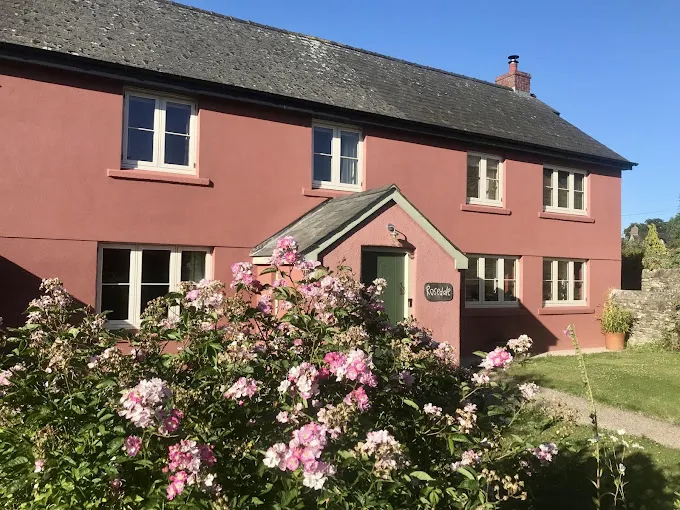
Expert Rendering Repairs Kidwelly Guide

Rendering repairs Kidwelly homeowners need most often involve cracked, hollow, or water-damaged external render – this guide covers causes, solutions, and how to choose the right specialist for lasting results.
Table of Contents
- What Are Rendering Repairs?
- Common Causes of Render Failure in Kidwelly
- Render Repair Methods and Systems Explained
- When to Repair vs Replace Your Render
- Frequently Asked Questions
- Comparing Render Repair Approaches
- How Coloured Rendering South Wales Can Help
- Practical Tips for Kidwelly Property Owners
- The Bottom Line
- Sources & Citations
Article Snapshot
Rendering repairs Kidwelly is the process of diagnosing and restoring damaged external render on properties affected by cracking, delamination, or water ingress. Timely repairs protect wall structure, prevent damp penetration, and restore kerb appeal without the cost of full re-rendering.
What Are Rendering Repairs?
Rendering repairs Kidwelly covers a spectrum of remedial work carried out on external rendered surfaces that have cracked, delaminated, or failed due to moisture ingress, structural movement, or material deterioration. The process involves identifying the cause of failure, removing compromised sections, and applying compatible repair materials that bond securely with existing render. Done correctly, repairs extend the serviceable life of an exterior finish by many years and prevent water reaching the substrate beneath.
Coloured Rendering South Wales has provided plastering and render repair services across the region since 1998, giving local property owners in Kidwelly and the wider Carmarthenshire area access to experienced, specialist advice from a contractor with a proven track record.
Render serves two functions simultaneously: it protects the wall structure from moisture penetration and provides the exterior aesthetic finish of the property. When either function is compromised, action is needed. Small hairline cracks are not always urgent, but cracks wide enough to admit water, hollow patches that tap with a hollow sound, and areas where render has separated from the substrate entirely all require prompt attention to prevent escalating damage.
Call Us
The materials used in render repair matter as much as the application technique. Using a repair mortar that is too rigid or too rich in cement in relation to the original backing coat will cause differential movement and further cracking. A qualified rendering specialist will assess the original system, match material properties appropriately, and apply the repair in a way that integrates with the surrounding finish – including colour matching where the existing render is a through-coloured system.
Common Causes of Render Failure in Kidwelly
Render failure in Kidwelly follows predictable patterns driven by the town’s geography, climate, and building stock. Situated on the Gwendraeth estuary in Carmarthenshire, Kidwelly experiences a coastal and semi-rural climate with high annual rainfall, persistent south-westerly winds, and occasional salt-laden air from the estuary and Carmarthen Bay. These conditions accelerate the deterioration of render systems that were not specified for coastal or high-exposure zones.
The most frequent cause of repair calls in this area is water ingress through hairline cracks that have widened over successive freeze-thaw cycles. Water enters a small crack in autumn, expands as it freezes in winter, and forces the crack wider with each cycle. Over two or three winters, a hairline crack becomes a structural split that allows significant moisture into the wall cavity. Solid-wall properties – common in Kidwelly’s older housing stock, including Victorian and Edwardian terraces – are particularly vulnerable because there is no cavity to intercept moisture before it reaches internal surfaces.
Delamination, where render separates from the substrate in hollow patches, is another common failure mode. This results from insufficient suction control during original application, inadequate preparation of the substrate, or the use of a render mix that was too strong for the background. When the bond between render and wall breaks down, water tracks behind the render layer and causes extensive damage to both the wall structure and internal finishes before it becomes visible externally.
Poorly executed previous repairs are a significant contributor to ongoing problems. Patch repairs made with incompatible materials, applied without proper preparation, or without feathering the edges correctly fail within a few seasons, leaving the property no better protected than before. This is why material selection and surface preparation are as important as the physical act of applying new render.
Age-related carbonation of cement-based renders is another factor. As cement renders age, the alkaline binder gradually carbonates and loses flexibility, making the render more brittle and prone to cracking under normal thermal movement of the building fabric. Properties with original render from the 1970s or 1980s are frequently at this stage of the deterioration cycle.
Render Repair Methods and Systems Explained
Choosing the correct render repair method depends on the extent of damage, the type of original render, the substrate condition, and the desired final finish. There is no single approach that suits every scenario, and the right diagnosis before any remedial work begins is important to achieving a durable result.
For small isolated cracks without delamination, crack injection or raking and filling with a flexible repair mortar is sufficient. The crack is first opened slightly with an angle grinder or chisel to provide a clean, mechanically sound edge, then primed and filled with a polymer-modified render mortar. A reinforcing mesh tape is bedded over the repair on larger cracks to prevent reflective cracking. The surface is then finished to match the surrounding render texture and colour as closely as possible.
Hollow patch repairs require a more involved process. The delaminated render is cut back to sound edges, the substrate is cleaned and treated with an appropriate bonding primer or slurry coat, and new render is applied in compatible layers. On cement-rendered substrates, a scratch coat is applied and allowed to set before a finish coat is added. On modern thin-coat systems, a base coat incorporating fibreglass mesh reinforcement is applied before the decorative top coat. The Rendering Repairs South Wales service offered by Coloured Rendering South Wales covers this full range of patch and area repair techniques, using materials matched to the existing system.
For properties where a significant proportion of the render surface is failing, a decision must be made between extensive patch repairs and full re-rendering. When more than approximately a third of the surface area is delaminated or cracked, full removal and replacement provides better long-term value, as the cost of multiple patch repairs approaches the cost of a complete system while leaving the underlying failure mechanism unaddressed.
Modern silicone-based thin-coat render systems, such as Baumit StarTop, offer significant advantages when re-rendering is the chosen route. Their flexibility accommodates thermal movement without cracking, their hydrophobic surface repels water while remaining vapour-permeable, and their self-cleaning properties reduce maintenance requirements substantially. For coastal properties near the Gwendraeth estuary, a silicone system specified for high-exposure conditions provides far greater durability than a traditional sand-and-cement mix. Spray application of these systems ensures consistent coverage and finish quality across the entire wall surface, with no trowel marks or variation in thickness.
When to Repair vs Replace Your Render
Deciding between targeted render repair and full replacement is one of the most important – and often most misunderstood – aspects of maintaining an externally rendered property. Both options have their place, and the correct choice depends on a structured assessment of the render’s condition rather than on cost alone.
A tap test is the starting point for any render assessment. Tapping the surface systematically with a knuckle or a wooden mallet reveals hollow areas where the render has lost contact with the substrate. A solid thud indicates good adhesion; a hollow ring indicates delamination. Mapping these areas as a proportion of the total surface gives the first indication of whether repair or replacement is more appropriate. Where hollow areas represent less than 20 to 25 percent of the total surface and the remainder is well adhered, targeted repairs are cost-effective. Where hollow areas are more widespread or where there is evidence of recurring failure despite previous repairs, full removal is the more prudent course.
Visual inspection should also assess crack patterns. Fine, distributed crazing – sometimes called map cracking or alligator cracking – indicates render that has lost flexibility throughout and will continue cracking regardless of how many individual cracks are repaired. This pattern indicates a render system past its serviceable life, and replacement with a modern flexible system is the appropriate response.
For properties in Kidwelly with solid masonry walls and older cement render showing widespread deterioration, combining full render replacement with an External Wall Insulation system represents the best long-term investment. The EWI Specialists South Wales service delivers insulation boards mechanically fixed to the wall, followed by a reinforced base coat and silicone finish, providing simultaneous improvement to thermal performance, weather resistance, and appearance. For properties with high heating costs and deteriorating render, this dual benefit makes the combined solution more cost-effective than repair alone when the full cost of heating over a ten-year horizon is considered.
A professional condition survey by an experienced rendering specialist gives property owners in Kidwelly the objective information they need to make this decision confidently. Rather than guessing from visible surface damage, a qualified assessor identifies the underlying causes of failure and recommends the intervention that will deliver the best return on investment over the property’s expected life.
Your Most Common Questions
How do I know if my render needs repairing rather than replacing entirely?
The tap test is the most reliable first check. Work systematically across the wall surface, tapping firmly with your knuckle or a blunt tool. Areas that return a hollow sound have lost adhesion with the substrate and need attention. If hollow patches cover less than 20 to 25 percent of the surface and the surrounding render is sound and crack-free, targeted repairs are cost-effective. If you find widespread hollowness, distributed map cracking across the whole surface, or evidence that previous patch repairs have already failed repeatedly, the render has reached the end of its serviceable life and replacement is the more economical long-term option. A professional survey by a specialist rendering contractor in the Kidwelly area will give you an objective assessment based on hands-on inspection rather than visual impression alone. The correct answer also depends on the age and type of the original render system, the condition of the substrate beneath, and whether there are underlying causes such as structural movement or water ingress from another source that need to be resolved before any repair or replacement work will succeed.
What causes render to crack and hollow on properties in the Kidwelly area?
Kidwelly’s location near the Gwendraeth estuary means properties are exposed to elevated moisture levels, salt-laden air from Carmarthen Bay, and persistent south-westerly winds that drive rain directly into external walls. These conditions accelerate freeze-thaw cracking, where water enters small existing cracks, freezes in winter, and forces the crack progressively wider over successive seasons. Hollow patches most commonly result from inadequate substrate preparation at the time of original application, the use of a render mix that was incompatible with the background material, or insufficient control of suction before render was applied. Age-related brittleness in older sand-and-cement systems is also a significant factor, particularly for properties rendered during the 1970s and 1980s when cement-rich mixes were standard practice. Structural movement – including minor settlement, thermal expansion, and contraction of the building fabric – adds further stress to rigid render coatings over time. Understanding the specific cause on your property is important before undertaking repairs, as addressing symptoms without resolving the underlying cause will result in the same failure recurring.
Can rendering repairs in Kidwelly be colour matched to the existing finish?
Colour matching in render repairs is achievable but requires care and expertise. For through-coloured monocouche or silicone render systems, repair materials are available from manufacturers in a wide range of standard colours, and a skilled contractor selects or mixes a close match to the existing finish. The degree of accuracy depends on the age of the existing render – fresh render and weathered render of the same colour look noticeably different due to surface carbonation, weathering, and accumulated soiling. In practice, a patch repair will rarely be invisible on a close inspection, but a competent contractor will aim to make it as unobtrusive as possible. For properties with a standard through-coloured system, manufacturers supply render in the original specified colour if the product and colour code are known. For painted cement renders, colour matching after repair is more straightforward because the entire surface is repainted once repairs have cured, providing a uniform finish. A rendering specialist familiar with the products and techniques used in the Carmarthenshire area will advise you honestly about the likely degree of colour match achievable on your specific property.
How long will render repairs last on a Kidwelly property?
The longevity of render repairs depends primarily on three factors: the quality of preparation, the compatibility of repair materials with the existing system, and whether the underlying cause of failure has been resolved. A properly executed patch repair using polymer-modified mortar on a well-prepared substrate, with the root cause of failure addressed, lasts ten years or more. A repair that uses incompatible materials, skips preparation steps, or fails to address a continuing water source or structural movement issue fails within one or two seasons. Modern silicone and acrylic repair systems offer greater inherent flexibility and weather resistance than traditional sand-and-cement repairs, making them better suited to the exposed conditions experienced in coastal parts of Carmarthenshire. Where a full re-render is carried out using a quality silicone thin-coat system, manufacturer warranties of ten to twenty-five years are available from certified applicators, providing documented assurance of long-term performance. Regular inspection of render – particularly after severe weather – allows minor issues to be caught and addressed before they develop into more costly failures.
Comparing Render Repair Approaches
Selecting the right repair strategy for a property in Kidwelly means weighing up cost, durability, disruption, and finish quality against the actual condition of the existing render. The table below sets out the principal approaches side by side to help property owners understand the key differences.
| Approach | Best Suited To | Typical Durability | Colour Match | Disruption Level |
|---|---|---|---|---|
| Crack injection and filling | Isolated hairline or fine cracks, good overall adhesion | Moderate – depends on cause resolution | Good with through-colour systems | Low – minimal scaffolding usually needed |
| Hollow patch removal and repair | Localised delamination up to 20-25% of surface | Good when substrate is sound and materials are compatible | Achievable – visible on close inspection | Low to moderate |
| Full render removal and re-render | Widespread failure, repeated repair history, end-of-life render | Excellent – fresh system to full design life | Uniform finish across whole surface | Moderate – scaffolding required |
| External Wall Insulation with render finish | Solid-wall properties with failing render and high heating costs | Excellent – 10-25 year manufacturer warranty available | Full choice of colour and texture | Moderate – scaffolding required, highest transformation |
How Coloured Rendering South Wales Can Help
Coloured Rendering South Wales has been serving property owners across Carmarthenshire, Swansea, and the wider region since 1998, building a reputation for quality workmanship that is backed by a perfect 5.0 Google rating from verified customer reviews. For rendering repairs Kidwelly property owners need, our team brings over 25 years of direct experience with the render systems, substrates, and weather conditions specific to this part of Wales.
We carry out the full range of repair work, from isolated crack repairs and hollow patch removal through to complete re-rendering and External Wall Insulation installations. As a Baumit Approved EWI Applicator with City and Guilds Assured accreditation, we are certified to install Baumit StarTop premium silicone render and full EWI systems, backed by manufacturer warranties of up to 25 years – giving you documented long-term protection that informal or uncertified rendering work cannot provide.
Our spray rendering technology means we apply finish coats faster and more consistently than traditional hand application, reducing disruption to your household or business. Every project begins with an honest assessment of your render’s condition, and we will always tell you clearly whether a targeted repair or full replacement represents the better investment for your specific property.
“With over 15 years in the building trade I have experienced several different plasterers all offering different styles and finishes. Geoff’s thin coat spray finish render would rival the best and I can’t recommend his team enough to someone thinking of using him. His professionalism and work ethic has stood out from many of the others we have worked with.” – Keri Hopkins, Google Review
“We’re 100% happy and wouldn’t hesitate to recommend Jeff. His workmanship is excellent and we’re also very happy with the product he recommended to eradicate the penetrating damp and give our house a great new look and lease of life.” – Alistair Legge, Google Review
To arrange a free consultation or get a quote for your Kidwelly property, visit our Contact Coloured Rendering South Wales for a free quote or consultation on your rendering project page, call us on 07815 868070, or email geoff@colouredrenderingsouthwales.com. You can also explore our full range of services at the Home page of Coloured Rendering South Wales – expert spray rendering and external wall insulation services across South Wales.
Practical Tips for Kidwelly Property Owners
Maintaining external render in good condition requires a combination of periodic inspection, prompt action on emerging issues, and informed choices about repair materials and contractors. The following guidance is particularly relevant for properties in Kidwelly and the surrounding Carmarthenshire area, where weather exposure is a significant factor in render performance.
Inspect your render at least twice a year – ideally in spring after the winter freeze-thaw season and in autumn before the wettest months. Walk around the property and look closely at areas most exposed to prevailing south-westerly winds and driving rain, which in most Kidwelly properties means south-facing and south-west-facing elevations. Pay particular attention to areas around window and door reveals, horizontal sills, and any junctions between render and other materials, as these are the most common points of water entry.
If you find cracks, assess their width. Hairline cracks narrower than 0.2 millimetres in a flexible silicone render system are not a concern. Cracks wider than 0.5 millimetres, or any crack that you can feel a draught through or see light through, warrant prompt professional assessment. The cost of early intervention is always lower than the cost of repairing consequential water damage to internal walls, plasterboard, or floor timbers.
Keep gutters, downpipes, and drainage channels clear of debris. Blocked gutters are one of the most common contributors to localised render failure because overflowing water saturates the render surface and substrate repeatedly, breaking down the render-substrate bond over time. A gutter that overflows onto a rendered wall in every heavy rainfall event will cause patch repairs to fail regardless of the quality of those repairs.
When commissioning render repairs, always ask the contractor to identify the cause of failure before they begin, to confirm the materials they are using are compatible with the existing system, and to explain how they will finish and blend the repair area. A reputable contractor – such as those accredited by recognised industry bodies – will provide this information without hesitation. For further guidance on UK building and render standards, the UK Building Regulations – Approved Documents provide a useful reference, and the Property Care Association offers resources on damp and structural issues that accompany render failure. See also our Rendering Repairs South Wales – professional repairs and maintenance for external wall renders page for more detail on our repair services.
The Bottom Line
Rendering repairs Kidwelly property owners arrange promptly will always cost less and cause less disruption than the water damage that follows when failed render is left unaddressed. Whether your property has isolated cracks after a hard winter, hollow patches from an original application issue, or widespread deterioration of an ageing cement render system, there is a repair or replacement solution matched to your circumstances and budget.
Coloured Rendering South Wales has the local knowledge, certified skills, and proven track record to assess your property honestly and carry out the work to the standard it deserves. With over 25 years of experience serving South Wales and a 5.0 Google rating from dozens of satisfied clients, we are the rendering specialists Kidwelly and Carmarthenshire property owners trust.
Call us today on 07815 868070, email geoff@colouredrenderingsouthwales.com, or use our Contact Coloured Rendering South Wales for a free quote or consultation on your rendering project page to arrange your free property assessment.
Sources & Citations
- UK Building Regulations – Approved Documents. HM Government.
https://www.gov.uk/guidance/approved-documents - Property Care Association – Resources on damp and structural issues. Property Care Association.
https://www.propertycare.org/
