
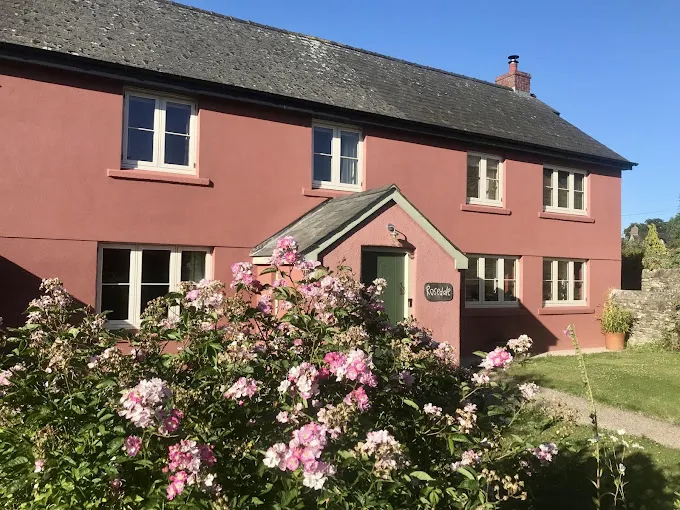
Monocouche Rendering Port Talbot: Complete Guide

Monocouche rendering Port Talbot offers property owners a durable, through-coloured external finish that eliminates painting, withstands coastal weather, and enhances kerb appeal for decades – here is everything you need to know.
Table of Contents
- What Is Monocouche Rendering?
- Benefits for Port Talbot Properties
- How Monocouche Render Is Applied
- Maintenance and Long-Term Performance
- Frequently Asked Questions
- Comparing Render Systems
- Our Monocouche Rendering Services
- Practical Tips for Property Owners
- Key Takeaways
- Sources & Citations
Article Snapshot
Monocouche rendering Port Talbot is a single-coat, through-coloured cement-based render applied to external walls, providing permanent colour without painting. It is weather-resistant, low-maintenance, and particularly well-suited to the coastal and industrial climate of the Neath Port Talbot area.
Monocouche Rendering Port Talbot in Context
- Monocouche render requires just 1 coat for a complete external finish, reducing labour time and cost (House Rendering, 2026)[1]
- Checkatrade lists 10 render system types and services available to Port Talbot property owners, including monocouche, silicone, acrylic, cement, and K render (Checkatrade, 2026)[2]
- Monocouche Render Systems offers a 10-year warranty covering both installation workmanship and the render system installed (Monocouche Render Systems, 2026)[3]
What Is Monocouche Rendering Port Talbot?
Monocouche rendering Port Talbot is a through-coloured, single-coat cement render applied directly to external masonry walls, delivering a permanent decorative and protective finish without the need for paint. The word monocouche is French for single layer, which accurately describes how this system differs from traditional multi-coat renders. Coloured Rendering South Wales has been specifying and installing monocouche systems across the region, including Port Talbot, for over 25 years, with a clear understanding of which products perform best against the area’s demanding coastal conditions.
Unlike conventional cement render, which requires a separate paint finish to achieve colour, monocouche render is pre-pigmented throughout its full depth. This means that minor surface scuffs or weathering do not expose a different-coloured substrate underneath. The colour remains consistent and stable over time, making it one of the most popular external wall finishes for both new builds and renovation projects across South Wales.
As Monocouche Render Systems describe their flagship product: “Monocouche XF is a pre-coloured render finish designed to beautifully decorate and protect buildings without the need to paint.” (Monocouche Render Systems, 2026)[3]
Call Us
Port Talbot’s coastal proximity to Swansea Bay and its exposure to prevailing south-westerly winds make it a challenging environment for external renders. Salt-laden air, high rainfall, and wind-driven moisture degrade inferior finishes quickly. Monocouche render is formulated with water-repelling additives and reinforcing fibres that specifically address these conditions, making it a well-matched choice for properties in this part of Neath Port Talbot. Whether you own a semi-detached house in Sandfields, a terraced property in Aberavon, or a commercial building in the town centre, the system offers proven performance.
How Monocouche Differs from Traditional Render
Traditional sand-and-cement rendering systems are applied in two or three coats and require painting once cured. This creates a maintenance cycle – usually every five to eight years – where external decoration must be repeated to maintain appearance and protect the substrate. Monocouche breaks this cycle entirely. Because the colour is integral to the mix, there is no paint layer to peel, blister, or fade. The result is a render that looks good for far longer with minimal ongoing attention from the property owner.
Monocouche is also compatible with most common masonry substrates found in South Wales properties, including brick, dense block, lightweight block, and concrete. This flexibility makes it suitable for the wide variety of housing stock found across Port Talbot, from post-war social housing to more recent private developments.
Benefits of Monocouche Render for Port Talbot Properties
Monocouche render delivers measurable, practical benefits that make it a strong choice for property owners in Port Talbot, particularly given the local climate and the types of buildings common in the area.
The most immediate benefit is the elimination of ongoing exterior painting. With a through-coloured system, the colour does not rely on a surface coating. This alone removes a recurring maintenance cost that affects most traditionally rendered or painted properties in South Wales. Landlords managing portfolios in Port Talbot, Neath, or Bridgend find that switching to monocouche render reduces their annual maintenance spend. One Bridgend landlord who upgraded six rental properties with through-coloured monocouche render reported that the work eliminated the need for external painting and reduced annual maintenance costs by 60%, with the investment paying for itself within three years.
Weather resistance is equally important for this part of Wales. The Neath Port Talbot coastline receives some of the highest annual rainfall totals in the UK, and properties in Aberavon and Sandfields face direct exposure to the Bristol Channel. Monocouche formulations include hydrophobic additives that cause water to bead and run off rather than being absorbed into the wall. This protects the underlying masonry and reduces the risk of damp penetration – one of the most common and costly problems affecting older properties in the area.
Aesthetic and Commercial Advantages
Beyond protection, monocouche render offers genuine aesthetic value. It is available in a wide range of colours and textures, from smooth scraped finishes to more rustic exposed aggregate effects. This gives property owners real flexibility to choose a look that suits the character of their building and the surrounding streetscape. Contemporary grey finishes have become particularly popular on new builds across South Wales, while warmer cream and buff tones complement older Victorian and Edwardian stock.
For property developers working in Port Talbot, the single-coat application also reduces programme time. Because monocouche combines the base and finish coats into a single application, the render phase of a construction project is completed more quickly than with multi-coat systems. This keeps schedules on track and reduces the number of trades required on site at any one time. When applied using professional spray equipment, the process is even faster – a Coloured Rendering Swansea project on a new-build development saw each house rendered in just two days using spray techniques, compared to four or five days with hand application. The through-coloured result required no further decoration before the properties went to market.
How Monocouche Render Is Applied in Port Talbot
Monocouche render application requires careful preparation and skilled execution to achieve the consistent, durable finish that defines the system’s performance. The process begins well before any render is mixed or applied.
Surface preparation is the foundation of a successful monocouche installation. Existing render that is hollow, cracked, or poorly bonded must be removed before the new system is applied. All masonry surfaces should be assessed for structural integrity, moisture content, and contamination. Any repairs to the substrate – whether repointing, filling voids, or treating damp – must be completed and allowed to cure before rendering begins. In Port Talbot, where older properties have legacy issues with salt crystallisation or wind-driven moisture penetration, this assessment stage is particularly important.
Once the substrate is sound, a bonding agent or primer is applied. The specific product depends on the substrate type and the manufacturer’s specification for the chosen monocouche system. This step is not optional – skipping it is one of the most common causes of premature render failure, particularly on dense or low-suction substrates such as engineering brick or painted block.
Spray vs Hand Application
Monocouche render is applied by hand or by machine. Hand application using a hawk and float is the traditional method and remains appropriate for smaller areas, complex elevations with many architectural details, or projects where access limitations make machine working impractical. However, for most residential and commercial properties in Port Talbot, spray application offers clear advantages in terms of speed, consistency, and finish quality.
Professional spray rendering equipment delivers the render at a consistent pressure and thickness across the entire wall surface. This produces a more uniform bond and reduces the risk of thin spots or variations in colour that occur with hand application. The render is then textured using a suitable tool – a float, scraper, or sponge depending on the desired finish – before being allowed to cure. The single-coat nature of monocouche means the complete process, from application to finishing, is more straightforward than multi-coat systems, and the rendered surface is ready to leave within 24 to 48 hours of application. You can view completed examples of this finish in our Gallery – View examples of our high-quality spray rendering and repair work.
Temperature and weather conditions during application and curing are also important. Monocouche should not be applied in freezing conditions, during periods of heavy rain, or in direct hot sun without appropriate measures to protect the fresh render. In South Wales, where weather changes rapidly, experienced renderers monitor forecasts carefully and take precautions such as sheeting elevations to prevent premature drying or rain damage during the critical early curing period.
Maintaining Monocouche Render in Port Talbot’s Climate
Monocouche render is designed to be low maintenance, but low maintenance does not mean no maintenance. Understanding what is and is not required helps property owners protect their investment and ensure the render performs as intended over its service life.
The most common maintenance requirement for monocouche render in coastal areas like Port Talbot is periodic cleaning. Algae, moss, and atmospheric soiling accumulate on render surfaces over time, particularly on north-facing or sheltered elevations where moisture lingers. This is a cosmetic issue rather than a structural one, but it does affect appearance. As Celtic External Cleaning, a South Wales render cleaning specialist, explain: “We specialise in safe, low-pressure softwashing for render – the modern, effective way to clean and protect your property’s exterior without causing damage.” (Celtic External Cleaning, 2026)[4]
Softwashing is the appropriate method for cleaning monocouche render. High-pressure jet washing should be avoided as it erodes the surface texture, particularly on scraped finishes, and drives water into the render or through fine cracks. A biocidal softwash treatment applied at low pressure kills algae and mould at the root, prevents rapid regrowth, and is safe for the render system. For most Port Talbot properties, a softwash every three to five years is sufficient to keep the render looking its best.
Inspecting for Render Defects
Beyond cleaning, annual visual inspections are a straightforward way to catch minor issues before they develop into larger problems. Check for hairline cracks, particularly around window and door reveals, expansion joints, and changes of substrate. Small cracks in monocouche are cosmetic and are addressed with appropriate repair materials. However, any crack that allows water ingress should be treated promptly to prevent moisture reaching the substrate and causing more extensive damage over time.
For properties in Port Talbot’s most exposed locations – beachfront properties in Aberavon, for example, or elevated positions above the town – inspections after severe storm events are also advisable. Wind-driven rain at high velocity stresses render systems and dislodges poorly bonded sections if the original installation was not carried out to the required standard. If you notice hollow-sounding areas when tapping the surface, or sections that have detached from the wall, Rendering Repairs South Wales – professional repairs and maintenance for external wall renders should be arranged promptly to prevent water ingress. With the right installation and routine care, a monocouche render system on a Port Talbot property performs reliably for 20 to 30 years.
Your Most Common Questions
How long does monocouche rendering last on a Port Talbot property?
A correctly specified and professionally installed monocouche render system lasts between 20 and 30 years on a Port Talbot property, depending on the product used, the quality of surface preparation, and the exposure level of the location. Coastal and south-westerly facing elevations experience the harshest conditions in this part of South Wales, so specification matters. Products with hydrophobic additives and high flexibility ratings perform better in the Neath Port Talbot coastal environment than basic cement formulations. Manufacturer warranties for premium monocouche systems extend to 10 years covering both the product and the installation workmanship (Monocouche Render Systems, 2026)[3], which gives property owners documented assurance of expected performance. Regular softwash cleaning every three to five years and prompt attention to any localised cracking will help the render reach the upper end of its expected service life. Properties that are well maintained and have the render checked after major storm events consistently outperform those where minor defects are left unaddressed for several seasons.
Can monocouche rendering be applied over existing render in Port Talbot?
In most cases, monocouche render should not be applied directly over existing render without a thorough assessment first. Existing render must be sound, well bonded, and free from hollow patches, cracks, or contamination before any new system is applied on top. Applying monocouche over defective existing render is one of the leading causes of premature render failure, as any underlying weakness will eventually telegraph through to the new surface. In Port Talbot, where many older properties have multiple historic layers of render, the safest approach is to hack off the existing material back to the bare masonry and start with a properly prepared substrate. This ensures the monocouche bonds correctly and performs as the manufacturer intends. A professional renderer will test the existing surface using a tap test and visual inspection before advising on the most appropriate course of action. Where existing render is genuinely sound and well bonded, some manufacturers approve their monocouche systems for overcoating after appropriate priming – but this should always be confirmed with the product technical data sheet rather than assumed.
What colours are available for monocouche render in Port Talbot?
Monocouche render is available in a wide range of colours across most manufacturers’ product ranges. Common choices for Port Talbot properties include off-white, cream, buff, light grey, mid-grey, and anthracite tones. Contemporary new builds in the area favour cooler grey shades, while owners of older Victorian and Edwardian terraces choose warmer neutral tones that complement the local architecture. The colour in monocouche is integral to the mix rather than a surface coating, so it does not fade or peel over time in the way exterior paint does. This is one of the system’s most practical advantages – you choose the colour once and it remains stable for the life of the render. Some manufacturers offer extensive palettes with hundreds of options, and bespoke colours are produced to match planning authority requirements or an architect’s specification. Monocouche colour appears different when wet compared to when dry, so reviewing colour samples under varying light conditions before committing to a choice is always advisable for Port Talbot properties.
Is monocouche rendering suitable for all property types in Port Talbot?
Monocouche render is compatible with most common masonry substrates found in Port Talbot, including brick, dense and lightweight concrete block, and in-situ concrete. It is widely used on residential properties ranging from terraced houses and semi-detached homes to detached properties and housing developments. It is equally appropriate for commercial buildings, retail premises, and public buildings where a durable, low-maintenance external finish is required. However, monocouche is not suitable for timber frame construction without a correctly detailed render carrier board system in place, and it should not be applied to substrates with active damp problems that have not been resolved. Properties with significant movement or structural issues also require assessment before rendering, as monocouche – like any cement-based render – has limited capacity to accommodate large differential movement without cracking. For properties with solid walls and high heat loss, combining monocouche render with an External Wall Insulation system addresses both thermal performance and external appearance in a single project. A qualified renderer will advise on suitability following a property assessment.
Comparing External Render Systems for Port Talbot Properties
Choosing the right render system for a Port Talbot property means weighing up cost, maintenance requirements, aesthetic flexibility, and suitability for the local coastal climate. The table below compares four common approaches across these key factors to help property owners make an informed decision.
| Render System | Coats Required | Painting Required | Maintenance Level | Coastal Suitability | Colour Stability |
|---|---|---|---|---|---|
| Monocouche Render | 1 coat (House Rendering, 2026)[1] | No | Low | High | Excellent – through-coloured |
| Thin Coat Silicone Render | 2 (basecoat + finish) | No | Very low | Very high | Excellent – silicone-pigmented |
| One Coat Cement Render | 1 coat | Yes – periodic | Medium | Moderate | Depends on paint quality |
| Traditional Sand & Cement | 2-3 coats | Yes – regular | High | Low-moderate | Poor without maintenance |
Monocouche render sits in an effective middle ground – faster to apply than traditional multi-coat systems and requiring no painting, but at a lower overall system cost than premium thin coat silicone renders. For Port Talbot properties where weather resistance and low maintenance are the primary concerns, both monocouche and thin coat silicone are strong options. The right choice depends on substrate condition, budget, and the aesthetic result you are looking for.
Coloured Rendering South Wales: Monocouche Rendering Services
Coloured Rendering South Wales has been delivering professional monocouche rendering Port Talbot and across the wider South Wales region since 1998. With over 25 years of hands-on experience, we understand the specific demands that the coastal climate of Neath Port Talbot places on external render systems – and we specify products and methods accordingly.
Our monocouche rendering service covers the full project lifecycle: initial property assessment, substrate preparation, product selection, spray or hand application, and finishing. We work with both residential homeowners and commercial property owners, as well as property developers and landlords managing portfolios across the region. Our spray rendering capability means projects are completed faster than traditional hand application – two to three times quicker – reducing disruption to occupants and helping developers keep construction programmes on schedule.
As a Baumit Approved EWI Applicator with City & Guilds Assured accreditation, we are certified to install premium silicone render and full External Wall Insulation systems with manufacturer-backed warranties of up to 25 years. For Port Talbot property owners looking to improve both thermal efficiency and external appearance, our EWI Specialists South Wales – expert external wall insulation installations for energy efficiency service combines monocouche or silicone render finishes with high-performance insulation in a single project.
Our clients consistently rate us 5.0 on Google, and the feedback speaks for itself. “With over 15 years in the building trade I have experienced several different plasterers all offering different styles and finishes. Geoff’s thin coat spray finish render would rival the best and I can’t recommend his team enough to someone thinking of using him.” – Keri Hopkins, Google Review
“Excellent finish. Geoff worked in my house, both an outside render and throughout the house. Couldn’t be happier with the finish and completely reliable. Would recommend this company 100%. Maybe not the cheapest quote I had but worth every penny.” – David Lamb, Google Review
To discuss your Port Talbot rendering project and receive a free, no-obligation quote, contact us today at Contact Coloured Rendering South Wales for a free quote or consultation on your rendering project, call 07815 868070, or email geoff@colouredrenderingsouthwales.com.
Practical Tips for Port Talbot Property Owners Considering Monocouche Render
Getting monocouche rendering right the first time comes down to preparation, product selection, and choosing the right contractor. These practical tips will help you approach your project with confidence.
Commission a proper substrate survey before committing to a product. The condition of your existing wall surface determines which monocouche system is appropriate and what preparatory work is needed. A professional assessment identifies hollow render, active damp, inadequate movement joints, and substrate compatibility issues before they become expensive mid-project problems. Do not skip this step based on cost – a thorough survey protects your investment.
Choose a colour in the correct conditions. Monocouche render samples look different in artificial light, overcast daylight, and direct sunshine. View your shortlisted colours against your property’s existing features – roof colour, window frames, boundary walls – at different times of day before making a final decision. Remember that wet render appears darker than cured render, so factor this into your assessment when looking at freshly applied samples.
Plan the project around the weather forecast. Monocouche should not be applied during frost, heavy rain, or extreme heat without protective measures. In Port Talbot, the Atlantic weather system brings rapidly changing conditions. A reputable contractor will plan application windows carefully and take precautions to protect fresh render during the critical first 24 to 48 hours of curing. If a contractor proposes to render in borderline conditions without any protective measures in place, treat this as a warning sign.
Insist on appropriate movement joints. Movement joints are an important part of any render specification, particularly on larger elevations or where different substrate materials meet. Omitting them is a frequent cause of cracking in otherwise well-applied render. Check that your specification includes appropriate joint positioning and that the contractor understands how to detail them correctly.
For an overview of our full range of services and a closer look at completed projects across South Wales, visit the Home page of Coloured Rendering South Wales – expert spray rendering and external wall insulation services across South Wales. Understanding what a quality finish looks like in practice is one of the best ways to evaluate any contractor’s capability before committing to a contract. The NBS – National Building Specification also provides technical guidance on rendering standards that is useful background reading for property owners undertaking larger projects.
Finally, always request a written quotation that specifies the exact product being used, the preparation works included, the application method, and any warranty or guarantee provided. Comparing like-for-like across quotations is only possible when all contractors have provided this level of detail. A written specification also protects you if the finished work does not meet the agreed standard.
Key Takeaways
Monocouche rendering Port Talbot offers a proven, practical solution for property owners who want a durable, low-maintenance external finish that stands up to South Wales coastal conditions. The single-coat, through-coloured system eliminates the need for regular exterior painting, provides strong weather resistance, and is available in a wide range of colours to suit any property type across Neath Port Talbot – from Aberavon terraces to Sandfields new builds.
Selecting the right product, preparing the substrate correctly, and working with an experienced local contractor are the three factors that determine whether a monocouche render performs for 20 years or fails within five. Coloured Rendering South Wales has spent over 25 years building the knowledge and track record to get all three right, consistently, across South Wales.
To arrange a free property assessment and quote for your Port Talbot monocouche rendering project, call 07815 868070, email geoff@colouredrenderingsouthwales.com, or use our online contact form to get in touch today.
Sources & Citations
- Monocouche Render – Neath Port Talbot. House Rendering.
https://www.houserendering.co.uk/neath-port-talbot.html - Rendering Services in Port Talbot. Checkatrade.
https://www.checkatrade.com/Search/Rendering/in/Port-Talbot - HOME – MONOCOUCHE RENDER SYSTEMS. Monocouche Render Systems.
https://monocouche.co.uk - SOFTWASHING. Celtic External Cleaning.
https://www.celticexternal.com/services-store/p/basic-service-dyrtx
