
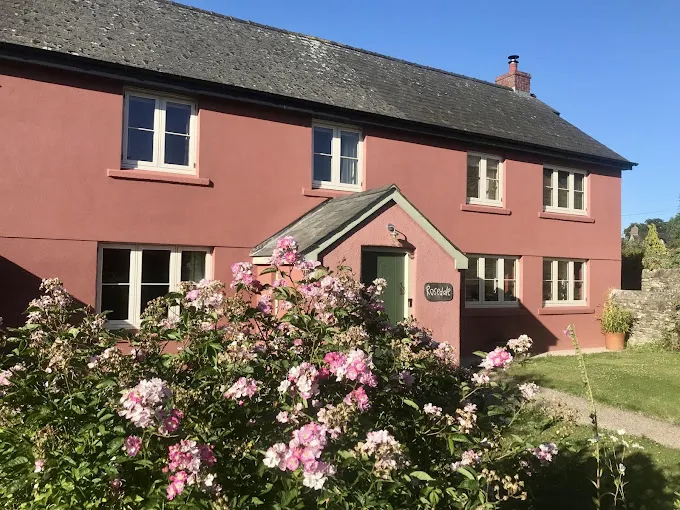
Monocouche Rendering Kidwelly: Complete Guide

Monocouche rendering Kidwelly homeowners and property developers choose delivers a through-coloured, low-maintenance external finish that withstands the region’s wet Atlantic climate – here is everything you need to know before commissioning a project.
Table of Contents
- What Is Monocouche Rendering?
- Benefits for Kidwelly Properties
- The Monocouche Application Process
- Choosing the Right Monocouche System
- Frequently Asked Questions
- Monocouche vs Other Render Systems
- How Coloured Rendering South Wales Can Help
- Practical Tips for Your Rendering Project
- The Bottom Line
- Sources & Citations
Article Snapshot
Monocouche rendering Kidwelly is a single-coat, through-coloured cement-based external render system that eliminates the need for painting while providing durable weather protection. It suits Kidwelly’s coastal conditions, is available in hundreds of colours, and offers decades of low-maintenance performance on brick, block, stone, and concrete substrates.
Monocouche rendering Kidwelly in Context
- Monocouche systems are available in hundreds of different colours for residential and commercial applications (Rendtek Ltd, 2024)[1]
- Houses built before 1919 with solid walls lose 2 times more heat through external walls compared to cavity wall construction (Dyfed Rendering, 2024)[2]
- Standard application depth for monocouche render in a single application is 10 millimetres (Scott DIY, 2023)[3]
- Standard PVC bead depth specification for monocouche rendering applications is 15 millimetres (Ryan Seeley Plastering, 2021)[4]
What Is Monocouche Rendering?
Monocouche rendering Kidwelly projects rely on a factory-prepared, cement-based render that combines base coat and finish coat in a single pass, eliminating the multi-stage process required by traditional render systems. The term monocouche derives from the French word for “single layer,” and that description captures the essential advantage: colour is integrated throughout the product’s full thickness, so no surface paint is required either at installation or during the property’s lifetime. Coloured Rendering South Wales has delivered monocouche and spray render systems across the South Wales region for over 25 years, including projects in Carmarthenshire towns such as Kidwelly.
The system is compatible with five substrate types – blockwork, brickwork, stonework, concrete, and stable masonry (Monocouche Render Systems, 2024)[5] – making it suitable for the varied building stock found in and around Kidwelly, from Victorian terraces to modern housing developments. Applied at a standard depth of 10 millimetres (Scott DIY, 2023)[3], it adds minimal additional wall thickness while delivering a strong, weather-resistant shell.
As Monocouche Render Systems, a UK manufacturer of leading render systems, describes their product: “Monocouche XF is a pre-coloured render finish designed to beautifully decorate and protect buildings without the need to paint, available in a range of traditional and contemporary colours and finishes.” (Monocouche Render Systems, 2024)[5]
Call Us
For Kidwelly properties specifically, the system’s water-repelling formulation addresses a direct environmental challenge. The town sits on the Gwendraeth estuary close to the Carmarthen Bay coastline, where westerly Atlantic fronts deliver high annual rainfall and salt-laden air. Monocouche render’s hydrophobic matrix resists water absorption while remaining vapour-permeable, allowing moisture within the wall structure to escape. This breathability characteristic is particularly important for older Welsh stone and brick buildings where trapping moisture behind an impermeable coating accelerates structural deterioration.
Key Benefits for Kidwelly Properties
Kidwelly properties gain measurable practical advantages from monocouche render that go well beyond surface aesthetics. The coastal and estuarine setting of the town creates conditions that accelerate the failure of conventional painted renders – wind-driven rain, freeze-thaw cycles in winter, and airborne salt particles all degrade unprotected or poorly specified external finishes within a few years. A properly installed monocouche system addresses each of these challenges in a single application.
The elimination of ongoing maintenance painting is one of the most financially significant benefits. Conventional painted renders in exposed South Wales locations require repainting every five to eight years, with associated costs for scaffolding, preparation, and labour. Because monocouche render’s colour runs through its full depth, surface scuffs and minor abrasions do not expose a contrasting substrate, and the finish retains its appearance without intervention for decades.
Kidwelly’s older housing stock presents a specific thermal performance challenge. Houses built before 1919 with solid walls lose 2 times more heat through external walls compared to cavity wall construction (Dyfed Rendering, 2024)[2]. When monocouche render is applied as part of an External Wall Insulation system, it addresses this deficit directly. As Dyfed Rendering notes: “Insulating and rendering your home in Kidwelly can transform the appearance and performance of your home, dramatically improving the aesthetic appeal and energy efficiency of your property.” (Dyfed Rendering, 2024)[2]
Monocouche render also offers strong aesthetic flexibility. With hundreds of different colours available (Rendtek Ltd, 2024)[1], property owners select finishes that complement Kidwelly’s historic streetscapes – from warm sandstone tones that sit alongside the medieval castle walls to contemporary grey palettes suited to new-build schemes on the town’s expanding residential edges. Texture options including scraped, roughcast, and smooth finishes add further design control.
For Coloured Rendering Swansea – durable and attractive rendering solutions for residential and commercial properties, the principles that apply in Swansea translate directly to Kidwelly: a render system must be matched not just to the building type but to the local microclimate and architectural context.
Durability and Longevity in a Coastal Climate
Monocouche systems backed by manufacturer warranties of 10 years (Monocouche Render Systems, 2024)[5] provide documented protection that painted or unstabilised render cannot offer. The formulation includes water-repelling additives and reinforcing fibres that maintain structural integrity through repeated wetting and drying cycles – conditions that Kidwelly properties face throughout the year. When mesh reinforcement is incorporated during application, crack resistance improves further, extending service life and reducing the likelihood of water ingress through surface fractures.
The Monocouche Application Process
The monocouche rendering application process follows a structured sequence that determines the quality and longevity of the finished surface. Correct preparation, material handling, and curing procedure are each important – a well-manufactured render system will underperform if application steps are skipped or sequenced incorrectly.
Surface preparation begins with a thorough inspection of the substrate. Loose or friable material must be removed, cracks and voids filled with compatible mortar, and any organic growth treated and cleaned. Clean, stable substrates ensure proper mechanical adhesion between the render and the wall. On highly absorbent surfaces such as old brick, a bonding agent or scratch coat is required to control suction and prevent the render from drying too quickly before it achieves initial set.
Beading is installed before render application to protect vulnerable external corners and to define clean edge details around window reveals, door frames, and sills. The standard PVC bead depth for monocouche rendering applications is 15 millimetres (Ryan Seeley Plastering, 2021)[4], which corresponds to the target render thickness and ensures a consistent finish depth across the facade.
Material mixing follows manufacturer specifications precisely. Render is gauged to the correct water-to-powder ratio to achieve workable consistency without weakening the cured material. Once mixed, the render is applied by spray machine or by hand, depending on the scale of the project and site constraints. Spray application, which Coloured Rendering South Wales specialises in, delivers a more consistent thickness across large wall areas and significantly reduces overall project duration compared to hand application.
Ryan Seeley, Plastering Specialist at Ryan Seeley Plastering, describes the reinforcement step: “You apply the first pass, then embed a mesh layer. This basically reinforces the monocouche and prevents it from cracking.” (Ryan Seeley Plastering, 2021)[4]
Once the render reaches the appropriate green strength, the surface is worked to achieve the specified texture. A scraped finish – the most common monocouche texture – is produced by passing a serrated float across the surface to expose fine aggregate particles uniformly. The render is then left to cure under controlled conditions, avoiding direct sunlight, frost, and rain during the initial curing window. Proper curing is important to achieving the system’s rated durability and colour consistency.
Spray Application Versus Hand Application
Spray rendering technology applies monocouche at a consistent pressure and volume across the full wall face, reducing the variation in thickness and texture that occurs with hand application – particularly across large or complex elevations. For Kidwelly projects involving multiple-storey elevations or extended terrace facades, spray application reduces project duration substantially, cutting the time per property by up to half compared to traditional hand methods. This reduction in programme time is directly beneficial to homeowners seeking to minimise disruption and to developers working to construction schedules. You can view completed spray rendering projects in our Gallery – View examples of our high-quality spray rendering and repair work.
Choosing the Right Monocouche System
Selecting the correct monocouche render system for a Kidwelly property requires consideration of the substrate type, exposure category, desired aesthetic, and any thermal improvement objectives. No single product specification suits every project, and incorrect specification is one of the most common reasons for premature render failure in coastal areas.
Exposure category is the starting point for specification in Kidwelly. The town’s location near Carmarthen Bay places it in a high or very high exposure zone under UK wind-driven rain indices. Render systems should carry a BS EN 998-1 classification appropriate to external render and should be confirmed as suitable for high-exposure coastal locations by the manufacturer’s technical data sheet. Applying a product rated for sheltered inland locations to an exposed Kidwelly property results in accelerated weathering and potential failure.
Substrate compatibility must be confirmed before a product is selected. As noted above, monocouche render is suitable for application onto blockwork, brickwork, stonework, concrete, and stable masonry (Monocouche Render Systems, 2024)[5]. Mixed substrates – common on extended or modified older buildings – require different preparation strategies for each zone, and the render contractor should specify appropriate primer or bonding treatments for each area.
Colour selection warrants careful attention beyond personal preference. Darker monocouche colours absorb more solar radiation and experience greater thermal movement, which is a factor on west- or south-facing elevations exposed to direct sun following rain. Lighter colours perform more predictably in terms of thermal cycling but show surface soiling more readily in an estuarine environment. Rendtek Ltd, a rendering specialist in West Wales, states: “Monocouche systems with hundreds of different colours to choose from provide the perfect finish to any project with exceptional weather protection and water shedding ability.” (Rendtek Ltd, 2024)[1]
If the property has solid walls and elevated heating costs, a combined External Wall Insulation and monocouche render system deserves consideration. The insulation layer is fixed mechanically to the wall, a mesh-reinforced basecoat is applied, and the monocouche finish coat is applied over the top. This approach transforms the thermal performance of the building envelope in a single project, improving EPC ratings and reducing energy bills – a significant advantage given the heat loss characteristics of pre-1919 solid wall construction in the area. Our EWI Specialists South Wales – expert external wall insulation installations for energy efficiency service covers this combined approach in full detail.
Your Most Common Questions
How long does monocouche render last on a Kidwelly property?
A correctly specified and installed monocouche render system achieves a service life of 20 to 30 years on an exposed coastal property when maintained in basic condition. Manufacturer warranty periods of 10 years (Monocouche Render Systems, 2024)[5] cover workmanship and material performance, but well-executed installations routinely exceed that period without significant intervention. In Kidwelly’s estuarine coastal climate, specifying a render system rated for high-exposure conditions and incorporating mesh reinforcement during application are the two decisions that most directly influence longevity. Properties within closer proximity to the Carmarthen Bay coastline benefit from additional hydrophobic treatment applied every 8 to 10 years to maintain the render’s water-repellent performance as the original treatment gradually weathers. Regular visual inspection, clearing of any debris around drip details, and prompt attention to any impact damage are the primary maintenance requirements. A system that was incorrectly mixed, applied too thinly, or installed onto an unprepared substrate will deteriorate far sooner, regardless of product quality – which is why choosing an experienced local contractor with knowledge of coastal render specification matters.
Can monocouche rendering Kidwelly be applied to an older stone property?
Yes, monocouche render is applied to stonework, and many of Kidwelly’s older cottages and terraces have been successfully rendered using through-coloured systems. Stone substrates require specific preparation to ensure adequate adhesion. Loose or flaking stone faces must be consolidated, deep mortar joints require raking out and repointing with compatible mortar, and highly varied surface profiles require a scratch coat or bonding slurry to create a more uniform base before the monocouche coat is applied. The render’s vapour permeability is a critical requirement for stone properties, as solid stone walls need to breathe. Monocouche cement render is vapour-open and allows moisture to migrate outward through the wall, whereas impermeable coatings trap dampness and accelerate decay of both mortar and stone. For listed buildings or properties within conservation areas in Kidwelly, confirm with Carmarthenshire County Council’s planning and conservation team whether render type, colour, and texture require prior approval. In many conservation-designated areas, through-coloured cement renders in appropriate tones are permitted, but a lime-based system is required for certain historic buildings.
How does monocouche render differ from silicone thin coat render?
Monocouche render is a cement-based, single-coat system applied at 10 millimetres (Scott DIY, 2023)[3] that provides its own structural base and decorative finish in one layer. Silicone thin coat render, by contrast, is a polymer-modified finish coat applied at 1.5 to 3 millimetres over a separate reinforced basecoat. The thin coat system offers superior flexibility – the silicone polymer allows the render to move with minor building movement without cracking – and delivers higher breathability and self-cleaning performance due to its hydrophobic silicone matrix. Monocouche provides a more traditional aesthetic and is preferred for its substantial, solid appearance, particularly on older properties where a thin coat finish looks visually lightweight. In terms of colour longevity, silicone thin coat systems retain colour intensity longer because the polymer binders resist UV degradation more effectively than cement-based products. For Kidwelly properties where movement cracking is a concern, or where a highly refined, smooth texture is desired, silicone thin coat over an EWI basecoat is worth considering. For straightforward re-rendering of a structurally sound masonry wall, monocouche offers a strong and cost-effective alternative.
Does monocouche rendering Kidwelly need planning permission?
In most cases, applying monocouche render to a standard residential property in Kidwelly falls within permitted development rights and does not require planning permission. However, there are important exceptions. If your property is a listed building, any alteration to the external appearance – including render type, colour, and texture – requires listed building consent from Carmarthenshire County Council regardless of permitted development thresholds. Properties within a designated conservation area are also subject to restrictions on materials and colours, and the local planning authority should be consulted before work commences. Article 4 Directions, where present, remove permitted development rights from specific areas, requiring formal permission even for otherwise routine external changes. If your property is on a new-build estate with restrictive covenants, the developer or management company specifies permitted external finishes. As a practical first step, contact Carmarthenshire County Council’s planning department or use the Planning Portal to confirm your property’s status. Your rendering contractor should also be able to advise on whether similar projects in your street or area have encountered planning conditions, as local experience is a useful guide when navigating Welsh planning requirements. UK Building Regulations – Approved Documents also set out relevant technical standards that apply to external wall finishes.
Monocouche vs Other External Render Systems
Choosing between render systems for a Kidwelly property means weighing upfront cost, maintenance demands, thermal performance, and aesthetic outcome. The table below compares monocouche through-colour render against three common alternatives on criteria most relevant to South Wales coastal conditions.
| Render System | Application Layers | Maintenance Painting Required | Colour Depth | Flexibility / Crack Resistance | Typical Depth |
|---|---|---|---|---|---|
| Monocouche Through-Colour Render | 1 (single coat) | No | Through entire thickness | Moderate – reinforcing mesh improves resistance | 10 mm (Scott DIY, 2023)[3] |
| Silicone Thin Coat Render (over EWI basecoat) | 2 (basecoat + finish) | No | Surface finish coat only | High – polymer silicone matrix accommodates movement | 1.5-3 mm finish coat |
| One Coat Cement Render (painted) | 1 + decorative paint | Yes – every 5-8 years | Surface paint only | Low – cement is rigid and prone to cracking | 10-15 mm |
| Pebble Dash / Roughcast | 2 (base + aggregate throw) | No | Aggregate surface colour | Low to moderate | 15-20 mm |
Coloured Rendering South Wales: Expert Monocouche Rendering in the Region
Coloured Rendering South Wales has been delivering monocouche rendering Kidwelly and across the wider South Wales region since 1998 – over 25 years of continuous operation that has produced a deep understanding of local substrate types, weather exposure categories, and the architectural character of Carmarthenshire towns. The company is based in Swansea and serves residential homeowners, property developers, landlords, and commercial clients throughout the region.
The team specialises in spray rendering technology, which applies monocouche and other systems at a consistent depth and texture across large wall areas in significantly less time than traditional hand application. This efficiency benefit is particularly valuable for Kidwelly projects where scaffolding hire costs accumulate daily and where minimising disruption to occupants or neighbouring properties is a practical priority.
As a Baumit Approved EWI Applicator with City & Guilds Assured accreditation, the company is certified to install Baumit StarTop premium silicone render and complete EWI systems with manufacturer-backed warranties of up to 25 years – providing documented long-term protection that informal or uncertified rendering work cannot offer.
“Geoff’s thin coat spray finish render would rival the best and I can’t recommend his team enough to someone thinking of using him. His professionalism and work ethic has stood out from many of the others we have worked with.” – Keri Hopkins, Google Review
“We’re 100% happy and wouldn’t hesitate to recommend Jeff. His workmanship is excellent and we’re also very happy with the product he recommended to eradicate the penetrating damp and give our house a great new look and lease of life.” – Alistair Legge, Google Review
The company’s Rendering Repairs South Wales – professional repairs and maintenance for external wall renders service also covers situations where existing render requires targeted repair rather than full replacement – a cost-effective option for Kidwelly properties where isolated damage has occurred. For new enquiries, visit the Contact Coloured Rendering South Wales for a free quote or consultation on your rendering project page or call 07815 868070 to arrange a free property assessment.
Practical Tips for Your Monocouche Rendering Project
Getting the most from a monocouche rendering project in Kidwelly comes down to preparation, specification, and timing. These practical steps will help you approach the project with confidence and avoid the most common pitfalls.
Commission a substrate assessment before agreeing a specification. A reputable contractor will inspect the wall condition, check for damp, map any existing hollow render, and confirm substrate compatibility before selecting a product. This step prevents the misspecification that causes early failure – particularly on older Kidwelly properties where multiple previous repair materials are present.
Select your colour under natural Welsh daylight conditions. Monocouche render colour charts viewed indoors under artificial light produce misleading impressions. Request a physical sample panel applied to your wall in a sheltered area and assess it over two to three days under different light and weather conditions before committing. The colour will also shift slightly between wet and dry states during the first few weeks after application.
Plan project timing around weather windows. Monocouche render should not be applied in temperatures below 5°C or above 30°C, in direct strong sunlight, or when rain is forecast within the curing window. In Kidwelly, spring and late summer offer the most consistent weather for external rendering, while the Atlantic winter season brings too many interruptions for reliable scheduling.
Address any existing damp before rendering. Rendering over an active damp problem will trap moisture within the wall and accelerate render failure. Identify and resolve the source of any water ingress – whether from failed flashings, blocked gutters, or rising damp – before the render contractor begins work.
Consider a combined EWI and render project for maximum value. If your property is a pre-1919 solid wall building, combining insulation with a monocouche or silicone finish in a single project delivers thermal improvement and aesthetic transformation at a lower combined cost than two separate operations, and requires scaffolding to be erected only once. You can explore this approach further on the Home page of Coloured Rendering South Wales – expert spray rendering and external wall insulation services across South Wales.
Keep gutter and drainage details clear after rendering. Once the new render is applied, ensure that gutters, downpipes, and weep holes around window frames remain unobstructed. Water that backs up behind render edges is one of the most frequent causes of localised failure in coastal locations, and maintaining clear drainage extends the life of even an excellent render system. If you notice render becoming discoloured or dirty over time, a professional softwashing service in Kidwelly can restore appearance without damaging the render surface.
The Bottom Line
Monocouche rendering Kidwelly delivers a through-coloured, low-maintenance external finish that is specifically suited to the town’s coastal and estuarine exposure conditions. The system’s single-coat efficiency, wide colour range, and cement-based durability make it one of the most practical choices for residential and commercial properties across Carmarthenshire – whether the goal is to restore a deteriorating facade, upgrade a property’s kerb appeal, or improve thermal performance through a combined EWI installation.
Coloured Rendering South Wales brings over 25 years of regional experience, professional spray rendering technology, and Baumit Approved EWI Applicator certification to every project. To discuss your Kidwelly property and receive a free, no-obligation quotation, call 07815 868070 or email geoff@colouredrenderingsouthwales.com today.
Sources & Citations
- Rendering in Kidwelly – Rendtek Ltd.
https://www.commercialrendering.co.uk/rendering/west-wales/kidwelly - Rendering in Kidwelly – Dyfed Rendering.
https://www.dyfedrendering.co.uk/rendering-in-kidwelly/ - How to Apply Weber One Coat Monocouche Render – Scott DIY.
https://www.youtube.com/watch?v=-a1qV7qmNsE - How To Monocouche Render A Wall – Rendering Tutorial. Ryan Seeley Plastering.
https://www.youtube.com/watch?v=L1PqGd30Rys - Monocouche Render Systems – HOME.
https://monocouche.co.uk
