
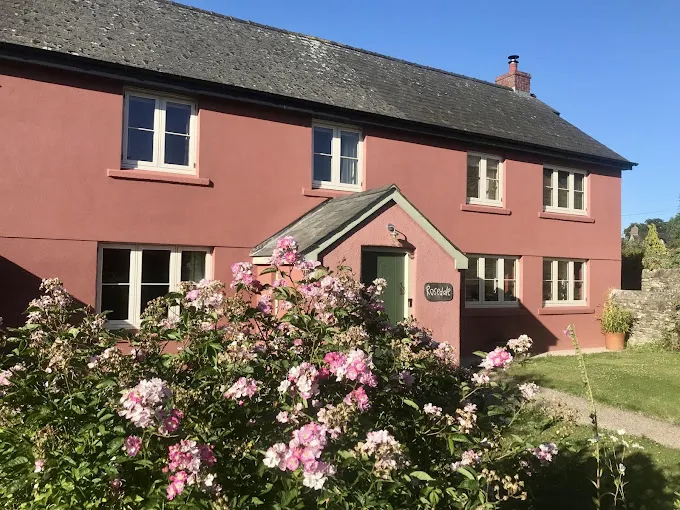
Silicone Rendering Kidwelly: Expert Guide

Silicone rendering Kidwelly provides durable, weather-resistant external wall protection ideal for the wet coastal climate of Carmarthenshire – discover the systems, benefits, and local expertise available to you.
Table of Contents
- What Is Silicone Rendering and Why It Suits Kidwelly
- Key Benefits of Silicone Rendering for Kidwelly Properties
- The Silicone Rendering Application Process
- Choosing the Right Silicone Render System
- Frequently Asked Questions
- Silicone Render vs Other Render Systems
- Coloured Rendering South Wales: Local Expertise
- Practical Tips for Silicone Rendering Projects
- The Bottom Line
- Sources & Citations
Article Snapshot
Silicone rendering Kidwelly is a high-performance external wall finishing system that bonds a flexible, polymer-enhanced render layer to exterior masonry. It delivers outstanding weather resistance, breathability, and colour retention for properties exposed to the wet Carmarthenshire climate, lasting up to 10 years with proper application.
Quick Stats: Silicone Rendering Kidwelly
- High-quality silicone render applied to a high standard and maintained lasts 10 years (JUB Renders, 2025)[1]
- Silicone render is formulated to be highly water-repellent while allowing water vapour to pass freely through the render layer (K-Rend Technical Team, 2025)[2]
- Silicone renders are rated more durable than traditional cement and sand render across long-term performance assessments (JUB Renders, 2025)[1]
What Is Silicone Rendering and Why It Suits Kidwelly
Silicone rendering Kidwelly is an external wall finishing method that uses a polymer-modified, silicone-enhanced render to create a flexible, weatherproof facade coating on residential and commercial properties. Unlike traditional sand and cement renders, silicone systems incorporate silicone polymers that give the finished coat outstanding hydrophobic properties – repelling rainwater while remaining vapour-permeable. Coloured Rendering South Wales has been applying these advanced systems across Carmarthenshire and the wider South Wales region since 1998, bringing specialist knowledge of local conditions to every project.
Kidwelly sits on the estuary of the Gwendraeth Fach river, just a few kilometres from the Carmarthen Bay coastline. Properties here face a combination of high annual rainfall, prevailing south-westerly winds, and periodic salt-laden air from the coast. Traditional sand and cement renders absorb this moisture, leading to frost damage, efflorescence, and eventual cracking. Silicone render’s hydrophobic surface sheds water immediately, preventing that absorption cycle from beginning.
The town also has a significant stock of older stone and brick properties, including Victorian terraces and interwar semi-detached houses, that were never originally rendered or have had their render replaced piecemeal over the decades. A modern thin-coat silicone render system applied over an appropriate base coat allows these properties to gain full weather protection without adding excessive thickness to the wall surface – an important consideration on narrow street frontages.
Call Us
“Silicone render represents a significant advancement in external wall finishing technology, offering superior performance characteristics compared to traditional cement-based systems,” said the Coloured Rendering South Wales Specialist (Coloured Rendering South Wales, 2025).[3]
For new-build projects and housing developments around Kidwelly, silicone render also offers a practical advantage: its through-coloured formulation means the finished facade requires no painting, reducing both the initial contractor programme and the long-term maintenance cycle for developers and housing associations operating in the area.
Key Benefits of Silicone Rendering for Kidwelly Properties
Silicone render delivers a combination of performance benefits that make it the most appropriate external finish for the majority of properties in and around Kidwelly, regardless of age or construction type. These benefits are consistently documented by product manufacturers and confirmed in field performance across South Wales.
Weather Resistance and Breathability
The defining characteristic of a silicone render is its ability to repel liquid water while allowing water vapour to move outward through the coating. This combination is particularly valuable in the Welsh climate, where walls frequently become damp from within due to normal domestic activities – cooking, bathing, breathing – as well as from driving rain on the outside. Baumit’s guide to facade renders and paints explains how silicone-based systems balance these two properties through careful polymer formulation.
“K-Rend K1 Silicone adds a high water repellent quality, while allowing water vapour to pass freely through the render,” confirmed the K-Rend Technical Team (K-Rend, 2025).[2] This breathability prevents interstitial condensation from building up behind the render layer, which is one of the primary causes of delamination and hollow patches in traditional cement renders on older Carmarthenshire properties.
Flexibility and Crack Resistance
Silicone polymers give the cured render a degree of elasticity that cement-based systems cannot match. Buildings experience minor seasonal movement as temperatures change and structural materials expand and contract. A rigid cement render accommodates this movement by cracking; a silicone render flexes with it. For properties in Kidwelly that have some historic movement or minor settlement in their foundations, this characteristic is directly relevant to the long-term performance of any new render applied.
“Silicone renders have proven over the years to be more durable than other traditional renders such as cement and sand render,” noted the JUB Renders Technical Expert (JUB Renders, 2025).[1] This durability reduces the frequency of repair call-outs and the cumulative cost of maintaining an external finish over the lifetime of a property.
Self-Cleaning Properties and Colour Retention
Modern thin-coat silicone renders are formulated with a surface chemistry that discourages the adhesion of algae, fungi, and airborne particulates. Rainfall washes the surface clean rather than allowing biological growth to stain it. In the humid conditions typical of coastal Carmarthenshire, this self-cleaning behaviour means that a silicone-rendered facade retains its appearance far longer than a painted or cement-rendered equivalent. The through-coloured nature of the system also means that minor surface wear does not expose a different-coloured substrate beneath.
The Silicone Rendering Application Process
The application process for silicone rendering on a Kidwelly property follows a defined sequence of preparation, basecoat, reinforcement, and finish stages, each of which directly affects the longevity and appearance of the completed work. Cutting corners at any stage shortens the service life of the system.
Surface Preparation
Every silicone render project begins with a thorough assessment of the existing wall surface. Loose, hollow, or contaminated render must be removed back to sound substrate. Cracks and voids are filled with compatible repair mortars and allowed to cure fully. Any organic growth – moss, algae, or lichens – is treated with an appropriate biocide and removed. On masonry substrates that have not previously been rendered, a bonding agent or scratch coat is required to establish the correct suction and key for the basecoat. This preparation phase is not optional; the UK Building Regulations Approved Documents framework sets clear expectations for substrate quality before any cladding or rendering system is applied.
Basecoat and Reinforcement Mesh
Once the substrate is sound, a basecoat render is applied to establish a flat, even plane across the wall surface. While the basecoat is still fresh, a fibreglass reinforcement mesh is embedded into it. This mesh layer is critical to the structural performance of the system – it distributes localised stress across the whole panel rather than concentrating it at any single point, which is particularly important around window and door reveals where movement is most likely to occur. The basecoat is then allowed to cure to the manufacturer’s specified timeframe before the finish coat is applied.
Spray Application of the Silicone Finish Coat
The final silicone render layer is most effectively applied using professional spray equipment, which deposits the material at a consistent thickness and with a uniform texture across the entire wall area. Hand application achieves good results on smaller areas, but spray application eliminates the risk of trowel marks and lap lines that become visible once the render dries. The spray method also significantly reduces the time on site – a factor that matters to homeowners in Kidwelly who want to minimise disruption to their daily routine. The completed finish is then left to cure under ambient conditions, with any exposed edges, reveals, and junctions finished by hand to ensure a clean, professional result.
“Our JUB silicone render offers superior and long-lasting decorative protection of the façade surface. In particular, if applied to a high standard and maintained, our silicone renders have been expertly developed and tested to last 10 years,” stated the JUB Renders Application Specialist (JUB Renders, 2025).[1]
Choosing the Right Silicone Render System
Selecting the correct silicone render system for a Kidwelly property depends on the wall construction, the existing surface condition, the desired aesthetic outcome, and the project budget. Three primary system types dominate the South Wales market, each with distinct characteristics.
Thin Coat Silicone Render
Thin coat silicone render is the most widely specified system for renovation work on existing properties. Applied at a thickness of 1.5-3 mm over a prepared basecoat, it adds minimal bulk to the wall surface while delivering the full silicone performance profile. The system is available in a wide range of colours and textures – fine, medium, and scraped – allowing it to match the character of both traditional Carmarthenshire stone buildings and modern rendered facades. Because the colour is integral to the product rather than applied as a separate paint layer, there is no requirement for periodic redecorating.
Silicone Monocouche Render
Monocouche silicone render combines the through-colour characteristic of traditional monocouche systems with the enhanced performance of silicone polymers. This single-coat system is applied at a greater thickness – 15-20 mm – and is particularly appropriate for new-build construction and for renovation projects where a more textured, traditional appearance is required. The Coloured Rendering Swansea service page details the range of monocouche options available for Swansea and Carmarthenshire properties: Coloured Rendering Swansea – durable and attractive rendering solutions for residential and commercial properties.
Silicone Render over External Wall Insulation
“Silicone render is the ideal choice. Its numerous benefits, including excellent weather resistance, breathability, flexibility and longevity, make it stand out from traditional options,” stated the JUB Renders Product Developer (JUB Renders, 2025).[4] When a Kidwelly property has solid walls and high heating costs, applying silicone render as the final coat of an external wall insulation (EWI) system delivers both thermal improvement and weather protection in a single programme of work. The insulation boards are fixed to the wall, the reinforcement mesh is embedded in adhesive basecoat over the boards, and the silicone finish coat is applied on top. This approach is particularly relevant to the older terraced and semi-detached housing stock common in Kidwelly and the surrounding Gwendraeth Valley.
Your Most Common Questions
How long does silicone rendering last on a Kidwelly property?
A properly applied silicone render system, maintained in accordance with manufacturer guidance, lasts a minimum of 10 years (JUB Renders, 2025).[1] Many installations in South Wales continue to perform well beyond this benchmark, particularly where the substrate was properly prepared and a quality product was used. The key factors affecting lifespan are the quality of the basecoat preparation, the consistency of the finish coat application, the choice of product for the specific exposure conditions, and the proximity to the coast. Properties in Kidwelly with direct exposure to Carmarthen Bay winds benefit from a system specifically rated for high-exposure zones. Regular inspection – particularly of junctions around windows, doors, and at the base of the wall – allows any minor issues to be addressed before they develop into more significant problems. A certified applicator will advise on the maintenance schedule appropriate to your specific system and location.
Is silicone rendering suitable for older stone properties in Kidwelly?
Silicone render is applied successfully to older stone properties in Kidwelly, provided the substrate is correctly assessed and prepared. The critical consideration with historic masonry is breathability: traditional lime-built walls were designed to manage moisture through vapour movement, and applying an impermeable coating would trap moisture within the wall fabric, causing damage. Modern thin-coat silicone renders are vapour-permeable, meaning they allow moisture to escape from the wall while preventing rainwater from entering. This makes them compatible with older solid-wall construction in a way that painted renders and dense cement systems are not. A specialist must assess the wall condition before specifying a system. Where the existing substrate is a traditional lime render, a compatible lime-based basecoat is required rather than a standard polymer basecoat, to maintain the vapour balance of the wall assembly. Properties within Kidwelly’s conservation area are also subject to local planning considerations regarding external finish materials, and checking with Carmarthenshire County Council before proceeding with any significant external alteration is advisable.
What colours are available for silicone rendering in Kidwelly?
Silicone render is available in an extensive palette of colours, running to several hundred standard shades and, in many product ranges, the option for bespoke colour matching to RAL or NCS references. Common choices for South Wales residential properties include whites, creams, warm greys, and anthracite tones – the latter having become increasingly popular on contemporary self-builds and refurbishments across Carmarthenshire. Lighter colours perform best in terms of maintaining appearance over time, as darker shades show thermal movement more readily in exposed locations and fade slightly more noticeably with prolonged UV exposure. The colour is integral throughout the render rather than a surface paint, so minor surface weathering does not expose a contrasting layer beneath. When selecting a colour for a Kidwelly property, consider the character of the surrounding streetscape, any restrictions that apply within conservation areas, and the effect of the local light – coastal light in Carmarthenshire makes colours appear slightly different from how they look on a colour card. Your rendering specialist will provide physical sample panels applied on a test area before the main application begins.
How does silicone rendering compare to pebbledash removal and re-rendering?
Many properties across Kidwelly and the wider Carmarthenshire area still carry original pebbledash or roughcast finishes applied in the mid-twentieth century. When this material is sound and well-adhered, it is sometimes over-rendered directly with a suitable thin-coat silicone system, provided the surface is cleaned, primed, and assessed for suction. Where the pebbledash is hollow, cracked, or delaminating, it must be removed before any new render is applied – attempting to apply a new system over failing substrate produces a finish that fails prematurely regardless of the quality of the new product. Removal of pebbledash is labour-intensive but provides the opportunity to inspect the underlying masonry for any moisture damage, repoint where necessary, and apply a fresh render system to a clean, controlled substrate. The result is a modern silicone-rendered facade with a clean, contemporary profile that eliminates the textured surface where moss and algae accumulate in the Welsh climate. For professional advice on the most appropriate approach for your specific property, see our Rendering Repairs South Wales – professional repairs and maintenance for external wall renders page.
Silicone Render vs Other Render Systems
Choosing an external render involves weighing performance, cost, maintenance, and aesthetic outcomes against one another. The table below compares the four most commonly specified systems for Kidwelly properties, drawing on documented product characteristics to give a factual basis for decision-making.
| Render System | Crack Resistance | Breathability | Maintenance Requirement | Typical Lifespan | Colour Flexibility |
|---|---|---|---|---|---|
| Thin Coat Silicone Render | Excellent – polymer flexibility accommodates movement | High – vapour-permeable by design | Low – self-cleaning surface | 10+ years[1] | Wide integral palette, no repainting needed |
| Monocouche Cement Render | Good – through-colour hides minor surface marks | Moderate | Low to moderate | 15-25 years with correct spec | Limited to factory palette |
| Sand and Cement Render (painted) | Poor – rigid and prone to cracking | Low when painted | High – requires repainting every 5-8 years | 5-10 years before repainting | Any paint colour |
| Silicone Render over EWI | Excellent – mesh reinforcement distributes stress | High | Low | 10-25 years depending on system[1] | Wide integral palette |
Coloured Rendering South Wales: Local Expertise for Kidwelly
Coloured Rendering South Wales has delivered spray rendering and plastering services across South Wales since 1998, building a specific understanding of the conditions that affect external wall performance in coastal Carmarthenshire. The team brings over 25 years of direct experience to silicone rendering Kidwelly projects, having worked on properties ranging from exposed seafront houses to inland Victorian terraces and new-build developments throughout the Gwendraeth Valley and beyond.
We are a Baumit Approved EWI Applicator with City & Guilds Assured accreditation, certified to install Baumit StarTop premium silicone render and complete EWI systems with manufacturer-backed warranties of up to 25 years. This certification means that when we specify and install a silicone render system for your Kidwelly property, the product warranty is backed by the manufacturer – not simply by our assurance alone. You can learn more about our team and our approach on our About us – Learn more about our experienced team and rendering expertise page, or explore our EWI Specialists South Wales – expert external wall insulation installations for energy efficiency service.
Our spray application method means that most domestic silicone rendering projects are completed significantly faster than equivalent hand-applied work, reducing the time scaffolding is in place and minimising disruption to you and your neighbours. Every project begins with a free assessment and quotation, during which we evaluate the substrate condition, discuss your colour and texture preferences, and recommend the most appropriate system for your property and location.
“With over 15 years in the building trade I have experienced several different plasterers all offering different styles and finishes. Geoff’s thin coat spray finish render would rival the best and I can’t recommend his team enough to someone thinking of using him. His professionalism and work ethic has stood out from many of the others we have worked with.” – Keri Hopkins, Google Review
“We’re 100% happy and wouldn’t hesitate to recommend Jeff. His workmanship is excellent and we’re also very happy with the product he recommended to eradicate the penetrating damp and give our house a great new look and lease of life.” – Alistair Legge, Google Review
To discuss your silicone rendering project in Kidwelly or anywhere across South Wales, contact Coloured Rendering South Wales for a free quote or consultation on your rendering project or call us directly on 07815 868070.
Practical Tips for Your Silicone Rendering Project in Kidwelly
Planning a silicone rendering project carefully before work begins reduces the risk of delays, cost overruns, and finish quality issues. The following guidance is based on the realities of rendering work in coastal Carmarthenshire.
Time your project for settled weather. Silicone render must not be applied in temperatures below 5°C or during rain. In Kidwelly, the driest and warmest window runs from late spring through early autumn. Booking your project for this period gives the render the best possible curing conditions and reduces the risk of weather delays extending the programme.
Address any damp or structural issues before rendering. Applying a new render over an existing damp problem will not resolve the underlying issue – it will mask it temporarily and then fail earlier than expected. If you have signs of penetrating damp, rising damp, or failed pointing, have these investigated and remedied before the render specification is finalised. Your rendering contractor should identify these issues during the pre-project survey.
Check planning requirements if your property is in a conservation area. Kidwelly town centre contains listed buildings and a designated conservation area. If your property falls within this designation, there are restrictions on external finish materials, colours, and textures. Contact Carmarthenshire County Council planning department before committing to a system or colour.
Request a physical sample panel. Colour charts and digital images do not accurately represent how a render colour will appear on your property under natural light. Ask your contractor to apply a small test panel in your chosen colour before the main application begins. This costs very little and prevents the far greater cost of a colour you are unhappy with once the whole building is rendered.
Consider the whole system, not just the finish coat. The performance of a silicone render is determined as much by the preparation and basecoat as by the finish material itself. A premium silicone topcoat applied over a poorly prepared substrate or an inadequate basecoat will underperform. Ensure that your contractor specifies and uses compatible system components from the same product range, and that the reinforcement mesh is properly embedded at the correct layer.
Plan for scaffold access carefully. On terraced properties in Kidwelly town streets, scaffold erection requires advance notice to neighbours and, in some cases, a licence from the highway authority for any scaffold that overhangs the public footway. Your contractor should manage this process, but build the lead time into your project schedule.
The Bottom Line
Silicone rendering Kidwelly is the most effective long-term solution for protecting and improving the external appearance of properties in this coastal Carmarthenshire town. The combination of water repellence, vapour permeability, flexibility, and self-cleaning performance addresses the specific challenges that Welsh weather and coastal exposure place on external wall finishes. With a documented service life of 10 years or more (JUB Renders, 2025),[1] and minimal maintenance requirements compared to painted cement renders, a well-specified silicone system represents sound long-term value for homeowners, landlords, and developers alike.
Coloured Rendering South Wales has the local knowledge, certified accreditations, and 25-plus years of South Wales experience to specify and install the right system for your property. Call us on 07815 868070, email geoff@colouredrenderingsouthwales.com, or visit our home page – expert spray rendering and external wall insulation services across South Wales to arrange your free site assessment and quotation today.
Sources & Citations
- Is silicone render worth it? And how come it’s so popular? JUB Renders, 2025.
https://www.jubrenders.co.uk/is-silicone-render-worth-it-and-how-come-its-so-popular - K-Rend K1 Silicone – Monocouche Scratch Render. InsulationGo, 2025.
https://insulationgo.co.uk/k-rend-k1-silicone-monocouche-scratch-render-coat-plaster-ewi-insulation-wall-oatmeal/ - Expert Silicone Render Kidwelly – Professional Application. Coloured Rendering South Wales, 2025.
https://www.colouredrenderingsouthwales.com/silicone-render-kidwelly/ - Why Silicone Render is the Best Choice for a Property’s Exterior. JUB Renders, 2025.
https://www.jubrenders.co.uk/why-silicone-render-is-the-best-choice-for-a-propertys-exterior-benefits-application-aesthetics
