
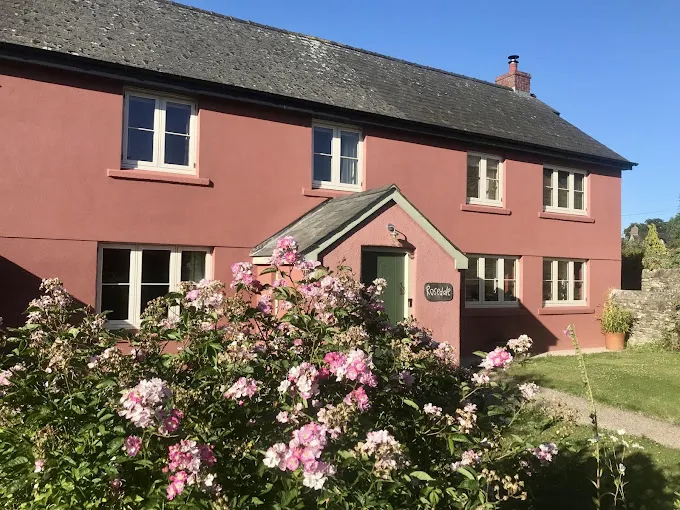
Cost-Effective Energy Efficient Rendering Port Talbot

Discover cost-effective energy efficient rendering Port Talbot solutions. Cut heat loss by 45%, save up to £300/year, and improve your EPC rating with expert spray rendering.
Table of Contents
- What Is Energy Efficient Rendering Port Talbot?
- How Insulated Render Cuts Energy Bills in Port Talbot’s Climate
- Choosing the Right Rendering System for Your Port Talbot Home
- The Energy Efficient Rendering Installation Process in Port Talbot
- Your Most Common Questions
- Render Options Compared: Energy Efficiency and Cost
- Coloured Rendering South Wales: Your Local Energy Efficiency Partner
- How to Achieve Energy Efficient Rendering in Port Talbot in 4 Steps
- Final Thoughts on energy efficient rendering port talbot
Article Snapshot
Energy efficient rendering Port Talbot is the installation of external wall insulation with a durable, coloured render finish on solid-walled homes. This proven retrofit solution cuts heat loss by up to 45%, reduces energy bills by hundreds of pounds annually, and helps meet modern EPC standards, all while improving a property’s appearance.
Quick Stats: Energy Efficient Rendering Port Talbot
- Over 60% of homes in Neath Port Talbot have uninsulated solid walls – a huge opportunity for energy efficient rendering (Welsh Government Housing Conditions Survey, 2021)[1].
- A typical semi-detached house in Wales saves up to £300 per year after installing external wall insulation (Energy Saving Trust, 2024)[2].
- External wall insulation cuts heat loss through solid walls by 45%, dramatically improving thermal performance (BRE, 2024)[3].
- Since 2013, 3,401 EWI measures have been installed in Neath Port Talbot homes, saving each household an average of £280 annually (DESNZ, 2023)[4].
What Is Energy Efficient Rendering Port Talbot?
Energy efficient rendering port talbot refers to the application of an insulated render system onto the exterior walls of a home, combining thermal insulation boards with a durable, weather-resistant finish to cut heat loss and slash energy bills. This process, also known as external wall insulation (EWI), is particularly effective for older solid-wall properties common across Port Talbot and Neath Port Talbot, where over 60% of homes lack cavity wall insulation (Welsh Government Housing Conditions Survey, 2021)[1].
At its core, the system adds a continuous layer of insulation, made from expanded polystyrene, mineral wool or high-performance phenolic boards, fixed directly to the existing masonry. A reinforced basecoat and a final decorative render (such as thin coat silicone, monocouche through-colour or acrylic finish) then protect the insulation and give the property a fresh new look. Because the render layer is waterproof yet breathable, it manages moisture effectively while stopping rain from penetrating the wall, a critical benefit in Port Talbot’s wet, coastal climate.
For locals considering this solution, Coloured Rendering Swansea – durable and attractive rendering solutions for residential and commercial properties. highlights how modern systems improve both the appearance and performance of Welsh homes.
Call Us
“External insulation is one of the most effective measures for reducing heat loss in older Welsh homes, and when combined with a render finish, it preserves the building’s appearance while slashing energy bills.” – Dr Joanne Paterson, Senior Lecturer, Welsh School of Architecture, Cardiff University[5]. Dr Paterson’s statement underscores why energy efficient rendering is gaining so much attention across South Wales.
The improvement in thermal performance is measurable: adding insulated render reduces a solid wall’s U-value from 2.1 down to as low as 0.3 W/m²K (Kingspan Insulation, 2023)[10]. With such a drastic cut in heat transmission, rooms stay warmer in winter and cooler in summer, removing the cold internal surfaces that trigger condensation and mould.
How Insulated Render Cuts Energy Bills in Port Talbot’s Climate
Installing insulated render dramatically reduces the amount of heat escaping through walls, which is critical for Port Talbot’s wet and windy climate. Because solid walls account for up to 45% of all heat loss in a typical home (Energy Saving Trust, 2024)[2], the biggest impact comes from wrapping the building in a thermal envelope.
The energy savings data tells a clear story. The Building Research Establishment found that external wall insulation cuts heat loss through solid walls by 45% (BRE, 2024)[3]. For a three-bedroom semi, annual savings are around £270–£460 according to the National Insulation Association, with an average installation cost near £8,000 (NIA, 2024)[6]. In Neath Port Talbot specifically, data from the Energy Company Obligation scheme shows that the 3,401 homes already treated save an average of £280 each year (DESNZ, 2023)[4].
Port Talbot’s local climate adds urgency. Port Talbot’s exposed coastal position means wind-driven rain can penetrate unprotected walls, saturating masonry and increasing heat loss dramatically. An insulated render system forms a continuous waterproof shield that keeps the wall dry, preserving the insulation’s thermal performance storm after storm. Homeowners frequently notice the difference not only in lower bills but in a much more comfortable atmosphere indoors, as draughts vanish and rooms feel warmer at the same thermostat setting.
Beyond pounds and pence, the environmental gain is substantial. Full external wall insulation on a solid-wall home cuts carbon dioxide emissions by up to 1.5 tonnes per year (Energy Saving Trust, 2023)[9], directly supporting Wales’s net-zero ambitions. For households previously struggling with fuel poverty – around 1,200 in Neath Port Talbot have been lifted out since 2015 according to the council’s Affordable Warmth Strategy (Neath Port Talbot Council, 2023)[11] – the improvement is life-changing.
Choosing the Right Rendering System for Your Port Talbot Home
Selecting the most appropriate render system is important for maximising energy efficiency, durability, and aesthetics for your Port Talbot property. Three main options dominate the market, each with distinct advantages.
Thin coat silicone render is the leading modern choice. Its flexibility resists cracking even as walls expand and contract with temperature swings, while the silicone base repels water yet allows trapped moisture to escape, an important property for Port Talbot’s coastal exposure. Coloured all the way through and self-cleaning, it retains a fresh appearance for decades with zero repainting.
Monocouche through-colour render offers a cost-effective alternative, applied in a single coat using spray technology. Because the colour is integrated throughout the material, chips and minor scratches remain invisible, removing the need for painting maintenance. This cement-based render also incorporates water-repelling additives, giving it strong weather resistance that suits the Welsh climate.
For maximum energy savings, both silicone and monocouche renders are installed over an insulation layer as part of a full EWI system. That combination changes a wall’s U-value radically: Kingspan Insulation (2023) reports a drop from 2.1 to as low as 0.3 W/m²K[10]. “Through-coloured render systems are not merely decorative; they deliver a weatherproof barrier that can significantly cut heat loss and help homeowners meet EPC targets,” says Michael Bennett, UK External Facades Product Manager at Weber (Saint-Gobain) (2024)[8].
For a technical overview of facade renders, see Choose The Perfect Facade, Renders & Paints. The initial outlay for a semi-detached house in South Wales, including insulation and render, is around £10,000 (Which?, 2024)[12], and the improved EPC rating, which jumps two bands from D to B (Energy Saving Trust, 2023)[9], adds property value while paying back through energy savings.
The Energy Efficient Rendering Installation Process in Port Talbot
A professional energy efficient rendering installation follows a systematic sequence to ensure lasting performance and optimum thermal improvement. The work begins with a detailed survey to assess wall condition, existing damp, and substrate suitability. Any loose or defective old render must be removed, and the surface thoroughly cleaned.
Next, insulation boards are mechanically fixed to the external walls using adhesive and specialist fixings, creating a continuous thermal layer around doors and windows. This is the core of the energy saving, a complete thermal wrap that eliminates cold bridging. A reinforcing mesh is embedded in a basecoat to give impact resistance, then the final render coat is applied. Spray application, such as the methods used for silicone and monocouche, delivers an even, fast finish that looks superb.
Local experience is critical. Port Talbot’s coastal environment demands correct specification of render type and fixings to resist salt-laden air and wind-driven rain. “Retrofit programmes in areas like Port Talbot are important to tackle fuel poverty and reduce carbon emissions, and external wall insulation plays a key role in improving energy efficiency of older homes,” states Lee Waters, Deputy Minister for Climate Change, Welsh Government (2025)[7]. This government backing underlines the long-term strategic importance of the work.
Homeowners can also take confidence from the fact that trained applicators will ensure compliance with UK building regulations. Always confirm that installations meet UK Building Regulations – Approved Documents requirements. After the render cures, which takes 24–48 hours depending on weather, the home is instantly warmer, quieter, and better-looking.
Your Most Common Questions
How much does energy efficient rendering cost in Port Talbot?
The average cost for installing external wall insulation and render on a semi-detached house in Port Talbot is £8,000–£12,000, but available grants reduce this significantly. The final price depends on wall area, access, insulation thickness and the chosen render system. Homeowners should always obtain a detailed survey and quote from a qualified local contractor to get an accurate figure.
Can I get a government grant for energy efficient rendering in Port Talbot?
Yes, eligible Port Talbot homeowners can access funding through the Welsh Government’s Warm Homes Programme and the Energy Company Obligation (ECO4) scheme to cover part or all of the cost. These grants target low-income households and those in fuel poverty, but some broader local authority initiatives also support owner-occupied and private rented homes. A specialist EWI contractor can advise on current eligibility and help with the application process.
How long does energy efficient render last on a Port Talbot property?
A professionally installed silicone or monocouche render with external wall insulation lasts 25–30 years with minimal maintenance, even in Port Talbot’s coastal climate. Silicone-based finishes offer superior UV and water resistance, while through-colour renders eliminate the need for repainting. Annual visual checks and occasional cleaning are all that is required.
Will energy efficient rendering stop damp problems in my home?
Energy efficient rendering combined with external wall insulation creates a warm, water-repellent external envelope that prevents condensation and damp ingress and resolves long-standing issues in solid-walled Port Talbot homes. Because the wall stays warmer, internal surfaces no longer reach dew point, so mould and condensation stains rarely return. A vapour-open render also allows any trapped moisture to escape, preventing damp build-up.
Render Options Compared: Energy Efficiency and Cost
Not all rendering solutions deliver the same thermal benefit. The table below illustrates how an insulated render system changes a solid-walled home compared with a standard render or no treatment at all, using performance data from verified sources.
| Render Type | Initial Cost (Semi-Det.) | Annual Energy Saving | Heat Loss Reduction | EPC Improvement |
|---|---|---|---|---|
| No Render / Bare Solid Wall | £0 | £0 | 0% | No change |
| Standard (Non-Insulated) Render | ~£4,000 | negligible | 5-10% | Marginal |
| Insulated Render (EWI + Silicone/Monocouche) | £8,000–£12,000[12] | £280–£460[4],[6] | 45%[3] | Up to 2 bands[9] |
The figures make the case: the outlay on insulated render is recouped through energy savings within 5–7 years, after which the home continues to run more cheaply and sustainably.
Coloured Rendering South Wales: Your Local Energy Efficiency Partner
Founded in 1998 and based in Swansea, Home page of Coloured Rendering South Wales – expert spray rendering and external wall insulation services across South Wales. has delivered energy efficient rendering across Port Talbot and the surrounding region for over 25 years. As a EWI Specialists South Wales – expert external wall insulation installations for energy efficiency., the firm holds Baumit Approved EWI Applicator status with City & Guilds Assured accreditation, enabling manufacturer-backed warranties of up to 25 years on premium silicone render systems.
The team’s perfect 5.0 Google rating reflects consistent quality. “Excellent! Turned up early, was experienced, knowledgeable, worked efficiently and the result looks great. Would highly recommend.” – Gerard Andrew Hardy, Google Review. Another recent client adds: “We’re 100% happy and wouldn’t hesitate to recommend Jeff. His workmanship is excellent and we’re also very happy with the product he recommended to eradicate the penetrating damp and give our house a great new look and lease of life.” – Alistair Legge, Google Review.
Spray rendering technology allows Coloured Rendering South Wales to complete installations faster than traditional hand application, minimising disruption to families. Every project begins with a free property assessment and no-obligation quotation, tailored to the specific demands of Port Talbot’s coastal environment. To take the first step towards a warmer, more valuable home, call 07815 868070 or visit Contact Coloured Rendering South Wales for a free quote or consultation on your rendering project..
How to Achieve Energy Efficient Rendering in Port Talbot in 4 Steps
Arrange a Free Professional Property Assessment
Contact a reputable local contractor to survey your home’s walls, identify any existing damp or structural issues, and measure the total wall area. The assessment will also establish whether you qualify for a government grant, helping to offset the investment. A thorough survey is the critical first step because it determines the insulation thickness and render type that will deliver the best energy savings.
Select the Most Suitable Insulated Render System
Choose between thin coat silicone, monocouche through-colour or acrylic render based on the survey. Factor in your budget, desired aesthetic, and the level of ongoing maintenance you want to avoid. The contractor will specify the ideal insulation board type and thickness to meet building regulations and achieve your target EPC improvement, dropping the wall’s U-value to below 0.3 W/m²K.
Prepare Surfaces and Fix Insulation Boards
Old defective render is removed and the masonry is cleaned. Insulation boards are then mechanically fixed with adhesive and specialist anchors in a staggered pattern that eliminates gaps and cold bridges. This stage creates the continuous thermal envelope that is the heart of the energy efficient rendering solution.
Apply the Render Finish and Inspect
A reinforced basecoat is applied over the insulation, followed by the decorative render using spray technology for a consistent, fast finish. After curing, the system is inspected to ensure all edges, reveals and sills are properly sealed. The result is a home that is immediately warmer, quieter, and protected for decades.
Final Thoughts on energy efficient rendering port talbot
Energy efficient rendering port talbot is more than a cosmetic upgrade; it is a practical investment that slashes heating bills, raises EPC ratings, and resolves long-standing damp concerns in the region’s solid-walled homes. With proven savings of up to £460 per year and heat loss cuts of 45%, the numbers speak for themselves.
Whether you are a homeowner wanting year-round comfort, a landlord aiming to meet regulatory standards, or a developer looking to add value, insulated render delivers a high-performance, low-maintenance finish ideally suited to Port Talbot’s demanding coastal climate. To discuss your project and receive a free, no-obligation quote, call Coloured Rendering South Wales on 07815 868070 or complete the contact form at https://www.colouredrenderingsouthwales.com/contact/. Take the first step towards a warmer, more efficient home today.
Useful Resources
- Welsh Housing Conditions Survey 2021. Welsh Government, 2021.
https://www.gov.wales/welsh-housing-conditions-suey-2021 - External Wall Insulation. Energy Saving Trust, 2024.
https://www.energysavingtrust.org.uk/insulation/external-wall-insulation - The Cost of Poor Housing in Wales 2024. BRE, 2024.
https://www.bre.co.uk/endor/the-cost-of-poor-housing-in-wales-2024 - Energy Company Obligation (ECO) Delivery Data: Local Authority by Measure. Department for Energy Security and Net Zero, 2023.
https://www.gov.uk/government/statistics/energy-company-obligation-eco-delivery-data-local-authority-by-measure - Retrofit for the Future: Cardiff Researchers Show Big Savings from External Insulation. CARIF, 2024.
https://www.carif.ac.uk/news/view/2855785/retrofit-for-the-future - NIA calls for national retrofit strategy to boost energy efficiency. Installer, 2024.
https://www.installateuronline.co.uk/nia-cals-for-national-retrofit-strategy/ - £300m Warm Homes Programme to reduce energy bills for 60,000 homes. Welsh Government, 2025.
https://www.gov.wales/300m-warm-homes-programme-to-reduce-energy-bills-for-60000-homes - Weber highlights how through-coloured render improves thermal performance. PBC Today, 2024.
https://www.pbctoday.co.uni/we-er-highlights-energy-eficient-renders/ - EPC Improvement Advice. Energy Saving Trust, 2023.
https://www.energysavingtrust.org.uk/advice/epc-improvement - Technical Guidance – U-values. Kingspan Insulation, 2023.
https://www.kingspan.com/gb/en/products/insulation/kooltherm/technical-guidance - Affordable Warmth Strategy 2023–2026. Neath Port Talbot Council, 2023.
https://www.npt.gov.uk/energy-and-sustainability/affordable-warmth-strategy-2023-2026 - External Wall Insulation Cost. Which?, 2024.
https://www.which.co.uk/xi-wall-insulation-cost
