
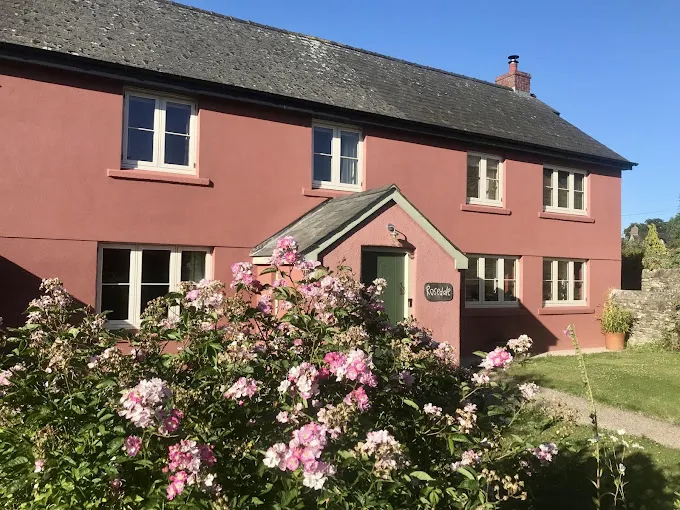
Silicone Render Pontardawe: Expert Guide

Silicone render Pontardawe services protect external walls from Wales’s heavy rainfall and driving winds – discover the key benefits, system choices, and how to choose the right specialist for your property.
Table of Contents
- What Is Silicone Render and Why It Suits Pontardawe Properties
- The Key Benefits of Silicone Render for South Wales Homes
- The Silicone Render Application Process Explained
- Choosing the Right Silicone Render Specialist in Pontardawe
- Frequently Asked Questions
- Comparing External Render Systems
- Coloured Rendering South Wales
- Practical Tips for Property Owners
- Key Takeaways
- Sources & Citations
Article Snapshot
Silicone render Pontardawe is a polymer-modified external wall coating that bonds silicone resins to mineral aggregates, creating a waterproof yet breathable finish. It resists cracking, repels driving rain, and retains colour without repainting – making it the leading choice for residential and commercial properties in the Neath Valley.
Silicone Render Pontardawe in Context
- Coloured Rendering South Wales holds a 5.0 out of 5 Google rating across multiple verified reviews (Coloured Rendering South Wales, 2026)[1]
- The company brings 25 years of experience in silicone render installations across South Wales (Coloured Rendering South Wales, 2026)[1]
- BMF member companies in the building materials sector employ 203,000 people, reflecting the scale and professional standards of the UK rendering industry (Building Materials Federation, 2023)[2]
What Is Silicone Render and Why It Suits Pontardawe Properties
Silicone render Pontardawe is an advanced external wall coating system that uses silicone resins as its primary binder, delivering far greater weather resistance and flexibility than traditional cement or lime-based alternatives. Pontardawe sits in the Neath Valley, where the surrounding hills funnel rainfall and wind against exposed elevations – conditions that expose the limitations of older render systems and make the performance characteristics of silicone formulations particularly relevant.
As the Coloured Rendering South Wales team notes, “Silicone render represents a significant advancement in external wall coating technology, utilising silicone resins as the primary binder rather than traditional cement or lime.” (Coloured Rendering South Wales, 2026)[1] This distinction matters because the silicone polymer matrix behaves differently from cementitious renders at a molecular level: water molecules cannot penetrate the hydrophobic surface, yet water vapour from inside the wall passes outward freely. The result is a substrate that stays dry on the outside but does not trap moisture within the masonry.
Coloured Rendering South Wales has been applying modern render systems across the region since 1998 and regularly works on properties across the Neath Valley, including Pontardawe, Clydach, and Ystradgynlais. The company’s understanding of local building stock – terraced housing, semi-detached pebbledash homes, and stone-built properties – informs every specification decision.
Call Us
The Valley’s micro-climate is characterised by high annual rainfall, frequent low cloud, and periods of persistent damp. These conditions accelerate the deterioration of conventional renders, particularly sand-and-cement systems that absorb water, expand and contract with freeze-thaw cycles, and eventually crack or delaminate. Silicone-modified thin coat systems were developed specifically to address these failure modes. Their flexible matrix accommodates minor building movement, and the hydrophobic surface sheds water before it saturates the wall.
For Pontardawe homeowners considering an external upgrade, the combination of the area’s weather exposure and the prevalence of older solid-wall construction makes silicone render one of the most practical and cost-effective exterior finishing choices available.
The Key Benefits of Silicone Render for South Wales Homes
Silicone render delivers a distinct set of performance advantages that align closely with the challenges faced by property owners across South Wales, particularly in inland valley locations such as Pontardawe where damp and wind-driven rain are constant considerations.
Weather Resistance and Waterproofing
The hydrophobic chemistry of silicone render prevents water absorption at the wall surface while allowing the substrate to breathe. As the Coloured Rendering South Wales team explains, “The water-repellent properties of silicone render provide excellent protection against driving rain, which can be particularly severe in coastal locations.” (Coloured Rendering South Wales, 2026)[1] This same protection applies equally to valley properties exposed to heavy orographic rainfall. When water cannot penetrate the render, the risk of frost damage, salt crystallisation, and biological growth is substantially reduced.
K Rend, one of the UK’s established silicone render manufacturers, confirms this performance basis: “The silicone technology in K Rend silicone renders significantly reduces the amount of water absorption on the render surface offering superior weather resistance.” (K Rend Technical Team, 2023)[2]
Flexibility and Crack Resistance
Traditional cement renders are relatively rigid. When a building settles, or when thermal expansion and contraction cycle through the substrate, hairline cracks appear in the render surface. These cracks allow water ingress, which accelerates further deterioration. Silicone render’s polymer structure absorbs this movement elastically. The silicone polymers provide exceptional flexibility, allowing the render to accommodate building movement without cracking – a critical advantage for older properties in Pontardawe where structural settling is common.
Self-Cleaning and Low Maintenance
Silicone render’s hydrophobic surface creates a lotus effect: rainwater beads and runs off rather than spreading across the face of the wall. This washing action carries dirt and biological matter with it, keeping the render face cleaner between maintenance interventions. Property owners in the Neath Valley report that silicone-rendered elevations remain noticeably cleaner than adjacent painted or sand-and-cement surfaces, even after extended periods of damp weather.
Colour Retention and Aesthetics
Because silicone render is through-coloured during manufacture, the pigment is integral to the product rather than applied as a surface coating. UV-stable pigments resist fading, meaning the colour seen on day one remains consistent for many years without repainting. This is particularly valuable for through-valley properties in South Wales, where prolonged cloud cover and UV exposure combine with acid rainfall to degrade conventional painted surfaces relatively quickly. The elimination of regular repainting cycles delivers tangible long-term savings on maintenance budgets.
The Silicone Render Application Process Explained
The silicone render application process follows a structured sequence that determines both the quality of the finished surface and the longevity of the system – cutting corners at any stage creates vulnerabilities that compromise the entire installation.
Surface Preparation
Proper preparation of the substrate is the foundation of a successful silicone render installation. Existing render that is hollow, cracked, or contaminated with organic growth must be removed before new material is applied. Masonry surfaces require thorough cleaning to remove dust, grease, and loose material. Any structural cracks in the underlying substrate should be repaired and allowed to cure fully before rendering proceeds. In Pontardawe, where many properties have existing pebbledash or sand-and-cement finishes, assessing the condition of the existing render is the critical first decision – in many cases, repair and overlay is feasible, but a failed system requires full removal.
Priming and Base Coat Application
A suitable primer is applied to the prepared substrate to improve adhesion and regulate suction. For thin coat silicone systems, a polymer-modified base coat is then applied and reinforced with alkali-resistant fibreglass mesh, which is embedded into the wet basecoat using a float or trowel. This reinforcement layer prevents point cracking and ties the system together. The Baumit facade renders and paints guide provides detailed technical background on the layered system approach used in modern silicone render installations. The base coat must cure for the manufacturer-specified period before the finish coat is applied – rushing this stage is a common cause of delamination.
Spray Application of the Finish Coat
The thin coat silicone finish is applied using professional spray equipment, which delivers a consistent layer thickness across the entire wall face. Spray application is significantly faster than hand application and produces a more uniform texture – an important consideration for large elevations or multi-property developments. For a standard semi-detached property in Pontardawe, spray application of the finish coat is completed in a single working day once the base coat is cured. Hand application is used in restricted areas, around reveals, or where access prevents spray use.
Finishing and Quality Checks
Once the finish coat is applied, the render is checked for consistent texture, colour uniformity, and clean detailing around windows, doors, and corners. Expansion joints, movement beads, and stop beads are fitted as required by the system specification. The UK Building Regulations Approved Documents set out relevant standards for external wall coverings, and a competent specialist ensures installations comply with current requirements. The cured silicone render requires no further surface treatment – it is ready to perform from the day the installers leave site.
Choosing the Right Silicone Render Specialist in Pontardawe
Selecting a qualified and experienced silicone render specialist in Pontardawe directly determines the durability and appearance of the finished installation – not all rendering contractors have equal experience with modern thin coat silicone systems.
Verifying Qualifications and Accreditations
Legitimate silicone render specialists hold documented accreditations from render system manufacturers. Baumit Approved EWI Applicator status with City & Guilds Assured accreditation indicates that the contractor has been trained and assessed to the manufacturer’s technical standards. This accreditation unlocks manufacturer-backed warranties of between 10 and 25 years depending on the system, providing property owners with documented long-term protection. Ask any prospective contractor to provide evidence of their accreditations and confirm which systems they are authorised to install.
Local Track Record and References
A contractor with a demonstrable local track record in the Neath Valley and wider South Wales area brings specific knowledge of regional building types, substrate conditions, and weather exposure that generic rendering contractors lack. Verified Google reviews, named client references, and a portfolio of completed local projects provide meaningful evidence of consistent performance. A perfect 5.0 Google rating across numerous independent reviews – as held by Coloured Rendering South Wales – is a strong indicator of reliability and quality that self-reported claims cannot replicate.
Specification and Quoting Process
A professional rendering contractor visits the property before quoting, assesses the existing substrate condition, identifies any preparatory work required, and recommends the most appropriate system for the building type and exposure level. A written quotation should specify the render system by brand and product name, the scope of preparatory work, the application method, and the warranty provided. Vague quotations that simply describe “render and finish” without specifying the system should be treated with caution – the product specification directly affects performance and warranty eligibility.
Insurance and Guarantees
All work on external walls should be carried out by fully insured contractors. Public liability insurance protects you if damage occurs to your or neighbouring properties during the works. For EWI Specialists South Wales installations combining insulation with a silicone render finish, the contractor should also show that their work meets the thermal performance requirements under current UK building regulations. Written guarantees, backed by manufacturer warranties for accredited installations, provide the most durable form of post-completion protection.
Your Most Common Questions
How long does silicone render last on a Pontardawe property?
Silicone render installed correctly on a properly prepared substrate lasts between 20 and 30 years before any significant remedial work is required. The through-coloured formulation means the surface does not need repainting, and the self-cleaning properties keep the finish looking well-maintained for extended periods. For properties in the Neath Valley, where annual rainfall is high and conditions are persistently damp, silicone render outperforms sand-and-cement systems significantly – cement renders in exposed Pontardawe locations require attention within 10 to 15 years due to cracking and water absorption. Manufacturer-backed warranties for accredited installations, such as those available through Baumit Approved EWI Applicators, extend to 25 years, providing documented long-term protection. The actual service life depends on the quality of surface preparation, the specification chosen, and whether appropriate expansion detailing was installed. Annual visual inspections to identify and address any minor damage early will maximise longevity.
Can silicone render be applied over existing pebbledash or sand-and-cement render?
Whether silicone render is applied over an existing finish depends entirely on the condition and integrity of the substrate. If the existing render is well-bonded, structurally sound, and free of hollow patches, it is possible to apply a silicone thin coat system over the top following thorough cleaning and priming. This approach is more cost-effective than full removal and avoids the disruption of stripping. However, if the existing render is hollow in sections, cracked through to the masonry, or contaminated with organic growth that cannot be fully eradicated, removal is the correct approach. Applying a new system over a failed substrate shortens the life of the new render and voids the manufacturer warranty. A professional rendering contractor carries out a tap test and visual assessment before recommending the appropriate course of action. In Pontardawe, pebbledash removal is a routine part of many projects and should not deter homeowners from considering silicone render upgrades.
What colours are available for silicone render in Pontardawe?
Modern silicone render systems are available in an extensive range of colours, numbering in the hundreds across leading manufacturer palettes. Colours are formulated with UV-stable pigments that resist fading, meaning the chosen shade remains consistent throughout the render’s service life without the need for repainting. Popular choices for residential properties in South Wales include off-white and cream shades that reflect the traditional render palette of the region, as well as contemporary light greys and warm stone tones suited to modern property styles. Darker colours are available but require careful consideration of thermal movement – darker surfaces absorb more solar radiation, which increases expansion and contraction cycles. Your rendering specialist should advise on appropriate colour choices for your specific property type, elevation aspect, and the render system being used. Colour samples should always be viewed on the actual wall in differing light conditions before a final decision is made.
How does silicone render compare to external wall insulation (EWI) for a Pontardawe home?
Silicone render applied directly to masonry and an external wall insulation system finished with silicone render serve different primary purposes, though both improve the appearance and weather protection of a property. A direct silicone render application addresses weatherproofing, aesthetics, and maintenance reduction – it does not meaningfully improve the thermal performance of the wall. An EWI system adds a layer of insulation board between the masonry and the render finish, delivering substantial reductions in heat loss through the wall fabric. For solid-walled properties common in older Pontardawe housing stock, where cavity wall insulation is not an option, EWI is the primary route to improving energy efficiency and reducing heating costs. The silicone render finish on an EWI system provides identical weather and aesthetic performance to a direct application. The choice depends on whether your priority is cosmetic and weatherproofing improvement alone, or whether reducing energy bills and improving your property’s EPC rating is also an objective. A specialist assesses your property and recommends the most appropriate route.
Comparing External Render Systems for Pontardawe Properties
Property owners in Pontardawe choose between four external render systems, each with different performance characteristics, maintenance requirements, and cost profiles. Understanding the differences helps you match the system to your property’s specific needs and budget.
| Render System | Weather Resistance | Maintenance Required | Flexibility | Typical Longevity |
|---|---|---|---|---|
| Silicone Thin Coat Render | Excellent – hydrophobic surface repels driving rain | Very low – self-cleaning, no repainting | High – accommodates building movement | 20-30 years |
| Monocouche Through Colour Render | Good – weather-resistant cement matrix | Low – through-coloured, no painting required | Moderate | 15-25 years |
| One Coat Cement Render | Moderate – absorbs some water | Higher – requires periodic repainting | Low – prone to hairline cracking | 10-15 years |
| EWI with Silicone Render Finish | Excellent – combined with insulation benefits | Very low | High | 20-30 years with insulation benefit |
Coloured Rendering South Wales
Coloured Rendering South Wales is a Swansea-based plastering and spray rendering specialist with over 25 years of continuous experience serving residential and commercial properties across South Wales, including Pontardawe, the Neath Valley, Swansea, Cardiff, and Newport. Established in 1998, the company holds a perfect 5.0 Google rating and carries Baumit Approved EWI Applicator status with City & Guilds Assured accreditation, enabling the installation of Baumit StarTop premium silicone render and full EWI systems backed by manufacturer warranties of up to 25 years.
For silicone render Pontardawe projects, the team offers free property assessments to evaluate substrate condition, identify preparatory requirements, and recommend the most suitable system for each building type and exposure level. Services available to Pontardawe property owners include thin coat silicone render, Coloured Rendering Swansea – durable and attractive rendering solutions for residential and commercial properties – monocouche through colour render, one coat cement render, and complete EWI systems. The company also provides specialist Rendering Repairs South Wales – professional repairs and maintenance for external wall renders – for properties with existing render that has cracked, delaminated, or failed.
Clients consistently highlight the quality of workmanship and the professional approach of the team. “With over 15 years in the building trade I have experienced several different plasterers all offering different styles and finishes. Geoff’s thin coat spray finish render would rival the best and I can’t recommend his team enough to someone thinking of using him. His professionalism and work ethic has stood out from many of the others we have worked with.” – Keri Hopkins, Google Review
“We’re 100% happy and wouldn’t hesitate to recommend Jeff. His workmanship is excellent and we’re also very happy with the product he recommended to eradicate the penetrating damp and give our house a great new look and lease of life.” – Alistair Legge, Google Review
To arrange a free consultation for your Pontardawe property, contact Coloured Rendering South Wales for a free quote or consultation on your rendering project by calling 07815 868070 or emailing geoff@colouredrenderingsouthwales.com.
Practical Tips for Pontardawe Property Owners
The following guidance helps you plan a silicone render project effectively and get the best long-term results from your investment in external wall protection.
Inspect your existing render before winter. The autumn and early winter period – before the heaviest Neath Valley rainfall arrives – is the best time to identify cracks, hollow patches, or areas of delamination. Catching these early allows repairs to be completed before water ingress worsens the situation. A professional tap test across the render face will identify hollow areas that are not visible to the naked eye.
Choose your colour carefully and request a sample. Silicone render colour is integral and difficult to change once installed. Ask your contractor to apply a small sample patch to your wall and observe it in morning, midday, and overcast light before committing. Colours appear significantly different on a wall compared to a chip card, and the texture of the render affects how the colour reads at distance.
Combine with EWI for solid-wall properties. If your Pontardawe property was built before 1930 and has solid brick or stone walls, the EWI route simultaneously addresses weatherproofing and energy efficiency. With heating costs remaining a significant household expense, the return on investment from EWI is compelling. Check with your contractor whether your property is eligible for any available government energy efficiency schemes.
Verify contractor accreditations before committing. Request documentary evidence of manufacturer accreditations and insurance. A Baumit Approved EWI Applicator must be re-assessed periodically to maintain their status – this ensures current competence, not simply historical training. The About us page of Coloured Rendering South Wales details the company’s credentials and history.
Plan access requirements early. Scaffolding or mobile elevated work platforms are required for most external rendering projects. Factoring access costs into the budget from the outset avoids surprises, and planning scaffold erection for a settled weather window reduces the risk of delays. Your contractor should include access as part of the project programme.
Key Takeaways
Silicone render Pontardawe installations offer property owners a high-performance, low-maintenance external wall solution well suited to the demanding conditions of the Neath Valley. The combination of hydrophobic weather resistance, crack-accommodating flexibility, self-cleaning surfaces, and integral UV-stable colour addresses the principal failure modes of older render systems and reduces long-term maintenance costs significantly. Whether you are upgrading a tired pebbledash finish, addressing water ingress on a solid-wall property, or finishing a new build to a modern standard, silicone render delivers measurable benefits over conventional alternatives.
Coloured Rendering South Wales brings over 25 years of local expertise, Baumit Approved EWI Applicator accreditation, and a verified 5.0 Google rating to every project in the Pontardawe area. To discuss your property’s requirements and receive a free, no-obligation assessment, call the team on 07815 868070, email geoff@colouredrenderingsouthwales.com, or visit the home page of Coloured Rendering South Wales – expert spray rendering and external wall insulation services across South Wales.
Sources & Citations
- Professional Silicone Render Swansea Services / Internal Plastering Pontardawe. Coloured Rendering South Wales.
https://colouredrenderingsouthwales.com/silicone-render-swansea/ - BMF Handbook & Directory 2023. Building Materials Federation (BMF).
https://www.bmf.org.uk/documents/publications/BMF-Handbook-2023.pdf
