
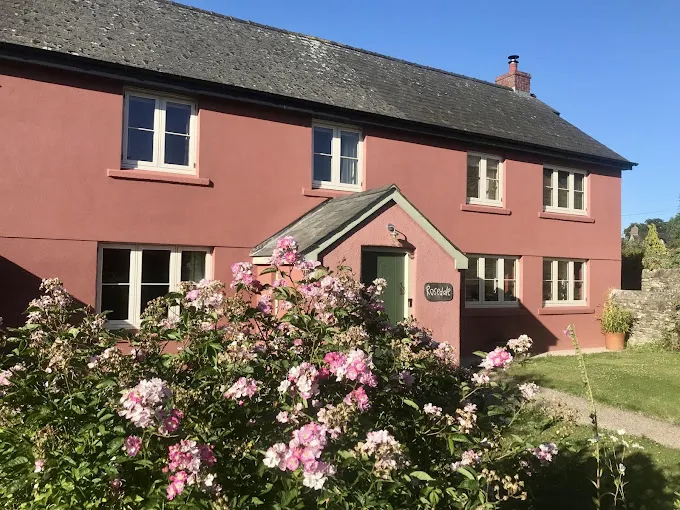
Best Silicone Render Llanelli for Your Property

Silicone render Llanelli is the modern external wall finish of choice for homeowners and developers seeking durable, low-maintenance protection against the region’s coastal climate – discover which system suits your property best.
Table of Contents
- What Is Silicone Render?
- Benefits of Silicone Render in Llanelli
- The Silicone Render Application Process
- Choosing the Right Render System for Your Property
- Frequently Asked Questions
- Render System Comparison
- Coloured Rendering South Wales
- Practical Tips for Property Owners
- The Bottom Line
- Sources & Citations
Quick Summary
Silicone render Llanelli is a polymer-modified external wall coating that bonds to masonry and provides flexible, waterproof, breathable protection. It resists cracking, repels rain-driven moisture, and requires no repainting, making it the leading low-maintenance finish for properties along the South Wales coast.
What Is Silicone Render?
Silicone render is a polymer-modified, thin-coat external wall finish formulated with silicone resins that make the cured surface simultaneously waterproof and vapour-permeable. Unlike traditional sand-and-cement renders that rely on paint for weather resistance, a silicone render system is pre-coloured throughout and engineered to shed water while allowing trapped moisture to escape through the wall substrate. This breathable waterproof render behaviour is important for older properties with solid masonry walls, where moisture must be allowed to migrate outward rather than become trapped and cause internal damp problems.
Coloured Rendering South Wales has been specifying and applying silicone render systems across Llanelli, Swansea, and the wider South Wales coast since 1998, developing a detailed understanding of which systems perform best in the region’s high-rainfall, salt-laden coastal environment. The company’s expert spray rendering and external wall insulation services across South Wales cover the full lifecycle of external wall finishes, from initial installation through to targeted repair.
Silicone renders are supplied as a ready-mixed paste and applied over a basecoat or directly to a prepared substrate in a layer between 1.5 mm and 3 mm thick. The thin application profile means minimal additional loading on wall structures and no significant change to window and door reveals. Once cured, the surface develops self-cleaning characteristics: rainwater forms beads that roll off the face, carrying dirt particles with them rather than allowing grime to build up in the texture. For properties in Llanelli – where prevailing south-westerly winds drive salt-laden rain directly onto west-facing elevations – this combination of water repellency, flexibility, and self-cleaning performance makes silicone render the most resilient external finish available.
Call Us
The through-colour formulation means the render is the same shade throughout its thickness, so minor surface scuffs or weathering do not reveal a contrasting undercoat. Manufacturers supply silicone render in a wide palette of colours, and the silicone chemistry stabilises pigments against ultraviolet degradation far more effectively than organic paint binders, meaning colours remain consistent for well over a decade without recoating.
Key Benefits of Silicone Render Llanelli Properties Gain
Silicone render Llanelli applications deliver a set of performance advantages that directly address the challenges posed by the town’s coastal position on the Gower estuary and the consistent westerly weather patterns that bring high annual rainfall to the area.
The primary benefit for most property owners is weather protection. Llanelli sits on Carmarthen Bay and receives significantly higher rainfall than many inland UK locations. Traditional painted cement renders absorb moisture, expand and contract with freeze-thaw cycles, and eventually crack or delaminate. A silicone render system, by contrast, remains flexible after curing because the silicone polymer chains do not become brittle at low temperatures. This flexibility allows the render to accommodate minor structural movement in the wall without cracking, maintaining the weatherproof seal through multiple winter seasons.
A second major benefit is the elimination of routine external decoration. Conventional renders require repainting every five to ten years depending on exposure, with the cost and disruption of scaffolding, surface preparation, and paint application recurring throughout the building’s life. Silicone render requires no painting at any point. The factory-applied colour is UV-stable and the surface texture does not provide a substrate for moss or algae to colonise, keeping the finish presentable with only the occasional rinse from rainfall itself.
Crack Resistance and Substrate Compatibility
Silicone thin coat render systems include reinforcing mesh embedded in the basecoat layer, distributing stress across the wall face rather than concentrating it at specific points. This composite structure significantly reduces the risk of crack formation compared to plain cement renders applied without reinforcement. When applied over External Wall Insulation boards, the mesh layer is particularly important because the insulation substrate has less inherent rigidity than masonry, and the basecoat-and-mesh system bridges any minor differential movement between boards.
Compatibility with the underlying substrate is a technical consideration that matters enormously in Llanelli, where the housing stock includes Victorian and Edwardian terraces built from local sandstone, post-war rendered concrete block properties, and modern cavity-wall construction. Silicone renders formulated on an appropriate basecoat adhere well to all of these substrates provided the surface is structurally sound, clean, and primed correctly. Properties with friable or contaminated surfaces require more extensive preparation, which an experienced contractor will identify during an initial survey before quoting.
For properties on the Coloured Rendering Swansea page covering durable and attractive rendering solutions for residential and commercial properties, the same silicone render principles apply: coastal proximity demands higher-specification materials and thorough surface preparation rather than the lowest-cost option available.
The Silicone Render Application Process Explained
The application process for silicone render follows a defined sequence of stages that each contribute to the finished system’s performance and longevity, and understanding these stages helps property owners evaluate quotations and assess whether a contractor is proposing a complete, properly specified installation.
Surface preparation is the most consequential stage of the entire process. All existing render that is hollow, cracked, or delaminating must be removed back to the substrate. Exposed masonry is cleaned of organic growth, efflorescence, and contamination. Any cracks in the substrate are filled and allowed to cure before the rendering sequence begins. On properties where previous render has failed due to damp ingress or chemical attack, the cause must be identified and addressed before new render is applied; simply covering a compromised substrate with a new coat will reproduce the same failure within a few years.
Once the substrate is prepared, a specialist primer is applied by brush or roller to regulate suction and improve adhesion of the basecoat. On External Wall Insulation systems, the primer is applied to insulation boards after they have been mechanically fixed to the wall. The basecoat – a polymer-modified cement mortar – is then applied and a reinforcing alkali-resistant fibreglass mesh is pressed into the wet basecoat and trowelled flat. This reinforcement layer is what gives silicone render systems their crack resistance and is a non-negotiable component of any properly installed system.
Spray Application and Finishing
After the basecoat has cured – 24 to 48 hours depending on temperature and humidity – a silicone primer coat is applied to condition the surface for the finish render. The silicone render itself is then applied, most commonly using professional spray equipment. Spray application delivers several advantages over hand application: coverage rates are significantly higher, meaning large wall areas are completed in a fraction of the time; the spray process distributes the render at consistent pressure, creating a more uniform texture across the entire elevation; and the mechanised application reduces the physical demands on the applicator, allowing sustained concentration on finish quality throughout the working day.
Coloured Rendering South Wales uses spray application as standard, which is one reason the team completes a typical semi-detached house in Llanelli or the surrounding area in considerably less time than contractors relying on traditional hand application. For property developers managing programme timelines across multiple plots, this efficiency directly reduces preliminary costs and accelerates handover dates. The finish render is applied in a range of textures – from fine scratch through to medium grain – depending on the architectural character of the property and the client’s preference.
Curing time for the completed system varies with ambient temperature, but under typical South Wales autumn or spring conditions the render reaches handling strength within 24 hours and full weather resistance within seven days. During this curing period the surface should be protected from frost, heavy rain immediately after application, and direct strong sunlight, all of which affect the hydration chemistry of the basecoat and compromise long-term performance.
Choosing the Right Render System for Your Llanelli Property
Choosing the correct render system for a specific property in Llanelli requires matching the technical characteristics of available products to the building’s construction type, exposure rating, and the owner’s objectives for cost, appearance, and maintenance commitment over time.
Thin coat silicone render is the most appropriate choice for the majority of Llanelli properties seeking a modern, colour-stable, low-maintenance external finish. It suits both new builds and renovation projects, works over a wide range of substrates, and delivers the best combination of weather resistance and breathability for the coastal climate. Where the property also has inadequate thermal performance – common in pre-1970 solid wall construction – the silicone render is incorporated into a full EWI Specialists South Wales system for expert external wall insulation installations, combining energy efficiency improvement with a fresh rendered exterior in a single project.
Monocouche through colour render is an alternative for property owners who prefer the aesthetic of a cement-textured finish or are working within the constraints of planning conditions that specify a particular material. Monocouche is applied in a single coat, is pre-coloured throughout, and achieves good weather resistance, though it is generally less flexible than a silicone system and carries a higher risk of hairline cracking over time on substrates that experience movement. It remains a durable and cost-effective solution for housing developments and commercial properties where speed of application and no-paint maintenance are the primary requirements.
When Rendering Repairs Are the Right Answer
Not every property in Llanelli requires a complete re-render. Where existing render is fundamentally sound but has isolated areas of cracking, hollow patches, or localised weather damage, targeted rendering repairs from South Wales professionals extend the life of the current finish at a fraction of the cost of full replacement. A thorough survey by an experienced contractor will identify whether repair is genuinely viable or whether the extent and pattern of damage indicates systemic failure that makes re-rendering the more cost-effective long-term approach. Attempting to patch a render that is failing across a large proportion of its area produces an unsatisfactory visual result and does not address the underlying causes of deterioration.
For properties approaching complete render failure, the choice between a silicone thin coat system, monocouche, and one coat cement render should be based on the property’s specific exposure zone, the desired finish aesthetic, the budget available, and the owner’s tolerance for future maintenance. An experienced South Wales rendering contractor with knowledge of local conditions will provide guidance that generic online information cannot replicate.
Your Most Common Questions
How long does silicone render last on a property in Llanelli?
A properly installed silicone render system on a Llanelli property performs for 20 to 25 years before any significant maintenance is required. The silicone resin chemistry resists UV degradation and retains flexibility over this period, preventing the brittleness and cracking that causes traditional cement renders to fail much sooner. Manufacturer-backed warranties on premium systems such as Baumit StarTop, installed by a certified Baumit Approved EWI Applicator, extend up to 25 years, providing documented long-term protection. The actual service life depends on the quality of surface preparation before installation, the specification of the system used, and the exposure level of the elevation. West-facing walls in coastal locations such as Llanelli receive the heaviest weather loading and show slight changes in texture appearance before more sheltered elevations, but waterproofing performance is maintained throughout the system’s design life provided there is no physical damage from impact or substrate movement that exceeds the render’s flexibility range.
Can silicone render be applied to an older Llanelli terraced house?
Yes, silicone render is suitable for older terraced houses common across Llanelli, including Victorian and Edwardian solid-wall properties, provided the substrate is properly prepared. The breathable nature of silicone render is well matched to solid wall construction because it allows moisture that enters the wall – through mortar joints, window reveals, or rising damp – to evaporate outward rather than becoming trapped behind a vapour-impermeable coating. Before application, any existing render that is loose, hollow, or contaminated must be removed and the masonry surface cleaned and primed. If the property has a history of damp problems, these must be investigated and remedied before re-rendering; silicone render provides excellent weather resistance but is not a substitute for proper damp-proofing measures where structural damp is present. A site survey by a qualified rendering contractor will establish the correct preparation scope and the most appropriate silicone render specification for the property’s construction and exposure rating.
What colours are available for silicone render in Llanelli?
Silicone render is available in a very wide range of colours – most leading manufacturers offer palettes of several hundred shades, and bespoke colour matching is available for properties where planning conditions or architectural continuity require a specific tone. Popular choices for South Wales properties include warm whites, off-whites, cream, light grey, and contemporary anthracite shades for modern properties. The silicone chemistry locks pigments against UV fading far more effectively than organic paint binders, so the colour selected at installation remains consistent for the life of the system without recoating. Lighter colours provide the best self-cleaning performance because surface dirt is less visible against a pale background and the smooth wash from rainfall removes deposits efficiently. If the property is in a conservation area or subject to planning restrictions, colour selection requires agreement with the local planning authority before work begins, and an experienced local contractor familiar with Carmarthenshire planning requirements provides guidance on acceptable options.
Is silicone render more expensive than traditional cement render?
Silicone render has a higher material cost per square metre than standard one coat cement render, primarily because of the more complex polymer chemistry and the multi-layer system – basecoat, mesh, primer, and finish coat – required for correct installation. However, the total cost comparison over the life of the building is considerably more favourable to silicone. Cement render requires external painting every five to ten years, adding scaffold hire, preparation, and painting costs on a recurring basis throughout the building’s life. Silicone render requires no painting at any point, so those recurring costs are permanently eliminated. For a typical semi-detached house in Llanelli with around 80 to 100 square metres of rendered elevation, the saving from avoiding just two paint cycles over 20 years exceeds the additional upfront cost of silicone over cement render. When combined with the lower risk of premature failure requiring expensive repairs, the whole-life cost case for silicone render is strong for most property owners with a medium to long-term interest in their property.
Render System Comparison
Selecting the most appropriate external render for a Llanelli property requires weighing performance, cost, and maintenance commitment across the main system types available. The table below compares four common approaches on the criteria that matter most in a South Wales coastal environment.
| Render System | Weather Resistance | Flexibility | Maintenance Required | Typical Lifespan | Self-Cleaning |
|---|---|---|---|---|---|
| Thin Coat Silicone Render | Excellent – waterproof and breathable | High – accommodates structural movement | None – no painting required | 20-25 years | Yes – hydrophobic surface |
| Monocouche Through Colour Render | Good – cement-based water resistance | Moderate – some cracking risk | Low – no painting but periodic inspection | 15-20 years | Partial |
| One Coat Cement Render | Moderate – depends on paint system | Low – brittle when cured | High – repainting every 5-10 years | 10-15 years to first repaint | No |
| Silicone Render on EWI System | Excellent – plus thermal insulation | High – mesh reinforcement included | None – no painting required | 25 years with manufacturer warranty | Yes – hydrophobic surface |
Coloured Rendering South Wales
Coloured Rendering South Wales has delivered professional plastering and spray rendering services across South Wales since 1998, building a portfolio of completed projects that spans Llanelli, Swansea, Cardiff, Newport, Mumbles, Bridgend, and the surrounding coastal areas. With over 25 years of experience, the team brings detailed knowledge of which render systems perform under the demanding weather conditions of the South Wales coastline, where high rainfall, salt air, and persistent westerly winds test external wall finishes more rigorously than most inland locations.
As a certified Baumit Approved EWI Applicator with City & Guilds Assured accreditation, we are qualified to install Baumit StarTop premium silicone render and complete External Wall Insulation systems with manufacturer-backed warranties of up to 25 years. Our services range from thin coat silicone render and monocouche through colour render to one coat cement render, targeted rendering repairs, internal plastering, and full EWI installations. Spray application technology is used as standard, enabling faster project completion and consistent finish quality across every elevation.
“With over 15 years in the building trade I have experienced several different plasterers all offering different styles and finishes. Geoff’s thin coat spray finish render would rival the best and I can’t recommend his team enough to someone thinking of using him. His professionalism and work ethic has stood out from many of the others we have worked with.” – Keri Hopkins, Google Review
“We’re 100% happy and wouldn’t hesitate to recommend Jeff. His workmanship is excellent and we’re also very happy with the product he recommended to eradicate the penetrating damp and give our house a great new look and lease of life.” – Alistair Legge, Google Review
Our perfect 5.0 Google rating across numerous independent reviews reflects a consistent commitment to quality workmanship, professional site conduct, and thorough preparation that protects every client’s investment for the long term. To discuss your silicone render Llanelli project or any external wall finish requirement across South Wales, visit our contact page for a free quote or consultation on your rendering project or call us directly on 07815 868070. You can also explore our completed work at the Gallery – view examples of our high-quality spray rendering and repair work.
Practical Tips for Llanelli Property Owners
Preparation and specification decisions made before a single trowel of render is applied have the greatest influence on how long the finished system performs, so investing time in getting these stages right pays dividends across the system’s full service life.
Commission a proper survey before accepting any quotation. A reputable rendering contractor will inspect the existing substrate, test for hollow areas by tapping, check that there are no active damp problems behind the wall, and confirm that window and door reveals, sills, and flashings are in good condition. Quotations submitted without a site visit cannot accurately price the preparation work, which is where budget overruns most commonly occur.
Check contractor credentials before committing. For silicone render on an EWI system, look for Baumit Approved Applicator status or equivalent manufacturer certification, which guarantees that the installer has been trained on the specific system and that the manufacturer’s warranty is valid. For standard thin coat silicone render over masonry, ask to see examples of previous work on similar properties in comparable coastal locations – ideally installations that are five or more years old, allowing you to assess how the colour and surface condition have held up.
- Ensure the rendering sequence includes a reinforcing mesh layer in the basecoat – any quotation omitting this stage should be queried directly, as mesh is a structural component of the system, not an optional extra.
- Plan work for spring or early autumn where possible – temperatures between 5°C and 25°C with low humidity produce the best curing conditions for both basecoat and silicone finish in the South Wales climate.
- Request that colour samples are applied to the actual wall and viewed at different times of day before final selection – the appearance of silicone render colours changes significantly between overcast Welsh skies and direct sunlight.
Keep a record of the render system specification, product names, and batch references from the installation. This information is invaluable if targeted repairs are needed years later, as matching the original texture and colour becomes far easier when the exact product is known. The about us page provides further detail on our approach to specification and long-term client support across South Wales. For authoritative guidance on external wall system standards, the UK Building Regulations Approved Documents provide the regulatory framework within which all external render installations should be specified.
The Bottom Line
Silicone render Llanelli installations represent the most technically sound external wall finish solution available for properties along the South Wales coast, combining waterproof breathability, UV-stable colour, crack resistance, and zero-maintenance performance in a single system. Whether you own a Victorian terrace, a modern semi-detached house, or a commercial building in or around Llanelli, the long-term cost case for silicone render over traditional painted cement systems is compelling when preparation and application are carried out correctly by an experienced, certified contractor.
Coloured Rendering South Wales has been serving property owners in Llanelli, Swansea, and across South Wales since 1998. Contact us today on 07815 868070, email geoff@colouredrenderingsouthwales.com, or use our contact form for a free quote to arrange a no-obligation site survey and quotation for your property.
Sources & Citations
- UK Building Regulations – Approved Documents. GOV.UK.
https://www.gov.uk/guidance/approved-documents - Choose The Perfect Facade, Renders & Paints. Baumit UK.
https://baumit.co.uk/guides/facade-renders-and-paints
