
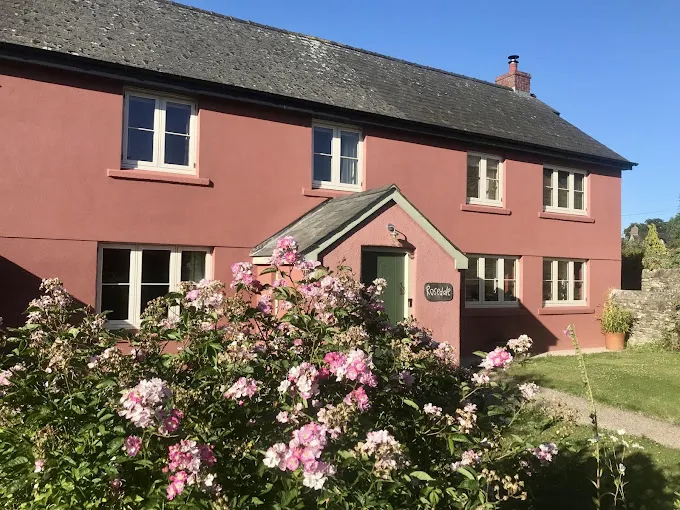
Silicone Render Gorseinon: Expert Guide

Silicone render Gorseinon properties rely on for lasting weather protection delivers a flexible, breathable, low-maintenance finish – discover how to choose the right system and contractor for your home.
Table of Contents
- What Is Silicone Render and Why It Suits Gorseinon Properties
- Key Benefits of Silicone Render for South Wales Homes
- The Silicone Render Application Process Explained
- Silicone Render Costs and Lifespan in Gorseinon
- Frequently Asked Questions
- Silicone Render vs Other External Render Systems
- Coloured Rendering South Wales: Local Rendering Specialists
- Practical Tips for Your Rendering Project
- The Bottom Line
- Sources & Citations
Quick Summary
Silicone render Gorseinon is a polymer-modified, thin-coat external render that bonds to masonry surfaces to create a waterproof yet vapour-permeable finish. Formulated with silicone resin, it resists cracking, repels rain, and retains colour without repainting – making it particularly well suited to the wet, coastal climate of South Wales.
Silicone Render Gorseinon in Context
- Silicone render has a lifespan of 20-25 years with minimal maintenance (PD Rendering, 2026)[1]
- Installed cost ranges from approximately £65-£80 per m² including labour and materials (Ralph Plastering, 2026)[2]
- Leading product ranges offer over 200 silicone-infused colour shades with built-in colour retention (Simple Solutions 4 U, 2026)[3]
- Coloured Rendering South Wales brings 25 years of experience to house rendering projects across the region (Coloured Rendering South Wales, 2026)[4]
What Is Silicone Render and Why It Suits Gorseinon Properties
Silicone render gorseinon homeowners and developers choose is a ready-mixed, thin-coat external wall finish that uses silicone resin polymers to deliver outstanding water repellency without sacrificing breathability. It is applied in a thin layer – between 1.5 mm and 3 mm – directly over a prepared basecoat or reinforcement mesh, creating a flexible, crack-resistant surface that protects the underlying masonry for decades. Coloured Rendering South Wales, based in Swansea and serving the wider South Wales area, has specified and applied this system on properties throughout Gorseinon, Swansea, and beyond for over 25 years.
Gorseinon sits within the Swansea valley corridor, where prevailing south-westerly winds carry moisture-laden air from the Bristol Channel and the broader coastline. This means external wall finishes face persistent rain exposure, wind-driven dampness, and – for properties closer to the coast – occasional salt-laden air. Traditional sand-and-cement renders absorb water, expand slightly when wet, and crack as they dry out repeatedly over seasons. Silicone render addresses this directly: its hydrophobic molecular structure causes water droplets to bead on the surface and run off rather than being absorbed into the render or the masonry behind it.
A key technical distinction is that silicone render is both waterproof and vapour-permeable. It prevents liquid water from penetrating inward while allowing moisture vapour generated inside the building to migrate outward through the wall. As the Coloured Rendering South Wales Team explains: “The hydrophobic properties of silicone renders mean they repel water while remaining breathable, allowing moisture vapour to escape from the substrate.” (Coloured Rendering South Wales Team, 2026)[4] This balance is particularly important in older Gorseinon terraced housing stock where solid walls – common in pre-1920 construction – need to breathe rather than be sealed entirely.
Call Us
The polymer technology behind modern thin-coat silicone render also provides inherent flexibility. Unlike rigid cement-based coatings, silicone-modified renders accommodate minor substrate movement without cracking, which matters in the clay-heavy ground conditions found across parts of Swansea and the surrounding valley areas. For an external rendering system, this combination of weather resistance, breathability, and flexibility makes silicone render a technically sound choice for Gorseinon’s housing types and climate.
Silicone render is also compatible with external wall insulation systems, where it is applied as the decorative and protective finish coat over an insulation board assembly. This makes it suitable not only for cosmetic refurbishments but also for whole-house energy efficiency upgrades – a growing requirement as UK building regulations tighten around thermal performance standards. You can explore the full range of EWI Specialists South Wales – expert external wall insulation installations for energy efficiency to see how render and insulation work together.
Key Benefits of Silicone Render for South Wales Homes
Silicone render offers a combination of performance characteristics that no single traditional render system matches, particularly for properties exposed to the demanding weather conditions of South Wales.
Weather resistance and water repellency are the most immediately relevant advantages for Gorseinon homeowners. Rainfall in the Swansea area is significantly above the UK national average, and prolonged wet weather is the primary cause of render failure on older properties. Silicone render’s hydrophobic formulation actively sheds rainfall, preventing the cycle of saturation and drying that leads to surface cracking, frost damage, and eventual water ingress into the wall structure. Ralph Plastering Experts note: “Silicone render imparts a high degree of water repellency to the render system that allows for better breathability within the surface.” (Ralph Plastering Experts, 2026)[2]
Colour longevity and reduced maintenance are equally significant. Silicone render is pre-coloured throughout its thickness using UV-stable pigments and silicone-infused colour technology. This means the colour does not fade at the surface over time, and – unlike painted render or acrylic finishes – it does not need periodic repainting. A well-installed silicone render system retains its appearance for the duration of its service life without the additional cost and disruption of external redecoration.
The self-cleaning effect is a further practical advantage. The smooth, hydrophobic surface discourages the adhesion of dirt, algae, and mould – organisms that discolour and deteriorate other types of external render, particularly in sheltered, north-facing, or shaded elevations. For properties in Gorseinon where moss and algae growth becomes established within a few years on traditional renders, the anti-algae and anti-pollution properties of silicone systems represent a genuine long-term maintenance saving.
From an energy efficiency standpoint, silicone render also contributes when used as part of an EWI system. PD Rendering Experts confirm: “Silicone render offers low thermal conductivity, helping retain warmth inside the home. When combined with EWI, it contributes to better energy efficiency and lower heating bills.” (PD Rendering Experts, 2026)[1] For homeowners in Gorseinon seeking to improve their property’s Energy Performance Certificate rating, silicone render as the finish coat on an EWI system provides dual benefits: weatherproofing and thermal improvement in a single installation.
Finally, the flexible nature of silicone render means it performs well over substrates that experience minor movement – including older brick and block structures, rendered properties with a history of hairline cracking, and walls where previous coatings have been removed. This flexibility reduces the risk of cracking re-emerging through the new render layer, extending the effective service life of the finish. For context on service life, the figure of 25-30 years is consistently cited for quality silicone render installations (Ralph Plastering, 2026)[2].
The Silicone Render Application Process Explained
Correct surface preparation and a staged application process are essential to achieving the full performance potential of silicone render – cutting corners at any stage compromises the adhesion, appearance, and durability of the finished system.
The first stage is a thorough assessment and preparation of the substrate. Any loose, hollow, or contaminated existing render must be removed and made good with compatible repair mortars. Substrate surfaces are cleaned to remove algae, moss, oil, and dust. Where significant areas of original render have failed, full removal and reinstatement of a basecoat layer is required before the decorative silicone finish is applied. On new-build or recently re-rendered substrates, the surface must be suitably cured and primed before the thin coat system is installed.
A reinforcement coat is applied next. This involves trowelling or spraying a polymer-modified basecoat onto the prepared substrate, embedding an alkali-resistant fibreglass mesh into the wet material. This mesh layer provides structural reinforcement that bridges minor surface irregularities, distributes stresses across the render plane, and prevents cracking at weak points such as window and door corners. Once cured, the basecoat is primed using a silicone-compatible primer tinted to approximate the final colour – this improves adhesion and ensures even colour coverage in the finish coat.
The silicone render finish coat is then applied, either by spray machine or by hand, depending on the project scale, surface complexity, and access conditions. Home page of Coloured Rendering South Wales – expert spray rendering and external wall insulation services across South Wales illustrates the range of projects completed using both methods. Spray application – the technique employed by Coloured Rendering South Wales – delivers a more consistent thickness and texture across large wall areas and is faster than hand application, which reduces project duration and minimises disruption to occupants.
Once applied, the render is textured to the specified grain size – commonly 1.5 mm for a fine, contemporary finish (EWI Store, 2026)[5] – using a plastic float. The curing period varies with temperature and humidity; in South Wales conditions, a minimum of 24-48 hours should be allowed before the surface is exposed to rain or frost, though most silicone renders reach full performance properties within several days of application.
Detailing around windows, doors, service penetrations, and abutments is critical to long-term weather performance. Poorly detailed junctions are the most common source of water ingress in otherwise sound render systems. A competent rendering contractor will use compatible sealants, beads, and stop-beads at all exposed edges and movement joints. For properties in Gorseinon undergoing a full external refurbishment, it is also good practice to replace window sills, flashings, and other exposed components at the same time as the render, to avoid having to make good the new surface shortly afterwards.
Silicone Render Costs and Lifespan in Gorseinon
Understanding the total cost and expected service life of silicone render allows you to make an informed comparison with alternative rendering options and assess the true return on investment for your property.
Installed costs for silicone render – covering both materials and labour – fall in the range of £65-£80 per square metre (Ralph Plastering, 2026)[2]. For a standard semi-detached property in Gorseinon with approximately 80-100 m² of renderable wall area, this translates to a project cost broadly in the range of £5,200-£8,000 depending on surface preparation requirements, accessibility, and the specific render system specified. Properties with complex detailing, significant preparatory repairs, or requirement for scaffolding on taller elevations will incur higher costs.
These figures should be understood in the context of what silicone render eliminates from your future maintenance schedule. Traditional painted render or masonry paint finishes on sand-and-cement renders require repainting every five to seven years at additional cost. Silicone render’s integral colour and self-cleaning properties remove this recurring expenditure entirely for the duration of the render’s service life.
The expected lifespan of a quality silicone render installation is 20-25 years under normal conditions (PD Rendering, 2026)[1], with well-installed systems on suitably prepared substrates reaching 25-30 years where conditions are favourable and the installation has been correctly carried out (Ralph Plastering, 2026)[2]. In the exposed coastal and valley conditions of Gorseinon and the wider Swansea area, achieving the upper end of this range depends on correct product specification for the local microclimate, thorough substrate preparation, and quality of installation.
Colour selection also carries practical implications. Lighter colours reflect more heat and extend the service life of the render in high UV-exposure locations, while darker colours absorb more heat and show surface chalking over many years. With leading product ranges offering well over 200 colour options (Simple Solutions 4 U, 2026)[3], there is no aesthetic constraint on selecting the most technically appropriate colour for your elevation orientation and local conditions. Discussing colour choices with an experienced local contractor – one familiar with how specific shades perform on Gorseinon’s housing stock – is worthwhile before committing to a final specification. For inspiration and completed examples, the Gallery – View examples of our high-quality spray rendering and repair work provides a useful reference point.
Your Most Common Questions
Is silicone render suitable for older terraced houses in Gorseinon?
Yes – silicone render is well suited to older terraced housing in Gorseinon, provided the substrate is correctly assessed and prepared beforehand. Many pre-1920 terraced properties in the Swansea valley area were built with solid brick or stone walls, which rely on the ability to breathe rather than being sealed with an impermeable coating. Silicone render’s vapour-permeable properties make it compatible with this wall type in a way that dense cement-based or acrylic finishes are not.
The critical consideration is substrate condition. Older properties have layers of historical render, some of which is hollow, crumbling, or contaminated. Any failed material must be removed and the wall made good before a silicone system is applied. Where the substrate is sound, a reinforced basecoat provides a stable platform for the finish coat. It is also worth considering whether external wall insulation would be beneficial alongside the render – particularly for properties with high heating bills – as silicone render is the standard finish coat for EWI systems and the two are installed together efficiently.
A professional site survey by an experienced contractor is the most reliable way to determine whether your specific property is suitable and what preparatory work will be required before silicone render is applied.
How long does silicone render last on a South Wales property?
A quality silicone render installation on a South Wales property lasts between 20 and 25 years under normal conditions (PD Rendering, 2026)[1], with well-installed systems on suitably prepared substrates reaching 25-30 years (Ralph Plastering, 2026)[2]. Achieving the upper range depends on several factors specific to South Wales conditions.
Correct product specification matters considerably in coastal and valley locations. Renders formulated for high-exposure environments – particularly those with enhanced UV and salt-air resistance – perform better in the long term than generic products used in lower-exposure inland locations. Thorough substrate preparation, proper detailing at junctions and penetrations, and the quality of the installation itself are equally important variables.
In practical terms, silicone render installed on a Gorseinon property requires no significant maintenance – no repainting, no retreatment – for at least two decades. Periodic cleaning to remove surface debris is the only routine task. If damage occurs from impact or structural movement, localised repairs extend the system’s life further without requiring a full re-render of the entire property.
What colours are available for silicone render in Gorseinon?
The colour range available for silicone render is extensive. Leading product ranges offer over 200 silicone-infused colour shades (Simple Solutions 4 U, 2026)[3], and some manufacturer systems – such as the ATLAS SAH Colour Scheme – extend to 400 colours (ATLAS, 2026)[6]. This breadth of choice means the vast majority of homeowners achieve the exact tone they want, from traditional creams and whites through to contemporary greys, slate blues, and terracotta shades.
Because the colour is integral to the render – carried throughout the thickness of the material using UV-stable pigments – it does not fade at the surface in the way that painted finishes do. This means your chosen colour remains consistent over the lifetime of the render without repainting. For properties in conservation areas or those subject to planning conditions, it is worth confirming acceptable colour palettes with your local planning authority before finalising your choice.
When selecting a colour for a Gorseinon property, consider the orientation of the elevation – lighter colours work well on shaded north-facing walls where algae growth is otherwise a risk, while mid-tones tend to show dirt least on exposed west-facing elevations. An experienced local contractor can advise on how specific shades perform on properties in your immediate area.
Can silicone render be applied over existing render?
Silicone render is applied over existing render in some circumstances, but this is only appropriate where the existing render is fully sound, well bonded, and free from hollow patches, cracks, or contamination. A competent contractor will carry out a thorough assessment – by tapping the surface to identify hollow areas – before making a recommendation.
Where existing render is partially failed, hollow in places, or contains cracking, the compromised material must be removed and made good before any new system is applied. Applying a thin coat silicone render directly over a failing substrate transfers the risk of the underlying defect to the new finish, significantly shortening the new render’s effective service life and potentially voiding any manufacturer warranty.
In many cases on older Gorseinon properties, full removal of the original render is the most cost-effective long-term option, as it allows the condition of the underlying masonry to be inspected and addressed before the new system is installed. A professional assessment will give you a clear picture of whether overcoating or strip-and-re-render is the appropriate route for your property. Our Rendering Repairs South Wales – professional repairs and maintenance for external wall renders service covers both repair work and full renewal, depending on what your property requires.
Silicone Render vs Other External Render Systems
Choosing the right render system for a Gorseinon property means weighing performance, cost, maintenance, and longevity across the main options available. The table below compares the four principal external render systems used on South Wales properties across the criteria most relevant to homeowners and developers.
| Render System | Lifespan | Maintenance | Breathability | Approx. Cost/m² |
|---|---|---|---|---|
| Silicone Render | 20-30 years (PD Rendering, 2026)[1] | Very low – no repainting required | High – vapour permeable | £65-£80 (Ralph Plastering, 2026)[2] |
| Monocouche Through-Colour Render | 20-25 years | Low – through-coloured, no painting | Moderate | Comparable to silicone |
| Acrylic Render | 10-15 years | Moderate – requires cleaning or recoating | Low – less breathable | Lower initial cost |
| Sand and Cement Render (Painted) | 8-15 years | High – requires repainting every 5-7 years | Low | Lower initial, higher lifetime cost |
Silicone render consistently offers the best balance of longevity, low maintenance, and breathability for the South Wales climate. Monocouche render is a strong alternative where a traditional textured finish is preferred. Acrylic and sand-and-cement systems carry a lower upfront cost but higher total lifetime cost when maintenance and repainting are factored in.
Coloured Rendering South Wales: Local Rendering Specialists
Coloured Rendering South Wales has been delivering plastering and external rendering services across the South Wales region since 1998, building over 25 years of experience on properties ranging from Victorian terraces in Swansea to new-build developments in Cardiff and Newport. The team is led by Geoff Lewis, a named and personally accountable contractor whose reputation is directly reflected in the company’s independently verified 5.0 Google rating across numerous reviews.
For homeowners and developers in Gorseinon, the team offers the full silicone render gorseinon service: initial property assessment, substrate preparation, reinforced basecoat application, spray or hand-applied silicone finish coat, and careful detailing around all junctions. As a Baumit Approved EWI Applicator with City & Guilds Assured accreditation, the company is also certified to install complete external wall insulation systems with manufacturer-backed warranties of up to 25 years – meaning EWI and silicone render are specified together as a single integrated package.
Two testimonials from recent clients reflect the standard of work delivered:
“With over 15 years in the building trade I have experienced several different plasterers all offering different styles and finishes. Geoff’s thin coat spray finish render would rival the best and I can’t recommend his team enough to someone thinking of using him. His professionalism and work ethic has stood out from many of the others we have worked with.” – Keri Hopkins, Google Review
“We’re 100% happy and wouldn’t hesitate to recommend Jeff. His workmanship is excellent and we’re also very happy with the product he recommended to eradicate the penetrating damp and give our house a great new look and lease of life.” – Alistair Legge, Google Review
The company serves Gorseinon, Swansea, Cardiff, Newport, Bridgend, and the wider South Wales area. Internal plastering, rendering repairs, and EWI installations are all available alongside new silicone render applications. About us – Learn more about our experienced team and rendering expertise provides further background on the company’s history and approach.
To discuss your property and receive a free, no-obligation quote, Contact Coloured Rendering South Wales for a free quote or consultation on your rendering project or call Geoff directly on 07815 868070.
Practical Tips for Your Silicone Render Project
Planning a silicone render installation carefully before work begins will give you the best results and help avoid the most common causes of dissatisfaction or early failure.
Get a proper site assessment, not just a phone quote. Every property in Gorseinon is different – substrate type, previous coatings, elevation exposure, and local microclimate all influence the correct specification. A contractor who provides a price without visiting the property cannot reliably account for preparatory work, scaffolding requirements, or substrate condition. Request a face-to-face assessment and written specification before committing.
Check credentials before appointing a contractor. For silicone render applied as part of an EWI system, look for Baumit Approved Applicator status or equivalent manufacturer certification. This ensures the contractor is trained in the specific system being installed and that the manufacturer’s warranty is valid. For render-only work, ask for examples of completed projects in your area and verify reviews independently on Google. UK Building Regulations guidance is available through the UK Building Regulations – Approved Documents for any work that intersects with thermal performance requirements.
Choose your colour carefully and use a tinted primer. Confirm your colour choice in natural light on the actual wall surface if possible, using a sample pot before the full installation proceeds. Ensure the contractor specifies a primer tinted to the base colour of your chosen render – this ensures consistent coverage and avoids patchiness, particularly on textured finishes.
Plan around weather windows. Silicone render should not be applied in temperatures below 5°C, during frost, or when rain is forecast within 24 hours of application. In South Wales, where weather is changeable, a competent contractor will monitor forecasts closely and schedule application accordingly. Projects undertaken in late spring or early autumn have the most reliable weather windows for render work.
Address all detailing at the time of installation. Window sills, door surrounds, flashings, and service pipe penetrations should all be inspected and replaced or sealed before the render is applied. Retrofitting these components after a new render is in place is more disruptive and expensive than addressing them as part of the initial project. For existing render problems requiring attention before a new system is applied, see the guidance on Rendering Repairs South Wales – professional repairs and maintenance for external wall renders.
The Bottom Line
Silicone render gorseinon properties need to handle decades of South Wales rainfall, wind, and humidity makes a technically sound and cost-effective choice when it is correctly specified and installed. Its combination of water repellency, vapour permeability, colour stability, and long service life – up to 30 years from a quality installation – places it ahead of traditional painted renders and acrylic systems for the region’s climate. The higher upfront investment is offset by the elimination of ongoing repainting costs and the reduced risk of water ingress damage to the building fabric over time.
Whether you are refurbishing a Victorian terraced house in Gorseinon, upgrading a rental property in Bridgend, or completing a new development in Swansea, a professional assessment is the right starting point. Call Coloured Rendering South Wales on 07815 868070, email geoff@colouredrenderingsouthwales.com, or visit the Coloured Rendering Swansea – durable and attractive rendering solutions for residential and commercial properties page to learn more and request your free, no-obligation quote.
Sources & Citations
- Silicone vs Monocouche Render – What’s the Difference? PD Rendering.
https://www.pdrendering.co.uk/articles/silicone-vs-monocouche-render-whats-the-difference - Is Silicone Render Any Good? Here’s The Pros & Cons We Discovered. Ralph Plastering.
https://ralphplastering.co.uk/is-silicone-render-any-good/ - Silicone Render Colour Chart Guide: Ultimate 10 Tips. Simple Solutions 4 U.
https://simplesolution4ushop.co.uk/silicone-render-colour-chart-guide/ - Expert House Rendering Gorseinon – Professional Services. Coloured Rendering South Wales.
https://colouredrenderingsouthwales.com/house-rendering-gorseinon/ - Acrylic Render vs Mineral Render vs Silicone Silicate Render. EWI Store.
https://ewistore.co.uk/acrylic-render-vs-mineral-render-vs-silicone-silicate-render/ - ATLAS SILICONE RENDER. ATLAS.
https://www.atlas.com.pl/en/product/atlas-silicone-render-694-2325/
