
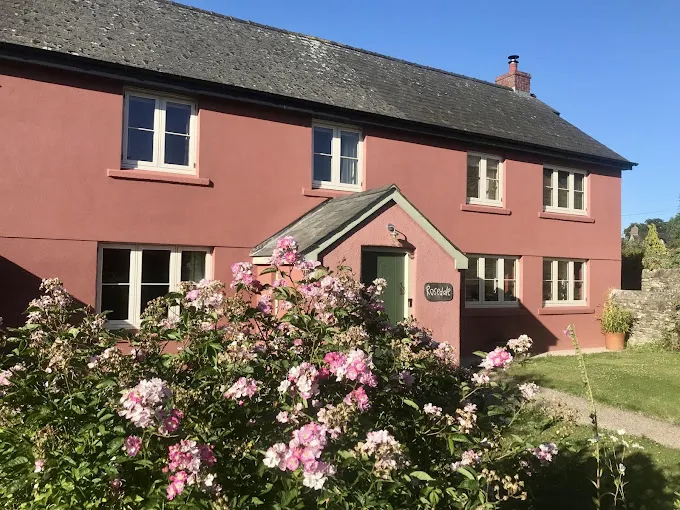
Silicone Render Carmarthen: Expert Guide

Silicone render Carmarthen homeowners and developers need explained clearly – discover how this modern coating protects walls, cuts maintenance, and suits West Wales conditions.
Table of Contents
- What Is Silicone Render and Why It Suits Carmarthen?
- How Silicone Render Works on External Walls
- Choosing the Right Render System for Your Property
- Application Process and Cost Considerations
- Frequently Asked Questions
- Comparing External Render Systems
- Coloured Rendering South Wales
- Practical Tips for Property Owners
- The Bottom Line
- Sources & Citations
Article Snapshot
Silicone render Carmarthen is a polymer-modified, water-repellent external wall coating that delivers outstanding protection against West Wales rain, coastal salt air, and wind-driven moisture. It is flexible, breathable, self-cleaning, and available in a wide range of through-colours that resist fading without regular repainting.
What Is Silicone Render and Why It Suits Carmarthen?
Silicone render Carmarthen is a thin-coat, silicone-modified external wall finish that combines superior waterproofing with breathability, making it one of the most appropriate render systems for the wet, wind-swept climate of Carmarthenshire and the surrounding West Wales coast. Unlike traditional sand and cement renders, a silicone-based coating repels liquid water at the surface while still allowing water vapour trapped within the wall substrate to escape, preventing the internal condensation and masonry decay that affects older properties in this region.
Coloured Rendering South Wales, based in Swansea, has been specifying and installing silicone render systems across South and West Wales since 1998, including projects throughout Carmarthen, Llanelli, and the wider Carmarthenshire area. The company’s 25 years of experience with local building stock means that render systems are matched to the specific exposure conditions each property faces rather than using a generic mainland UK specification.
Carmarthen sits at the head of the Towy estuary, and many properties in the town and surrounding villages experience elevated rainfall, prevailing westerly winds, and intermittent salt-laden air from Carmarthen Bay. These conditions accelerate the failure of conventional cement renders, which absorb moisture, crack as they expand and contract, and ultimately allow water ingress. Silicone render addresses each of those failure modes directly. Its polymer chemistry gives it inherent flexibility, so the coating accommodates minor structural movement without cracking. Its hydrophobic surface sheds rain before it can penetrate, and its open diffusion structure ensures the wall continues to breathe.
Call Us
For Victorian and Edwardian terraces common in Carmarthen town, silicone render applied over an appropriate basecoat provides a modern low-maintenance finish without compromising the wall’s ability to manage moisture – a critical consideration for solid masonry construction that predates the cavity wall era.
How Silicone Render Works on External Walls
Silicone render functions through a combination of hydrophobic polymer technology and mineral aggregate suspended in a pre-mixed, ready-to-apply formulation that bonds directly to a prepared substrate or primer coat. Understanding the system in detail helps property owners in Carmarthen make confident decisions about specification and maintenance.
The core mechanism is the lotus effect: silicone molecules in the render matrix orient themselves so that water cannot form a continuous film on the surface. Instead, rainfall beads and runs off, carrying with it surface dirt and organic deposits. This self-cleaning behaviour is particularly valuable in Carmarthenshire, where damp conditions encourage algae and lichen growth on north- and east-facing elevations. A silicone render stays visually cleaner between washes than a painted cement render or untreated masonry surface.
A rendering company representative in the UK noted that “a rendering company has recommended a silicone render on top of the existing render or external insulation with silicone render” (Rendering Company Representative, 2025)[1], highlighting silicone render’s versatility for both new applications and over existing surfaces in the right condition.
Breathability is the complementary property. Silicone render is classified as highly vapour-permeable, meaning it carries an SD value – the equivalent air layer thickness for vapour diffusion – well below that of impermeable coatings such as pure acrylic render or oil-based masonry paint. For Carmarthen properties with rubble-stone or solid brick walls, this vapour permeability prevents moisture from being trapped behind the render, which would otherwise cause spalling, efflorescence, and long-term structural deterioration.
The render is applied at two to four millimetres thickness over a reinforced basecoat, keeping additional wall thickness to an absolute minimum. This matters for Coloured Rendering Swansea – durable and attractive rendering solutions for residential and commercial properties projects and similar Carmarthen installations where window and door reveals, damp-proof course clearances, and boundary proximity must all be respected.
Through-coloured aggregates within the silicone render matrix ensure that the colour runs through the full depth of the coating. A minor surface scratch or chip does not expose a contrasting white cement layer beneath, and UV-stable pigments prevent the visible fading that affects painted finishes after three to five years in the South Wales climate. Most manufacturers specify colour retention guarantees of ten years or more for quality silicone render systems.
Choosing the Right Render System for Your Property
Selecting the correct render system for a Carmarthen property requires an assessment of wall construction, current condition, exposure zone, and the finish aesthetics the owner wants to achieve. Silicone render is the highest-performing option for most residential and commercial properties in the area, but it works within a system that includes substrate preparation, priming, and in some cases an insulated basecoat layer.
Thin coat silicone render is the most widely specified system for straightforward rendering or re-rendering projects. It is applied over a polymer-modified basecoat that is reinforced with alkali-resistant fibreglass mesh, creating a stable, crack-resistant layer before the finish coat is sprayed or hand-applied. This system adds minimal thickness to the wall and is compatible with most sound substrates including brick, block, concrete, and existing sound render.
Where a property has failing or hollow existing render, the existing material must be fully removed before the new system is installed. Attempting to apply silicone render over delaminating or contaminated surfaces is a common cause of premature coating failure. A professional assessment is important, and reputable contractors will test adhesion and check for latent damp before specifying the system. As one independent damp surveyor noted when advising on a comparable situation: “His recommendation is to hack off existing render and replace with lime render” (Independent Damp Surveyor, 2025)[1] – underlining that proper substrate preparation and professional assessment drive long-term render performance regardless of the finish system chosen.
For properties with poor thermal performance – particularly older solid-wall buildings prevalent in rural Carmarthenshire – an External Wall Insulation system provides a compelling alternative. EWI involves fixing insulation boards to the external face of the wall before applying a reinforced render system and a silicone finish coat. The result combines a fresh, attractive exterior with a measurable reduction in heat loss. Properties in Carmarthen’s conservation areas require planning consent for EWI, so checking with Carmarthenshire County Council prior to works is advisable.
Monocouche through-colour render is a cement-based single-coat system that suits properties seeking a traditional or rustic texture. It does not carry the same flexibility or self-cleaning properties as a silicone system, but it provides a durable, low-maintenance finish and is specified for new-build housing developments where cost efficiency across multiple plots is a priority. Our EWI Specialists South Wales – expert external wall insulation installations for energy efficiency page explains how insulated systems can be combined with either silicone or monocouche finishes to achieve both appearance and thermal performance goals.
One coat cement render remains a cost-effective option where a painted finish is acceptable. It requires periodic repainting – every five to eight years in the Welsh climate – and lacks the breathability of silicone systems, but it suits properties where budget constraints or planning restrictions limit the choice of finish.
Application Process and Cost Considerations
Professional application is the single most important factor in determining how long a silicone render system performs. Even the highest quality render formulation will fail prematurely if the substrate is not correctly prepared, the primer is not matched to the system, or the finish coat is applied outside the manufacturer’s temperature and humidity parameters.
Spray application has become the professional standard for thin coat silicone render because it produces a more consistent coverage thickness and texture than hand application, reduces labour time significantly, and minimises the variability introduced by multiple operatives applying material at different speeds and pressures. A professional spray rendering contractor covers the external elevations of a three-bedroom semi-detached house in one to two days, compared to three to four days for equivalent hand-trowelled work. This directly reduces the cost to the client and the disruption to occupants.
Surface preparation includes cleaning the substrate to remove biological growth, loose material, and contamination; hacking off any hollow or delaminating existing render; applying a stabilising primer or bonding agent where required; and fixing the reinforcing mesh into the basecoat before it cures. These preparatory stages cannot be rushed. In Carmarthen’s damp climate, walls should be allowed to dry to an appropriate moisture content before the render system is applied, and work should be paused during frost, heavy rain, or temperatures below five degrees Celsius.
Cost for silicone render in Carmarthen varies depending on wall area, access requirements, the condition of the existing substrate, and the system specified. As a general guide, thin coat silicone render installation on a standard semi-detached property costs more per square metre than one coat cement render but substantially less than a full EWI system. The additional upfront cost of silicone render is recovered through reduced maintenance over ten to twenty years, as the system eliminates the cycle of repainting that painted cement render demands.
Scaffolding represents a significant proportion of project costs for two-storey and taller properties. Combining render works with other scaffolding-dependent tasks – such as gutter replacement, fascia renewal, or window installation – reduces the overall cost per square metre. A reputable contractor will factor scaffold logistics into the project programme and quotation. You can Contact Coloured Rendering South Wales for a free quote or consultation on your rendering project to discuss the most cost-effective approach for your specific property.
Your Most Common Questions
How long does silicone render last on a Carmarthen property?
A correctly specified and professionally applied silicone render system carries a manufacturer warranty of ten to twenty-five years, depending on the product range and system selected. In practice, quality silicone renders installed in West Wales conditions – including Carmarthen’s high rainfall and westerly exposure – perform for twenty years or more without requiring significant maintenance. The key factors influencing service life are substrate condition at the time of installation, the quality of the render system itself, and whether the application was carried out by a competent contractor using the correct primer and basecoat. Self-cleaning properties help maintain appearance throughout the render’s life, meaning the coating continues to look presentable without periodic repainting. Annual inspection of sealants around windows and doors, and prompt repair of any localised damage, are the only routine maintenance tasks most property owners need to perform. Baumit-approved EWI and silicone render systems installed by certified applicators carry manufacturer-backed guarantees of up to twenty-five years, providing documented long-term protection for property owners in Carmarthenshire.
Can silicone render be applied directly over existing render on my Carmarthen house?
Whether silicone render can go over existing render depends entirely on the condition of the existing material. If the current render is sound, well bonded, crack-free, and free from contamination, a thin coat silicone finish can be applied over it following appropriate priming. This approach avoids the cost and disruption of hacking off and disposing of the existing render. However, if the existing render is hollow in sections, shows map cracking, has areas of water ingress, or contains contaminants such as old paint or biological growth, those areas must be removed and reinstated before the new system goes on. Attempting to render over a compromised substrate is one of the most common causes of early render failure. A professional surveyor or experienced rendering contractor should carry out a thorough tap test and visual inspection before specifying the system. Properties in Carmarthen with Victorian or Edwardian render are particularly likely to have bonding issues in the original base, so assessment is especially important for older building stock.
What colours are available for silicone render in Carmarthen?
Modern silicone render systems are available in an extensive palette of colours, ranging from several hundred to over a thousand shades depending on the manufacturer’s colour chart. Common choices for residential properties in Carmarthen include off-whites, warm creams, light greys, and contemporary anthracite tones that complement both traditional Welsh stone and modern construction. Colours are carried through the full depth of the render using UV-stable mineral pigments, which means the shade remains consistent even if the surface is lightly scuffed or chipped, and does not fade to a washed-out appearance over time as painted finishes do. Select a colour that suits the local streetscape and, where the property is in a conservation area or Article 4 direction zone, confirm with Carmarthenshire County Council whether planning permission is required before proceeding. Sample panels applied to the wall and viewed in different light conditions are strongly recommended before committing to a colour across the full elevation, as the same shade reads differently on a large wall area compared to a small colour chip.
Is silicone render suitable for older stone-built properties common in rural Carmarthenshire?
Silicone render suits some older stone-built properties in rural Carmarthenshire, but the decision requires careful professional assessment. Traditional Welsh stone cottages and farmhouses were originally built with lime mortars and renders that allowed the wall to breathe and manage moisture through vapour diffusion. Applying a modern polymer render system to such a property without proper evaluation traps moisture within the wall, accelerating masonry decay and causing damp problems internally. For many genuinely historic stone properties, a breathable lime render remains the most appropriate external finish on conservation grounds. However, for stone properties that have already been stripped of original lime render, rendered in cement previously, or where a modern system can be demonstrated to be vapour-compatible with the wall construction, a high-permeability silicone render is a viable option. Obtaining specialist advice from a contractor with experience in both traditional and modern systems, and in some cases consulting a damp surveyor, is the responsible approach before specifying any render system on a pre-1919 stone-built property in Carmarthenshire or the wider West Wales area.
Comparing External Render Systems for Carmarthen Properties
Property owners in Carmarthen and Carmarthenshire face a range of render system options, each suited to different wall types, budgets, and performance requirements. The table below compares the four most commonly specified systems to help you understand the practical differences before requesting quotes.
| Render System | Breathability | Flexibility | Maintenance Required | Typical Service Life |
|---|---|---|---|---|
| Thin Coat Silicone Render | High (vapour-permeable) | High | Minimal – self-cleaning surface | 20-25 years |
| Monocouche Through-Colour Render | Moderate | Moderate | Low – no painting required | 15-20 years |
| One Coat Cement Render (painted) | Low | Low | Repaint every 5-8 years | 10-15 years with maintenance |
| EWI with Silicone Finish | High | High | Minimal – with thermal benefit | 25+ years (system warranty) |
Coloured Rendering South Wales
Coloured Rendering South Wales is a Swansea-based plastering and spray rendering specialist with over 25 years of experience serving residential, commercial, and development clients throughout South and West Wales, including Carmarthen, Llanelli, Bridgend, Cardiff, and Newport. The company installs thin coat silicone render, monocouche through-colour render, one coat cement render, and full External Wall Insulation systems, as well as providing rendering repairs and internal plastering services.
As a Baumit Approved EWI Applicator with City & Guilds Assured accreditation, the team is certified to install Baumit StarTop premium silicone render and full EWI systems carrying manufacturer-backed warranties of up to 25 years. Spray application technology allows completion of most residential projects in a fraction of the time required by traditional hand application, reducing disruption for occupants and keeping labour costs competitive.
The company holds a perfect 5.0 Google rating from multiple verified reviews. “With over 15 years in the building trade I have experienced several different plasterers all offering different styles and finishes. Geoff’s thin coat spray finish render would rival the best and I can’t recommend his team enough to someone thinking of using him.” – Keri Hopkins, Google Review. “We’re 100% happy and wouldn’t hesitate to recommend Jeff. His workmanship is excellent and we’re also very happy with the product he recommended to eradicate the penetrating damp and give our house a great new look and lease of life.” – Alistair Legge, Google Review.
Whether you are planning a new silicone render installation in Carmarthen, need repairs to deteriorating external render, or want to explore EWI for energy efficiency improvements, the team provides free consultations and detailed written quotations. Visit the Home page of Coloured Rendering South Wales – expert spray rendering and external wall insulation services across South Wales or call 07815 868070 to arrange a site visit. You can also email geoff@colouredrenderingsouthwales.com or use the online contact form at Contact Coloured Rendering South Wales for a free quote or consultation on your rendering project.
Practical Tips for Carmarthen Property Owners
Timing and preparation make a material difference to the outcome of any external rendering project. The following guidance is relevant whether you are commissioning a full re-render, applying silicone render over sound existing material, or having render repairs carried out on a Carmarthen property.
Plan rendering work for spring or early summer where possible. West Wales winters bring persistent damp and frequent sub-zero overnight temperatures that prevent proper curing of render systems. Most manufacturers specify a minimum application temperature of five degrees Celsius, and newly applied render must not be exposed to frost within the first few days of curing. Spring installation allows the render to cure in progressively warmer, drier conditions, maximising early strength gain.
Obtain at least two detailed written quotations that specify the render system by manufacturer and product name, the number of coats, the primer or bonding agent to be used, and how substrate preparation will be carried out. A quotation that specifies only a colour and a price without system detail makes it impossible to compare offers meaningfully. Established contractors such as Coloured Rendering South Wales will always provide a full system specification in their quotation.
- Check that your contractor holds appropriate public liability insurance and, for EWI systems, manufacturer certification such as Baumit Approved Applicator status.
- Confirm access requirements before work starts – scaffolding costs and lead times affect project scheduling significantly in rural Carmarthenshire.
- Ask to see a completed project in a similar render system and colour before committing, or review the contractor’s gallery such as the Gallery – View examples of our high-quality spray rendering and repair work online.
After installation, inspect sealants around all window and door frames annually. These expansion joints between the render and the frame are the most common entry point for water once the render itself is performing correctly. Re-sealing with a compatible silicone sealant at the first sign of cracking or shrinkage prevents moisture from migrating behind the render at the reveals. For Rendering Repairs South Wales – professional repairs and maintenance for external wall renders, prompt attention to small areas of damage avoids the cost of larger remedial works later. Early intervention is always more cost-effective than allowing water ingress to progress beneath the render layer.
For properties in coastal or estuary-side locations – such as those close to the Towy estuary or within a few kilometres of Carmarthen Bay – specify a silicone render system that has been tested and approved for high-exposure zones. Salt-laden air accelerates the degradation of less resistant coatings, and a system rated for SE or E exposure to UK Building Regulations – Approved Documents standards will deliver markedly better long-term performance than a standard residential specification.
The Bottom Line
Silicone render Carmarthen is the most technically appropriate external wall coating for the majority of properties in Carmarthenshire and the wider West Wales region. Its combination of high breathability, waterproofing, flexibility, and self-cleaning performance directly addresses the challenges posed by West Wales rainfall, coastal exposure, and the older solid-wall building stock typical of the area. Whether applied as a standalone thin coat finish, as part of an EWI system for improved thermal efficiency, or as a replacement for failed cement render, a properly installed silicone render system protects your property for decades with minimal ongoing maintenance.
Coloured Rendering South Wales brings 25 years of South and West Wales rendering experience to every project, with Baumit Approved EWI Applicator certification and a verified 5.0 Google rating. To arrange a free site assessment and written quotation for your Carmarthen property, call 07815 868070, email geoff@colouredrenderingsouthwales.com, or visit the contact page at https://www.colouredrenderingsouthwales.com/contact/.
Sources & Citations
- Lime Render vs Silicone Render. MyJobQuote.
https://www.myjobquote.co.uk/questions/lime-render-vs-silicone-render - UK Building Regulations – Approved Documents. GOV.UK.
https://www.gov.uk/guidance/approved-documents
