
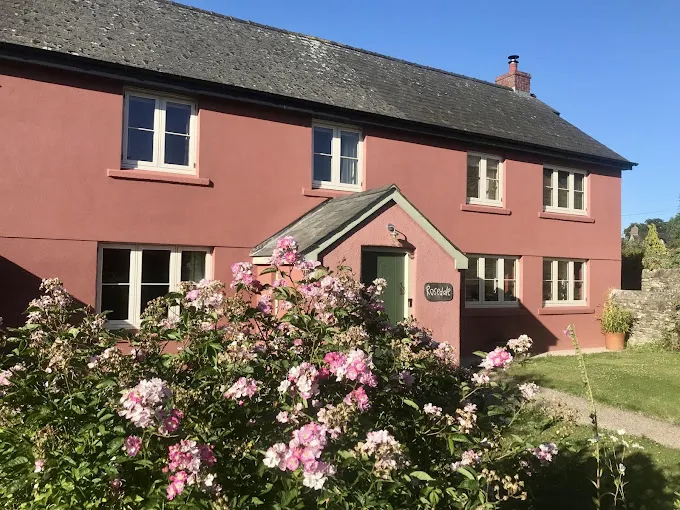
Expert Spray Rendering Bridgend: Complete Guide

Spray rendering Bridgend covers everything property owners need to know about modern render systems, application methods, material choices, and finding qualified contractors for lasting results.
Table of Contents
- What Is Spray Rendering and How Does It Work?
- Render Systems Suited to Bridgend Properties
- Spray Rendering vs Hand Application: Key Differences
- Choosing a Spray Rendering Contractor in Bridgend
- Frequently Asked Questions
- Render System Comparison
- Coloured Rendering South Wales
- Practical Tips for Your Rendering Project
- The Bottom Line
- Sources & Citations
Article Snapshot
Spray rendering Bridgend is a machine-assisted application method that propels render mix onto external walls at consistent pressure, producing a uniform finish faster than hand application. Modern systems including silicone and monocouche render suit the wet South Wales climate, providing durable, low-maintenance protection for residential and commercial properties.
Spray Rendering Bridgend in Context
- A Bridgend County Borough Council condition survey identified blown external render requiring repair on the front elevation of surveyed estates, with redecoration backlog costs – including flaking paint on render areas – estimated at £7,812.69 (Faithful+Gould, 2020)[1]
- The same survey recorded a backlog maintenance cost of £14,874 for roofs in poor condition, directly affecting the protective performance of external render below (Faithful+Gould, 2020)[1]
- External windows in poor condition across the surveyed Bridgend properties carried a backlog maintenance cost of £21,150, underlining the scale of external fabric deterioration in the area (Faithful+Gould, 2020)[1]
- Over 3 million homeowners have used rendering services through rated trade platforms, with more than 88,000 five-star ratings recorded in the last 12 months (Rated People, 2026)[2]
What Is Spray Rendering and How Does It Work?
Spray rendering Bridgend is a professional application method that uses machine-powered equipment to deliver a consistent mix of render material across external wall surfaces at controlled pressure and volume. Unlike hand-applied rendering, which relies on a plasterer’s trowel to build up coats manually, spray application forces the prepared mix through a nozzle, achieving even coverage and consistent thickness in significantly less time. The result is a finish that bonds uniformly to the substrate and leaves fewer variations in coat thickness – a common cause of cracking in hand-applied systems on older masonry.
The process begins with thorough substrate preparation. Existing loose or blown render must be removed, and any structural cracks or damp issues addressed before new material is applied. In Bridgend, where properties range from Victorian terraces to post-war housing estates, the condition of the underlying masonry varies considerably. Surveyors working for Bridgend County Borough Council noted that “sections of the external render are blown and require repair, particularly to the front elevation” (Faithful+Gould Survey Team, 2020)[1] – a finding that highlights how common render deterioration is across the area’s housing stock.
Once surfaces are prepared and primed, the render machine mixes dry material with water at a controlled ratio and pumps it to the spray nozzle. The operative moves systematically across the wall, maintaining a consistent distance to ensure even build-up. Depending on the system specified, a single coat is sufficient, or a reinforcing mesh layer is embedded before the finish coat is applied. After application, the render is lightly floated or left to achieve the intended texture. The entire process from setup to completion is considerably faster than traditional methods, making spray rendering the preferred approach for new-build developments, large commercial properties, and renovation projects where programme time is critical.
Call Us
Coloured Rendering South Wales has delivered spray rendering projects across the region since 1998, combining machine application expertise with knowledge of the specific substrate and weather conditions found in Bridgend and the surrounding area.
Render Systems Suited to Bridgend Properties
The render system chosen for a Bridgend property must account for the local climate, the age and construction of the building, and the owner’s long-term maintenance expectations. Bridgend sits inland from the Bristol Channel coast, receiving high annual rainfall and exposure to wind-driven moisture – conditions that place considerable demands on external wall finishes. Three principal systems are used across residential and commercial properties in the area: thin coat silicone render, monocouche through-colour render, and one coat cement render.
Thin coat silicone render is the most technically advanced of the three. Silicone-modified formulations provide flexibility that allows the render to accommodate minor structural movement without cracking, and the material is both waterproof and breathable. As RGS Rendering Systems explains, silicon renders are “breathable and able to repel water,” which is particularly valuable because “many properties in the UK [have] damp solid brick walls where water can easily get trapped” (RGS Rendering Systems, 2026)[3]. In practice, this means moisture that enters a wall from inside – through normal occupation or minor condensation – escapes outward rather than becoming trapped beneath an impermeable coating. For Bridgend’s older terraced housing stock, this breathability is important to prevent interstitial condensation and associated damp problems.
Silicone render also carries self-cleaning properties derived from the hydrophobic surface. Rainfall sheets off rather than soaking in, carrying surface dirt with it. This keeps coloured finishes looking fresh over time without requiring painting or chemical washing – a practical benefit for homeowners and landlords who want to minimise ongoing maintenance. Systems such as Baumit StarTop premium silicone render, installed by a certified Baumit Approved EWI Applicator, carry manufacturer-backed warranties and are specified to meet UK building standards.
Monocouche through-colour render is a cement-based single-coat system pre-coloured throughout its thickness. Because the colour runs through the full depth of the material rather than sitting only on the surface, the finish does not require painting and any minor surface abrasion does not expose a contrasting substrate beneath. This through-colour design makes monocouche well suited to Coloured Rendering Swansea – durable and attractive rendering solutions for residential and commercial properties and equivalent projects across Bridgend. The system suits new-build and renovation applications alike, and its weather-resistant formulation handles South Wales rainfall reliably.
One coat cement render remains a cost-effective option where the finished surface will be painted. It is less technically sophisticated than silicone systems but provides solid weather protection when correctly applied and subsequently maintained with masonry paint. Its suitability depends on the substrate and the owner’s willingness to repaint periodically.
Spray Rendering vs Hand Application: Key Differences
The choice between spray rendering and traditional hand application affects project duration, finish consistency, cost, and long-term performance – making it a significant decision for any Bridgend property owner commissioning external wall work.
Application speed is the most immediate difference. Spray rendering covers a standard semi-detached house elevation in a fraction of the time required for hand application. Machine delivery of the render mix is continuous once setup is complete, whereas hand application requires the operative to repeatedly load the hawk and trowel, limiting coverage rate. On larger projects – housing developments, commercial buildings, or blocks of flats – this speed advantage compounds significantly. A development that would take a hand-applied crew four to five days per property is completed in two days per unit using spray equipment, directly reducing programme costs and time on site.
Consistency of finish is another area where spray application holds an advantage on large or complex elevations. Machine-controlled pressure and mix ratio produce a uniform coat thickness that is difficult to replicate across a full elevation by hand, particularly when working at height on scaffolding. Consistent thickness reduces the risk of differential drying, which creates visible variations in texture and colour in through-coloured systems.
Where Hand Application Remains Relevant
Hand application retains advantages for detailed or intricate work – around window reveals, doorframes, decorative mouldings, and areas where spray equipment cannot reach safely. Experienced plasterers also prefer hand application for small patch repairs, where blending new material into an existing finish requires a level of control that machine application cannot provide. A skilled contractor will use spray application for open elevations and switch to hand techniques for cut-in work around details, combining the efficiency of machine delivery with the precision of hand finishing.
The MyJobQuote editorial team notes that “with the right rendering company, you can brighten up tired walls, help with insulation (especially if you go for an insulated render system), and boost kerb appeal” (MyJobQuote Editorial Team, 2026)[4] – a summary that holds true whether the application method chosen is spray or hand, provided the contractor’s specification and workmanship are sound.
Cost comparison between the two methods is not straightforward. Spray equipment represents a significant capital investment that smaller contractors do not hold, and machine setup, cleaning, and calibration add time to any project. On smaller jobs, these fixed costs narrow or eliminate the price advantage of spray application. On larger projects, the labour saving from faster coverage more than offsets equipment costs. Property owners in Bridgend seeking competitive pricing should request quotes that specify the application method and materials, allowing genuine like-for-like comparison.
Choosing a Spray Rendering Contractor in Bridgend
Selecting the right contractor for spray rendering work in Bridgend requires attention to accreditation, experience with local conditions, the range of systems offered, and independently verifiable quality evidence. The external render on a property must perform for years under South Wales weather, and a poorly specified or poorly applied system will fail prematurely – leading to water ingress, cracking, and the cost of remedial work.
Accreditation with render system manufacturers provides one reliable quality indicator. A contractor certified as a Baumit Approved EWI Applicator with City and Guilds Assured accreditation, for example, has undergone assessed training and is authorised to install systems carrying manufacturer-backed warranties of 10 to 25 years. This accreditation status protects the property owner because warranty claims are directed to the manufacturer as well as the installer. In contrast, a contractor applying the same materials without certification produces a finish that looks similar on completion but carries no manufacturer warranty protection.
Local experience matters for specification decisions. A contractor who has worked extensively across Bridgend, Swansea, and the surrounding area understands which render systems have performed well on the region’s older masonry, which products handle coastal salt air in western areas, and what preparatory work is needed on the local housing stock. The condition surveys of Bridgend properties have documented widespread render deterioration and associated maintenance backlogs – work that requires a contractor familiar with diagnosing substrate problems before applying a new system over them.
Verifying Contractor Quality
Google reviews and independent trade ratings provide accessible evidence of contractor performance. A contractor maintaining a perfect 5.0 rating across numerous independently verified reviews over many years shows a consistent pattern of quality delivery rather than isolated positive experiences. Jon Davies, a time-served plasterer with NVQ Level 3 qualification, notes: “I have gained vast experience in 17 years that I have been plastering, internal, external, specialist, external rendering systems” (Jon Davies, 2026)[2] – the kind of accumulated experience that underpins reliable specification and application. When assessing any contractor, ask to see completed projects, confirm their public liability insurance is current, and check that quoted materials match manufacturer specifications for the system being installed.
For Rendering Repairs South Wales – professional repairs and maintenance for external wall renders as well as full re-rendering projects, the same criteria apply: a contractor with documented experience, system accreditation, and verifiable customer feedback is the appropriate benchmark, regardless of project size.
Your Most Common Questions
How long does spray rendering take on a typical Bridgend house?
The duration of a spray rendering project depends on the size of the property, the condition of the substrate, and the render system specified. For a standard semi-detached or terraced house in Bridgend, spray application of a thin coat silicone or monocouche system to the main elevations takes one to two days once scaffolding is in place and the surface has been prepared. Substrate preparation – removing blown render, treating any damp, and applying bonding agents or primer – is carried out before the render is applied and adds one to two days depending on the condition of the walls. Properties with significant existing render failure, such as those identified in Bridgend condition surveys as having blown sections requiring repair, will require additional preparation time. By comparison, the same project using hand application methods takes three to five days for the render coats alone. The efficiency of spray equipment means less disruption to occupants and faster return to a weathertight, finished elevation. Your contractor should provide a clear project programme at the quotation stage, detailing preparation, application, and curing periods before the render is fully hardened and ready for any subsequent decoration.
Which render system is best for a Bridgend property with damp problems?
For Bridgend properties experiencing damp – particularly older terraced houses with solid brick walls – thin coat silicone render is the most appropriate external finish. The key property is breathability: silicone render repels liquid water from outside while allowing water vapour to migrate outward from within the wall. Applying an impermeable coating such as standard masonry paint or a dense cement render to a damp solid wall traps moisture in the wall structure, which accelerates deterioration of the masonry and causes paint or render delamination. Silicone systems avoid this by maintaining vapour permeability whilst providing effective rain resistance. Before any render system is applied to a property with known damp problems, the source of moisture should be identified and addressed – whether that is a failed damp proof course, defective pointing, roof or gutter leaks, or condensation. Applying new render over an unresolved moisture source will not resolve the underlying problem and masks it temporarily before causing further damage. A qualified contractor should carry out a damp assessment as part of the pre-render survey. Where thermal improvement is also required alongside damp resolution, an External Wall Insulation system with a silicone render finish addresses both objectives simultaneously.
Does spray rendering work on all types of property in Bridgend?
Spray rendering is suitable for the majority of property types found across Bridgend – including Victorian and Edwardian terraces, inter-war semis, post-war estates, and modern new-build homes – provided the substrate is sound and properly prepared. The render system specified must be compatible with the wall construction: for example, breathable silicone or lime-based renders are preferable on older solid masonry where vapour permeability is important, whilst cement-based systems are well suited to modern blockwork. Properties with decorative stonework, elaborate cornices, or fine architectural details around windows and door surrounds require hand application for the intricate areas even where spray is used for the open elevations. Listed buildings and properties within conservation areas in Bridgend are subject to planning constraints on external render materials and colours, and advice from the local planning authority should be sought before proceeding. Properties with severe structural movement, ongoing subsidence, or substantial wall tie failure will need those issues addressed before external rendering is undertaken, as new render cannot bridge active structural movement without cracking. A pre-contract survey by an experienced contractor will identify any constraints specific to the property and ensure the correct system is specified before work begins.
How much does spray rendering cost in Bridgend?
The cost of spray rendering in Bridgend varies depending on the size of the property, the system specified, the condition of existing surfaces, and whether scaffolding is required. Thin coat silicone render systems carry a higher material cost than basic cement render but eliminate the ongoing expense of repainting, making them more economical over a ten to fifteen year period. Monocouche through-colour render sits at a mid-range price point and similarly avoids painting costs. One coat cement render is the most cost-effective option at the point of installation but requires periodic repainting to maintain appearance and performance. For an accurate cost comparison, obtain quotes that specify the render system by product name and manufacturer, the application method, the scope of preparation work included, and the warranty terms. A significantly lower price reflects a thinner specification, omission of preparatory work, or use of unbranded materials without manufacturer support. Scaffolding is a separate cost arranged by the contractor and forms a significant proportion of the project budget, particularly for two-storey properties. Request itemised quotations from at least two established contractors with verifiable experience in the Bridgend area before committing to a specification.
Render System Comparison for Bridgend Properties
Selecting the right external render involves weighing initial cost against long-term maintenance, performance in wet conditions, and suitability for the building’s age and construction type. The following comparison covers the four principal approaches used by spray rendering contractors across Bridgend and South Wales.
| Render System | Application Method | Maintenance Required | Breathability | Typical Lifespan |
|---|---|---|---|---|
| Thin Coat Silicone Render | Spray (primary) or hand finish | Very low – self-cleaning, no repainting | High – suitable for solid masonry | 25+ years with manufacturer warranty[1] |
| Monocouche Through-Colour Render | Spray or hand applied | Low – through-coloured, no painting needed | Moderate | 20-30 years |
| One Coat Cement Render | Spray (common) or hand applied | Moderate – periodic repainting required | Low – less suitable for damp solid walls | 15-20 years with maintenance |
| EWI with Silicone Finish | Spray finish over insulation board | Very low – self-cleaning silicone finish | High – system breathes through insulation and render | 25+ years system warranty |
Coloured Rendering South Wales
Coloured Rendering South Wales has provided expert spray rendering and external wall insulation services across South Wales since 1998, building over 25 years of direct experience with the region’s properties, weather conditions, and substrate challenges. Based in Swansea, the team serves Bridgend and the wider South Wales area, handling projects from single-property renovations through to multi-unit residential developments.
The company’s service range covers thin coat silicone render, monocouche through-colour render, one coat cement render, external wall insulation systems, rendering repairs, and internal plastering. As a certified Baumit Approved EWI Applicator with City and Guilds Assured accreditation, the team installs Baumit StarTop premium silicone render and full EWI systems with manufacturer-backed warranties of up to 25 years – providing property owners with documented long-term protection backed by the manufacturer as well as the installer.
The company carries a perfect 5.0 Google rating across numerous independently verified reviews. Clients consistently highlight workmanship quality, professionalism, and reliability. “With over 15 years in the building trade I have experienced several different plasterers all offering different styles and finishes. Geoff’s thin coat spray finish render would rival the best and I can’t recommend his team enough to someone thinking of using him.” – Keri Hopkins, Google Review
“We’re 100% happy and wouldn’t hesitate to recommend Jeff. His workmanship is excellent and we’re also very happy with the product he recommended to eradicate the penetrating damp and give our house a great new look and lease of life.” – Alistair Legge, Google Review
To discuss your Bridgend rendering project, contact the team directly. Contact Coloured Rendering South Wales for a free quote or consultation on your rendering project, call 07815 868070, or email geoff@colouredrenderingsouthwales.com.
Practical Tips for Your Bridgend Rendering Project
Carry out a thorough pre-render survey. Before any material is applied, the existing wall surface must be assessed for blown render, structural cracks, active damp, and failed pointing. In Bridgend, where condition surveys have documented widespread render deterioration across the housing stock, assuming an existing surface is sound without checking is a common and costly mistake. Any defects identified must be rectified before new render is applied – overcoating failing surfaces guarantees early failure of the new system.
Match the render specification to the wall construction. Older solid brick properties common in Bridgend’s Victorian and Edwardian terraces require breathable render systems – silicone or hydraulic lime based – to allow moisture in the wall to escape. Applying a dense cement render or impermeable coating to a solid wall that carries moisture traps water in the substrate, accelerating freeze-thaw damage and causing the render to debond. Confirm with your contractor that the specified product is appropriate for your wall type.
Check contractor accreditation before committing. Request evidence of current manufacturer accreditation, public liability insurance, and any trade body memberships. For silicone render and EWI systems, manufacturer-certified contractors access warranties that uncertified applicators cannot offer. Accreditation also provides assurance that the installer has been assessed against product-specific installation standards rather than self-certifying their competence.
Plan for scaffold access. Spray rendering requires safe working platforms for operative and equipment. Scaffold erection and removal adds cost and time to any project. Factor this into your budget and timeline, and confirm with your contractor whether scaffold costs are included in the quoted price or charged separately. Grouping render work with other external maintenance – gutters, fascias, windows – while scaffold is in place reduces the overall cost per task.
Consider colour carefully. Through-coloured render systems are available in a wide range of shades, and the colour chosen will define the property’s appearance for two decades or more without repainting. Request large colour samples in external daylight before confirming your choice. Lighter colours show algae growth more quickly in high-rainfall areas, whilst mid-tones and darker shades provide better long-term appearance in South Wales conditions. Your contractor should be able to advise on colour performance based on local project experience. You can also View examples of our high-quality spray rendering and repair work to see how different finishes perform in real South Wales conditions before making your decision.
The Bottom Line
Spray rendering Bridgend offers property owners a faster, more consistent alternative to hand-applied render, with modern silicone and monocouche systems delivering durable, low-maintenance protection suited to South Wales weather. The choice of system, preparation standards, and contractor quality determine whether an external render performs for 25 years or fails within five. Prioritise contractors with manufacturer accreditation, verified customer feedback, and demonstrable local experience over the lowest headline price.
For Bridgend homeowners, landlords, and developers ready to protect and improve their properties, the next step is a professional assessment of the existing wall condition and a detailed specification from an experienced contractor. Contact Coloured Rendering South Wales on 07815 868070, email geoff@colouredrenderingsouthwales.com, or use the online contact form to arrange a free consultation and quotation.
Sources & Citations
- Bridgend Estates Condition Survey. Faithful+Gould for Bridgend County Borough Council, 2020.
https://democratic.bridgend.gov.uk/documents/s28805/02d%20Faithful%20Gould%20Condition%20Survey%20March%202020.pdf - Internal Rendering Specialists – Rated People. Rated People, 2026.
https://www.ratedpeople.com/local-internal-rendering/mid-glamorgan/bridgend - Silicone Render Finishes – RGS Rendering. RGS Rendering Systems Ltd, 2026.
https://www.rgsrendering.co.uk - Rendering Near Me Guide. MyJobQuote, 2026.
https://www.myjobquote.co.uk/nearme/renderers
