
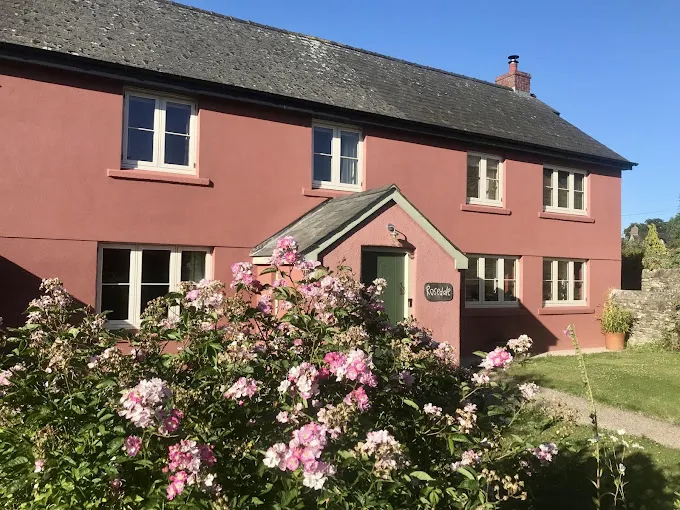
Wall Insulation Carmarthen: Your Complete Guide
Wall insulation Carmarthen homeowners need must handle high rainfall, coastal winds, and older solid-wall construction – this guide covers every option, cost, and benefit available in the region.
Table of Contents
- What Is Wall Insulation and Why It Matters in Carmarthen
- Types of Wall Insulation for Carmarthen Properties
- External Wall Insulation: The Leading Solution for Solid Walls
- Choosing the Right Wall Insulation Carmarthen Approach
- Frequently Asked Questions
- Comparing Wall Insulation Methods
- How Coloured Rendering South Wales Can Help
- Practical Tips for Carmarthen Property Owners
- The Bottom Line
- Sources & Citations
Article Snapshot
Wall insulation Carmarthen is the process of adding insulating material to the walls of a property to reduce heat loss, lower energy bills, and protect against the wet, wind-driven conditions of West Wales. Whether your home has cavity walls or older solid construction, correctly specified insulation cuts heating costs and improves comfort significantly.
Wall Insulation in Context
- 606,000 uninsulated cavity and solid wall dwellings exist in Wales, the majority (424,000) owner-occupied (Welsh Government, 2019)[1]
- Only 68% of cavity wall properties in Wales had been insulated as of 2018, leaving a substantial proportion of homes losing heat through uninsulated walls (Welsh Government, 2019)[1]
- Just 9% of solid wall properties across the UK had any form of solid wall insulation installed as of 2022 (Housewrapped.co.uk, 2022)[2]
- Wales recorded around 214 Great British Insulation Scheme upgrades per 100,000 households as of December 2024 – one of the higher rates among UK regions (Department for Energy Security and Net Zero, 2025)[3]
What Is Wall Insulation and Why It Matters in Carmarthen
Wall insulation Carmarthen is an important home improvement measure that prevents heat escaping through the external walls of a property, directly reducing energy consumption and heating bills. Walls are responsible for a significant share of a home’s total heat loss, and in a county like Carmarthenshire – exposed to the Atlantic weather systems that sweep in from Cardigan Bay and the Pembrokeshire coast – poorly insulated walls compound the problem through moisture penetration as well as simple thermal loss.
Carmarthen sits within a climate zone that receives well above the UK average for annual rainfall. Properties across Carmarthenshire, from town-centre terraces to rural farmhouses, face relentless wind-driven rain that pushes moisture into unprotected wall structures. Insulating those walls not only traps warmth but also helps manage moisture movement through the building fabric, reducing the risk of condensation, damp patches, and internal mould growth that are common complaints among West Wales homeowners.
Coloured Rendering South Wales, based in Swansea and serving the wider region including Carmarthen and Carmarthenshire, specialises in external wall insulation (EWI) systems that address both the thermal and weather-resistance needs of South Wales properties. Understanding which insulation approach suits your property starts with knowing the scale of the challenge locally.
Call Us
The Welsh Government reported that around 606,000 dwellings in Wales remained uninsulated across both cavity and solid wall construction as of 2018 (Welsh Government, 2019)[1]. Carmarthenshire, with a significant proportion of pre-1940s solid wall housing stock – particularly in Carmarthen town, Llanelli, and the surrounding villages – sits squarely within this challenge. Effective, durable insulation solutions exist for every property type in the area, from modern cavity wall fills to comprehensive EWI systems designed for exposed Welsh conditions.
Types of Wall Insulation for Carmarthen Properties
Wall insulation methods fall into three broad categories – cavity wall insulation, internal wall insulation, and external wall insulation – and the correct choice depends entirely on how your property was built.
Cavity Wall Insulation
Properties built from roughly the 1930s onwards, and especially those constructed from the 1960s to the 1990s, have a cavity between their outer and inner wall leaves. This gap was originally designed to prevent driving rain from crossing to the inner wall, but it also allows heat to escape freely by convection. Cavity wall insulation fills that gap with mineral wool, polystyrene beads, or polyurethane foam injected through small holes drilled in the outer wall. The UK had 14.8 million properties with cavity wall insulation installed as of 2022, representing approximately 71% of all cavity wall homes nationally (Housewrapped.co.uk, 2022)[2]. In Wales specifically, 68% of cavity wall dwellings had been insulated as of 2018 (Welsh Government, 2019)[1], meaning a substantial number of Carmarthenshire cavity wall homes still lack this straightforward improvement.
For properties in sheltered positions, cavity fill remains a cost-effective thermal upgrade. However, homes in exposed locations – particularly those facing prevailing south-westerly winds common across West Wales – require careful assessment before cavity fill is specified. Poorly chosen cavity fill materials in high-exposure zones allow moisture to bridge the cavity, creating new damp problems rather than solving existing ones. A reputable surveyor or insulation specialist familiar with local exposure ratings should assess any Carmarthen property before cavity fill is installed.
Internal Wall Insulation
Internal wall insulation (IWI) involves fixing insulation boards or building a studwork frame filled with insulating material against the internal face of external walls. It does not alter the external appearance of a property, making it a natural choice for listed buildings or properties in conservation areas where external alterations are restricted. The drawback is a reduction in internal room dimensions, disruption to internal finishes, and the need to reposition electrical sockets, skirting boards, and window reveals. IWI is used for individual rooms in solid wall properties where EWI is impractical or where occupants prefer a room-by-room improvement programme.
External Wall Insulation
External wall insulation is the most comprehensive option for solid wall properties and is addressed in detail in the next section. It is the fastest-growing segment of the UK insulation market, partly because only 9% of solid wall properties across the UK had any form of solid wall insulation installed as of 2022 (Housewrapped.co.uk, 2022)[2]. The combination of thermal improvement and weather-resistant rendered finish makes EWI particularly well-suited to Carmarthen’s older housing stock and exposed coastal conditions.
External Wall Insulation: The Leading Solution for Solid Walls
External wall insulation is a whole-building system that bonds or mechanically fixes insulation boards to the outside face of external walls, then applies a reinforced render finish to protect, weatherproof, and finish the surface. For Carmarthen properties with solid stone or brick walls – which are common in terraced housing across the town centre and in rural cottages and farmhouses across the county – EWI is frequently the most effective and practical insulation upgrade available.
The system works by wrapping the building fabric in a continuous layer of insulation, eliminating the cold bridges that occur at wall junctions, floor edges, and window reveals in internally insulated buildings. This not only improves the U-value of the wall – its resistance to heat flow – but also raises the temperature of the inner wall surface, significantly reducing condensation risk. For Carmarthen homeowners who have struggled with persistent cold walls and condensation-related damp, this is a meaningful and lasting benefit.
EWI System Components
A correctly installed EWI system comprises several integrated layers. Insulation boards – expanded polystyrene (EPS), mineral wool, or phenolic foam depending on the required thermal performance and wall type – are adhered and mechanically fixed to the prepared wall surface. A base coat render containing fibreglass reinforcing mesh is then applied over the boards to provide impact resistance and structural integrity. The final finish coat provides the weatherproofing, colour, and texture of the completed wall surface.
The finish coat material matters enormously in the Welsh climate. Silicone-based thin coat renders, such as Baumit StarTop, are the first choice for exposed locations because they combine high water repellency with breathability – preventing rain ingress while allowing vapour from inside the building to escape. This is the same balance that characterises a well-functioning wall in any climate, and it is especially important in a high-rainfall area like Carmarthenshire. The Welsh Government identified that there are around 606,000 uninsulated dwellings in Wales, with solid wall properties accounting for a significant share of that figure (Welsh Government, 2019)[1].
As a certified Baumit Approved EWI Applicator with City & Guilds Assured accreditation, Coloured Rendering South Wales installs full EWI systems with manufacturer-backed warranties of up to 25 years – giving Carmarthen property owners documented long-term protection that uncertified installation cannot provide. You can read more about our team’s qualifications and approach on our About Us page – learn more about our experienced team and rendering expertise.
Choosing the Right Wall Insulation Carmarthen Approach
Selecting the correct wall insulation Carmarthen method requires balancing your property’s construction type, its exposure to weather, your planning constraints, your budget, and your long-term ownership intentions.
The first step is identifying your wall construction. Properties built before approximately 1920 in Carmarthen are almost always solid wall construction – either rubble stone, dressed stone, or solid brick with no cavity. Properties built between the 1920s and 1990s are likely to have a cavity. Post-2000 builds generally have some insulation already installed in the cavity or within the structural frame. If you are unsure, a local builder or energy assessor can confirm wall construction quickly, often from a visual inspection of the wall thickness at a window or door reveal.
Exposure Rating and Material Specification
Carmarthen falls within a high or very high exposure zone for driving rain by UK standards. The UK Building Regulations Approved Documents provide guidance on exposure classifications, and any EWI specification for Carmarthenshire properties should use materials rated for Zone 3 or Zone 4 exposure as a minimum. This affects not only the choice of finish render but also the adhesive and mesh specification within the system. Cutting corners on material specification in an exposed West Wales location is a common cause of premature render failure and re-occurring damp problems.
Planning and Conservation Considerations
EWI adds thickness to external walls – between 80mm and 150mm depending on the insulation board used – which slightly changes the external appearance and footprint of the building. For most standard residential properties in Carmarthen, EWI installation falls within permitted development rights and does not require full planning permission. However, listed buildings, properties within designated conservation areas, and those in Article 4 direction zones do require consent. Carmarthenshire County Council’s planning department can confirm the status of any individual property before work begins.
Grants and Financial Support
Funding support is available for eligible Carmarthen homeowners. The Great British Insulation Scheme (GBIS) targets households in lower EPC bands and lower-income groups, and Wales has shown active uptake – the Department for Energy Security and Net Zero reported approximately 214 GBIS upgrades per 100,000 households in Wales as of December 2024 (Department for Energy Security and Net Zero, 2025)[3]. The Welsh Government’s Warm Homes programme also funds insulation measures for eligible households. Checking eligibility before committing to a self-funded installation is worthwhile, as EWI in particular attracts meaningful grant contributions that substantially reduce the net cost.
Your Most Common Questions
Is external wall insulation suitable for older Carmarthen stone properties?
External wall insulation can be installed on older stone properties in Carmarthen, but the specification requires careful consideration of the original wall’s moisture management behaviour. Traditional solid stone walls – particularly lime-mortared rubble construction common across Carmarthenshire farmhouses and older town properties – are designed to absorb and release moisture through their thickness. Covering them with a vapour-impermeable system would trap moisture within the wall and cause deterioration of the stone and mortar. For these properties, a breathable EWI system using mineral wool insulation boards and a silicone or lime-based finish render is the appropriate choice. These systems maintain vapour permeability while still delivering meaningful thermal improvement. A qualified EWI installer with experience of traditional Welsh construction should survey the property before any system is specified. Pre-treatment of any active damp or vegetation growth on the wall surface is also required before EWI boards are fixed. When correctly specified and installed, EWI on a solid stone Carmarthenshire property achieves a U-value below 0.3 W/m²K from a starting point that may be 1.5 W/m²K or higher in an uninsulated stone wall.
How much does wall insulation cost in the Carmarthen area?
Wall insulation costs in the Carmarthen area vary considerably by insulation type, property size, and the condition of the existing wall surface. Cavity wall insulation is the least expensive option – a three-bedroom semi-detached property costs between £500 and £1,500 for cavity fill, and this is often partially or fully funded through grant schemes for eligible households. Internal wall insulation is more disruptive and labour-intensive, with costs for a single room running from £1,000 to £3,000 or more depending on the area and specification. External wall insulation is the most comprehensive investment: for a standard three-bedroom house, installed EWI with a silicone render finish ranges from £6,000 to £15,000 or more, depending on wall area, access requirements, and the specification of insulation board and finish. The investment should be assessed against long-term energy savings, reduction in maintenance costs from weather-damaged render, and potential improvement to property EPC rating and market value. Grant funding through the Great British Insulation Scheme or Warm Homes Wales reduces the net cost for eligible properties. Always obtain at least two or three detailed quotes from experienced local contractors before proceeding.
Will wall insulation solve damp problems in my Carmarthen property?
Wall insulation addresses certain types of damp but will not resolve all moisture problems, and poorly specified insulation makes damp worse. Condensation damp – where warm moist air meets cold wall surfaces and water vapour condenses – is improved significantly by EWI, because insulating the outside of the wall raises the internal wall surface temperature. Cold bridge damp at junctions and reveals is similarly addressed by a well-detailed EWI system that wraps insulation continuously around the building. However, penetrating damp caused by defective pointing, failed render, or damaged window and door flashings needs to be rectified before any insulation is installed. Rising damp from ground moisture requires separate treatment through physical or chemical damp proof courses. Installing insulation over active rising or penetrating damp without addressing the root cause traps moisture within the wall and accelerates deterioration. A thorough damp survey before specifying insulation is required for any older Carmarthen property. A quality EWI system with a waterproof yet breathable silicone render finish will prevent future rain penetration and manage vapour movement correctly once the underlying damp issues have been resolved.
How long does external wall insulation last on a Welsh coastal property?
When correctly specified and installed by a certified applicator, external wall insulation systems are designed to last for decades. Manufacturer-backed warranties on premium EWI systems from established suppliers such as Baumit run from 10 to 25 years, and systems installed in the early years of EWI adoption in the UK during the 1990s and 2000s have largely performed well without system failure. The critical factors for longevity in the Welsh coastal environment are the quality of the initial specification, the choice of finish render, and the standard of detailing at window surrounds, soffits, and the base of the wall where the system meets the ground or damp proof course level. Silicone render finishes are preferred for coastal and high-exposure locations because their hydrophobic properties prevent water retention on the surface, reducing freeze-thaw stress on the render and limiting algae and mould growth. Self-cleaning properties in quality silicone renders help maintain appearance with minimal maintenance. Properties in highly exposed coastal positions – such as seafront homes near Llansteffan or Ferryside in Carmarthenshire – benefit from annual inspection of sealant joints around window and door perimeters to catch any early signs of sealant weathering before water ingress occurs.
Comparing Wall Insulation Methods for Carmarthen Properties
The three main approaches to wall insulation each suit different property types, budgets, and circumstances. The table below summarises the key differences to help Carmarthen homeowners identify the most suitable starting point for their own property. A professional survey is always recommended before final specification, as local conditions and individual property characteristics significantly influence the optimal choice.
| Method | Best For | Effect on Appearance | Disruption Level | Typical Longevity | Grant Eligibility |
|---|---|---|---|---|---|
| Cavity Wall Insulation | Post-1930s cavity wall properties in sheltered locations | None – external walls unchanged | Low – drilled holes filled and repointed | 25+ years with appropriate fill material | Often eligible under GBIS or ECO4 |
| Internal Wall Insulation (IWI) | Listed buildings, conservation areas, solid wall properties where EWI is restricted | None externally; reduces internal room size | High – rooms must be cleared, redecorated | 25+ years if correctly installed | Eligible under some grant schemes |
| External Wall Insulation (EWI) | Solid wall properties, exposed locations, full thermal upgrade with new render finish (71% of cavity wall homes nationally are already insulated)[2] | Significant – fresh render finish transforms appearance | Medium – exterior work, minimal internal disruption | 10-25 years with manufacturer warranty; 30+ years common | Eligible under GBIS and Warm Homes Wales for qualifying properties |
How Coloured Rendering South Wales Can Help
Coloured Rendering South Wales has been delivering external wall insulation and spray rendering services across South Wales since 1998. With over 25 years of experience working in the region’s demanding climate – from the sheltered Tywi Valley to the exposed Gower Peninsula coast – our team understands exactly what wall insulation specification Carmarthen and surrounding Carmarthenshire properties require to perform reliably year after year.
As a certified Baumit Approved EWI Applicator with City & Guilds Assured accreditation, we install complete EWI systems including insulation boards, reinforced base coat, and premium silicone render finishes. Our Baumit StarTop installations carry manufacturer-backed warranties of up to 25 years, giving you documented protection and peace of mind that self-certified or unaccredited work cannot provide. We handle everything from the initial property assessment through to the finished render, with careful detailing around windows, doors, and architectural features that is critical to long-term system performance in exposed Welsh conditions.
Beyond EWI, our full service range includes Rendering Repairs South Wales – professional repairs and maintenance for external wall renders for properties with failing or damaged existing render, and specialist EWI Specialists South Wales – expert external wall insulation installations for energy efficiency covering solid wall properties across Carmarthen, Swansea, Cardiff, Newport, and the surrounding region.
Our customers speak to the quality of our work directly:
“Geoff fitted External Wall Insulation to a wall that had a number of issues and through which a lot of heat was being lost. Geoff is very tidy, he talked us through it at every stage and was very respectful of our neighbours whilst working in their property. Great job!” – Abby Harries-Heat, Google Review
“We’re 100% happy and wouldn’t hesitate to recommend Jeff. His workmanship is excellent and we’re also very happy with the product he recommended to eradicate the penetrating damp and give our house a great new look and lease of life.” – Alistair Legge, Google Review
To discuss your Carmarthen property and receive a free, no-obligation consultation, contact Coloured Rendering South Wales for a free quote or consultation on your rendering project, call us on 07815 868070, or email geoff@colouredrenderingsouthwales.com.
Practical Tips for Carmarthen Property Owners
Getting wall insulation right in Carmarthenshire requires more than selecting the cheapest quote. The following guidance will help you achieve a durable, effective outcome that performs in West Wales conditions.
Commission a thorough survey first. Before committing to any insulation system, have the property assessed by an experienced local contractor or energy assessor who understands traditional Welsh construction. Identify wall type, check for existing damp, and confirm the exposure rating for the specific location. A seafront cottage near Laugharne faces entirely different conditions from a sheltered terrace in Carmarthen town centre, and the specification should reflect that difference.
Check planning status early. If your property is listed or sits within a conservation area – and Carmarthen has several designated zones, including the town centre conservation area – confirm whether EWI requires planning consent before proceeding. This avoids costly delays or enforcement issues later.
Prioritise breathability in your specification. For any Carmarthen property with solid or traditional wall construction, insist on a system that maintains vapour permeability. Silicone render finishes and mineral wool insulation boards are the standard choice for breathable EWI in Wales. Avoid dense, impermeable systems on traditional lime-mortared walls.
Investigate grant eligibility before self-funding. The Great British Insulation Scheme, ECO4, and Warm Homes Wales all provide funding for qualifying properties. Carmarthenshire residents in lower EPC bands or in receipt of qualifying benefits are eligible for significant contributions toward EWI costs. Check eligibility via the Welsh Government’s Nest scheme or through an approved local installer.
Request certified installers and manufacturer-backed warranties. EWI is a system product – all components must be compatible and installed to the manufacturer’s specification for the warranty to be valid. A Baumit Approved Applicator or equivalent accredited installer provides the documented quality assurance that protects your investment for decades.
Factor in the render finish as part of your specification. EWI is not just insulation – the render finish is the weatherproofing layer that protects the entire system. Selecting the right colour and texture at the outset avoids the need for repainting and ensures the system performs as intended in Carmarthenshire’s high-rainfall environment. Visit our Home page of Coloured Rendering South Wales – expert spray rendering and external wall insulation services across South Wales for examples of completed projects and available finish options.
The Bottom Line
Wall insulation Carmarthen is one of the most impactful improvements a property owner in West Wales can make – addressing heat loss, managing moisture, reducing energy bills, and protecting the building fabric from Carmarthenshire’s demanding climate simultaneously. With the majority of Wales’s older solid wall housing stock still uninsulated, the opportunity and the need are both clear.
Choosing the right system requires matching the insulation method to your wall construction and exposure zone, confirming any planning requirements, and working with a certified installer who understands traditional Welsh building materials and the specific demands of coastal West Wales conditions. External wall insulation with a quality silicone render finish remains the most comprehensive solution for the region’s older solid wall properties, combining thermal performance with lasting weather protection in a single installation.
For Carmarthen homeowners ready to take the next step, call Coloured Rendering South Wales on 07815 868070 or email geoff@colouredrenderingsouthwales.com to arrange a free site assessment and quotation.
Sources & Citations
- Welsh Housing Conditions Survey 2017-18: Energy Efficiency of Dwellings. Welsh Government.
https://www.gov.wales/sites/default/files/statistics-and-research/2019-10/welsh-housing-conditions-survey-energy-efficiency-dwellings-april-2017-march-2018-795.pdf - UK Home Insulation Statistics. Housewrapped.co.uk.
https://housewrapped.co.uk/news/uk-home-insulation-statistics - Great British Insulation Scheme Release February 2025. Department for Energy Security and Net Zero.
https://assets.publishing.service.gov.uk/media/67b4ddd34a80c6718b55bf5e/GBIS_Release_February_2025.xlsx