
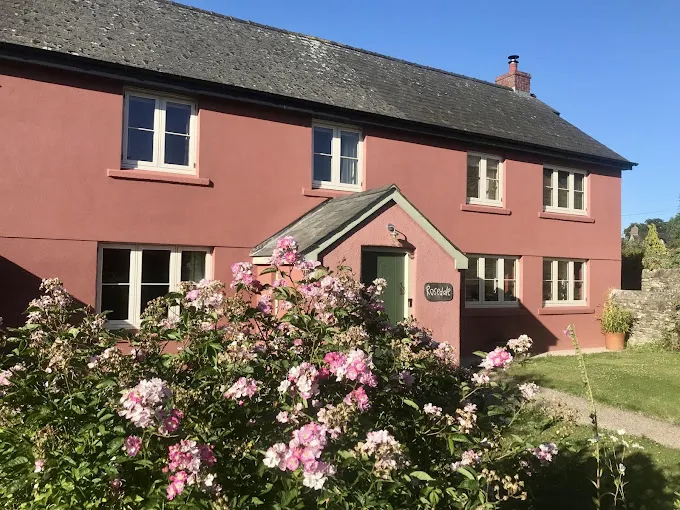
Silicone Rendering South Wales: Complete Guide
Silicone rendering South Wales is a premium external wall finish combining flexible polymer technology with outstanding weather resistance – ideal for Welsh coastal and upland climates. This guide covers costs, systems, and how to choose the right contractor.
Table of Contents
- What Is Silicone Rendering?
- Why Silicone Render Suits South Wales Properties
- Silicone Render Costs and Systems Explained
- The Silicone Rendering Application Process
- Frequently Asked Questions
- Comparing External Render Systems
- Coloured Rendering South Wales
- Practical Tips for Silicone Rendering Projects
- Key Takeaways
- Sources & Citations
Article Snapshot
Silicone rendering South Wales is a polymer-based external wall coating that delivers crack resistance, waterproofing, and breathability in a single system. Applied in thin layers with colour throughout, it requires no painting and performs exceptionally well against the high rainfall and coastal salt air typical of South Wales.
Silicone Rendering South Wales in Context
- Average silicone render cost including materials and labour: £72.50 per m² (Checkatrade, 2026)[1]
- Typical cost for a semi-detached property (3 walls): £10,000 (Checkatrade, 2026)[1]
- Expected lifetime of silicone render: 20 years (Plasterers Cardiff, 2025)[2]
- Silicone render cost range including labour and materials: £50 to £75 per m² (Plasterers Cardiff, 2025)[2]
What Is Silicone Rendering?
Silicone rendering South Wales is a modern external wall finish that uses silicone polymer technology to create a flexible, waterproof, and breathable coating on building exteriors. Unlike traditional cement renders, a silicone-based system incorporates the colour throughout its composition, meaning there is no requirement for painting once cured. This makes it a genuinely low-maintenance solution for residential and commercial properties across the region.
Coloured Rendering South Wales has been specifying and applying silicone render systems across South Wales since 1998, and the shift towards polymer-modified finishes has been one of the most significant developments in external wall technology over that period. As the Plasterers Cardiff team explain, “Silicone render contains silicone, which is a polymer that’s rubbery and has a higher resistance to heat. Unlike acrylic, silicone renders come in several formulations and colours which provide great flexibility for homeowners.” (Plasterers Cardiff, 2025)[2]
The product is supplied ready-mixed and is applied by hand float or by professional spray equipment. It bonds to a prepared basecoat and is applied in a thin layer of 1.5 mm to 3 mm depending on the texture grain specified. The polymer matrix within the render allows it to flex slightly as the substrate expands and contracts with temperature, reducing the surface cracking that afflicts traditional sand and cement renders exposed to the Welsh climate.
Call Us
Silicone renders are available in a very wide range of colours and textures – from fine grain for a contemporary smooth appearance to coarser grain for a more traditional textured finish. Through-coloured formulations mean the render retains its colour even if minor surface abrasion occurs, and the self-cleaning properties of the silicone component help rain water carry surface dirt down and away from the wall face rather than soaking in and discolouring the finish.
For properties in South Wales – particularly those along the coast between Swansea, the Gower Peninsula, and further west – the combination of breathability and water repellency addresses the two most damaging moisture-related failure modes that affect external render: water ingress from driven rain, and trapped moisture from condensation within the wall structure. A well-specified silicone system handles both simultaneously, making it the preferred facade render solution for many South Wales properties today.
Why Silicone Render Suits South Wales Properties
South Wales presents a genuinely demanding environment for external wall finishes, and silicone render’s specific performance characteristics align closely with the region’s climate challenges. The combination of high annual rainfall, prevailing south-westerly winds off the Atlantic, and salt-laden coastal air places external wall coatings under sustained stress that inland UK climates do not replicate.
Weather Resistance and Breathability
The defining technical advantage of silicone render is that it is simultaneously water-repellent and vapour-permeable. The Plasterers Cardiff contractors explain it clearly: “It imparts a very high degree of water repelling properties to the render system which allows for better breathability inside the surface.” (Plasterers Cardiff, 2025)[2] This means rain water is shed at the surface while water vapour from inside the building escapes outward through the wall construction – a balance that is important for solid-wall properties, which make up a large proportion of South Wales housing stock, particularly in Swansea, Neath, and the valley towns.
For coastal properties in areas such as Mumbles, Porthcawl, and Tenby, salt air accelerates the degradation of cement-based renders. The polymer chemistry of silicone render is inherently resistant to salt attack and does not react with airborne chlorides in the way that traditional lime-cement mixes do over time. This longevity advantage is backed by a typical performance expectancy of 20 years (Plasterers Cardiff, 2025)[2] – substantially longer than painted cement renders that require redecoration every five to eight years.
Self-Cleaning and Low Maintenance
The hydrophobic surface created by the silicone polymer causes rain water to bead and run off cleanly rather than spreading across the surface and carrying algae or dirt into the render texture. This self-cleaning mechanism keeps silicone-rendered elevations looking fresh for far longer than conventional finishes. For property owners in South Wales where moss and algae growth is accelerated by the damp climate, this is a particularly relevant benefit. Coloured Rendering Swansea – durable and attractive rendering solutions for residential and commercial properties – details how the right specification makes a measurable difference to ongoing maintenance requirements.
The self-cleaning characteristic reduces the need for chemical treatments or pressure washing that older render systems require every few years. Over the 20-year lifespan of the system, this reduction in maintenance effort and cost represents a significant financial advantage for homeowners and landlords alike. Through-coloured manufacture also means that any light surface scuffing reveals the same colour beneath rather than exposing a grey substrate, preserving the visual appearance of the wall without remedial painting.
Crack Resistance and Flexibility
South Wales properties experience notable temperature variation across seasons, and many older homes have substrates – including solid brick, rubble stone, and early blockwork – that move more than modern cavity-wall construction. Traditional sand and cement renders are brittle and cannot accommodate this movement without cracking. Silicone render’s polymer matrix gives it sufficient elasticity to bridge hairline substrate movement, meaning the render surface remains intact where a harder system would crack and allow water ingress. This crack resistance is particularly valuable in Victorian and Edwardian terraced housing common across Swansea and Cardiff, where differential thermal and moisture movement in older masonry is a known source of render failure.
Silicone Render Costs and Systems Explained
Understanding silicone render costs in South Wales requires separating material costs from labour and distinguishing between different property sizes and system specifications. Pricing varies depending on wall area, substrate preparation required, and the specific render product chosen.
Typical Cost Ranges
The average combined cost of silicone render materials and labour is £72.50 per m² (Checkatrade, 2026)[1], with the overall cost range sitting between £50 and £75 per m² depending on project specifics (Plasterers Cardiff, 2025)[2]. Material costs alone average £11.80 per m² (Checkatrade, 2026)[1], with the remainder representing labour at rates of approximately £35 per hour or £280 per day (Checkatrade, 2026)[1].
For whole-property projects, typical total costs break down by property type. A mid-terraced property with two external walls averages £5,000, a semi-detached with three walls averages £10,000, and a detached property averages £15,000 (Checkatrade, 2026)[1]. These figures assume standard substrate preparation; properties with extensive existing render removal, repairs to the masonry substrate, or complex architectural detailing will incur additional costs.
Render System Components
A complete silicone render system consists of several components working together. The substrate requires priming, followed by a basecoat – a polymer-modified cement render reinforced with fibreglass mesh to provide a stable, flat surface. Coverage from the basecoat is approximately 4 to 5 m² per bag (Checkatrade, 2026)[1]. The silicone topcoat is then applied over the cured basecoat. Premium systems such as Baumit StarTop use advanced silicone formulations with manufacturer-backed warranties of up to 25 years when installed by an approved applicator.
Checkatrade building experts confirm that silicone render offers strong practical value: “Silicone render is easy to apply, resistant to cracking, low-maintenance, and has built-in colour options, so no need for painting.” (Checkatrade, 2026)[1] For property owners evaluating whole-life cost rather than just upfront expenditure, the elimination of periodic repainting – which costs £1,500 to £3,000 for a semi-detached property – makes silicone render financially competitive over its 20-year lifespan even against cheaper systems that require ongoing maintenance.
Factors Affecting South Wales Project Costs
Scaffold access is the most significant variable cost on South Wales rendering projects. Properties with limited access, large gable ends, or complex rooflines require more extensive scaffold structures. Existing render in poor condition requires complete removal and disposal before the new system is applied. Coastal properties in areas such as Swansea Bay or the Vale of Glamorgan coastline benefit from specifying premium silicone formulations with enhanced salt resistance, which carry a modest material cost premium over standard grades. The UK Building Regulations Approved Documents set minimum performance standards for external wall systems, and specifying a compliant render system from the outset avoids costly remediation later.
The Silicone Rendering Application Process
Professional silicone rendering follows a structured sequence from substrate assessment through to final cure, and the quality of each stage directly affects the long-term performance of the finished system. Shortcuts in preparation are the most common cause of premature render failure in South Wales properties.
Substrate Assessment and Preparation
Every successful silicone render installation begins with a thorough assessment of the existing substrate. This involves tapping the wall to identify hollow or delaminated areas of existing render, checking for live cracks in the masonry, assessing moisture levels, and identifying any contamination such as salt crystallisation or biological growth that compromises adhesion. Any failed render is removed and the substrate made good before the new system is applied. Masonry cracks wider than hairline are filled and stabilised. Salt-affected areas are treated with specialist primers. This preparation work is unglamorous but essential – applying a premium silicone system over a poorly prepared substrate simply transfers the failure mode without solving it.
Spray Application Technology
The application method – spray or hand float – has a direct impact on both the speed and the consistency of the finished render. Professional spray rendering equipment delivers the topcoat at controlled pressure, producing an even layer thickness across the entire elevation simultaneously. The Coloured Rendering South Wales specialists note that “Spray application technology has revolutionized silicone render South Wales projects, enabling faster coverage with consistent thickness across large wall areas.” (Coloured Rendering South Wales, 2025)[3]
For new build developments and larger renovation projects, spray application is significantly faster than hand application. A skilled spray renderer covers two to three times more wall area per day compared to traditional hand floating, which has a direct impact on labour costs and the overall project programme. For South Wales developers and landlords managing multiple properties, this efficiency advantage compounds across a portfolio. The consistent layer thickness achieved by spray application also improves the uniformity of the finished surface – particularly important with fine-grain silicone renders where any variation in depth becomes visible as surface texture inconsistency.
Curing and Weather Considerations
Silicone render requires appropriate temperature and humidity conditions during application and the initial curing period. In South Wales, the extended autumn and winter wet season means that project scheduling is an important part of professional render management. Render should not be applied to frozen substrates or when air temperatures are below 5°C, and newly applied render must be protected from direct heavy rainfall for at least 24 hours. Experienced local contractors understand Welsh weather patterns and factor seasonal conditions into project planning – a consideration less relevant to contractors operating primarily in drier parts of England. Detailing around windows, sills, meter boxes, and pipe penetrations requires careful attention with appropriate stop beads and sealants to prevent water tracking behind the render at vulnerable junctions. These details are where many DIY or inexperienced render applications fail first, and where professional craftsmanship makes a visible difference to long-term performance. Visit our gallery to view examples of our high-quality spray rendering and repair work completed across South Wales.
Your Most Common Questions
How long does silicone render last on South Wales properties?
Silicone render has an expected lifespan of 20 years under typical UK conditions (Plasterers Cardiff, 2025)[2]. In South Wales, where high rainfall, salt air, and temperature variation place above-average stress on external wall finishes, a correctly specified and professionally applied silicone system achieves this full lifespan with minimal maintenance. The key factors affecting longevity are the quality of substrate preparation, the specification of the render system – including whether a premium product with enhanced UV and salt resistance is used – and the standard of detailing at junctions and penetrations. Properties in exposed coastal locations along Swansea Bay or the Gower Peninsula benefit from specifying dedicated coastal-grade silicone formulations. Premium manufacturer-backed systems, such as Baumit StarTop installed by an approved applicator, carry warranties of up to 25 years, providing documented performance assurance beyond the industry standard. Compared to painted cement render, which requires redecoration every five to eight years, silicone render’s 20-year low-maintenance lifespan represents a substantially better whole-life investment for most South Wales property owners.
Is silicone render suitable for older South Wales properties with solid walls?
Silicone render is particularly well-suited to older South Wales properties with solid masonry walls, including Victorian and Edwardian terraces common across Swansea, Neath, and Cardiff. The reason is breathability: solid walls cannot dry to the outside if coated with an impermeable render, which traps moisture within the wall and causes damp problems and masonry deterioration. Silicone render’s vapour-permeable properties allow moisture within the wall construction to escape outward while simultaneously repelling rainwater at the surface – exactly the balance that solid-wall properties require. For older properties with significant heat loss through solid walls, combining silicone render with an External Wall Insulation system provides both thermal improvement and a high-performance weather-resistant finish in one installation. This combination is particularly relevant for South Wales properties built before 1919, which represent a substantial proportion of housing in the region and have the poorest thermal performance. The flexibility of silicone polymer also accommodates the minor structural movement that aged masonry exhibits, reducing the risk of surface cracking that affects harder cement-based systems applied to these substrates.
How much does silicone rendering cost in South Wales?
Silicone rendering costs in South Wales align broadly with national figures. The average combined cost of materials and labour is £72.50 per m², with the typical range sitting between £50 and £75 per m² depending on project specifics (Checkatrade, 2026)[1]. For whole-property projects, a mid-terraced home with two external walls costs around £5,000, a semi-detached with three walls around £10,000, and a detached property around £15,000 (Checkatrade, 2026)[1]. South Wales project costs are influenced by several regional factors: scaffold requirements for properties with restricted access in valley towns and steep terraced streets, the condition of existing render, and whether coastal-grade materials are specified for exposed locations. Labour rates in South Wales are broadly competitive with the national range. The most important advice for budget planning is to obtain quotes that clearly separate substrate preparation from render application, as extensive preparation on older properties adds significantly to the base cost. Always ensure quotes specify the render system by product name and confirm what warranty is included.
Can silicone render be applied over existing render in South Wales?
Whether silicone render is applied over existing render depends entirely on the condition of the substrate beneath it. If the existing render is sound – firmly bonded to the masonry with no hollow areas, significant cracks, or active damp – a thin coat silicone system is applied directly over the prepared surface after priming. However, this approach requires a thorough assessment by an experienced renderer, as any areas of failed or hollow render must be removed first. Applying a new system over failed render simply delays the same failure and voids most manufacturer warranties. In practice, many older South Wales properties with pre-existing render have at least some areas requiring localised removal and repair before overcoating is viable. A professional site survey is the only reliable way to determine whether overcoating is appropriate for a specific property. For properties where the existing render is substantially failed, full removal and reinstatement provides the cleanest and most durable long-term result. See our rendering repairs South Wales page for guidance on assessing and addressing render condition before specifying a new system.
Comparing External Render Systems for South Wales
Choosing the right render system for a South Wales property means weighing performance, cost, maintenance requirements, and suitability for the local climate. The four main options – silicone render, acrylic render, monocouche through-colour render, and traditional sand and cement render – each offer a different balance of these factors, and the best choice depends on the property’s age, location, and the owner’s priorities.
| Render System | Approximate Cost | Lifespan | Maintenance | Breathability | Best For |
|---|---|---|---|---|---|
| Thin coat silicone render | £50-£75 per m² (Checkatrade, 2026)[1] | 20+ years | Very low – self-cleaning | High – vapour permeable | Coastal, solid-wall, and low-maintenance properties |
| Acrylic render | £40-£65 per m² | 10-15 years | Low – through-coloured | Moderate | New build and cavity-wall properties |
| Monocouche through-colour render | £45-£70 per m² | 15-25 years | Low – no painting required | Moderate to high | Traditional and contemporary residential properties |
| Sand and cement render (painted) | £25-£45 per m² | 5-10 years between redecoration | High – requires painting every 5-8 years | Low – traps moisture | Budget-conscious projects where appearance is secondary |
For most South Wales properties – particularly those in coastal or high-rainfall locations – silicone render’s combination of breathability, self-cleaning performance, and crack resistance justifies its position at the higher end of the cost range. Monocouche render is a strong alternative where a traditional textured finish is preferred, while acrylic render suits modern cavity-wall new builds where breathability is less important. Sand and cement render remains the lowest upfront cost option but carries the highest whole-life cost through regular repainting.
Coloured Rendering South Wales
Coloured Rendering South Wales has delivered professional spray rendering and external wall insulation services across South Wales since 1998. Based in Swansea, the team brings more than 25 years of hands-on experience specifying and applying silicone render systems across a wide range of South Wales properties – from Victorian terraces in Neath to seafront homes on the Gower and new build developments in Cardiff and Newport.
As a Baumit Approved EWI Applicator with City & Guilds Assured accreditation, the company is certified to install Baumit StarTop premium silicone render and complete External Wall Insulation systems. This certification carries manufacturer-backed warranties of 10 to 25 years depending on the system specified, giving property owners documented long-term protection that informal or uncertified rendering work cannot provide. Spray rendering technology is central to the way the team works – enabling consistent layer thickness, faster project completion, and a high-quality finish across large wall areas.
The company’s EWI specialists South Wales service combines silicone render finishes with high-performance insulation boards for properties where thermal improvement is as important as weather protection. This is particularly relevant for older South Wales solid-wall properties where energy bills and damp problems often go hand in hand.
“With over 15 years in the building trade I have experienced several different plasterers all offering different styles and finishes. Geoff’s thin coat spray finish render would rival the best and I can’t recommend his team enough to someone thinking of using him. His professionalism and work ethic has stood out from many of the others we have worked with.” – Keri Hopkins, Google Review
“We’re 100% happy and wouldn’t hesitate to recommend Jeff. His workmanship is excellent and we’re also very happy with the product he recommended to eradicate the penetrating damp and give our house a great new look and lease of life.” – Alistair Legge, Google Review
To discuss your property and get a free quote, call 07815 868070, email geoff@colouredrenderingsouthwales.com, or use the contact form for a free consultation on your rendering project.
Practical Tips for Silicone Rendering Projects
Getting the best outcome from a silicone rendering project in South Wales requires careful planning before a single trowel is lifted. These practical considerations apply whether you are a homeowner planning a first render, a landlord upgrading a portfolio, or a developer specifying finishes for a new build.
Get a proper site survey before accepting any quote. A reputable contractor will visit the property, assess the substrate condition, check for hollow render, and identify any damp or structural issues before pricing the work. Any quote submitted without a site visit cannot accurately price substrate preparation – which is where unexpected costs arise.
Specify the render system by product name. Quotes should state the render manufacturer and product reference, not just “silicone render.” This allows you to compare like-for-like between contractors and verify that the specified product carries the warranty quoted. Premium systems such as Baumit StarTop carry installer-backed warranties that generic or unlabelled products do not.
Consider the colour carefully – and check large samples in situ. Through-coloured silicone render is a permanent finish. Colour samples viewed indoors under artificial light look different from the same colour viewed on an exterior wall in South Wales daylight. Ask your contractor to provide a large sample applied to the actual wall surface before committing to a colour, and assess it at different times of day.
Plan scaffold access early. Scaffold lead times in South Wales extend project start dates, and scaffold hire is a significant cost component. Combining scaffold with other external work – guttering replacement, fascia and soffit work, window or roof repairs – reduces the overall cost of access and is good practice when the scaffold is already in place.
Check contractor credentials and insurance. Verify that your chosen renderer holds current public liability insurance and, where relevant, holds manufacturer-approved applicator status. For EWI systems, this certification is essential for the manufacturer warranty to be valid. Learn more about our experienced team and rendering expertise to understand what professional accreditation means in practice.
Factor in seasonal timing. South Wales winters are wet, and silicone render requires frost-free conditions during application and initial cure. Planning external rendering work for spring or early autumn improves the likelihood of suitable application conditions and reduces the risk of weather-related delays.
Key Takeaways
Silicone rendering South Wales offers a compelling combination of weather resistance, breathability, crack flexibility, and low maintenance that suits the demands of the Welsh climate better than most alternative external wall coatings. With a 20-year performance expectancy, self-cleaning properties, and no requirement for periodic repainting, the whole-life cost case for silicone render is strong – particularly for coastal and solid-wall properties in South Wales where traditional renders struggle.
Choosing the right product, specifying an appropriate system for the substrate and location, and ensuring professional installation by an experienced and accredited contractor are the three factors that determine whether a silicone render investment performs as intended over the long term.
Coloured Rendering South Wales has delivered silicone render projects across Swansea, Cardiff, Newport, and the wider South Wales region for over 25 years. Call 07815 868070 or email geoff@colouredrenderingsouthwales.com to arrange a free property assessment and quotation.
Sources & Citations
- How Much Does Silicone Render Cost in 2026? Checkatrade.
https://www.checkatrade.com/blog/cost-guides/silicone-render-cost/ - Silicone Render – The Good, The Bad And The Ugly. Plasterers Cardiff.
https://www.plastererscardiff.co.uk/silicone-render-the-good-the-bad-and-the-ugly/ - Expert Silicone Render South Wales Services. Coloured Rendering South Wales.
https://www.colouredrenderingsouthwales.com/silicone-render-south-wales/