
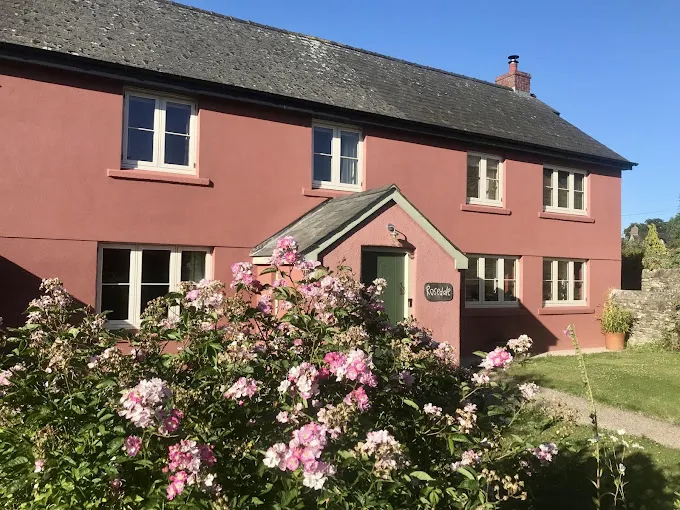
Silicone Rendering Pontardawe: Expert Guide
Silicone rendering Pontardawe provides durable, weather-resistant external wall protection suited to the Neath Valley’s wet climate – discover the best systems, costs, and local specialists for your property.
Table of Contents
- What Is Silicone Rendering?
- Benefits of Silicone Rendering for Pontardawe Properties
- The Silicone Render Application Process
- Choosing the Right Silicone Rendering Contractor
- Frequently Asked Questions
- Comparing Render Systems
- Coloured Rendering South Wales
- Practical Tips for Your Rendering Project
- Key Takeaways
- Sources & Citations
Article Snapshot
Silicone rendering Pontardawe is a modern external wall finishing system that uses silicone resin binders to create a flexible, waterproof, and breathable protective coat. It outperforms traditional cement render in wet upland climates, resists cracking, and requires minimal maintenance over a lifespan exceeding a decade.
Silicone Rendering Pontardawe in Context
- Professional render repairs using silicone materials last 10–15 years in coastal Welsh conditions (Coloured Rendering South Wales, 2026)[1]
- Specialist silicone render teams in South Wales carry up to 25 years of hands-on expertise (Coloured Rendering South Wales, 2026)[2]
- BMF member companies generate £44 billion in combined annual sales across the UK building materials sector (Building Materials Federation (BMF), 2023)[3]
- The BMF represents 870 member companies employing 203,000 people in UK building materials (Building Materials Federation (BMF), 2023)[3]
What Is Silicone Rendering?
Silicone rendering Pontardawe refers to a thin-coat external wall finishing system that uses silicone resins – rather than traditional cement or lime – as the primary binding agent. As the Silicone Render Engineers note, “Silicone render represents a significant advancement in external wall coating technology, utilising silicone resins as the primary binder rather than traditional cement or lime.”[2] That polymer-based chemistry delivers a finish that flexes with the building structure, repels driven rain, and allows water vapour to escape from the wall without trapping moisture behind the surface. Coloured Rendering South Wales, a Swansea-based rendering specialist with over 25 years of experience, installs silicone render systems across the Neath Valley and beyond, including Pontardawe, Clydach, and Ystradgynlais.
The Pontardawe area sits in the upper Tawe Valley where annual rainfall is significantly higher than the UK average, and prevailing westerlies push moisture-laden air directly against south and west-facing elevations. That climate makes silicone render one of the most practical choices available for property owners in the town. Unlike sand-and-cement render, which absorbs water during prolonged wet spells and then cracks as it dries and shrinks, silicone render remains flexible and hydrophobic throughout its service life. Properties ranging from interwar terraces on Herbert Street to newer detached homes on the outskirts of the town benefit from the protective qualities a quality silicone render system provides.
The Coloured Rendering South Wales Team confirms that “Modern silicone-based systems emerged as a solution to these challenges, incorporating advanced polymer technology that provides flexibility and weather resistance.”[2] That flexibility is particularly valuable in South Wales, where thermal cycling – warm summers followed by cold, damp winters – repeatedly stresses external wall finishes. Cement renders that lack polymer modification develop hairline cracks within five to ten years under those conditions, providing entry points for water that accelerates deterioration. Silicone systems, applied in layers no thicker than three millimetres, maintain their integrity across those temperature swings without the cracking patterns that blight older cement finishes.
Call Us
For homeowners in Pontardawe considering a rendering upgrade, the starting point is understanding the difference between a decorative coating and a structural render system. Silicone render is a through-coloured finish coat applied over a basecoat or existing substrate – it is not a paint, and it does not simply mask underlying problems. Proper preparation, correct substrate assessment, and the right choice of system are all prerequisites for a finish that performs as advertised. A Coloured Rendering Swansea consultation clarifies which system suits your specific property before any work begins.
Benefits of Silicone Rendering for Pontardawe Properties
Silicone render delivers a combination of weather protection, aesthetic flexibility, and reduced maintenance that is well matched to the demands placed on external walls in the Pontardawe area. The primary functional benefit is hydrophobicity – the surface actively repels water rather than simply slowing its absorption. The BMF Technical Committee states that “The silicone technology in K Rend silicone renders significantly reduces the amount of water absorption on the render surface offering superior weather protection.”[3] For properties on exposed hillside positions above the Tawe Valley floor, that water-shedding performance directly reduces the risk of damp penetrating internal walls during the long Welsh rainy season.
Beyond weather resistance, silicone render is breathable. Buildings – particularly older stone and brick terraces common in Pontardawe – need to release moisture vapour from within the wall structure. Impermeable coatings trap that vapour, causing interstitial condensation, spalling, and ultimately structural damage. Silicone render’s high vapour permeability allows the wall to breathe while simultaneously preventing liquid water from entering, striking a balance that neither traditional cement render nor external masonry paint reliably achieves.
Aesthetic and Long-Term Value Benefits
Silicone render systems are pre-coloured throughout their depth, which means the colour does not sit on the surface as a paint layer that fades and peels. Manufacturers offer extensive colour palettes, allowing property owners to select shades that complement local stone or match neighbourhood character. Because the colour is integral to the material, repainting is unnecessary for the life of the render – a meaningful saving over the cost of repainting a painted cement render every five to eight years. Self-cleaning properties inherent in many silicone formulations further reduce visible soiling on the surface, keeping rendered elevations looking well maintained with normal rainfall washing the finish clean.
From a property value perspective, a professionally applied silicone render finish transforms the kerb appeal of a house in ways that prospective buyers and tenants respond to immediately. In a market like Pontardawe, where much of the housing stock dates from the late Victorian and Edwardian periods and displays varying degrees of external weathering, a fresh silicone render finish sets a property apart. The self-cleaning, low-maintenance nature of the system also signals to buyers that ongoing external decoration costs will be low, which is a practical selling point as well as a visual one. Professional silicone render repairs using appropriate materials last 10–15 years in coastal Welsh conditions (Coloured Rendering South Wales, 2026)[1], and a full system properly installed performs at least as long.
Energy performance is a further consideration. When silicone render is applied as part of an External Wall Insulation system – with insulation boards fixed to the wall before the render coat – the thermal improvement to solid-wall properties is substantial. Many properties in Pontardawe were built before cavity wall construction became standard, and EWI with a silicone finish coat is one of the most effective retrofits available for those buildings. Visit our EWI Specialists South Wales page to learn more about how insulation and silicone render work together.
The Silicone Render Application Process
The application of silicone render follows a staged process that begins well before any material touches the wall, and the quality of preparation is at least as important as the quality of the finish coat itself. A competent rendering contractor carrying out silicone rendering Pontardawe work begins with a thorough survey of the existing substrate. Any areas of hollow, debonded, or cracked render are identified by tapping and visual inspection. Damaged sections are cut out and made good with compatible repair materials before the new system is applied – applying silicone render over a compromised substrate is one of the most common causes of premature failure.
Once the substrate is sound, a primer coat appropriate to the surface type is applied. Different substrates – brick, block, dense concrete, lightweight blockwork, or existing render – have varying levels of suction and surface profile, and the primer regulates those differences to provide a consistent bond for the basecoat. The basecoat, a polymer-modified sand and cement mix reinforced with alkali-resistant glass fibre mesh, is then applied and left to cure. The mesh reinforcement distributes any stress across the surface and significantly reduces the risk of cracking in the finish coat above it.
Spray Application and Finish Coat
Industry Experts note that “Spray rendering technology represents a blend of traditional craftsmanship with modern innovation, enabling skilled plasterers to achieve consistent finishes in a fraction of the time required for traditional hand application.”[4] Spray application of the silicone finish coat produces a more uniform thickness than hand application, which matters for both performance and appearance. The machine feeds material at a controlled rate and pressure, eliminating the variation that occurs when multiple operatives are hand-applying over a large elevation. For properties in Pontardawe with complex elevations, multiple window reveals, and decorative features, spray application managed by an experienced operator produces crisp detailing with consistent texture across the whole surface.
The silicone finish coat is applied in one or two passes and worked to the specified texture – fine, medium, or scraped – before it sets. Through-colouring means any minor marks made during tooling are invisible because the colour runs through the full depth of the material. After the finish coat cures, beads, trims, and stop ends installed before the work began provide clean edges around windows, doors, and soffits. The full system – survey, preparation, priming, basecoat with mesh, and silicone finish – takes three to five days for an average semi-detached property, a timeline that spray application helps achieve efficiently. For an overview of completed projects, our Gallery shows examples of high-quality spray rendering and repair work across South Wales.
Choosing the Right Silicone Rendering Contractor
Selecting a contractor for silicone rendering Pontardawe requires more scrutiny than choosing a decorator or general builder, because the work involves permanent changes to your property’s external structure and a poor installation is expensive to put right. The first criterion is verifiable experience with silicone render systems specifically – not just general plastering or sand-and-cement rendering. Silicone systems require knowledge of compatible primers, basecoat formulations, and mesh installation techniques that differ from traditional rendering practice. Ask contractors to demonstrate previous silicone render projects and request contact details for clients whose work you can inspect.
Manufacturer accreditation is a meaningful indicator of competence. Approved installer status granted by manufacturers such as Baumit means the contractor has been assessed against technical and quality standards set by the system manufacturer, and the work they carry out is eligible for manufacturer-backed warranties. That warranty protection is significant – it gives property owners documented recourse if a system fails due to a product defect, and it signals that the contractor is committed to correct installation practice rather than cutting corners on specification. An accredited installer applies the system as the manufacturer intends, using compatible products throughout rather than mixing components from different systems to reduce costs.
Local Knowledge and Insurance
A contractor with genuine local knowledge of the Pontardawe and wider Neath Valley area understands which elevations are most exposed, how local stone substrates behave, and what finish textures are appropriate for the neighbourhood. That local context informs the specification – a contractor who only works in less exposed areas of South Wales underspecifies primers or selects a finish texture that suits milder conditions but performs poorly on an exposed valley-side elevation. Full public liability insurance and employers’ liability insurance are non-negotiable requirements; ask to see certificates before signing any contract. Check that insurance covers the specific work being carried out, as some general trades policies exclude specialist render systems.
Online reviews provide useful but incomplete evidence of quality. A consistent pattern of positive, detailed reviews from named clients – rather than a handful of short generic comments – suggests genuine satisfaction across multiple projects. Be cautious of contractors with no verifiable review history or whose reviews are all recent and brief. A well-established contractor operating in South Wales since the late 1990s with a documented track record across hundreds of projects in the region carries a different level of assurance than a recently formed business. For rendering repairs needed before or after your new render installation, our Rendering Repairs South Wales service covers the full range of preparation and repair work your project requires.
Your Most Common Questions
How long does silicone render last on a Pontardawe property?
A correctly specified and professionally installed silicone render system on a Pontardawe property lasts 20–25 years before requiring any significant intervention, and the finish coat outlasts that timeframe with routine cleaning. Professional render repairs using silicone materials last 10–15 years in coastal Welsh conditions (Coloured Rendering South Wales, 2026)[1], which gives a useful lower benchmark for localised repair work rather than full new installations. The Neath Valley’s high annual rainfall and prevailing westerly winds are testing conditions, but silicone render’s hydrophobic and flexible characteristics are designed precisely for that environment. Performance depends heavily on correct substrate preparation before installation – a silicone finish coat applied over a failing basecoat or poorly bonded primer will not achieve its potential lifespan regardless of the quality of the top coat material. Manufacturer accreditation, such as Baumit Approved EWI Applicator status, is a useful indicator that the system has been installed to the standard required for full warranty claims. Maintenance during the render’s life is minimal: an occasional wash down with a low-pressure hose removes accumulated dirt, and many silicone formulations include self-cleaning properties that reduce even that requirement in locations where rainfall is frequent, as is the case in Pontardawe.
Is silicone render suitable for older stone properties in the Pontardawe area?
Yes, with appropriate preparation silicone render is successfully applied to older stone and rubble-constructed properties typical of the Pontardawe area, but the specification must account for the substrate’s characteristics. Stone walls with soft lime mortar joints require different preparation to modern dense blockwork – the substrate needs to be stable, clean, and free of organic growth before any primer is applied. Silicone render’s high vapour permeability makes it compatible with older buildings that need to breathe, unlike impermeable coatings that trap moisture and cause spalling and salt crystallisation damage in historic masonry. Where the existing render on a stone property is lime-based, the render contractor needs to assess compatibility carefully and select a primer that bridges the two material types without blocking vapour movement. In some cases, particularly for listed buildings or buildings in conservation areas in Wales, planning permission or listed building consent is required before external render work proceeds – always check with Neath Port Talbot County Borough Council before commissioning work on a regulated property. A specialist contractor with local South Wales experience identifies these issues during a pre-contract survey rather than after work has begun.
What is the difference between silicone render and monocouche render for Pontardawe homes?
Both silicone render and monocouche render are through-coloured systems that eliminate the need for external painting, but they differ in composition, application method, and performance characteristics. Monocouche is a cement-based, single-coat system applied at six to fifteen millimetres thick; it is durable, relatively fast to apply, and suited to properties where a traditional roughcast or scraped texture is desired. Silicone render, by contrast, is a thin-coat polymer system applied at two to three millimetres over a separate basecoat, and its silicone resin binder gives it greater flexibility and superior hydrophobic performance compared to cement-based monocouche. For Pontardawe properties in highly exposed locations – valley-side elevations receiving driven rain – silicone render’s water-repellent and crack-resistant properties provide a higher level of long-term protection. Monocouche is a practical and cost-effective choice for less exposed elevations or where a heavier traditional texture is preferred. A specialist rendering contractor assesses your property’s orientation, exposure, and substrate condition and recommends which system provides the best balance of performance and value. Both systems are available in a wide range of colours and are spray-applied for consistent coverage and faster completion.
Can silicone render be applied over existing painted or rendered walls in Pontardawe?
In many cases, yes – silicone render is applied over existing painted or rendered surfaces, but the existing coating must be thoroughly assessed before any new system is installed. The key requirement is that the existing surface is sound, well bonded to the substrate, and free of hollow areas, loose material, or significant cracks wider than two millimetres (Coloured Rendering South Wales, 2026)[1]. Where the existing render has multiple layers of paint that are flaking or poorly adhered, those layers need to be removed mechanically before the new system will bond reliably. An existing cement render in good condition serves as the substrate for a new silicone system, provided it is primed with a compatible bonding primer that regulates suction and provides a consistent key for the basecoat. Where the existing render is heavily contaminated with algae or mould – common on north-facing elevations in wet climates like the Neath Valley – biocidal treatment and thorough cleaning must precede any new application. A thorough pre-contract survey by an experienced contractor is the only reliable way to determine whether over-coating is viable or whether full removal and re-render is the more cost-effective long-term solution. Attempting to save money by skipping proper preparation is the primary cause of premature render failure.
Comparing Render Systems for Pontardawe Properties
Choosing the right external render system for a property in Pontardawe depends on exposure level, substrate type, budget, and the finish aesthetic you want to achieve. The table below compares the four principal render systems used on South Wales properties across the criteria that matter most for local conditions.
| Render System | Flexibility | Weather Resistance | Maintenance Requirement | Typical Lifespan |
|---|---|---|---|---|
| Thin Coat Silicone Render | High – polymer binders flex with the building | Excellent – hydrophobic and breathable | Low – self-cleaning properties reduce soiling | 20–25+ years[2] |
| Monocouche Through Colour | Medium – cement-based but reinforced | Very good – weather-resistant formula | Low – no painting required | 15–25 years |
| One Coat Cement Render | Low – prone to hairline cracking | Good when painted and maintained | Medium – requires periodic repainting | 10–15 years before redecoration |
| EWI with Silicone Finish | High – silicone finish coat over insulation | Excellent – combines thermal and weather protection | Low – durable finish coat | 25+ years with manufacturer warranty |
Coloured Rendering South Wales
Coloured Rendering South Wales has delivered professional spray rendering and plastering services across South Wales since 1998, building a reputation over more than 25 years for quality workmanship and honest advice. Based in Swansea, the team works throughout the region including Pontardawe, Clydach, Ystalyfera, and the wider Neath Valley, with specific expertise in specifying render systems suited to the wet and exposed conditions of the upland valleys. As a Baumit Approved EWI Applicator with City & Guilds Assured accreditation, we install Baumit StarTop premium silicone render and full EWI systems with manufacturer-backed warranties of up to 25 years – providing documented long-term protection that informal rendering work cannot offer.
Our services for Pontardawe property owners include thin coat silicone render, monocouche through colour render, one coat cement render, rendering repairs, internal plastering, and complete External Wall Insulation systems. We use professional spray application equipment to achieve consistent coverage and a clean finish, reducing project duration and disruption to you and your neighbours. Every project begins with a free property assessment and honest advice about which system suits your building – we will tell you if a repair is sufficient rather than recommending a full re-render when it is not warranted.
“We’re 100% happy and wouldn’t hesitate to recommend Jeff. His workmanship is excellent and we’re also very happy with the product he recommended to eradicate the penetrating damp and give our house a great new look and lease of life.” – Alistair Legge, Google Review
“With over 15 years in the building trade I have experienced several different plasterers all offering different styles and finishes. Geoff’s thin coat spray finish render would rival the best and I can’t recommend his team enough to someone thinking of using him.” – Keri Hopkins, Google Review
To discuss your Pontardawe rendering project, visit our Home page of Coloured Rendering South Wales – expert spray rendering and external wall insulation services across South Wales or Contact Coloured Rendering South Wales for a free quote or consultation on your rendering project. You can also call us directly on 07815 868070 or email geoff@colouredrenderingsouthwales.com.
Practical Tips for Your Silicone Rendering Project
Plan your rendering project during the spring or early autumn if possible. Silicone render products have minimum and maximum application temperature thresholds, and curing is slower in cold, damp conditions. A render applied in temperatures below five degrees Celsius will not cure properly, leading to a weaker finish. South Wales winters bring persistent low temperatures and rain that interrupt work and extend project timelines – scheduling from April through to October gives the best conditions for application and curing.
Before your contractor arrives, ensure all external pipework, meter boxes, satellite dishes, and external lights have been flagged for careful masking or temporary removal. These features require additional work to render around cleanly, and identifying them in advance allows the contractor to plan time accurately. Ask your contractor about the correct specification for your elevation’s orientation – a north-facing wall in the Neath Valley sees very little direct sun and retains moisture longer than a south-facing elevation, which influences the choice of primer and the thickness of the basecoat.
Request a written quotation that specifies the system being installed by name, including the primer, basecoat product, mesh specification, and finish coat product reference. A detailed written specification protects you if products are substituted during the project and gives you the information needed to make a valid warranty claim if required. Check whether the UK Building Regulations – Approved Documents apply to your project – EWI installations in particular require notification to building control depending on the extent of work and property type.
After completion, rinse the elevation with clean water from a low-pressure hose once a year to remove accumulated dirt. Avoid high-pressure washing, which damages the texture of thin-coat silicone finishes. If you notice any localised cracking, discolouration, or hollow-sounding areas within the first few years, contact your contractor promptly – early intervention on minor defects costs a fraction of what a delayed repair requires. Reviewing resources from the Property Care Association helps you understand long-term maintenance obligations for external wall systems.
Key Takeaways
Silicone rendering Pontardawe is a technically sound and practically effective solution for the demanding climate of the Neath Valley. Its combination of hydrophobic weather protection, breathability, through-colour durability, and low maintenance requirements make it one of the most suitable external render systems for the region’s exposed and wet conditions. Whether your property is a Victorian terrace, a post-war semi, or a modern detached home, a correctly specified silicone render system installed by an experienced local contractor provides structural protection and improved kerb appeal for decades.
Coloured Rendering South Wales has served property owners across South Wales since 1998 and brings specific knowledge of Pontardawe and the wider Neath Valley to every project. To get straightforward advice and a free quotation, call 07815 868070, email geoff@colouredrenderingsouthwales.com, or use the contact form at colouredrenderingsouthwales.com/contact.
Sources & Citations
- Rendering Repairs Bridgend: Professional Solutions Guide. Coloured Rendering South Wales.
https://colouredrenderingsouthwales.com/rendering-repairs-bridgend/ - Professional Silicone Render Swansea Services. Coloured Rendering South Wales.
https://colouredrenderingsouthwales.com/silicone-render-swansea/ - BMF Handbook & Directory 2023. Building Materials Federation (BMF).
https://www.bmf.org.uk/documents/publications/BMF-Handbook-2023.pdf