
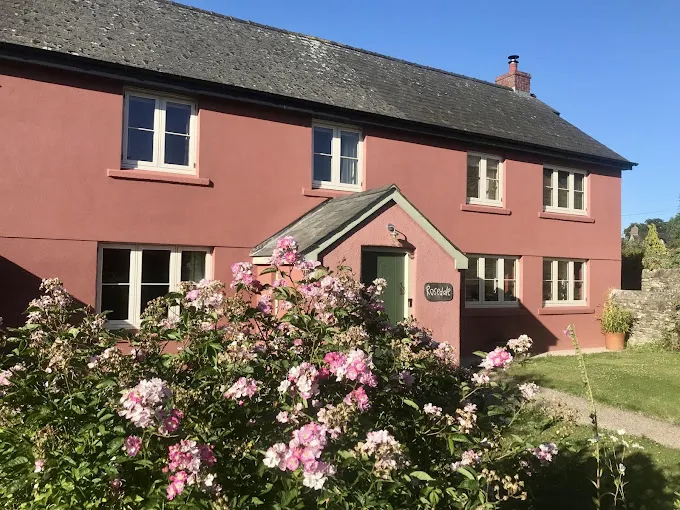
Silicone Render Bridgend: Complete Property Guide
Silicone render Bridgend services protect and transform external walls with a flexible, weather-resistant finish – discover costs, system types, and how to choose the right specialist for your property.
Table of Contents
- What Is Silicone Render and Why Is It Ideal for Bridgend Properties?
- Silicone Render Systems: Types and Application Methods
- Costs, Lifespan, and Return on Investment
- Choosing a Silicone Render Specialist in Bridgend
- Frequently Asked Questions
- Silicone Render vs Other External Wall Finishes
- Coloured Rendering South Wales
- Practical Tips for Property Owners
- The Bottom Line
- Sources & Citations
Article Snapshot
Silicone render Bridgend is a polymer-modified external wall coating that bonds to masonry, resists Welsh rainfall, and stays flexible enough to resist cracking for up to 30 years. It requires no painting, repels water, and is available in a wide range of permanent colours – making it the leading low-maintenance finish for homes and commercial buildings across Bridgend and the surrounding area.
Silicone Render Bridgend in Context
- Average silicone render cost: £50 per m² (MyJobQuote, 2026)[1]
- Total cost for a 200 m² semi-detached house: £9,000–£11,000 (MyJobQuote, 2026)[1]
- Expected lifespan when correctly applied: up to 30 years (MyJobQuote, 2026)[1]
- Average annual fuel bill savings with external insulation and render on a detached gas-heated property: £455 per year (Energy Saving Trust, 2026)[2]
What Is Silicone Render and Why Is It Ideal for Bridgend Properties?
Silicone render Bridgend is a thin-coat external wall finish based on silicone polymer resin that provides a waterproof, breathable, and flexible coating for masonry substrates. Unlike traditional sand-and-cement renders, which rely on a rigid bond that cracks as walls move with temperature changes, silicone render accommodates minor structural movement without opening hairline fractures that allow water ingress. For Bridgend property owners, that flexibility matters enormously. The town sits in the Vale of Glamorgan, exposed to prevailing westerly weather systems that push heavy rainfall and wind-driven moisture across South Wales for much of the year. A wall finish that cracks under those conditions is a wall finish that will fail prematurely. Coloured Rendering South Wales has been applying silicone render systems across the region since 1998 and understands exactly how local weather conditions interact with different render types.
The waterproofing performance of silicone render is not the same as a vapour barrier. The material repels liquid water at the surface while allowing water vapour from inside the wall to escape outward. This breathability is important for older solid-wall properties – common in Bridgend’s Victorian and Edwardian terraces – where trapping moisture behind an impermeable coating would cause damp, spalling, and accelerated decay. A silicone finish lets walls breathe while keeping rain out, addressing the dual challenge that defeats many cheaper alternatives.
Silicone renders also carry integral colour pigments throughout the product, which means the colour cannot be stripped away by rain or UV exposure the way an applied paint coat can. That self-coloured property eliminates the repainting cycle that costs property owners time and money every five to seven years with traditional painted finishes. For landlords managing rental portfolios in Bridgend, or developers building new homes in the borough, the maintenance saving over a decade is substantial. The finish is also self-cleaning to a degree: the hydrophobic surface causes rain to sheet off rather than soak in, washing away surface dirt and keeping the appearance fresher between cleans.
Call Us
Properties in coastal proximity – including areas within Bridgend county borough that border the Bristol Channel coastline near Porthcawl – face the additional challenge of salt-laden air. Salt is corrosive to many building materials and accelerates the degradation of standard renders. Silicone-based systems are formulated to resist salt attack, making them the specification of choice for coastal and near-coastal properties across South Wales seeking durable, long-lasting external wall protection.
Silicone Render Systems: Types and Application Methods
Silicone render systems are available in several distinct configurations, and the right choice depends on the substrate, the property’s age, and whether improved thermal performance is a project objective. Understanding the available systems helps property owners have informed conversations with contractors and ensures the specification matches the building’s requirements rather than defaulting to whatever a particular installer prefers to fit.
Thin Coat Silicone Render
Thin coat silicone render is the most widely used configuration for properties that already have sound external walls. The system consists of a reinforced basecoat applied to the prepared substrate, followed by a silicone topcoat in the chosen colour and texture. The total build-up adds only a few millimetres to wall thickness, which makes it suitable for properties where depth is a constraint – around windows, doors, and at eaves. Baumit StarTop, installed by a certified Baumit Approved EWI Applicator with City & Guilds Assured accreditation, is one premium example of this system, offering manufacturer-backed warranties of up to 25 years. The thin coat approach is appropriate for new builds seeking a modern coloured finish, and for renovation projects where the existing substrate is structurally sound but the render has become tired, discoloured, or superficially cracked.
Silicone Render Over External Wall Insulation
Where thermal performance is the primary driver, silicone render is applied as the finish coat over an External Wall Insulation system. High-density insulation boards are mechanically fixed to the external wall surface, then covered with a reinforcing mesh embedded in an adhesive basecoat, and the silicone topcoat is applied as the final layer. This approach adds meaningful wall thickness – between 60 mm and 100 mm depending on the insulation specification – so it requires careful detailing around openings and at boundaries. The energy savings are significant: a gas-heated detached property with external insulation and render saves an average of £455 per year on fuel bills and reduces carbon dioxide emissions by 1,900 kg per year (Energy Saving Trust, 2026)[2]. For Bridgend’s stock of solid-wall pre-1919 properties, which have no cavity to insulate from within, EWI combined with silicone render is the most practical route to a meaningful improvement in energy performance.
Spray vs Hand Application
“Spray rendering technology represents a blend of traditional craftsmanship with modern innovation, enabling skilled plasterers to achieve consistent finishes in a fraction of the time required for traditional hand application.” (Industry Experts, 2026)[3] Professional spray application ensures uniform thickness across the entire wall surface, eliminating the variation in build-up that hand application produces on larger areas. For property developers completing multiple units on a Bridgend housing scheme, spray-applied silicone render significantly reduces programme time and labour cost. For homeowners, it means less disruption and a faster return to normal use of the property. Hand application remains appropriate for intricate areas, repairs, and small patches where spray equipment would be impractical. A competent rendering contractor uses both methods selectively, matching the tool to the task rather than applying a single technique to every situation.
Costs, Lifespan, and Return on Investment
The cost of silicone render Bridgend installations varies according to wall area, system type, substrate condition, and access requirements. Understanding the cost structure helps property owners budget accurately and evaluate contractor quotations on a like-for-like basis.
At the material level, silicone render basecoat costs approximately £3.50 per m² (MyJobQuote, 2026)[1], with the overall installed cost – including labour, preparation, and the silicone topcoat – averaging £50 per m² (MyJobQuote, 2026)[1]. For a typical semi-detached house with approximately 200 m² of external wall area, the total project cost sits in the range of £9,000 to £11,000, with an average of £10,000 (MyJobQuote, 2026)[1]. Detached properties and those requiring significant remedial preparation before rendering will sit toward the upper end of that range. Properties with straightforward access and sound substrates come in at the lower end.
Those figures need to be viewed against the lifespan of the investment. A silicone render correctly applied lasts up to 30 years (MyJobQuote, 2026)[1]. Compare that to an exterior masonry paint finish that requires reapplication every five to seven years, and the arithmetic favours silicone render significantly over the same period. Factor in scaffolding costs for each repainting cycle and the calculation becomes clearer still. Many specialist applicators also offer guarantee periods of up to 10 years on the rendering work itself (Silicone Rendering Systems, 2026)[4], providing documented protection for the installation.
For Bridgend homeowners combining silicone render with an EWI system, the return on investment includes both the maintenance saving and the fuel bill reduction. Annual heating savings of £455 (Energy Saving Trust, 2026)[2] compound over the system’s lifespan and should be incorporated into any cost-benefit assessment. Properties with improved EPC ratings attract higher sale and rental values, and in some cases are eligible for government grant funding toward the insulation element of the installation. Check eligibility with your contractor and review current UK Building Regulations guidance when planning a combined EWI and render project.
What Affects the Final Price?
Several variables push silicone render costs above or below the average figures. Scaffold hire on a multi-storey property adds to the overall bill and is often quoted separately. Extensive substrate preparation – hacking off failed existing render, treating damp patches, or repairing structural cracks – adds both material and labour cost before a single trowel of new render is applied. Properties with complex geometry, including bay windows, porches, cornices, and chimney stacks, require more detailed work around junctions and returns. Colour choice also affects cost marginally, as some custom pigments carry a small premium over standard stock colours. A detailed survey of the property before pricing is the only reliable way to produce an accurate figure.
Choosing a Silicone Render Specialist in Bridgend
Selecting the right contractor for a silicone render project in Bridgend is as important as selecting the right render system. A poorly applied silicone render – even using a premium product – will underperform, crack at junctions, de-bond from the substrate, or show uneven colour and texture within a few seasons.
Certification matters. For EWI installations and premium silicone systems such as Baumit StarTop, look for contractors holding manufacturer-recognised installer status. A Baumit Approved EWI Applicator with City & Guilds Assured accreditation can offer manufacturer-backed warranties that an uncertified installer cannot provide. Those warranties – covering 10 to 25 years depending on the system – represent documented security for the property owner that informal contractor guarantees do not replicate.
Verifiable track record is the next criterion. Independent review platforms such as Google Business provide evidence of consistent quality that self-reported testimonials on a contractor’s own website cannot. A contractor carrying a 5.0 rating across a significant number of reviews has a demonstrated history of satisfying customers on real projects. Asking for references from completed Bridgend or South Wales projects, and physically viewing finished work where possible, provides further assurance before committing to a contract.
Experience with local conditions is also worth probing during the selection process. A rendering specialist who works regularly across Bridgend, Porthcawl, and the wider South Wales area will specify render systems for the actual weather exposure those walls face – including the wind-driven rain index for the location and the proximity to coastal salt air where relevant. Generic mainland UK specifications underperform in the specific microclimate of a seafront Porthcawl property or an elevated rural site above Maesteg. Ask your contractor what system they are recommending, why, and what the substrate preparation will involve. A confident answer to those questions is a good indicator of genuine expertise. You can also read more about professional rendering repair and assessment services across South Wales to understand what a thorough pre-render survey should include.
Your Most Common Questions
How long does silicone render last on a Bridgend property?
Silicone render applied correctly to a properly prepared substrate lasts up to 30 years (MyJobQuote, 2026)[1]. That lifespan assumes the substrate was sound before application, the render system was specified appropriately for the property’s exposure level, and the application was carried out by a qualified contractor using the correct product ratios and build-up thickness. In practice, many silicone render installations in South Wales exceed 20 years without requiring significant intervention beyond occasional cleaning. The flexibility of the silicone polymer allows the render to accommodate the minor thermal and structural movement that causes rigid cement renders to crack prematurely. Many specialist contractors also offer a 10-year guarantee on the installation itself (Silicone Rendering Systems, 2026)[4], which provides formal protection during the period when any application defects are most likely to manifest. For coastal Bridgend locations such as Porthcawl, choosing a render product specifically formulated for salt-air exposure further extends reliable service life.
Can silicone render be applied over existing render on my house?
This is possible only if the existing render is confirmed to be sound, well bonded, and free from hollow areas, active cracks, and damp contamination. A competent contractor will carry out a tap test across the entire wall surface to identify delaminated sections before specifying an overlay. Where the existing render is hollow, de-bonded, or structurally compromised, it must be removed before the new system is applied. Attempting to render over failed substrate is one of the most common causes of premature render failure and will void manufacturer warranties. For properties in Bridgend with older cement-based or pebbledash finishes, full removal and re-rendering is the correct course of action, particularly where the existing material has absorbed significant moisture over the years. A thorough pre-render survey, including visual inspection and tap testing, will clarify the situation and allow accurate cost planning. Your contractor should discuss substrate condition with you clearly before starting any preparation work.
What colours are available for silicone render in Bridgend?
Silicone render is available in a very wide range of colours, spanning several hundred options across standard manufacturer palettes. Most systems include popular neutrals such as white, cream, grey, and stone, as well as contemporary shades in anthracite, buff, and muted earth tones. Because the colour is integral to the render product rather than applied as a surface paint, it does not fade in the same way that masonry paint does when exposed to UV radiation and rainfall. The colour chosen at installation remains visually consistent for the life of the render. Some manufacturers also offer bespoke colour matching for projects requiring a specific shade to match planning conditions or architectural specifications. One practical consideration for Bridgend properties is planning consent – if your home is listed or located within a conservation area, the colour choice is subject to approval. Checking with Bridgend County Borough Council’s planning department before finalising a colour is advisable on sensitive sites.
Is silicone render suitable for a Victorian terrace in Bridgend?
Silicone render is well suited to Victorian terraced properties, provided the system is specified correctly for solid-wall construction. Victorian terraces have solid masonry walls with no cavity, which means any render applied must be breathable – if moisture from inside the wall cannot escape outward, it will cause damp and spalling behind the render. Silicone render’s vapour-permeable properties make it appropriate for this building type, unlike impermeable coatings that would trap moisture. For Victorian terraces where heating costs are a significant concern, combining silicone render with an EWI system addresses both the weatherproofing and the thermal efficiency challenge in a single installation. The EWI insulation boards improve the thermal envelope of the solid walls, and the silicone render topcoat provides the durable, low-maintenance finish. This combined approach has been applied successfully to Victorian properties throughout South Wales, delivering improved comfort, lower energy bills, and a transformed external appearance. Confirming that the chosen render system is compatible with lime mortar – common in Victorian brickwork – is an important specification detail your contractor should address.
Silicone Render vs Other External Wall Finishes
Choosing the right external wall finish for a Bridgend property means comparing silicone render against the alternatives on the criteria that matter most: durability, maintenance burden, cost over time, and suitability for South Wales weather conditions. The table below summarises the key distinctions across four common approaches.
| Finish Type | Typical Lifespan | Maintenance Required | Weather Resistance | Approx. Installed Cost (per m²) |
|---|---|---|---|---|
| Thin coat silicone render | Up to 30 years (MyJobQuote, 2026)[1] | Low – no repainting required | Excellent – flexible, waterproof, breathable | ~£50 (MyJobQuote, 2026)[1] |
| Monocouche through-colour render | 20–30 years | Low – through-coloured, minimal upkeep | Very good – weather-resistant cement base | £35–£55 |
| One coat cement render (painted) | 10–15 years before repainting | Medium – requires periodic repainting | Good – solid protection when well maintained | £25–£40 |
| Masonry paint only | 5–7 years before recoating | High – frequent repainting needed | Moderate – surface coating only | £10–£20 |
For most Bridgend homeowners weighing long-term value against upfront cost, silicone render delivers the strongest combination of durability and low ongoing maintenance. Masonry paint is the cheapest entry point but the most expensive option over a 30-year horizon once repeated scaffolding and repainting cycles are included. Monocouche render is a strong alternative for properties where a textured, through-coloured finish suits the architectural character. One coat cement render offers flexibility through paintability but reintroduces the maintenance cycle that silicone systems eliminate.
Coloured Rendering South Wales
Coloured Rendering South Wales is a Swansea-based plastering and spray rendering specialist serving Bridgend, Cardiff, Newport, and the wider South Wales region since 1998. With over 25 years of hands-on experience, the company has applied silicone render to hundreds of residential and commercial properties across the region, developing a detailed understanding of how South Wales weather and building stock interact with different render systems.
The company holds Baumit Approved EWI Applicator status with City & Guilds Assured accreditation, enabling installation of Baumit StarTop premium silicone render and full EWI systems with manufacturer-backed warranties of 10 to 25 years. That certification distinguishes certified installations from informal rendering work and provides property owners with documented, manufacturer-supported protection for their investment.
For Bridgend property owners, the company offers the full range of external rendering solutions – from thin coat silicone render on sound existing walls through to complete EWI installations on older solid-wall properties. Internal plastering, rendering repairs, and coloured rendering are also available, making it straightforward to manage all aspects of a property’s wall finishes through a single, accountable contractor.
“With over 15 years in the building trade I have experienced several different plasterers all offering different styles and finishes. Geoff’s thin coat spray finish render would rival the best and I can’t recommend his team enough to someone thinking of using him. His professionalism and work ethic has stood out from many of the others we have worked with.” – Keri Hopkins, Google Review
“We’re 100% happy and wouldn’t hesitate to recommend Jeff. His workmanship is excellent and we’re also very happy with the product he recommended to eradicate the penetrating damp and give our house a great new look and lease of life.” – Alistair Legge, Google Review
To discuss your Bridgend rendering project and receive a free, no-obligation quotation, visit the Coloured Rendering South Wales homepage or use the contact form to get in touch directly. You can also call Geoff on 07815 868070 or email geoff@colouredrenderingsouthwales.com.
Practical Tips for Bridgend Property Owners
Getting the most from a silicone render installation starts well before the contractor arrives on site. The following guidance applies whether you are rendering a new build, renovating an older property, or addressing a failing external wall finish.
Survey the substrate before committing to a system. The condition of your external walls will determine whether you need a simple thin coat application, a full strip-and-re-render, or an EWI system. A contractor who inspects the wall thoroughly and explains their findings before pricing is one who will specify correctly. Be cautious of contractors who quote without a site visit.
Check planning requirements early. Most silicone render installations on standard residential properties do not require planning permission, but properties in conservation areas, listed buildings, and some designated zones are subject to restrictions on colour or material choice. Confirming the position with Bridgend County Borough Council before ordering materials avoids costly changes later.
Time the project for appropriate weather. Silicone render should not be applied in freezing temperatures or during heavy rainfall. In South Wales, late spring through early autumn provides the most reliable window for external rendering. Discuss scheduling with your contractor and build contingency time into the programme for weather delays.
Consider combining render with EWI if energy efficiency matters. If your property has solid walls and high heating bills, the marginal additional cost of adding insulation boards before the silicone render topcoat delivers significantly better long-term value than render alone. The annual fuel savings (Energy Saving Trust, 2026)[2] compound meaningfully over the render’s 30-year lifespan. Ask your contractor to quote both options so you can compare.
Maintain the render sensibly. Silicone render is low maintenance, not zero maintenance. An occasional gentle clean with a low-pressure hose or soft brush removes surface algae and dirt and keeps the finish looking its best. Avoid high-pressure washing, which damages the surface texture and introduces water behind any junctions that have not been perfectly sealed. Inspect junctions at windows and doors annually and address any small gaps with a compatible flexible sealant before they allow water ingress.
The Bottom Line
Silicone render Bridgend installations offer one of the most durable, low-maintenance, and weather-resistant external wall finishes available for South Wales properties. With a correctly applied system lasting up to 30 years, no repainting requirement, and the potential to combine with EWI for meaningful energy savings, the long-term case for silicone render is strong for homeowners, landlords, and developers alike.
The quality of the installation determines whether you realise those benefits or spend money addressing premature failures. Choosing a contractor with verified local experience, manufacturer certification, and a documented track record of satisfied customers in South Wales is the single most important decision in the process.
Coloured Rendering South Wales has been delivering professional silicone render and external wall insulation services across Bridgend and South Wales since 1998. Call Geoff today on 07815 868070, email geoff@colouredrenderingsouthwales.com, or use the online contact form to arrange a free property assessment and quotation.
Sources & Citations
- Silicone Render Costs. MyJobQuote.
https://www.myjobquote.co.uk/costs/silicone-render - Rendering in Bridgend. South Wales Rendering Network.
https://www.southwales-rendering.co.uk/rendering-in-bridgend/ - Rendering Repairs Bridgend: Professional Solutions Guide. Coloured Rendering South Wales.
https://colouredrenderingsouthwales.com/rendering-repairs-bridgend/ - Silicone Rendering Systems.
https://siliconerenderingsystems.co.uk