
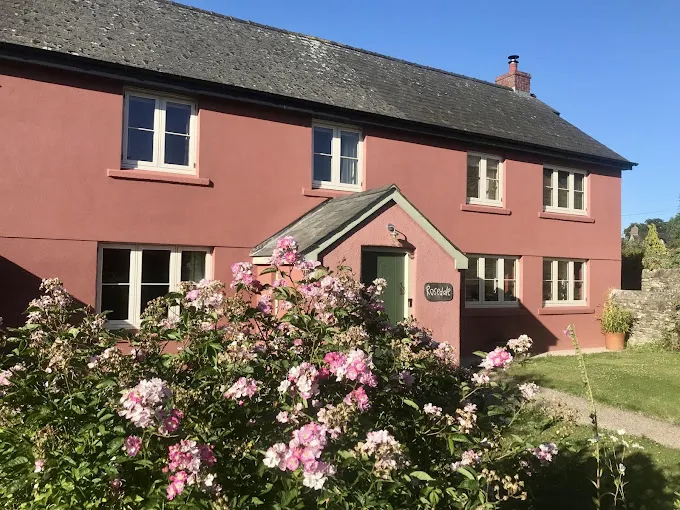
Expert Rendering Repairs Neath: What You Need to Know
Rendering repairs Neath homeowners and property managers need are explored here – covering common causes of damage, repair methods, costs, and how to choose the right specialist for lasting results.
Table of Contents
- What Are Rendering Repairs and Why Do They Matter?
- Common Causes of Render Failure in Neath Properties
- Rendering Repair Methods and Materials Explained
- Choosing the Right Rendering Repairs Specialist in Neath
- Frequently Asked Questions
- Repair Options Compared
- Coloured Rendering South Wales: Local Rendering Repair Experts
- Practical Tips for Maintaining Your Render
- The Bottom Line
- Sources & Citations
Article Snapshot
Rendering repairs Neath is the process of diagnosing and restoring damaged external wall render to prevent water ingress, structural deterioration, and loss of thermal performance. Professional repairs using compatible materials extend render life by 15 to 25 years, making timely intervention the most cost-effective approach for South Wales property owners.
By the Numbers
- 15 years minimum – typical lifespan of professional rendering repairs in Neath using appropriate materials and techniques (Coloured Rendering South Wales, 2026)[1]
- 25 years – maximum typical lifespan of professional rendering repairs depending on render type and exposure (Coloured Rendering South Wales, 2026)[1]
- 2 days minimum – duration for a hollow patch repair on a Neath property (Coloured Rendering South Wales, 2026)[1]
- 3 days minimum – duration for large area restoration using spray application (Coloured Rendering South Wales, 2026)[1]
What Are Rendering Repairs and Why Do They Matter?
Rendering repairs Neath properties require involve the targeted restoration of damaged, cracked, or detached external render to protect the underlying wall structure from water ingress and further deterioration. Far from being a cosmetic concern alone, damaged render exposes masonry to the persistent rainfall and wind-driven moisture that characterise the South Wales climate – conditions that cause progressive structural damage if left unaddressed. Coloured Rendering South Wales, based in Swansea and serving Neath and the wider region since 1998, routinely handles everything from hairline crack filling to full-section replacement on properties across the area.
External render serves as the first line of defence for a building’s walls. When that protective layer fails – whether through age, movement, moisture entrapment, or incompatible materials – the consequences extend well beyond surface appearance. Water that penetrates through cracked or hollow render saturates wall cavities, causes internal dampness, degrades insulation performance, and in severe cases undermines the structural integrity of the masonry behind. In coastal and valley locations like Neath, where rainfall is above the UK average and temperature fluctuations are frequent, the degradation cycle accelerates considerably compared to drier inland regions.
Prompt professional repair is consistently more cost-effective than deferring action until wholesale re-rendering becomes necessary. A well-executed patch or section repair using materials compatible with the existing substrate restores full weatherproofing and extends the useful life of the original render system by many years. Understanding what constitutes a repairable defect – and what signals the need for complete replacement – is the starting point for any informed property decision in Neath.
Call Us
How Long Should Render Last?
A professionally applied render system, properly maintained, provides long-term protection without frequent intervention. When repairs are needed and carried out correctly, they last 15 to 25 years depending on the render type and the degree of exposure the property faces (Coloured Rendering South Wales, 2026)[1]. Properties in exposed positions – elevated hillsides, coastal-facing elevations, or those directly adjacent to the River Neath estuary – will sit at the lower end of that range, while sheltered urban terraces exceed it. The key variable is always the quality of the initial assessment and the suitability of the repair materials selected.
Common Causes of Render Failure in Neath Properties
Render failure in Neath has several well-documented causes, and identifying the correct one before beginning repairs is important to preventing the same problem from recurring within a short time. Applying fresh material over an unresolved underlying problem is among the most common – and costly – errors in external wall maintenance. “Rendering companies can take on a range of jobs, whether you’re fixing worn patches or giving your whole home a fresh new look, including small repairs to existing render such as patching cracks and fixing blown areas,” note the MyJobQuote Rendering Guide Authors (MyJobQuote, 2026)[2]. That diagnostic step – distinguishing a surface defect from a symptom of something deeper – is what separates durable repairs from temporary fixes.
Thermal movement is one of the most frequent causes. External walls expand and contract with temperature changes throughout the year, and render that lacks sufficient flexibility – particularly older cement-rich mixes – will eventually crack along weak points such as window reveals, corners, and movement joints. Neath’s valley climate, with sharp temperature contrasts between summer and winter, makes this a particularly common failure mode on properties built before modern polymer-modified renders became standard.
Moisture entrapment is another leading cause of render deterioration. When water penetrates through small cracks or at junctions with windows and doors, it becomes trapped between the render and the substrate. In cold weather, the freeze-thaw cycle forces this water to expand, breaking the render’s bond with the wall behind and creating the hollow, drum-sounding patches that indicate delamination. Hollow render provides no structural benefit and must be cut out and replaced rather than simply patched at the surface.
Substrate Incompatibility and Incorrect Specification
Many render failures on older Neath properties trace back to incompatible materials rather than environmental factors. Applying a hard, inflexible cement render over a softer traditional lime substrate – or over lightweight blockwork – creates a mismatch in movement characteristics that leads to cracking and debonding over time. Similarly, applying modern silicone or acrylic finishes over a poorly prepared or contaminated base coat results in adhesion failure within a short period. Correct specification, matched to both the substrate type and the local exposure category, is as important as the quality of the application itself. This is where local expertise and experience with South Wales building stock makes a tangible difference to repair outcomes.
Rendering Repair Methods and Materials Explained
Professional rendering repairs in Neath draw on a range of techniques and materials, selected according to the extent and type of damage, the original render system, and the long-term performance required. “Modern rendering repairs Neath properties benefit from utilise advanced materials and techniques that weren’t available when many buildings were originally constructed,” according to the Coloured Rendering South Wales Experts (Coloured Rendering South Wales, 2026)[1]. This means that even properties with historic or unusual render systems are now repaired using compatible modern products that meet current British Standards for external rendering.
Hairline crack injection and surface sealing addresses fine cracks that have not yet resulted in debonding. A flexible, waterproof filler or surface treatment is worked into the crack, restoring the weatherproof barrier without requiring removal of sound surrounding render. This is the fastest and most economical intervention, suitable for cracks caused by minor thermal movement where the underlying bond remains intact.
Hollow patch removal and replacement is required wherever render has lost adhesion to the substrate. The affected area is carefully cut back to a sound edge, the substrate is prepared and primed, and a compatible repair mix is applied in layers to restore both thickness and surface finish. Colour matching is carried out to blend the repair as closely as possible with the surrounding render. This process takes a minimum of 2 days to allow each layer adequate curing time before the next is applied (Coloured Rendering South Wales, 2026)[1].
Large Area Restoration Using Spray Application
Where damage extends across a significant portion of an elevation – common on older Neath properties with widespread delamination or weathered sand-cement renders – large area restoration using spray application is the most efficient approach. Professional spray equipment ensures consistent material thickness and texture across the repaired area, producing a finish that integrates far more successfully with undamaged sections than hand-applied patch repairs on large surfaces. Spray restoration of a major area requires a minimum of 3 days on-site (Coloured Rendering South Wales, 2026)[1], reflecting the curing time required between coats rather than the application time alone. Rendering Repairs South Wales – professional repairs and maintenance for external wall renders covers the full range of repair services available across the region.
For properties where the existing render has reached the end of its useful life across multiple elevations, full re-rendering using a modern thin coat silicone or monocouche system proves more economical than repeated patch repairs. Silicone render systems offer enhanced flexibility, self-cleaning properties, and breathability – allowing moisture trapped within the wall to escape without compromising the weatherproof outer layer. This is particularly beneficial for solid-wall properties common throughout Neath’s housing stock.
Choosing the Right Rendering Repairs Specialist in Neath
Selecting a qualified rendering repairs specialist in Neath determines both the quality and longevity of the work carried out on your property. The rendering sector includes a wide range of operators, from general builders who undertake occasional rendering work to dedicated specialists with in-depth knowledge of render systems and their correct specification. For external wall repairs – where incorrect material selection or inadequate preparation leads to premature failure – specialist knowledge is not optional.
“Effective rendering repairs Neath properties require begin with thorough assessment and diagnosis. Our experienced team evaluates not just the visible damage but also investigates the underlying causes to prevent recurrence,” explains the Coloured Rendering South Wales Team (Coloured Rendering South Wales, 2026)[1]. This diagnostic approach is the hallmark of a competent specialist: a contractor who begins work without a clear understanding of why the render failed in the first place is unlikely to deliver a lasting result.
When evaluating rendering contractors in Neath, verified customer reviews provide the most reliable evidence of consistent quality. An independently verified rating across a substantial number of reviews carries considerably more weight than marketing claims. Certification from system manufacturers – such as Baumit Approved EWI Applicator status – confirms that the contractor has received specialist training in the relevant product systems and is authorised to install them with manufacturer-backed warranties. This certification matters particularly for EWI-integrated render systems, where the performance of the complete system depends on correct installation by a trained operative.
Key Questions to Ask Before Committing
Before engaging any contractor for rendering repairs in Neath, establish several points: whether they carry full public liability and employers’ liability insurance; whether they will provide a written specification of the materials to be used; and whether they offer a written guarantee on the completed work. A reputable specialist will answer all three affirmatively without hesitation. You should also ask whether the proposed repair material is compatible with your existing render system – a question that any experienced contractor should be able to answer with confidence after inspecting the property. “Regular maintenance inspection identifies minor issues before they become major problems. Prompt attention to any cracks or surface defects prevents moisture ingress and subsequent damage,” note Professional Plasterers Neath (Coloured Rendering South Wales, 2026)[3]. This principle applies equally when selecting a contractor: due diligence before committing protects against poor-quality work that requires costly remediation later.
Your Most Common Questions
How do I know whether my render needs patching or complete replacement?
The key indicator is the extent and depth of the damage rather than its surface appearance alone. Small, isolated hairline cracks on an otherwise sound surface are repairable by crack injection or surface treatment. Hollow patches – identified by tapping the render and listening for a drum-like sound – indicate that the render has debonded from the substrate and must be cut out and replaced. If hollow patches or cracking affect more than roughly 30 to 40 per cent of an elevation, the economics favour complete re-rendering over repeated patching, as the cost of multiple patch repairs over time will exceed the cost of a full new system. A professional inspection determines the percentage of failed render and advises accordingly. In Neath, where damp penetration and freeze-thaw cycles are common, deferred action on hollow render expands the affected area quickly, so early professional assessment is advisable rather than a watch-and-wait approach.
What render materials are best suited to properties in Neath?
Neath’s climate – characterised by above-average rainfall, frequent temperature fluctuations, and proximity to both the coast and the valleys – demands render materials with good flexibility, water resistance, and breathability. Modern thin coat silicone render systems are well suited to these conditions: the silicone polymer provides inherent flexibility that resists cracking under thermal movement, the waterproof formulation sheds rainwater efficiently, and the breathable structure allows moisture within the substrate to escape rather than becoming trapped and causing further damage. Monocouche through-colour render is another strong option for Neath properties, combining cement durability with factory-added water-repelling additives and a pre-coloured finish that eliminates the need for painting. For older properties with softer or irregular substrates, a lime-modified repair mortar is more appropriate than a pure cement mix, as it offers greater compatibility with traditional masonry. The correct specification depends on the substrate type, wall construction, and exposure rating of the specific property – which is why a site inspection by a local specialist familiar with South Wales building stock is the best starting point.
How long do rendering repairs in Neath take to complete?
The duration depends on the extent of the damage and the repair method required. A straightforward hollow patch repair – cutting out the failed section, preparing the substrate, and applying a compatible repair mix – requires a minimum of 2 days to allow proper layer curing (Coloured Rendering South Wales, 2026)[1]. Rushing this process by applying subsequent coats before adequate curing compromises adhesion and results in premature re-failure. Large area restoration using spray application requires a minimum of 3 days on-site (Coloured Rendering South Wales, 2026)[1]. Full re-rendering of an entire property takes longer still, with duration influenced by the number of elevations, access requirements, and weather conditions during the curing period. Most professional contractors factor in appropriate drying time between coats rather than working to an artificially compressed schedule. In practice, scheduling rendering repairs in Neath to avoid prolonged wet or cold spells – which impair curing – is something a knowledgeable local contractor manages as part of project planning.
Can rendering repairs improve my property’s energy efficiency?
Render repairs alone will not materially improve thermal performance, but they are an important first step if you are considering an External Wall Insulation system. EWI combines high-performance insulation boards fixed directly to the external wall with a reinforced render finish applied over the top – significantly reducing heat loss through solid walls while simultaneously renewing the external appearance. For older Neath properties with solid walls, EWI makes a substantial difference to heating costs and internal comfort levels. Where existing render has failed, repairing or removing it before EWI installation ensures a sound substrate for the insulation boards to bond to. For properties not suitable for EWI, ensuring the render is watertight and intact prevents moisture from degrading any cavity or internal insulation already present. A professional survey assesses whether your property is a candidate for EWI and recommends the most effective sequence of work – which may begin with targeted render repairs as a precursor to a full insulation programme. Our EWI Specialists South Wales – expert external wall insulation installations for energy efficiency page explains the full process in detail.
Repair Options Compared
Different types of render damage require different repair strategies, and choosing the wrong approach wastes both time and money. The table below compares four common rendering repair scenarios found on Neath properties, covering method, materials, typical duration, and the conditions under which each approach is appropriate.
| Repair Type | Typical Method | Materials Used | Typical Duration | Best For |
|---|---|---|---|---|
| Hairline crack sealing | Crack injection or surface treatment | Flexible waterproof filler or silicone sealant | Half to 1 day | Fine surface cracks with intact bond, no hollow areas |
| Hollow patch repair | Cut out, prepare, re-render in layers | Compatible repair mortar, primer | 2 days minimum[1] | Isolated debonded sections up to approx. 2m² |
| Large area spray restoration | Spray application of new render coat | Thin coat silicone or monocouche render | 3 days minimum[1] | Widespread surface degradation across one elevation |
| Full re-rendering | Strip back, prepare, apply new system | EWI system, silicone or monocouche render | 5+ days depending on size | Multiple failed elevations or render beyond economic repair |
Coloured Rendering South Wales: Local Rendering Repair Experts
Coloured Rendering South Wales has delivered professional rendering repairs and full render systems across Neath and the wider South Wales area since 1998. With over 25 years of hands-on experience, we bring specialist knowledge of South Wales building stock, local weather exposure, and the render systems best suited to properties throughout the region – from Victorian terraces in Neath town centre to exposed semi-detached homes in the surrounding valleys.
Our repair services cover the full spectrum of render defects: hairline crack treatment, hollow patch removal and replacement, large area spray restoration, and complete re-rendering where repairs are no longer economically viable. As a certified Baumit Approved EWI Applicator with City and Guilds Assured accreditation, we are qualified to install Baumit StarTop premium silicone render and complete EWI systems with manufacturer-backed warranties of up to 25 years – providing documented long-term protection that informal repair work cannot match.
“We’re 100% happy and wouldn’t hesitate to recommend Jeff. His workmanship is excellent and we’re also very happy with the product he recommended to eradicate the penetrating damp and give our house a great new look and lease of life.” – Alistair Legge, Google Review
“With over 15 years in the building trade I have experienced several different plasterers all offering different styles and finishes. Geoff’s thin coat spray finish render would rival the best and I can’t recommend his team enough to someone thinking of using him. His professionalism and work ethic has stood out from many of the others we have worked with.” – Keri Hopkins, Google Review
Our Home page of Coloured Rendering South Wales – expert spray rendering and external wall insulation services across South Wales provides a full overview of our services and completed projects. For rendering repairs specific to the Neath area, call us on 07815 868070 or email geoff@colouredrenderingsouthwales.com to arrange a free property assessment. You can also Contact Coloured Rendering South Wales for a free quote or consultation on your rendering project directly through our contact form.
Practical Tips for Maintaining Your Render
Proactive maintenance is the most reliable way to extend the life of your render and avoid the cost of major repairs. The following guidance applies to rendered properties throughout Neath and the wider South Wales area.
Inspect annually, not reactively. Walk around your property each year and look for new hairline cracks, areas where the render sounds hollow when tapped, staining that indicates water tracking, and any gaps at window or door reveals. Catching defects early – before water penetration begins – keeps repair costs proportionate. A professional inspection every three to five years provides a more thorough assessment than a visual check alone.
Keep junctions sealed. The interface between render and timber or PVC window frames is a common entry point for water. Check that sealant at these junctions remains intact and flexible; dried or cracked sealant should be raked out and replaced with a fresh bead of compatible exterior-grade sealant. This is a low-cost task that prevents a disproportionate amount of moisture-related render damage.
Address vegetation promptly. Moss, lichen, and ivy all cause render damage if left unchecked. Moss and lichen retain moisture against the render surface and work into hairline cracks, accelerating deterioration. Ivy and climbing plants physically pull render away from the substrate as roots develop. Remove growth carefully and treat with an appropriate biocide before carrying out any surface repairs.
Choose compatible materials for DIY repairs. If you address minor hairline cracks yourself, use a flexible exterior filler or sealant rather than a rigid cement-based product. Rigid repairs in a flexible render will re-crack quickly. For anything beyond surface crack filling – particularly hollow patches or moisture-related damage – professional assessment is advisable before any material is applied. Using incompatible repair products makes subsequent professional repair more difficult and more expensive. The Coloured Rendering Swansea – durable and attractive rendering solutions for residential and commercial properties page offers further guidance on modern render systems and their maintenance requirements.
For properties on an exposed elevation or near the coast, consult the UK Building Regulations – Approved Documents guidance on external wall performance, which sets out standards for weathertightness that inform the specification of appropriate render systems in high-exposure locations.
The Bottom Line
Rendering repairs Neath property owners need are rarely straightforward – the right outcome depends on accurate diagnosis, compatible materials, and application by a specialist familiar with South Wales building conditions. Deferred action on cracked or hollow render consistently results in more extensive and costly damage, while correctly specified and professionally applied repairs deliver 15 to 25 years of service life (Coloured Rendering South Wales, 2026)[1].
Whether your property requires a targeted patch repair, spray restoration of a larger area, or a full re-rendering programme, taking the first step towards a professional assessment is the most important action you can take. Coloured Rendering South Wales offers free consultations for properties in Neath and throughout the region. Call 07815 868070, email geoff@colouredrenderingsouthwales.com, or use the contact form at colouredrenderingsouthwales.com/contact/ to arrange your assessment today.
Sources & Citations
- Rendering Repairs Neath: Professional Solutions for Property. Coloured Rendering South Wales.
https://www.colouredrenderingsouthwales.com/rendering-repairs-neath/ - Rendering Near Me | Find Local Rendering Companies. MyJobQuote.
https://www.myjobquote.co.uk/nearme/renderers - Professional Internal Plastering Neath Services. Coloured Rendering South Wales.
https://colouredrenderingsouthwales.com/internal-plastering-neath/