
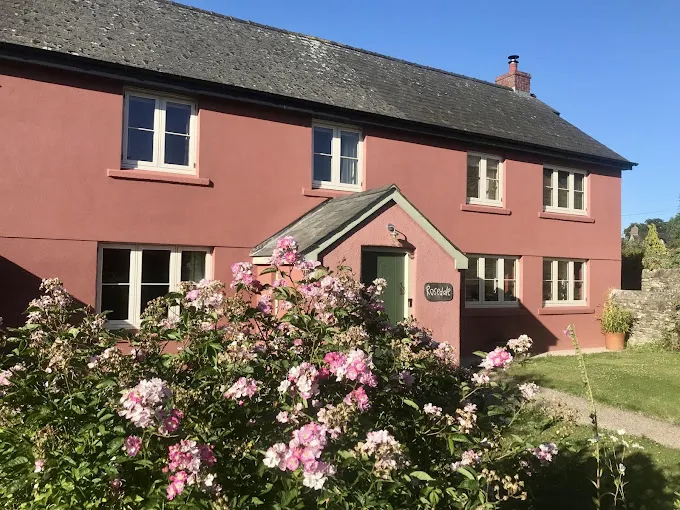
Expert Rendering Repairs Mumbles Homeowners Trust
Rendering repairs Mumbles specialists address the unique challenges of coastal wall deterioration, helping property owners protect and restore their homes against salt air, driving rain, and freeze-thaw damage.
Table of Contents
- What Are Rendering Repairs and Why Mumbles Properties Need Them
- Common Causes of Render Failure in Coastal Mumbles
- Choosing the Right Repair System for Your Property
- The Rendering Repair Process: What to Expect
- Frequently Asked Questions
- Repair vs Full Re-Render: A Comparison
- How Coloured Rendering South Wales Can Help
- Practical Tips for Maintaining Your Render
- The Bottom Line
- Sources & Citations
Key Takeaway
Rendering repairs Mumbles is the process of diagnosing and restoring damaged external render on coastal properties affected by salt air, moisture ingress, and weathering. Timely, correctly specified repairs prevent further structural deterioration, preserve property value, and eliminate costly full re-rendering when caught early.
What Are Rendering Repairs and Why Mumbles Properties Need Them
Rendering repairs Mumbles refers to the targeted restoration of damaged, cracked, or delaminating external render on properties in this exposed coastal village on the Gower Peninsula. Mumbles sits directly on Swansea Bay, meaning every rendered wall faces persistent salt-laden air, wind-driven rain, and the thermal cycling that comes with proximity to the sea. These conditions accelerate render degradation far more rapidly than is seen on inland properties, making competent, locally informed repair work a practical necessity rather than an optional upgrade.
Coloured Rendering South Wales has provided specialist rendering repairs across the Mumbles and Swansea Bay area since 1998, and the coastal environment here demands both the right material specification and experienced diagnosis of what is actually failing and why.
External render serves a dual purpose: it protects the underlying masonry from moisture penetration and provides the finished aesthetic of a property’s exterior. When render begins to fail, both functions are compromised. Water entering through cracks or hollow sections drives into the substrate, weakening the bond between render layers, promoting organic growth, and in severe cases causing structural damage to the masonry itself. In Mumbles, where rainfall is high and sea spray is constant, even minor render defects escalate quickly if left unaddressed.
Call Us
The most common signs of render requiring attention include surface cracking, hollow or drum-like sections when tapped, areas of discolouration or staining, visible damp patches on internal walls, and render that has physically separated from the wall. Identifying these signs early is the single most effective way to keep repair costs manageable and avoid a full strip-and-replace programme.
For properties on the seafront, cliff-top terraces in the village, or the older Victorian and Edwardian stock on Newton Road, the risk profile is particularly high. Salt crystallisation behind render layers is a well-documented cause of spalling and delamination in coastal zones, and it requires specific remediation rather than a straightforward patch and paint approach.
Common Causes of Render Failure in Coastal Mumbles
Render failure on Mumbles properties is driven by a combination of environmental exposure, material age, and, in many cases, the original specification not accounting adequately for the coastal setting. Understanding the root cause of any repair is important: applying new render over an unresolved underlying problem simply delays the next failure and adds unnecessary cost.
Salt air and chloride ingress represent the primary environmental challenge in Mumbles. Salt particles carried on onshore winds penetrate porous render surfaces and crystallise within the render matrix as moisture evaporates. This crystallisation exerts pressure from within, eventually fracturing the render layer and causing the characteristic spalling and powdering seen on many older seafront properties. Renders that were adequate for urban or rural conditions do not provide sufficient resistance in this environment without additional water-repellent treatment or a material upgrade to a silicone-based system.
Carbonation and cement render shrinkage account for a significant proportion of the cracking seen on properties built or rendered during the post-war period through to the 1990s. Older sand-and-cement renders were applied in rich mixes that shrink as they cure, creating a network of fine hairline cracks that, in a dry inland environment, remain stable for decades. On a Mumbles property, those same cracks become entry points for moisture and salt, initiating a cycle of freeze-thaw action in winter that progressively widens them.
Substrate movement is another frequent contributor. Many of the terraced and semi-detached homes in Mumbles were built on older foundations that have undergone some degree of settlement, and this movement transfers stress into render coatings that were not designed to accommodate it. Rigid cement renders are particularly vulnerable here: they have limited flexibility and will crack rather than accommodate movement. Modern polymer-modified and silicone-based renders are significantly more tolerant of minor substrate movement, which is one reason rendering repairs South Wales specialists now favour them for repair work on older properties.
Poor original application is the fourth common cause. Render applied without adequate key preparation, with incorrect mix ratios, over a substrate that was not properly primed, or in inappropriate weather conditions will have a compromised bond from the outset. In coastal conditions, this compromised bond fails sooner and more extensively than it would elsewhere. When undertaking repair assessments, a full inspection of surrounding areas beyond the visibly affected zones is important, as adjacent sections with the same original application defect are at risk of similar failure within a short period.
Thermal movement, driven by the temperature fluctuations common in the Gower’s maritime climate, also stresses render junctions around windows, doors, and movement joints. These junctions are disproportionately represented in repair callouts, and correct detailing at these points is critical to repair longevity.
Choosing the Right Repair System for Your Property
Selecting the correct repair material and method for rendering repairs Mumbles is determined by the existing render type, the extent of failure, the substrate condition, and the property’s exposure rating – and getting this specification wrong is the most common reason repairs fail prematurely.
For properties with existing sand-and-cement renders in sound condition that have developed isolated cracking or small hollow sections, a compatible cement-based repair mortar is appropriate. Compatibility with the existing render is critical: applying a harder, richer mix over a softer substrate or older render creates a differential stiffness that generates new cracking at the repair margins. The repair material must be at least as flexible as, and ideally slightly softer than, the render it bonds to.
Where the existing render is lime-based – common on Victorian and Edwardian properties throughout Mumbles village – lime-compatible repair mortars are the correct choice. Applying cement-rich mixes to lime render is a well-documented cause of accelerated failure, as the differential movement and breathability characteristics are incompatible. If you are uncertain whether your property has lime render, a specialist survey will identify it before work begins.
Thin coat silicone render systems are the preferred choice for patch repairs and surface coats on coastal properties. Silicone render offers superior flexibility, allowing it to bridge minor hairline cracks and accommodate substrate movement without fracturing. Its hydrophobic properties shed water from the surface rather than absorbing it, which dramatically reduces salt ingress and freeze-thaw cycling damage. The material is also breathable, allowing residual moisture in the wall to escape, which is particularly important for solid-wall properties common in older Mumbles housing stock. You can learn more about the options available on the Coloured Rendering Swansea page, which covers the range of systems suitable for this coastal environment.
For properties where the render failure is extensive but the substrate is structurally sound, a full overcoat with a monocouche through-colour render or a silicone finish coat over a polymer-modified basecoat is more cost-effective than multiple rounds of patch repair. This approach provides a consistent appearance and a new weather-resistant layer across the entire elevation, eliminating the patchwork look that results from repeated localised repairs.
Preparation is non-negotiable regardless of the system chosen. All loose, hollow, and contaminated render must be removed before new material is applied. Salt deposits must be neutralised or the substrate treated with an appropriate primer. In cases of significant damp ingress, the underlying moisture issue must be resolved before rendering, or the new repair will fail as quickly as the original. UK Building Regulations – Approved Documents set out requirements for weatherproofing and moisture management in external wall systems, and any repair work should be consistent with these standards.
The Rendering Repair Process: What to Expect
A professional rendering repair on a Mumbles property follows a structured process that begins with diagnosis and ends with a finished, weather-resistant surface – and understanding each stage helps property owners make informed decisions and set realistic expectations.
The initial assessment is the most important step. A competent rendering specialist will inspect the full elevation, not just the visibly damaged areas, tapping sections to identify hollow patches and assessing the condition of the substrate behind the render. This survey informs both the extent of work required and the correct material specification. For properties with complex render histories – original lime, subsequent cement overcoats, and possibly acrylic finishes on top – understanding the layer structure prevents the mismatched repairs that shorten repair lifespans.
Once the scope is agreed, preparation work begins. Loose and hollow render is cut back to sound, well-bonded material. The edges of the cut-back area are undercut slightly to provide a mechanical key for the new render. The exposed substrate is cleaned, any salt or algae contamination is treated, and an appropriate primer or bonding agent is applied where needed. For larger areas or where the substrate is particularly smooth, mechanical keying using a SBR or specialist primer ensures the new render achieves a durable bond.
Repair mortar or render is then applied in the correct number of coats for the system being used. Thicker one-coat cement repairs are applied with screeding to achieve the correct depth and surface profile. Thin coat silicone repairs are applied over a prepared base, often with a fibreglass reinforcing mesh embedded at the surface to bridge any residual movement. Each coat is allowed to reach the correct stage of cure before the next is applied – rushing this process is a common cause of repair failure.
Finishing and colour matching are the final technical challenge. For localised repairs on existing coloured render, matching the texture and colour of the surrounding material requires experience and, ideally, knowledge of the original product. Silicone renders weather in place, meaning a new repair patch will initially appear slightly different from weathered surrounding render. A skilled renderer can blend repair boundaries and, where colour matching is critical, a full wash coat of silicone finish over the repaired elevation can achieve a consistent result.
Clean-up and aftercare guidance complete the process. Property owners should receive clear advice on curing times, when the surface can be painted if required, and what maintenance activities will extend the repair’s lifespan. Well-executed rendering repairs Mumbles specialists provide should deliver a minimum of ten to fifteen years of service life when correctly specified and applied.
Your Most Common Questions
How do I know if my Mumbles property needs rendering repairs or a full re-render?
The decision between targeted rendering repairs Mumbles and a complete re-render depends on the proportion of render that is failing and the condition of what remains. As a guide, if less than thirty percent of the rendered surface is affected by cracking, hollowness, or delamination, targeted repairs are the more cost-effective approach. If the failures are widespread, if the existing render has been overcoated multiple times, or if there is evidence of systematic bond failure across most elevations, a full strip and re-render is likely to provide better long-term value. An on-site assessment by an experienced rendering specialist is the most reliable way to make this determination, as visual inspection alone does not reveal hollow sections. A professional will tap test the full surface, assess the substrate condition, and give you an honest evaluation of whether repairs will hold or whether the render’s remaining lifespan makes full replacement the better investment.
What is the best type of render for repairs on a coastal property in Mumbles?
For coastal properties in Mumbles, thin coat silicone render is the best performing repair material. Its hydrophobic surface repels water rather than absorbing it, which limits the salt ingress and freeze-thaw cycling that cause most coastal render failures. Silicone render is also more flexible than traditional cement-based products, making it more tolerant of minor substrate movement – a common feature of older Mumbles properties. Silicone systems are breathable, allowing moisture already in the wall to escape, which prevents the trapped moisture problems that occur behind less permeable repair materials. Where the existing render is lime-based, a lime-compatible repair mortar or a flexible lime-silicone hybrid product is more appropriate than a standard silicone system, as material compatibility is important for repair longevity in any render system. A qualified rendering specialist with experience of Mumbles and Gower coastal conditions will advise on the correct specification for your specific property and substrate.
How long do professional rendering repairs last on a seaside property?
Professionally executed rendering repairs on a coastal property like those in Mumbles last between ten and twenty-five years, depending on the repair system used, the quality of preparation and application, and the severity of the exposure. Silicone render systems, when applied over a correctly prepared substrate with appropriate primer and mesh reinforcement, are rated for long service lives even in high-exposure coastal locations. Monocouche through-colour renders are also rated for decades of performance when correctly specified. The longevity of any repair is most strongly influenced by the quality of substrate preparation: repairs applied over contaminated, damp, or inadequately keyed surfaces will fail prematurely regardless of the material quality. Regular maintenance, including clearing vegetation from render surfaces, keeping drainage clear to prevent water sheeting down walls, and addressing any new cracks promptly before water ingress occurs, is the most effective way to maximise the lifespan of any repair work and avoid the need for early repeat intervention.
Can rendering repairs be colour-matched to my existing walls in Mumbles?
Yes, colour matching is possible in most cases, though the degree of accuracy depends on the type of existing render, how much it has weathered, and whether the original product and colour reference are known. Modern silicone and acrylic render systems are available in a very wide range of colours, and experienced rendering specialists achieve close matches by reference to the existing colour. Newly applied render will appear slightly different from weathered surrounding material initially, as the existing render will have faded and accumulated atmospheric deposits over time. In many cases, the most effective approach for achieving a consistent appearance is to apply a finishing wash coat of silicone render or a compatible masonry paint over the full elevation following the repair, which unifies the colour across both new and existing sections. Where the original render product and batch colour reference are known – for example, on recently completed new build or renovation work – accurate colour matching is straightforward. Your rendering specialist can advise on the best approach for your specific property and finish.
Repair vs Full Re-Render: A Comparison
Choosing between targeted rendering repairs and a complete re-render is one of the most consequential decisions for any Mumbles property owner facing render deterioration. The right choice depends on the extent of failure, the age of the existing render, and the property’s exposure level – the comparison below outlines how the two approaches differ across the key decision factors.
| Factor | Targeted Rendering Repairs | Full Re-Render |
|---|---|---|
| Cost | Lower upfront cost; suitable when failures are localised | Higher upfront cost; more economical when failures exceed 30% of surface |
| Disruption | Minimal; completed in one to two days | Greater; full scaffold required; takes several days to a week |
| Longevity | 10-15 years when correctly specified and applied | 15-25+ years with modern silicone or monocouche systems |
| Appearance | Patching visible; full wash coat improves uniformity | Consistent, uniform finish across entire elevation |
| Best for | Isolated cracks, hollow sections, minor delamination on otherwise sound render | Widespread failure, outdated render systems, or whole-elevation refresh |
| Coastal suitability | High, when silicone repair materials are specified for Mumbles exposure | Highest, allowing full upgrade to coastal-grade render system |
How Coloured Rendering South Wales Can Help
Coloured Rendering South Wales has been delivering expert rendering repairs and full render systems across South Wales since 1998. With over 25 years of hands-on experience working on properties from the Gower Peninsula to Cardiff and Newport, the team understands the specific demands that the Welsh coastal climate places on external render – and how to specify and apply repairs that hold.
For Mumbles property owners, we offer free on-site assessments to diagnose the true extent and cause of render failure, not just the visible symptoms. We specify repair materials matched to your existing render type and substrate condition, using silicone-based systems for maximum weather resistance on exposed coastal elevations. As a certified Baumit Approved EWI Applicator with City & Guilds Assured accreditation, we install Baumit StarTop premium silicone render and full external wall insulation systems with manufacturer-backed warranties of up to 25 years – giving you documented long-term protection for your property.
Our spray rendering technology means repairs and full re-renders are completed significantly faster than traditional hand application, reducing disruption and allowing you to get on with your life. We handle everything from isolated crack repairs and hollow section replacement through to full re-renders and external wall insulation installations, so you have a single, accountable point of contact for your property’s exterior throughout its lifetime.
“With over 15 years in the building trade I have experienced several different plasterers all offering different styles and finishes. Geoff’s thin coat spray finish render would rival the best and I can’t recommend his team enough to someone thinking of using him. His professionalism and work ethic has stood out from many of the others we have worked with.” – Keri Hopkins, Google Review
“We’re 100% happy and wouldn’t hesitate to recommend Jeff. His workmanship is excellent and we’re also very happy with the product he recommended to eradicate the penetrating damp and give our house a great new look and lease of life.” – Alistair Legge, Google Review
To discuss your rendering repairs Mumbles project or to arrange a free no-obligation quote, visit our Contact Coloured Rendering South Wales for a free quote or consultation on your rendering project page, call us on 07815 868070, or email geoff@colouredrenderingsouthwales.com. You can also explore our full range of services on the Home page of Coloured Rendering South Wales – expert spray rendering and external wall insulation services across South Wales.
Practical Tips for Maintaining Your Render
Routine maintenance is the most cost-effective way to extend the life of any render, particularly on a Mumbles coastal property where deterioration accelerates rapidly once defences are breached.
Inspect your render every spring and autumn. Walk around the full perimeter of the property and look for new cracks, any sections that appear to be lifting or bubbling, staining patterns that indicate water tracking behind the render, and organic growth such as algae or moss. Catching small defects early means repairs remain targeted and affordable.
Keep render surfaces free of vegetation. Ivy, climbing plants, and moss hold moisture against the render surface and, over time, root systems penetrate cracks and accelerate delamination. Treat algae and moss with an appropriate biocidal wash and allow the wall to dry before considering any sealing or repair work.
Maintain all adjacent building elements that affect render performance. Faulty gutters and downpipes that deposit water onto rendered walls are one of the most common causes of localised render failure on South Wales properties. Ensure all flashings, window sills, and head details are directing water away from rendered surfaces, and that movement joints (where provided) are in good condition and properly sealed.
Do not paint over silicone or monocouche through-colour renders unless you use a fully compatible, breathable masonry paint. Applying an impermeable coating over a breathable render system traps moisture in the wall and causes accelerated failure of both the render and the paint.
When commissioning repairs, always ask your rendering contractor to confirm the repair material is compatible with your existing render type. Incompatible material selection is the most common cause of premature repair failure and is entirely avoidable with the right specification. The Property Care Association provides guidance on diagnosing and managing moisture-related building defects, which is a useful reference for property owners experiencing persistent damp issues alongside render problems.
For EWI Specialists South Wales – expert external wall insulation installations for energy efficiency, combining insulation with a new render overcoat addresses both thermal performance and weather protection in a single project – particularly worthwhile for older solid-wall properties in Mumbles with persistent cold and damp problems.
The Bottom Line
Rendering repairs Mumbles demands both technical knowledge and genuine familiarity with coastal exposure conditions. The combination of salt air, high rainfall, and thermal cycling in this part of the Gower means that under-specified or poorly executed repairs do not last – costing property owners more over time than a correctly specified job done once.
Addressing render defects early, choosing materials appropriate to the coastal environment, and working with a specialist who understands South Wales conditions are the three factors most likely to determine whether your repair delivers a decade or more of reliable service, or requires revisiting within a few years.
If your Mumbles property has cracked, hollow, or failing render, contact Coloured Rendering South Wales today for a free on-site assessment. Call 07815 868070, email geoff@colouredrenderingsouthwales.com, or use the contact form at https://www.colouredrenderingsouthwales.com/contact/ to arrange a no-obligation quote.
Sources & Citations
- UK Building Regulations – Approved Documents. UK Government.
https://www.gov.uk/guidance/approved-documents - Property Care Association – Guidance on moisture and building defects.
https://www.propertycare.org/