
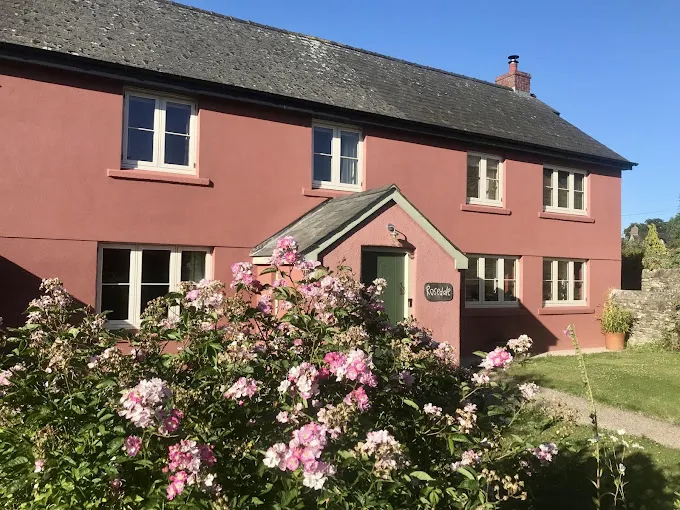
Complete Guide to Rendering for South Wales Properties
Rendering is the process of applying a protective and decorative coat to external or internal walls, and this guide explains every system, technique, and consideration relevant to South Wales properties.
Table of Contents
- What Is Rendering and Why Does It Matter?
- Types of Rendering Systems for UK Properties
- Spray Rendering: Application, Speed, and Finish Quality
- Rendering in South Wales: Climate and Coastal Considerations
- Frequently Asked Questions
- Comparison of Rendering Systems
- Coloured Rendering South Wales
- Practical Tips for Property Owners
- The Bottom Line
- Sources & Citations
Article Snapshot
Rendering is a wall coating system applied to external or internal masonry surfaces to provide weather protection, structural integrity, and aesthetic finish. The right render system – whether silicone, monocouche, or cement-based – depends on wall substrate, climate exposure, and maintenance requirements. Modern spray application reduces project time significantly compared to hand application.
Rendering in Context
- The global 3D rendering services market was projected to reach USD 61,651.18 million by 2026, growing at a CAGR of 28.10% from 2019 (Allied Market Research, 2026)[1]
- Physics-based rendering (PBR) is used in 90% of modern 3D asset creation (WifiTalents, 2026)[2]
- AI upscaling reduces energy cost per pixel by 35% in digital rendering workflows (WifiTalents, 2026)[2]
- The global 3D rendering market was valued at USD 3.63 billion in 2023 (WifiTalents, 2026)[2]
What Is Rendering and Why Does It Matter?
Rendering is a construction process in which a mortar or polymer-based coating is applied directly to external or internal masonry walls to seal, protect, and finish the surface. For property owners across South Wales, Coloured Rendering South Wales has provided expert rendering solutions since 1998, helping homeowners and developers protect buildings from the region’s demanding coastal and wet climate. Whether you own a Victorian terrace in Swansea, a new build in Cardiff, or a seafront property in Mumbles, the right render system is one of the most important decisions you will make for your building’s long-term performance.
At its core, rendering serves three functions. First, it creates a weather-resistant barrier that prevents wind-driven rain and moisture from penetrating masonry walls – a requirement in South Wales, where annual rainfall is among the highest in England and Wales. Second, it provides structural reinforcement to older or damaged wall surfaces, stabilising crumbling brick or block substrates. Third, it delivers the decorative finish that defines a property’s kerb appeal and market value.
Modern render systems have evolved far beyond traditional sand-and-cement mixes. Today, silicone renders, polymer-modified cements, and monocouche through-colour systems offer superior flexibility, breathability, and colour retention. These advances mean a well-specified and correctly applied render protects a property for 20 to 30 years with minimal maintenance – particularly valuable for landlords managing multiple properties in Bridgend or developers completing housing phases in Newport.
Call Us
The specification decision – which render system to apply, to which substrate, in which location – is not straightforward. Substrate type, wall construction, exposure zone, and the property owner’s maintenance preferences all influence which product will perform best. Getting this decision right at the outset avoids costly repairs within years of application. Understanding the available render systems is therefore the essential starting point for any external wall project.
Types of Rendering Systems for UK Properties
The principal rendering systems available for UK properties each carry distinct performance characteristics, application requirements, and maintenance profiles that determine their suitability for any given project.
Thin Coat Silicone Render
Thin coat silicone render is a polymer-rich, factory-coloured finish coat applied in layers of 1.5 mm to 3 mm over a prepared basecoat. The silicone component provides exceptional hydrophobicity – water beads off the surface rather than being absorbed – while the breathable matrix allows water vapour to escape from the wall structure behind. This combination of being waterproof yet vapour-permeable makes silicone render the leading choice for solid wall properties and coastal locations where salt-laden air accelerates deterioration of less flexible systems.
Silicone render is available in hundreds of pre-mixed colours, and because the pigment is carried throughout the coating rather than painted on top, the colour does not fade or peel. The self-cleaning properties inherent in the silicone chemistry mean rain washes surface dirt away, keeping façades looking fresh without regular maintenance intervention. For property owners in exposed locations such as the Gower Peninsula or the Vale of Glamorgan, these characteristics deliver tangible long-term savings.
As a Baumit Approved EWI Applicator with City & Guilds Assured accreditation, Coloured Rendering South Wales installs Baumit StarTop premium silicone render with manufacturer-backed warranties of up to 25 years, giving property owners documented long-term protection.
Monocouche Through Colour Render
Monocouche render – from the French for “single layer” – is a cement-based, factory-coloured system applied in a single coat that functions as both basecoat and finish. The colour runs through the full depth of the render, so chips or surface wear do not expose a grey base layer beneath. This makes monocouche particularly well suited to housing developments where consistent appearance across multiple units is a priority and ongoing repainting is not desirable.
The system is compatible with most masonry substrates including brick, dense block, and lightweight block. Available textures range from scraped finishes to roughcast and sponge finishes, giving architects and property developers flexibility in achieving both contemporary and traditional aesthetics. Monocouche meets British Standards for external rendering systems and its weather-resistant formulation includes water-repelling additives and reinforcing fibres.
One Coat Cement Render
One coat cement render is a cost-effective, single-application system that provides a solid substrate for subsequent painting. It suits properties where the owner wants to change colour periodically or where budget constraints favour a lower upfront cost with future decoration factored in. Spray application of one coat cement render produces a consistent thickness across large wall areas faster than hand methods, making it a practical choice for commercial buildings and larger residential projects where painted finishes are acceptable.
External Wall Insulation Systems
External wall insulation (EWI) combines a layer of high-performance insulation board – typically expanded polystyrene or mineral wool – mechanically fixed to the wall, followed by a reinforcing mesh embedded in a basecoat, and finished with a decorative render topcoat. EWI addresses the thermal performance of solid-walled properties that cannot be cavity-filled, improving Energy Performance Certificate (EPC) ratings and reducing heating costs. The render finish applied over an EWI system follows the same specifications as standalone thin coat silicone or acrylic systems, so the aesthetic result is indistinguishable from a standard re-render while delivering substantial energy efficiency gains.
Spray Rendering: Application, Speed, and Finish Quality
Spray rendering is the professional application of render using a machine pump and spray gun rather than a traditional hand hawk and trowel, and it delivers measurable advantages in speed, consistency, and finish quality that make it the preferred method for skilled rendering contractors.
In conventional hand application, a renderer loads material onto a hawk, throws it onto the wall with a trowel, and works it to an even thickness manually. This process is inherently variable – the thickness and texture depend on the individual applicator’s skill and physical consistency across a working day. Spray rendering uses a pump to deliver render at controlled pressure through a nozzle, producing an even, consistent coating across the entire wall surface in a fraction of the time. A wall that requires four to five days of hand application is completed in one to two days with professional spray equipment.
The speed advantage is not simply a commercial benefit to the contractor. For property occupants – whether homeowners living in the property during works or tenants in a rental – faster completion means less disruption, shorter periods with scaffolding in place, and quicker return to normal use of the building. For property developers running multiple phases, spray application compresses timelines and allows trades to follow on more rapidly.
Consistency of finish is equally important. Spray application produces a uniform texture across joints, returns, and large flat areas that is difficult to replicate by hand. This consistency matters most for monocouche and silicone renders where the factory colour and texture must be maintained uniformly to avoid visible variations in the finished wall. Machine application also ensures the render is applied at the manufacturer’s specified thickness, which is important to the product’s performance and warranty validity.
The choice of render system and application method should always be matched to the specific substrate and exposure conditions of the property. Professional spray applicators assess wall preparation requirements – including priming, mesh reinforcement at movement joints, and detailing around windows and doors – before any material is applied. Inadequate preparation remains the primary cause of premature render failure, regardless of the system used.
Surface Preparation and Substrate Assessment
Correct substrate preparation is the foundation of any successful rendering project. Loose or contaminated surfaces must be cleaned and, where necessary, repaired before any render is applied. Organic growth such as moss or algae should be treated and removed. Primer selection depends on the substrate’s porosity and the render system being used – applying the wrong primer, or omitting it entirely, leads to adhesion failure within months. For EWI systems, mechanical fixings must be specified for the wall construction type to prevent delamination under wind loading.
Rendering in South Wales: Climate and Coastal Considerations
Rendering in South Wales demands a higher specification than many other regions of the UK because the combination of high annual rainfall, prevailing south-westerly winds, and coastal salt air places extraordinary stress on external wall coatings.
South Wales sits in one of the wettest exposure zones in the United Kingdom. Properties along the coast from Swansea Bay through to the Gower, and inland towns such as Merthyr Tydfil and the Rhondda Valley, regularly experience wind-driven rain that saturates unprotected masonry. A render system that performs adequately in the drier east of England fails within a few years in these conditions if it lacks sufficient water-repellency or flexibility to accommodate thermal movement.
Coastal properties face an additional challenge. Salt particles carried in sea spray are highly corrosive to both the render and the wall substrate beneath. Salt crystallisation within masonry is a primary cause of spalling and render debonding in coastal areas. Silicone renders with high hydrophobicity prevent salt-laden moisture from penetrating the surface, making them the technically appropriate specification for any property within a kilometre of the coast. A seafront property in Mumbles protected with a correctly specified thin coat silicone render has shown five years of performance with no signs of deterioration, illustrating the value of matching the system to the exposure zone.
Thermal movement is another factor specific to the Welsh climate. Temperature differentials between winter nights and summer days cause walls to expand and contract. Rigid cement renders with low flexibility crack along movement lines, allowing water ingress that undermines the render from behind. Modern polymer-modified and silicone-based systems accommodate this movement without cracking, extending service life significantly compared to traditional sand-and-cement mixes.
Specifying Render for Welsh Exposure Zones
The UK Building Research Establishment classifies wall exposure into zones based on wind-driven rain index. Much of South Wales falls within the severe or very severe exposure categories, which directly informs the minimum specification required for compliant external wall renders. UK Building Regulations Approved Documents provide the framework within which render specifications must sit, and contractors working to these standards ensure that new renders and EWI installations meet the required thermal and weather performance criteria.
Selecting a contractor with deep local knowledge of South Wales conditions is therefore not merely a preference – it is a practical safeguard. A contractor who understands the difference between specifying for a sheltered Cardiff suburb and an exposed coastal terrace in Penarth will recommend systems that perform for their intended lifespan rather than failing prematurely and generating costly remediation work.
Your Most Common Questions
How long does render last on a property in South Wales?
The lifespan of render depends primarily on the system specified and how well it is matched to the building’s exposure conditions. In South Wales, where rainfall and coastal salt air are significant factors, a correctly specified thin coat silicone render applied by a trained contractor performs for 20 to 25 years without major maintenance. Manufacturer-backed warranties for certified installation systems, such as Baumit StarTop applied by a Baumit Approved EWI Applicator, extend to 25 years. Monocouche through colour render carries a service life of 15 to 25 years depending on exposure. Traditional one coat cement render, while durable, requires repainting every five to eight years and is more susceptible to cracking in exposed locations. The single most important factor in achieving maximum lifespan is correct substrate preparation before application. Poorly prepared walls, inadequate priming, or incorrect product selection for the exposure zone are the leading causes of premature render failure across all system types.
What is the difference between silicone render and monocouche render?
Silicone render and monocouche render are both pre-coloured systems that eliminate the need for ongoing repainting, but they differ in composition, thickness, and primary application. Thin coat silicone render is a polymer-rich system applied at 1.5 mm to 3 mm over a prepared basecoat. Its key advantage is extreme hydrophobicity combined with vapour permeability – the wall breathes while the surface sheds water. Silicone render is the preferred specification for highly exposed locations and coastal properties. Monocouche render is a cement-based single coat system applied at a greater thickness – typically 12 mm to 20 mm – that acts as both basecoat and decorative finish in one pass. It is well suited to new build housing developments and renovation projects where a traditional or contemporary textured appearance is desired. Both systems are available in a wide range of colours, both resist fading, and both require minimal long-term maintenance. The choice between them depends on substrate type, exposure zone, budget, and the aesthetic finish required. A professional render survey will identify which system is technically appropriate for any given property.
Can render be applied over existing render without removing it?
Applying new render over existing render is possible in certain circumstances but requires a thorough assessment of the existing coat’s condition before any new material is applied. If the existing render is well bonded, sound, and free from hollow patches, a new thin coat silicone render system is applied directly over it following appropriate preparation and priming. However, if the existing render is hollow, cracked, or delaminating from the substrate, it must be removed before the new system is applied. Attempting to render over failed material simply transfers the underlying problem to the new coat, leading to early failure of the new render. A tap test – striking the wall surface with a mallet and listening for a hollow sound – is the standard method of identifying delaminated areas. Areas that fail the tap test should be cut out and the substrate repaired before any overcoating proceeds. For EWI projects, the existing render condition is assessed as part of the full system survey, since the insulation boards must bond securely to a sound substrate. Professional assessment before any rendering project begins is always the correct starting point.
How much does rendering a house cost in South Wales?
The cost of rendering a house in South Wales varies according to property size, render system selected, wall condition, and access requirements. As a general guide, thin coat silicone render applied to an average three-bedroom semi-detached house will cost more than one coat cement render on the same property, because the material cost of silicone systems is higher and the preparation requirements are more exacting. However, the total cost of ownership over 20 years favours higher-specification systems, because they eliminate the need for repainting cycles that add cost every five to eight years. EWI installations carry a higher upfront cost than surface renders because the system includes insulation boards, mechanical fixings, mesh, basecoat, and finish coat – but the energy savings delivered over the system’s lifespan return the investment within a reasonable period for solid-walled properties with poor thermal performance. Scaffold costs, access difficulty, and the extent of any necessary repair work to the existing substrate all affect the final project price. Obtaining a detailed written quotation from a qualified, accredited contractor – one who specifies the correct system for your property type and location – is the only reliable way to establish accurate costs for your specific project.
Comparison of Rendering Systems
Choosing between rendering systems requires weighing performance, cost, maintenance, and suitability for the specific exposure conditions of your property. The table below compares the four principal systems used on South Wales properties across the criteria most relevant to property owners and developers.
| System | Application Thickness | Colour Method | Maintenance Requirement | Best Suited For | Typical Service Life |
|---|---|---|---|---|---|
| Thin Coat Silicone Render | 1.5-3 mm | Factory pre-mixed, no painting required | Very low – self-cleaning surface | Coastal, exposed, and high-rainfall locations | 20-25 years[3] |
| Monocouche Through Colour Render | 12-20 mm | Through-coloured, no painting required | Low – no repainting needed | New builds, housing developments, renovation | 15-25 years |
| One Coat Cement Render | 10-15 mm | Painted after curing | Moderate – repainting every 5-8 years | Budget projects, painted finish preferred | 10-20 years with redecoration |
| EWI with Silicone Finish | 80-300 mm (incl. insulation) | Factory pre-mixed topcoat | Very low | Solid wall properties, energy efficiency upgrades | 25+ years with certified installation |
Coloured Rendering South Wales
Coloured Rendering South Wales has delivered professional plastering and spray rendering services throughout South Wales since 1998. Based in Swansea, the company brings over 25 years of direct experience to every project – from patch repairs on a single elevation to full EWI installations across housing developments. As a Baumit Approved EWI Applicator with City & Guilds Assured accreditation, the company installs certified render and insulation systems with manufacturer-backed warranties of up to 25 years, offering property owners documented long-term protection that informal or uncertified rendering work cannot provide.
The service range covers the full lifecycle of a property’s external walls: thin coat silicone render, monocouche through colour render, one coat cement render, external wall insulation systems, rendering repairs, and internal plastering. Spray application technology means projects are completed two to three times faster than traditional hand application, reducing disruption to occupants without compromising finish quality. Every project begins with a free property assessment to identify the correct specification for the substrate, location, and client objectives.
The company’s independently verified 5.0 Google rating across numerous reviews reflects the consistency of results delivered to homeowners, landlords, property developers, and commercial clients across Swansea, Cardiff, Newport, Bridgend, and the wider South Wales region.
“With over 15 years in the building trade I have experienced several different plasterers all offering different styles and finishes. Geoff’s thin coat spray finish render would rival the best and I can’t recommend his team enough to someone thinking of using him. His professionalism and work ethic has stood out from many of the others we have worked with.” – Keri Hopkins, Google Review
“We’re 100% happy and wouldn’t hesitate to recommend Jeff. His workmanship is excellent and we’re also very happy with the product he recommended to eradicate the penetrating damp and give our house a great new look and lease of life.” – Alistair Legge, Google Review
To discuss your property’s rendering requirements or to arrange a free site assessment, visit our contact page, call 07815 868070, or email geoff@colouredrenderingsouthwales.com.
Practical Tips for Property Owners
Taking the right steps before, during, and after a rendering project protects your investment and ensures the system performs as specified for its full intended lifespan.
Carry out a condition survey before specifying any system. Have a qualified contractor inspect the existing wall surface before agreeing on a render type. Substrate porosity, existing coatings, and the presence of cracks or hollow patches all influence which system will bond correctly and perform durably. Skipping this step is the most common cause of specification errors that lead to premature failure.
Match the render system to your exposure zone. Properties within close proximity to the coast, on exposed hillsides, or in high-rainfall areas of South Wales require a higher-specification waterproof and flexible render. Silicone systems are the technically correct choice for these locations. Applying a standard cement render to a coastal property to save upfront cost results in failure within a few years and a more expensive remediation project.
Check contractor accreditation and insurance. For EWI and silicone render systems that carry manufacturer warranties, the warranty is only valid when the system is installed by a certified applicator. Verify that your contractor holds the relevant accreditations – such as Baumit Approved Applicator status – and that they carry public liability and employer’s liability insurance before any work begins.
Ensure correct detailing at windows, doors, and movement joints. The majority of render failures begin at the junctions between render and frames, sills, and parapets rather than on the flat wall surface itself. Correct beading, sealant application, and movement joint treatment at these details are needed to prevent water ingress at the vulnerable perimeter of each render panel.
Plan access and scaffold requirements early. Scaffold erection and removal represent a significant proportion of project cost on two-storey and taller properties. Combining rendering with other external works – fascia replacement, window installation, or roof repairs – during the same scaffold period reduces overall project costs substantially. Discuss this with your contractor and other trades during the planning phase.
Follow the manufacturer’s maintenance guidance for your render system. Even low-maintenance silicone and monocouche renders benefit from periodic inspection. Check annually for any cracks at movement joints or window perimeters, and address these promptly with compatible sealant or professional rendering repairs before water ingress develops into a more extensive problem.
The Bottom Line
Rendering is one of the most consequential decisions you will make for your property’s long-term protection, energy performance, and visual appeal. In South Wales, where coastal exposure, high rainfall, and thermal movement place exceptional demands on external wall systems, the specification and installation of the render system must be treated with the same rigour as any other structural element of the building.
The difference between a render that lasts 25 years and one that fails in five often comes down to two factors: the correct system specification for the exposure zone, and the quality of application by a trained, accredited contractor. Modern silicone, monocouche, and EWI systems offer property owners genuinely low-maintenance, long-lasting protection when these conditions are met.
To arrange a free property assessment and written quotation from South Wales’s experienced rendering specialists, contact Coloured Rendering South Wales on 07815 868070, email geoff@colouredrenderingsouthwales.com, or use the online contact form. You can also find us on Google to read verified client reviews and see completed projects across the region.
Sources & Citations
- 3D Rendering Services Market Size, Share and Global Forecast to 2026. Allied Market Research.
https://www.alliedmarketresearch.com/3d-rendering-services-market - Rendering Industry Statistics. WifiTalents.
https://wifitalents.com/rendering-industry-statistics/ - Choose The Perfect Facade, Renders & Paints. Baumit UK.
https://baumit.co.uk/guides/facade-renders-and-paints - UK Building Regulations – Approved Documents. GOV.UK.
https://www.gov.uk/guidance/approved-documents