
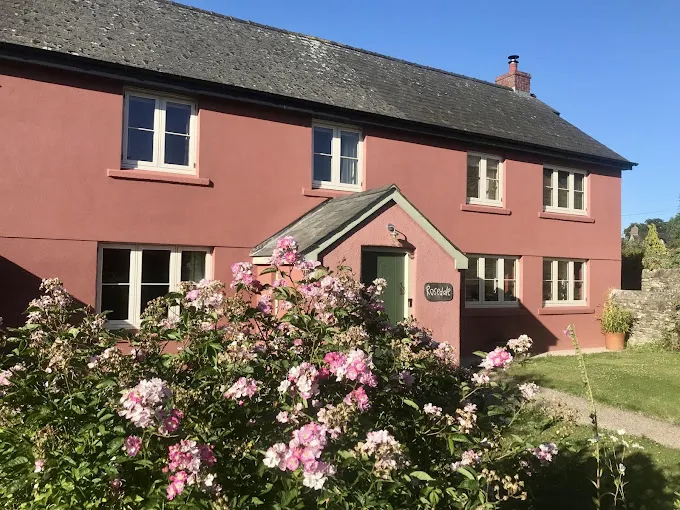
Monocouche Rendering Ystradgynlais: Complete Guide
Monocouche rendering Ystradgynlais property owners rely on delivers a through-coloured, low-maintenance external finish that protects against the valleys’ heavy rainfall – here is everything you need to know before commissioning the work.
Table of Contents
- What Is Monocouche Rendering?
- Benefits for Ystradgynlais Properties
- The Application Process and Key Considerations
- Costs, Lifespan, and Value for Money
- Frequently Asked Questions
- Monocouche vs Other Render Types
- Coloured Rendering South Wales
- Practical Tips for Your Project
- The Bottom Line
- Sources & Citations
Article Snapshot
Monocouche rendering Ystradgynlais homeowners and developers choose is a single-coat, through-coloured cement-based external wall finish requiring no painting. Applied in one layer, it bonds directly to masonry, resists the region’s high rainfall, and lasts 15-20 years with minimal upkeep.
Monocouche Rendering Ystradgynlais in Context
- Average cost of monocouche rendering: £37 per m² (MyJobQuote, 2025)[1]
- Cost range including materials and labour: £55-75 per m² (Simple Solution 4 U Shop, 2025)[2]
- Total cost for a 200 m² semi-detached house: approximately £8,750 (MyJobQuote, 2025)[1]
- Expected lifespan of monocouche render: 15-20 years (Smith Plastering, 2025)[3]
What Is Monocouche Rendering?
Monocouche rendering Ystradgynlais projects involve a single-coat, factory-coloured cement-based system that is mixed with colour pigments throughout its entire thickness rather than painted on the surface. As one render specialist describes it, “Monocouche (French for ‘single layer’) render is a through-coloured cement-based system that creates a crisp, clean finish. It’s applied in one coat and doesn’t require painting” (Smith Plastering, 2025)[3]. Because the colour runs through the full depth of the material, surface scuffs and minor chips remain inconspicuous, and there is no paint film to blister, flake, or peel away over time.
The system was developed in France and Germany before making its way into the British market. As one industry commentator notes, “Monocouche render has been in use in Europe since the 80’s & 90’s, since then in Britain became specified by architects on British projects spurred on by the investment of research and development by the monocouche manufacturers to make it a BBA approved building material” (2025)[4]. Today, BBA-certified monocouche products are widely used across Wales and England on both new builds and renovation schemes.
Modern formulations incorporate water-repelling additives, reinforcing fibres, and carefully graded aggregates that together produce a finish far more durable than a painted sand-and-cement scratch coat. The material is applied at a thickness of roughly 15-25 mm directly onto prepared masonry, brick, block, or concrete substrates. Once cured, it accepts a scraped, roughcast, or smooth texture depending on the finish specified. For Ystradgynlais properties – many of which are traditional stone or brick terraces exposed to the upland valleys climate – this combination of structural protection and colour permanence makes monocouche a practical choice.
Call Us
Coloured Rendering South Wales has delivered monocouche through-colour render projects across the region since 1998, bringing specialist knowledge of Welsh substrates and exposure conditions to every job.
Benefits of Monocouche Rendering for Ystradgynlais Properties
Ystradgynlais sits in the upper Swansea Valley, an area characterised by high annual rainfall, persistent moisture, and the kind of wind-driven rain that degrades conventional painted renders within a few years. Monocouche’s water-repellent formulation addresses these conditions directly, bonding tightly to the substrate and shedding surface water rather than absorbing it.
Weather Protection in the Valleys Climate
The Brecon Beacons upland environment surrounding Ystradgynlais exposes properties to one of the wetter microclimates in South Wales. A render system that merely sits on top of the wall with a painted finish will crack at the paint-to-render interface and allow water behind the film, accelerating deterioration. Monocouche systems, formulated with water-repelling additives, resist this failure mode. The colour and texture are integral to the body of the render rather than a surface coating, so there is no interface for water to penetrate through delaminating paint.
For coastal or exposed upland properties, newer monocouche formulations push performance further still. James Mead, R&D Director at Saint-Gobain Weber, notes: “weberpral E has reduced water absorption so can be applied at just 15mm thickness to achieve the same performance. This means around 25% less material is needed” (Weber UK, 2025)[5]. That efficiency gain translates directly into shorter application time, lower material costs, and reduced weight on the wall structure – benefits that matter on older valley properties where load considerations are a constraint.
Beyond moisture management, monocouche provides a solid mechanical barrier against the freeze-thaw cycles that occur at higher elevations around Ystradgynlais in winter. Water trapped in a porous painted render expands during freezing and causes spalling; a well-installed monocouche system with correct mix design significantly reduces this risk. Selecting a product with a suitable frost-resistance classification for your exposure zone is an important part of the specification process.
Low Maintenance and Permanent Colour
One of the most practical benefits for homeowners in the Ystradgynlais area is the elimination of periodic repainting. A traditional sand-and-cement render finished with masonry paint needs repainting every five to eight years in a high-exposure environment. Monocouche render carries its colour throughout the full coat thickness, so there is no film to renew. Over a 20-year ownership period, this difference in maintenance cost is substantial, often exceeding the additional upfront investment in through-colour render. Landlords managing several properties in the Neath Port Talbot area have used exactly this calculation to justify upgrading their portfolios to monocouche systems, cutting annual maintenance spend significantly.
Sustainability is an additional consideration: fewer repainting cycles mean less solvent or water-based paint production, fewer vehicle visits to the property, and reduced waste. Newer monocouche products are also addressing their own carbon footprint. James Mead at Saint-Gobain Weber explains that the latest formulation achieves a 22% reduction in carbon emissions from fossil fuels compared with its predecessor (Weber UK, 2025)[5], making through-colour render an increasingly responsible choice for environmentally conscious property owners.
The Application Process and Key Considerations
Monocouche rendering is a skilled trade operation that requires correct substrate preparation, appropriate weather conditions, and experienced application to achieve the full performance specification.
Surface Preparation and Priming
Thorough substrate preparation is the foundation of a long-lasting monocouche installation. Loose or friable material must be removed from the existing wall face; any active cracks should be stabilised before rendering begins. On older stone properties common in Ystradgynlais, the pointing condition must be assessed: poorly pointed joints behind the render will compromise adhesion and create pathways for water ingress. A bonding agent or primer is applied to dense, low-suction surfaces such as smooth concrete blocks to ensure mechanical key between the substrate and the render body.
The wall must be dry enough to accept the render – applying monocouche over saturated masonry prevents proper adhesion and increases the risk of shrinkage cracking as the moisture escapes during curing. For properties in the upper Swansea Valley, this means scheduling work during drier windows in the late spring or summer months rather than attempting application during the region’s frequently wet autumn and winter periods.
You can learn more about how different substrates and conditions affect render choice on the Choose The Perfect Facade, Renders & Paints guide by Baumit, which covers specification considerations for a range of building types.
Weather Windows and Application Temperatures
Temperature constraints govern when monocouche is safely applied. One technical specialist confirms: “Monocouche must be applied in dry conditions and above 5°C, which limits the rendering season in the UK. Cold, wet or frosty weather can interfere with the curing process” (PD Rendering, 2025)[6]. The minimum application temperature of 5°C (PD Rendering, 2025)[6] is a hard limit – below this, hydration of the cementitious binders slows or stops, and the render cures weakly, cracks, or delaminates. In the Ystradgynlais area, ground frosts occur from October through to April, which means project planning must account for realistic weather windows. A reputable contractor will not apply monocouche in marginal conditions simply to meet a deadline, because the consequences – a failed render requiring full removal and replacement – far outweigh any scheduling convenience.
Spray application, used by skilled rendering contractors, enables faster and more consistent coverage compared with hand application alone. A uniformly applied coat achieves more even thickness, which supports consistent curing and reduces the risk of differential shrinkage cracking. The speed advantage of spray methods also reduces the time the fresh render is exposed to deteriorating weather, an important consideration on exposed valley-facing elevations.
Costs, Lifespan, and Value for Money
Understanding the full financial picture of monocouche rendering helps property owners make an informed decision relative to alternative systems and the ongoing cost of doing nothing.
Pricing for Monocouche Rendering in South Wales
The average cost of monocouche rendering is £37 per m² (MyJobQuote, 2025)[1], though the full installed cost including materials and labour falls in the range of £55-75 per m² (Simple Solution 4 U Shop, 2025)[2]. For an average semi-detached house with approximately 200 m² of external wall area, that translates to a total project cost of around £8,750 (MyJobQuote, 2025)[1]. Prices in the Ystradgynlais area will vary depending on the condition of existing render, the complexity of the elevation – including bays, dormers, and architectural details – scaffold requirements, and the specific monocouche product specified.
For rendering repairs across South Wales, a targeted approach can sometimes extend the life of an existing render without a full replacement, which is worth discussing with your contractor before committing to the wider scope of work. However, where render has failed across more than 30-40% of the elevation, full removal and replacement with monocouche is almost always the more cost-effective long-term decision.
Lifespan and Return on Investment
Monocouche render has an expected lifespan of 15-20 years (Smith Plastering, 2025)[3], with well-specified installations on correctly prepared substrates performing beyond the upper end of that range. When you compare this with a painted sand-and-cement render requiring repainting every five to eight years at a cost of £10-20 per m² per cycle, the monocouche system returns its additional capital cost within the first decade, before delivering ongoing maintenance savings for the remainder of its service life. The UK Building Regulations Approved Documents provide the regulatory framework within which all external wall systems must perform, and monocouche products holding BBA certification satisfy these requirements by design.
Your Most Common Questions
Is monocouche rendering suitable for older stone properties in Ystradgynlais?
Monocouche rendering is applied to older stone properties in Ystradgynlais, but a careful assessment of the substrate is needed before specification. Traditional stone and rubble-fill walls common in the upper Swansea Valley have different suction and movement characteristics compared with modern block or brick construction. A render that is too rigid – or applied without adequate priming – will crack as the old wall breathes and flexes with seasonal temperature changes. A specialist contractor will assess the wall type, check for active damp, evaluate pointing condition, and select a monocouche product with appropriate flexibility and breathability ratings for your specific substrate. In some cases, a reinforcing mesh embedded in the render coat provides additional crack resistance on uneven or structurally variable old stone walls. Getting the specification right at the outset is far more important than the brand of product used.
How long does monocouche rendering take to complete on a typical house?
For a typical three-bedroom semi-detached property in the Ystradgynlais area, a monocouche rendering project takes three to five days for application, assuming scaffold is already in place. Scaffold erection and strike are additional to this. Spray application speeds up the process compared with hand-only methods – a contractor using professional spray equipment covers large wall areas quickly and with consistent thickness, which also supports more even curing. Following application, monocouche requires a curing period before it is assessed for final finish quality; this is 24-72 hours depending on temperature and humidity conditions. In practice, the full project including preparation, scaffold, application, and final inspection spans one to two weeks from start to completion. Projects on larger detached properties, or those with more complex elevations, will take longer. A good contractor will give you a realistic programme as part of the quotation.
Can monocouche rendering be colour-matched to an existing finish?
Exact colour matching between monocouche renders from different batches, or between a new monocouche application and an existing painted finish, is challenging. Factory-coloured monocouche products use mineral and synthetic pigments blended to consistent RAL or proprietary colour references, and the same product code from the same manufacturer will provide a reliable match across a single project. However, existing monocouche that has been in place for several years will have weathered to a tone that differs from fresh material; a repair patch or partial re-render will almost always be visible as a colour difference for at least the first season. Where colour consistency across the full elevation is a priority – for example, on a semi-detached property where only one half is being re-rendered – the best approach is full elevation treatment rather than partial patching. Your contractor will provide sample boards of available colours to help you select a finish suited to the property and neighbourhood.
What maintenance does monocouche rendering require over its lifetime?
One of the principal advantages of monocouche rendering is its low ongoing maintenance requirement. Because the colour is integral to the render body rather than a surface coating, there is no paint film to renew. Routine maintenance amounts to an annual visual inspection to check for any new cracks – particularly around window and door reveals where differential movement is most likely – and an occasional wash-down of the wall surface to remove algae or surface soiling. In particularly sheltered or damp spots, a biocide wash every few years will control any biological growth. If small cracks appear, prompt repair with a colour-matched repair mortar prevents water ingress and extends the render’s service life. Monocouche render systems from reputable manufacturers and correctly installed by accredited applicators carry product warranties; these should be retained along with the application records. Proper maintenance keeps the render performing at specification for the full 15-20 year service life and beyond.
Monocouche vs Other Render Types
Choosing the right render system for a property in Ystradgynlais depends on budget, substrate condition, maintenance preference, and aesthetic goals. The table below compares monocouche with the two most common alternatives to help you assess which approach best fits your project requirements.
| Render Type | Application Coats | Colour System | Expected Lifespan | Maintenance | Approx. Cost (per m²) |
|---|---|---|---|---|---|
| Monocouche Through-Colour Render | Single coat | Through-coloured; no painting required | 15-20 years (Smith Plastering, 2025)[3] | Low – inspect annually, biocide wash as needed | £55-75 (Simple Solution 4 U Shop, 2025)[2] |
| Thin Coat Silicone Render | Basecoat + thin finish coat | Factory-coloured silicone finish; no painting required | 20-25 years (manufacturer dependent) | Very low – self-cleaning properties reduce soiling | £60-90 (indicative) |
| One Coat Cement Render (Painted) | Single coat + paint finish | Painted; requires periodic repainting | Render 20+ years; paint 5-8 years | Higher – repaint every 5-8 years | £30-55 render; additional painting cost |
Coloured Rendering South Wales
Coloured Rendering South Wales has been delivering professional plastering and spray rendering services across the region since 1998. Based in Swansea and operating throughout South Wales – including Ystradgynlais, Neath Port Talbot, Cardiff, Newport, and the wider Swansea Valley – the team brings over 25 years of hands-on experience to every monocouche rendering project. As a Baumit Approved EWI Applicator with City & Guilds Assured accreditation, the company is certified to install Baumit StarTop premium silicone render and full external wall insulation systems backed by manufacturer warranties of 10-25 years.
Our spray rendering technology delivers faster, more consistent application than traditional hand methods alone – a particular advantage on larger or more complex elevations. We carry the knowledge needed to specify the right monocouche product for the exposure conditions specific to your location, whether that is a sheltered valley property or an exposed hillside terrace around Ystradgynlais. Every project begins with a free property assessment, followed by a clear written quotation explaining the materials, scope of work, and programme.
Clients consistently highlight the quality and professionalism of our work. “With over 15 years in the building trade I have experienced several different plasterers all offering different styles and finishes. Geoff’s thin coat spray finish render would rival the best and I can’t recommend his team enough to someone thinking of using him. His professionalism and work ethic has stood out from many of the others we have worked with.” – Keri Hopkins, Google Review
“We’re 100% happy and wouldn’t hesitate to recommend Jeff. His workmanship is excellent and we’re also very happy with the product he recommended to eradicate the penetrating damp and give our house a great new look and lease of life.” – Alistair Legge, Google Review
Our perfect 5.0 Google rating across multiple independent reviews reflects the consistent standard we deliver on every project. Visit our Coloured Rendering Swansea page to see the range of coloured render options available, or explore our EWI Specialists South Wales service if thermal efficiency improvement is also a priority. To arrange a free consultation and quotation for your Ystradgynlais property, contact Coloured Rendering South Wales today.
Practical Tips for Your Monocouche Rendering Project
The following guidance will help you plan and manage a successful monocouche rendering project in the Ystradgynlais area, from initial specification through to long-term maintenance.
Commission a substrate survey before specifying the render system. An experienced contractor will assess the existing wall type, check for damp, examine pointing condition, and identify any movement cracks before recommending a product. On older valley properties, this step prevents costly failures caused by applying a rigid render to a wall that needs a more flexible formulation.
Plan your project for the correct season. With a minimum application temperature of 5°C (PD Rendering, 2025)[6], monocouche rendering in Ystradgynlais is best scheduled between April and September. Booking your contractor well in advance of your target start date ensures you secure the right weather window, particularly given that experienced rendering specialists in South Wales are often booked several months ahead.
Choose colour carefully and request physical sample boards. Monocouche colour charts and digital images rarely capture the true appearance of the cured, textured finish in your specific lighting conditions. A reputable contractor will provide physical sample boards of your shortlisted colours, which you assess against your property in natural daylight before committing to a choice. Bear in mind that colour will appear slightly different wet versus fully cured and dry.
Ensure scaffold is correctly specified. Monocouche render must be applied at consistent thickness across the full elevation without stop-start lines visible in the finished surface. This requires adequate scaffold to allow the applicator to work continuously across each face. Scaffold that forces the crew to work in narrow lifts that do not align with natural break points – such as window heads or string courses – risks visible horizontal lines in the finished render.
Retain all documentation and warranty certificates. For properties insured under a standard home insurance policy, evidence of professionally installed, BBA-certified render supports claims related to weather damage. Manufacturer warranties are only valid when the system is installed by an approved applicator using the correct components; retain all paperwork as evidence of compliant installation.
Address render repairs promptly. Even a well-installed monocouche system develops minor localised cracks over time, particularly at junctions with window or door frames. Attending to these quickly with compatible repair mortar prevents water ingress and avoids the progressive failure that turns a small repair into a large re-render project. Our Rendering Repairs South Wales service covers exactly these types of targeted interventions.
The Bottom Line
Monocouche rendering Ystradgynlais property owners commission delivers a strong, low-maintenance external wall finish well matched to the valleys’ demanding climate. Its through-coloured construction eliminates periodic repainting, its cement-based formulation resists the high rainfall and freeze-thaw conditions of the upper Swansea Valley, and its 15-20 year service life makes it a cost-effective long-term investment for residential and commercial properties alike. Selecting the right product for your substrate, scheduling work within the correct weather window, and commissioning an experienced, accredited applicator are the three decisions that most influence whether your render performs to its full potential.
To discuss your project in Ystradgynlais or anywhere across South Wales, call Coloured Rendering South Wales on 07815 868070, email geoff@colouredrenderingsouthwales.com, or visit our home page for spray rendering and external wall insulation services across South Wales to request a free, no-obligation quotation.
Sources & Citations
- Monocouche Render Cost. MyJobQuote.
https://www.myjobquote.co.uk/costs/monocouche-render - Best Monocouche Render for UK Homes. Simple Solution 4 U Shop.
https://simplesolution4ushop.co.uk/best-monocouche-render-for-uk-homes/ - What Is the Most Long-Lasting Render Type in the UK? Smith Plastering.
https://www.smithplastering.co.uk/what-is-the-most-long-lasting-render-type-in-the-uk/ - Monocouche Problems Northampton. Plastering and Rendering Northampton.
https://plasteringandrenderingnorthampton.co.uk/monocouche-problems - The Evolution of Monocouche Render. Weber UK.
https://www.uk.weber/evolution-monocouche-render - Silicone vs Monocouche Render – What’s the Difference? PD Rendering.
https://www.pdrendering.co.uk/articles/silicone-vs-monocouche-render-whats-the-difference