
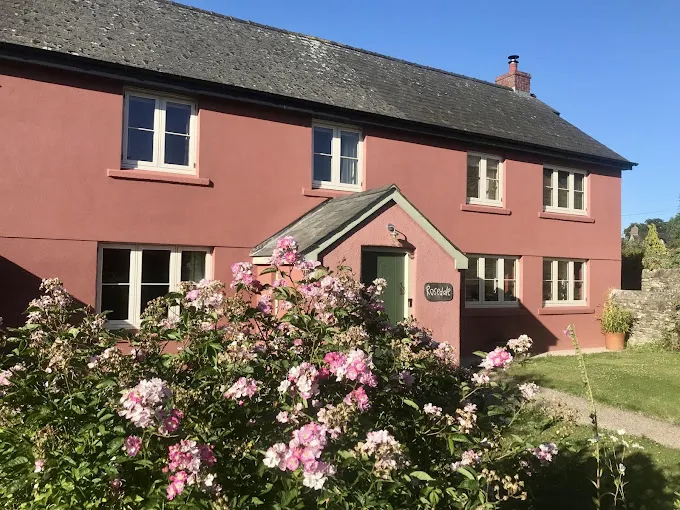
K Rendering Near Me Prices: What to Expect
K rendering near me prices vary widely depending on property size, render type, and location – this guide explains typical costs, what affects pricing, and how to choose a qualified renderer in South Wales.
Table of Contents
- What Is K Rendering and How Is It Priced?
- Factors That Affect K Rendering Costs
- K Rendering vs Other Render Systems
- Finding a Reliable K Renderer Near You
- Frequently Asked Questions
- Comparison: K Rendering Application Methods
- Coloured Rendering South Wales
- Practical Tips for Getting the Best K Rendering Price
- The Bottom Line
- Sources & Citations
Article Snapshot
K rendering near me prices is a search made by property owners seeking local cost estimates for monocouche render application. K render is a pre-mixed, through-coloured cement-based system applied in a single coat, costing between £30 and £70 per square metre in the UK, depending on surface preparation, property size, and the render finish selected.
What Is K Rendering and How Is It Priced?
K rendering near me prices reflect the cost of applying K Rend – a factory-mixed, polymer-modified render system – to external walls in a single coat. K Rend is a branded monocouche render produced by Kilwaughter Minerals, widely used across the UK for residential and commercial properties. Because the colour runs through the full depth of the coat, there is no need for painting after application, which contributes to its long-term value despite a higher upfront cost compared to traditional sand-and-cement render.
The pricing model for K rendering is almost always quoted per square metre. A typical detached house with approximately 200-250 square metres of external wall area will attract a larger overall project cost than a semi-detached or terraced property with less exposed wall space. For properties in South Wales – where rainfall, coastal salt air, and wind-driven moisture are genuine concerns – selecting the right render system and a properly qualified applicator has a direct effect on how long the finish lasts and whether the investment holds its value.
Coloured Rendering South Wales has worked with monocouche systems including K Rend and comparable through-coloured renders throughout the region since 1998, and the company’s local knowledge shapes how render is specified for each individual property. Surface preparation, substrate condition, and access requirements all influence how a final price is structured. A quote that appears low but excludes scaffolding, bonding agents, or mesh reinforcement will ultimately cost more once those elements are added.
Call Us
Understanding the K Render Price Range
K rendering costs in the UK fall between £30 and £70 per square metre when supplied and applied by a specialist contractor. At the lower end, you are looking at straightforward surfaces on solid, well-prepared substrates with good access. At the higher end, prices reflect extensive preparation work, difficult access, detailed work around windows and reveals, or premium textured finishes. Labour alone accounts for 40-60% of the total project cost, which is why the choice of applicator matters as much as the product selected.
For a standard three-bedroom semi-detached property in South Wales with around 120 square metres of external wall, a realistic budget for a full K rendering application including preparation, materials, and labour sits in the range of £3,600 to £8,400. These figures should be used as an orientation only – a proper quote requires a site visit to assess the existing substrate, access conditions, and any preparatory work required before the render can be applied.
Factors That Affect K Rendering Costs
Several specific variables determine where your K rendering quote will sit within the typical price range, and understanding them helps you evaluate competing quotes accurately.
Substrate Condition and Preparation
The condition of the existing wall surface is one of the most significant cost drivers for any external rendering project. Where existing render needs to be hacked off before new material is applied, this adds both labour time and disposal costs. Brick or blockwork with excessive movement, contamination, or poor suction requires bonding agents or scratch coats before the K render can be applied. On solid, clean substrates in good condition, preparation costs are minimal. On properties where previous render has failed due to water ingress or structural movement, preparation can add a substantial sum to the overall price.
In South Wales, older stone-built properties – particularly those in coastal locations around Swansea, Mumbles, and the Gower Peninsula – present more demanding preparation requirements than modern brick or block construction. Salt crystallisation within the substrate, moisture damage, and the irregular surface profiles of older stonework all require additional attention before any monocouche system can be applied successfully.
Scaffolding and Access
Scaffolding is a significant additional cost that is not always included in initial render quotes. For a standard two-storey property, scaffold erection and hire adds between £800 and £2,000 to a project, depending on the size of the structure and the duration of hire required. Properties on sloping ground, with extensions, or with complex roof profiles require more extensive scaffolding solutions. Always confirm whether scaffolding is included in any price you receive – a quote that excludes it can look misleadingly competitive.
Spray rendering, which Coloured Rendering South Wales uses as standard, reduces overall project duration compared to hand application, which in turn reduces scaffolding hire costs. Faster application also minimises disruption to occupants, which is relevant for commercial properties or landlords managing tenanted buildings.
Render Thickness and Finish
K Rend systems are available in several textures including scraped, scratched, and plain finishes. Textured finishes are more forgiving of minor substrate imperfections and are preferred for older properties. Plain or fine finishes require a more thoroughly prepared substrate and take longer to apply to an acceptable standard, affecting labour costs. The thickness of application also influences material quantities and therefore overall material costs.
K Rendering vs Other Render Systems
K rendering is one of several monocouche and through-coloured render systems available in the UK, and comparing it with alternatives helps property owners make an informed decision based on performance, cost, and long-term maintenance requirements.
Monocouche renders as a category – including K Rend, Weber Pral M, and Baumit products – share the key advantage of being through-coloured and applied in a single coat. This distinguishes them from traditional sand-and-cement render, which requires a separate painted finish coat that needs repainting every five to ten years. The additional upfront cost of monocouche systems is recovered over time through eliminated repainting costs.
Silicone thin-coat render systems represent the premium end of the external render market. Applied over a base coat and reinforcing mesh, silicone renders offer superior flexibility, crack resistance, and breathability compared to cement-based monocouche products. They are well suited to properties where wall movement is a consideration, or where the substrate is prone to minor cracking. In coastal environments like those found across South Wales, the water-repellent and self-cleaning properties of silicone systems provide meaningful advantages over cement-based alternatives.
For properties undergoing external wall insulation, the render finish is always applied over the insulation board and reinforcing mesh layer. In this context, a thin-coat silicone render is the standard finish choice, and the overall system cost includes the insulation, fixings, mesh, basecoat, and finish render rather than the render alone. Coloured Rendering South Wales offers a full EWI Specialists South Wales – expert external wall insulation installations for energy efficiency service, combining improved thermal performance with attractive rendered finishes.
Cost Differences Between K Render and Silicone Render
K Rend monocouche systems are less expensive per square metre than premium silicone thin-coat systems applied over EWI. However, where EWI is being installed primarily for energy efficiency improvements, the combined cost should be evaluated against the projected reduction in heating bills rather than compared directly with a render-only quote. For properties simply requiring a fresh external finish without insulation, K render or comparable monocouche products offer a cost-effective route to a durable, low-maintenance result.
One coat cement render, the most economical external render option, costs less per square metre but requires periodic repainting. Over a ten-to-fifteen year period, the cumulative cost of repainting a painted cement render finish exceeds the additional upfront investment in a through-coloured monocouche system. When evaluating k rendering near me prices, total cost of ownership is a more useful measure than upfront price alone.
Finding a Reliable K Renderer Near You
Selecting the right rendering contractor is as important as choosing the right render product. The external render on your property will be exposed to the elements every day for potentially decades, and poor application results in premature failure, water ingress, and costly remedial work.
When searching for k rendering near me prices, the lowest quote is rarely the best starting point for comparison. A contractor who uses professional spray application equipment, sources materials from reputable manufacturers, and has a verifiable track record of completed projects in your area will deliver a more durable result than an unqualified operative working at minimal cost. Checking independent review platforms such as Google Maps reviews for local rendering contractors provides independently verified evidence of quality and reliability that no marketing claim can substitute.
What to Ask a Rendering Contractor Before Accepting a Quote
Before accepting any quote for K rendering or comparable work, ask the contractor to confirm whether scaffolding is included, what preparation work is anticipated, which specific product and finish they intend to use, and what warranty or guarantee applies to the completed work. Contractors with manufacturer accreditation – such as the Baumit Approved EWI Applicator certification held by Coloured Rendering South Wales – are able to offer manufacturer-backed warranties that provide documented long-term protection. This is a meaningful differentiator from contractors who source materials ad hoc without formal product training or certification.
Ask to see photographs of recently completed projects in similar conditions to your own property. For South Wales properties in particular, it is worth asking whether the contractor has experience with coastal or high-rainfall environments, since the render specification required for a seafront property in Mumbles differs from that appropriate for an inland property in Cardiff or Newport.
You should also confirm that the contractor carries appropriate public liability insurance and that all work will comply with relevant UK building regulations. For EWI installations specifically, UK Building Regulations Approved Documents set out the requirements for thermal performance and fire safety that any compliant installation must meet.
What People Are Asking
How much does K rendering cost per square metre in the UK?
K rendering costs between £30 and £70 per square metre in the UK, including materials and labour. The exact price depends on the condition of the existing substrate, the complexity of the property’s external profile, access requirements, and the specific finish selected. At the lower end of the range, you are looking at straightforward, well-prepared surfaces with uncomplicated access. At the higher end, costs reflect extensive preparation, difficult access, detailed work around architectural features, or premium textured finishes. These figures do not always include scaffolding, which can add £800 to £2,000 or more depending on property size and scaffold hire duration. Always request an itemised quote that specifies whether scaffolding, preparation, materials, and labour are included, so that you can make a fair comparison between different contractors. A site visit is required before any accurate price can be given – telephone estimates based on property size alone should be treated as rough orientations rather than firm quotations.
What is the difference between K render and monocouche render?
K Rend is a brand name for a monocouche render system manufactured by Kilwaughter Minerals. Monocouche – meaning single coat in French – describes the category of pre-mixed, through-coloured render products applied in one coat rather than the traditional two or three coat system. K Rend is one of the most widely recognised monocouche products in the UK, which is why the term K render is used informally to describe monocouche renders in general, including comparable products from manufacturers such as Weber, Parex, and Baumit. When a contractor quotes for K rendering, they intend to use the K Rend brand product specifically, or they are using the term generically to describe a monocouche system. Confirm which product will actually be applied before accepting a quote, since performance characteristics, warranty terms, and cost vary between manufacturers and product ranges. The key shared characteristic of all monocouche systems is that the colour runs through the full depth of the coat, eliminating the need for painting.
How long does K render last on a property?
A correctly specified and properly applied K Rend or equivalent monocouche render system lasts 20 to 30 years under normal UK conditions, provided the substrate was adequately prepared and the render was applied in accordance with the manufacturer’s instructions. In more demanding environments – such as coastal locations in South Wales where properties are exposed to salt air, high rainfall, and wind-driven moisture – the durability of the finish depends heavily on the choice of render system and the quality of the application. Silicone-based render systems offer greater longevity in coastal or exposed locations due to their superior water repellency, flexibility, and resistance to algae and biological growth. For properties in particularly exposed positions, discuss with your contractor whether a cement-based monocouche system or a silicone thin-coat product is the more appropriate choice for long-term performance. Regular inspection for minor cracking and prompt repair of any defects will also extend the service life of any external render system.
Is K rendering suitable for older properties in South Wales?
K rendering and comparable monocouche systems can be applied to older properties in South Wales, but the substrate condition and wall construction must be assessed carefully before specifying a cement-based render. Many older Welsh properties – including Victorian terraces, stone-built farmhouses, and pre-1920 solid wall construction – have walls that breathe through vapour transmission. Applying a cement-rich, relatively impermeable render to these walls can trap moisture within the structure, leading to damp problems and ultimately render failure. In these situations, a more breathable system such as a lime-modified render or a silicone thin-coat product over an appropriate base coat is more suitable. A knowledgeable local rendering specialist will assess the wall construction, existing moisture levels, and any signs of previous render failure before recommending a specific product. This is particularly important in South Wales, where a significant proportion of the housing stock pre-dates 1945 and includes construction types that require specific render specifications to perform correctly over time.
Comparison: K Rendering Application Methods
The method used to apply K render and comparable monocouche systems affects both the speed of the project and the consistency of the finished surface. The two principal approaches – hand application and spray application – differ in their efficiency, finish quality, and suitability for different project types.
| Application Method | Typical Speed | Finish Consistency | Best Suited For | Relative Cost Impact |
|---|---|---|---|---|
| Hand application | Slower – approximately 20-30 m² per day per operative | Variable; depends heavily on operative skill | Small areas, intricate details, restricted access | Higher labour cost per m² |
| Spray application | Faster – up to 2-3 times the coverage rate of hand application | Consistent thickness and texture across large surfaces | Full property renders, large wall areas, housing developments | Lower labour cost per m² on larger projects |
| Combination method | Moderate – spray for main areas, hand for details | High; spray efficiency with hand-finished detail | Properties with significant architectural detail | Balanced cost; often optimal for complex projects |
Spray application is the standard approach used by Coloured Rendering South Wales for full property renders, delivering consistent coverage and a uniform finish across large wall areas. For projects involving housing developments or multiple properties, the speed advantage of spray application directly reduces scaffolding hire duration and overall project cost.
Coloured Rendering South Wales
Coloured Rendering South Wales is a Swansea-based plastering and spray rendering specialist with over 25 years of experience serving residential and commercial clients across South Wales. Established in 1998, the company applies a comprehensive range of external render systems including monocouche through-colour render, thin coat silicone render, and one coat cement render, as well as full external wall insulation systems. As a Baumit Approved EWI Applicator with City & Guilds Assured accreditation, the company installs Baumit StarTop premium silicone render and complete EWI systems backed by manufacturer warranties of up to 25 years.
The team’s local knowledge of South Wales architecture, coastal conditions, and the specific challenges posed by Welsh weather means that render is specified correctly for each property – not applied generically. Whether you are a homeowner in Swansea seeking a fresh external finish, a developer working across multiple sites in Cardiff, or a landlord managing properties in Bridgend or Newport, the company provides a free consultation to assess your property and recommend the most appropriate and cost-effective solution.
“With over 15 years in the building trade I have experienced several different plasterers all offering different styles and finishes. Geoff’s thin coat spray finish render would rival the best and I can’t recommend his team enough to someone thinking of using him. His professionalism and work ethic has stood out from many of the others we have worked with.” – Keri Hopkins, Google Review
“Excellent finish. Geoff worked in my house, both an outside render and throughout the house. Couldn’t be happier with the finish and completely reliable. Would recommend this company 100%. Maybe not the cheapest quote I had but worth every penny.” – David Lamb, Google Review
To discuss your rendering project and receive an accurate price, visit the Home page of Coloured Rendering South Wales – expert spray rendering and external wall insulation services across South Wales, explore our Coloured Rendering Swansea – durable and attractive rendering solutions for residential and commercial properties page, or Contact Coloured Rendering South Wales for a free quote or consultation on your rendering project. You can also call us directly on 07815 868070 or email geoff@colouredrenderingsouthwales.com.
Practical Tips for Getting the Best K Rendering Price
Getting accurate, comparable quotes for external rendering requires preparation on the property owner’s part. The following guidance applies whether you are searching for k rendering near me prices in Swansea, Cardiff, Newport, or anywhere across South Wales.
Request a minimum of three written quotations from contractors who carry out a physical site inspection before quoting. Any contractor who provides a price without visiting the property cannot have assessed the substrate condition, access requirements, or preparation work needed. Written quotes allow direct comparison and provide a record of what is included in the agreed price.
Check that each quote specifies the render product by name and manufacturer. K Rend, Weber, Baumit, and Parex are all established monocouche render brands with documented performance data and manufacturer support. A quote that simply states “monocouche render” without naming the product does not allow you to compare like for like. Ask about the specific product, finish texture, and colour range available.
Confirm scaffold costs separately. As noted above, scaffolding can add a significant sum to the total project cost. Understanding whether it is included in a quote – or will be charged separately – is required for making accurate comparisons. Ask the same question of each contractor to ensure you are evaluating total project costs rather than render-only prices.
Consider long-term maintenance costs alongside the upfront price. A through-coloured monocouche or silicone render system will cost more to apply than painted sand-and-cement render, but eliminates the ongoing cost of external repainting every five to ten years. For properties in exposed coastal positions across South Wales, the durability advantage of premium systems is particularly valuable and should be factored into any value assessment.
Look for contractors with verifiable independent reviews, manufacturer accreditations, and a portfolio of completed local projects. Experience with the specific conditions found in your area – whether that is coastal salt air, high annual rainfall, or older stone substrates – is a meaningful indicator of the quality and longevity of the work you will receive. The Rendering Repairs South Wales – professional repairs and maintenance for external wall renders page also provides useful context on how poor initial application leads to premature render failure and additional costs.
The Bottom Line
K rendering near me prices in South Wales range from £30 to £70 per square metre, with total project costs shaped by property size, substrate condition, scaffolding requirements, and the specific render system selected. Monocouche through-colour renders offer meaningful long-term value over painted cement systems when total cost of ownership is considered, and premium silicone systems provide additional benefits in coastal and high-rainfall environments.
Choosing a locally experienced, accredited contractor matters as much as the product specified. Coloured Rendering South Wales has applied external render across the region since 1998, with spray application technology, manufacturer accreditation, and a 5.0 Google rating that reflects consistent quality across every project type.
To discuss your property and receive a free, site-assessed quotation, call 07815 868070, email geoff@colouredrenderingsouthwales.com, or visit our contact page to arrange a consultation at a time that suits you.
Sources & Citations
- UK Building Regulations – Approved Documents. UK Government.
https://www.gov.uk/guidance/approved-documents - Google Maps – Coloured Rendering South Wales.
https://www.google.com/maps/place/Coloured+Rendering+South+Wales