
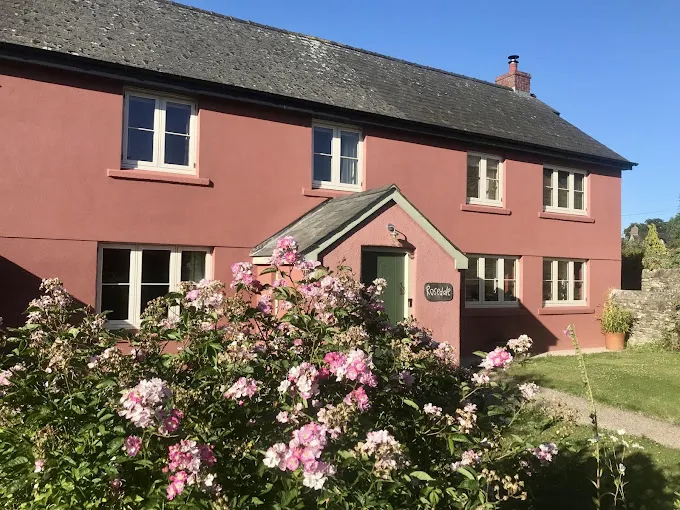
Expert House Rendering Swansea: Transform Your Home
House rendering Swansea services protect and beautify external walls – discover render types, costs, and how to choose a qualified local specialist for lasting results.
Table of Contents
- What Is House Rendering and Why It Matters
- Render Types Suited to Swansea Properties
- House Rendering Costs in Swansea
- Choosing the Right Rendering Contractor
- Frequently Asked Questions
- Render System Comparison
- Coloured Rendering South Wales
- Practical Tips for Your Rendering Project
- Key Takeaways
- Sources & Citations
Article Snapshot
House rendering Swansea is the application of a protective and decorative coating to external walls, shielding properties from Wales’s heavy rainfall, coastal salt air, and wind-driven moisture. Modern systems including silicone, monocouche, and cement render offer durable, low-maintenance finishes that improve appearance and add measurable value to your property.
House Rendering Swansea in Context
- Rendering in Swansea costs between £30 and £60 per square metre depending on render type and wall condition (House Rendering UK, 2026)[1]
- Modern rendering adds a price premium of up to 15% compared to similar unrendered properties (House Rendering UK, 2026)[1]
- A gas-heated detached property with external insulation and render saves £455 per year in fuel bills (Energy Saving Trust, 2026)[2]
- The average cost to render a house in the UK is £5,000, ranging from £2,500 for a two-bedroom bungalow to £8,300 for a four-bedroom detached house (MyJobQuote, 2026)[3]
What Is House Rendering and Why It Matters
House rendering Swansea is the process of applying a protective mortar or polymer-based coating to the external walls of a property, forming a weatherproof barrier that guards against rain penetration, damp, and structural deterioration. As Rees Bros Swansea Ltd note, “Rendering is a popular choice for protecting homes in Swansea, as it helps keep moisture out and prevents long-term damage.” (Rees Bros Swansea Ltd, 2026)[4] In a region where annual rainfall is among the highest in the UK and coastal conditions expose properties to salt-laden air, a correctly specified and properly applied render system is not simply a cosmetic choice – it is a fundamental component of building maintenance and long-term property protection.
Coloured Rendering South Wales, based in Swansea and operating across the region since 1998, provides the full range of external rendering and plastering services described in this guide. Beyond structural protection, external rendering transforms the visual character of a home. Properties with cracked, stained, or pebble-dashed walls appear tired and dated, reducing kerb appeal and market value. A fresh render system – whether in a contemporary smooth finish or a traditional textured style – dramatically alters how a property looks and how it performs over decades.
Rendering also serves a functional role in improving thermal performance when combined with insulation systems. External wall insulation fitted beneath a render finish reduces heat loss through solid walls, lowering energy bills and carbon emissions. This article covers the main render types available to Swansea property owners, typical costs, how to select a qualified contractor, and the practical steps that lead to a successful project outcome.
Call Us
Why Swansea’s Climate Makes Rendering Essential
Swansea’s location on the Bristol Channel exposes properties to persistent south-westerly winds carrying moisture from the Atlantic. Driving rain is a year-round feature of the local climate, and properties along the Gower Peninsula and seafront areas of Mumbles face additional salt air exposure that accelerates the deterioration of untreated masonry. Traditional brick and block construction absorbs water during wet weather, and if the internal structure becomes saturated, damp patches, mould growth, and structural damage follow.
A well-applied external render creates a continuous surface that sheds rainwater rather than absorbing it. Modern silicone-based systems are simultaneously waterproof and breathable, allowing any moisture that does enter the substrate to evaporate outward rather than becoming trapped. This combination of weather resistance and vapour permeability is especially important for older properties built with solid walls and lime-based mortars, where breathability is critical to preventing trapped damp. Specifying the correct render system for a Swansea property’s age, construction type, and exposure level is the single most important decision in any rendering project.
Render Types Suited to Swansea Properties
Choosing the right render system for a Swansea property depends on wall construction, desired finish, maintenance expectations, and budget – and there is no single solution that suits every building. The Swansea market offers a range of render types, each with distinct characteristics, and understanding the differences allows property owners to make an informed choice rather than defaulting to whatever a contractor happens to supply.
Thin coat silicone render is the premium choice for most modern applications. Applied in a thin layer of around 1.5 mm to 3 mm over a prepared basecoat, silicone render is highly flexible, which means it accommodates minor structural movement without cracking. Its hydrophobic properties cause rainwater to bead and run off rather than soaking into the surface, and its breathable structure allows moisture vapour to escape from the substrate. Self-cleaning properties – where rainwater washes dirt from the surface – mean the finish stays looking fresh for many years with minimal maintenance. Silicone render is available in a broad palette of colours that are resistant to UV fading, making it the ideal choice for properties that need long-term colour retention without repainting.
Monocouche through-colour render is a cement-based system where the colour runs throughout the full thickness of the material. Applied in a single coat, it eliminates the need for a separate painted finish, and because the colour is integral rather than surface-applied, chips and scratches are far less visible. Monocouche render is highly durable and weather-resistant, making it a practical choice for exposed locations. It is available in a range of textures, from fine to coarse, and suits both traditional and contemporary properties throughout South Wales.
One coat cement render provides a cost-effective base that, once cured, is painted in any colour. While it requires periodic repainting to maintain appearance and waterproofing, the lower initial cost makes it a practical solution for properties where the owner intends to take a more hands-on maintenance approach. For coastal Swansea locations such as Mumbles or the Gower, a silicone or monocouche system outperforms cement render over the long term due to superior weather resistance.
External wall insulation systems combine a layer of rigid insulation board mechanically fixed to the external wall with a reinforced basecoat and a silicone or acrylic render finish. This approach significantly improves the thermal performance of solid-walled properties, reducing heat loss and energy bills. For older terraced houses common in areas like Uplands, Sketty, and Brynmill, EWI is one of the few practical ways to improve insulation without internal disruption, and it simultaneously delivers a fresh external appearance. You can read more about EWI Specialists South Wales – expert external wall insulation installations for energy efficiency to understand how these systems work in practice.
House Rendering Costs in Swansea
House rendering costs in Swansea vary according to render type, property size, wall preparation requirements, and access conditions, and understanding the typical price ranges helps property owners budget realistically and evaluate quotes with confidence. Rendering in Swansea costs between £30 and £60 per square metre depending on the render type selected and the condition of the existing substrate (House Rendering UK, 2026)[1]. Across the UK, the average total cost to render a house is approximately £5,000, with a two-bedroom bungalow starting from around £2,500 and a four-bedroom detached house reaching up to £8,300 (MyJobQuote, 2026)[3].
Several factors push costs toward the higher end of the range. Properties with existing failed render require removal and disposal before new render is applied, adding both labour time and material disposal costs. Walls with significant cracking, hollow patches, or damp damage need remedial work prior to rendering. Scaffolding or access equipment adds to overall project cost, particularly for properties with more than two storeys or restricted access. Render type is also a significant cost driver: silicone thin coat systems carry a higher material cost than basic cement render, though the reduction in long-term maintenance expenditure makes them more cost-effective over a ten to twenty year horizon.
A professional renderer completes a rendering project in 7 to 10 days (MyJobQuote Research Team, 2026)[3]. Spray rendering technology reduces this timeline considerably compared to traditional hand application, which is relevant for property developers working to tight construction schedules or homeowners who need to minimise disruption. When comparing quotes, check whether the price includes preparation, primer, mesh reinforcement where required, and a specified number of coats – like-for-like comparison is only possible when each quote covers the same scope of work.
Return on Investment: Value Uplift and Energy Savings
The financial case for house rendering in Swansea extends beyond the immediate cost of the work. “Homes with modern rendering techniques command a price premium of up to 15% compared to similar, unrendered properties.” (House Rendering Experts, 2026)[1] On a Swansea terraced house valued at £180,000, that represents a potential value increase of £27,000 – substantially more than the cost of the rendering work itself.
For properties with external wall insulation installed beneath the render finish, energy savings add a further layer of financial benefit. The Energy Saving Trust reports that “The average fuel bill savings for a gas heated, detached property with external insulation and render is a massive £455 per year.” (Energy Saving Trust, 2026)[2] Those savings accumulate year on year, and when combined with the value premium from improved kerb appeal, the return on investment from a quality rendering project in Swansea is compelling. Properties that benefit from EWI also see a reduction of up to 1,900 kg of carbon dioxide per year (Energy Saving Trust, 2026)[2], which supports improved Energy Performance Certificate ratings – increasingly important for landlords and vendors in the current market.
Choosing the Right Rendering Contractor
Selecting a qualified and experienced rendering contractor in Swansea is the most consequential decision in any external rendering project, because poor workmanship or incorrect material specification creates problems that are expensive to remedy and difficult to detect until they manifest as cracking, damp, or delamination. The rendering sector is not fully licensed in the same way as gas or electrical work, so property owners need to apply their own due diligence to contractor selection.
Start by checking whether the contractor holds relevant trade certifications. For EWI systems specifically, look for Baumit Approved Applicator status or equivalent manufacturer certification, which confirms the contractor has completed formal training in system installation and is authorised to install products carrying manufacturer-backed warranties. City & Guilds Assured accreditation provides additional evidence of formal skills assessment. These credentials are not simply marketing claims – they determine whether a long-term product warranty is valid.
Verified customer reviews are among the most reliable indicators of consistent quality. A contractor with a large number of independently reviewed five-star ratings across multiple projects and property types provides more reassurance than a new company with few or no reviews. Read reviews carefully for references to punctuality, tidiness, communication, and the durability of completed work over time – not just immediate satisfaction at job completion. Ask the contractor for examples of similar projects in Swansea and, where possible, contact previous clients directly.
Obtain a minimum of three written quotations and ensure each covers the same scope. A quote that is significantly lower than competitors omits preparation work, uses inferior materials, or reflects a contractor who underestimates the project requirements. Ask specifically what render system will be used, what preparation is included, whether scaffolding is in the price, and what guarantee or warranty the finished work carries. A professional contractor will provide clear, itemised answers to all of these questions without hesitation. You can also Contact Coloured Rendering South Wales for a free quote or consultation on your rendering project to see what a professional assessment process looks like in practice.
Confirm that the contractor holds adequate public liability insurance. Rendering work involves scaffolding, power tools, and the application of materials that affect neighbouring properties. Insurance protects you and your neighbours if something goes wrong during the project, and any reputable contractor will provide evidence of cover on request.
Your Most Common Questions
How long does house rendering last in Swansea’s climate?
The lifespan of external render depends on the system used and the exposure conditions of the property. In Swansea’s coastal and high-rainfall environment, traditional painted cement render requires repainting every five to ten years and begins to crack or delaminate within fifteen to twenty years if not properly maintained. Modern silicone thin coat systems perform significantly better in wet climates: their hydrophobic, breathable properties prevent water ingress and reduce the freeze-thaw cycling that causes surface cracking. With professional application and appropriate substrate preparation, a quality silicone render system performs well for twenty-five years or more with minimal maintenance. Monocouche through-colour renders offer similar durability and, because there is no painted surface to deteriorate, their appearance holds up well over time without repainting. Properties in particularly exposed locations – coastal seafront homes in Mumbles or wind-facing elevations on the Gower – benefit most from the flexible, weather-resistant characteristics of modern polymer-based systems. Manufacturer-backed warranties on certified EWI systems extend to twenty-five years, providing documented assurance of long-term performance.
Can rendering be applied over existing render in Swansea?
Whether new render is applied over existing render depends on the condition and adhesion of the underlying material. A professional renderer carries out a thorough survey before making a recommendation, using a hammer to tap the surface and listen for the hollow sound that indicates delamination. Areas where the existing render has separated from the substrate must be removed before anything new is applied – overlay on a failed base replicates the same failure in the new material. Where the existing render is sound, adhered well to the substrate, and in good overall condition, it is possible to apply a thin coat system over the top after appropriate surface preparation and priming. This approach reduces project cost and duration compared to full strip-back. However, adding a new render layer over pebbledash or roughcast finishes requires full removal first, as the irregular texture makes it difficult to achieve an adequate bond and uniform finish. In Swansea properties where original render dates back several decades, full removal is more commonly required than overlay, and this should be factored into both the quotation and the project timeline. A reputable contractor always recommends the approach that delivers the most durable result rather than the cheapest short-term option.
Is planning permission needed for house rendering in Swansea?
In most cases, rendering an existing house in Swansea does not require planning permission, as it falls within permitted development rights for residential properties. However, there are important exceptions to be aware of. If your property is a listed building, any external alteration – including rendering – requires listed building consent from the City and County of Swansea council before work begins. Properties in designated conservation areas require prior approval before changes to external appearance are made, and this includes the application of render to walls that were previously unrendered. If you live in a conservation area anywhere in South Wales, including parts of the Gower Heritage Coast or Swansea’s Victorian residential districts, check with the local planning authority before commissioning work. Certain leasehold properties and properties governed by estate covenants also have restrictions on external alterations. For the majority of owner-occupied, non-listed residential properties outside conservation areas, rendering is a straightforward permitted development matter, but confirming this before work starts avoids any risk of enforcement action. A professional rendering contractor familiar with South Wales planning requirements advises on this at the quotation stage.
What is the difference between spray rendering and traditional hand rendering?
Spray rendering uses professional equipment to apply render material to walls under controlled pressure, while traditional hand rendering involves a renderer applying material manually using a trowel. The spray method offers several practical advantages. Application speed is considerably faster – a professional spray rendering team covers the same wall area in significantly less time than hand application, which reduces labour costs and minimises disruption to property occupants. The mechanised process delivers more consistent coverage across the entire wall surface, reducing the risk of variation in thickness that leads to uneven curing and potential cracking. As the Coloured Rendering South Wales Team note, “Modern spray rendering technology offers significant advantages over traditional methods, delivering superior consistency, faster completion times, and enhanced durability.” (Coloured Rendering South Wales Team, 2026)[5] Hand rendering remains appropriate for smaller areas, intricate detailing around windows and reveals, and situations where spray equipment cannot be safely operated. A contractor with capability in both methods is best placed to use each where it is most effective, rather than defaulting to a single approach regardless of project requirements. For large residential and commercial rendering projects in Swansea, spray application is the preferred method among specialist contractors and delivers a superior result.
Comparing Render Systems for Swansea Properties
Selecting the most appropriate render system requires weighing durability, maintenance requirements, initial cost, and suitability for South Wales weather conditions. The table below summarises the key characteristics of the four main render types used on Swansea properties, helping you identify which system best matches your property’s needs and your long-term maintenance preferences.
| Render System | Typical Cost (per m²) | Expected Lifespan | Maintenance Required | Best For |
|---|---|---|---|---|
| Thin Coat Silicone Render | £45-£60 (House Rendering UK, 2026)[1] | 25+ years | Very low – self-cleaning surface | Coastal and exposed properties; low-maintenance priority |
| Monocouche Through-Colour Render | £40-£55 | 20-25 years | Low – no painting required | Traditional and contemporary properties; no-paint finish |
| One Coat Cement Render | £30-£40 (House Rendering UK, 2026)[1] | 15-20 years | Moderate – periodic repainting needed | Budget-conscious projects; painted finish preferred |
| EWI with Silicone Render Finish | £60-£120+ | 25+ years with warranty | Very low – combined insulation and render | Solid wall properties; energy efficiency improvement |
Coloured Rendering South Wales: Local Rendering Specialists
Coloured Rendering South Wales has been delivering professional plastering and spray rendering services across Swansea and the wider South Wales region since 1998. With over 25 years of continuous operation, the company brings a depth of local project experience and technical knowledge that directly benefits property owners navigating the rendering decisions outlined in this guide. Their Home page of Coloured Rendering South Wales – expert spray rendering and external wall insulation services across South Wales provides an overview of the full service range, from thin coat silicone render and monocouche systems through to complete EWI installations and targeted rendering repairs.
The company holds Baumit Approved EWI Applicator status with City & Guilds Assured accreditation, enabling them to install Baumit StarTop premium silicone render and full EWI systems with manufacturer-backed warranties of up to 25 years. This certification is directly relevant to property owners seeking long-term documented protection from their rendering investment – a level of assurance that uncertified contractors cannot provide. Professional spray rendering technology, combined with the expertise to specify materials correctly for Swansea’s coastal climate, means projects are completed faster and to a more consistent standard than traditional hand application alone achieves.
Client reviews consistently reflect the quality and professionalism of the work. “With over 15 years in the building trade I have experienced several different plasterers all offering different styles and finishes. Geoff’s thin coat spray finish render would rival the best and I can’t recommend his team enough to someone thinking of using him.” – Keri Hopkins, Google Review. “We’re 100% happy and wouldn’t hesitate to recommend Jeff. His workmanship is excellent and we’re also very happy with the product he recommended to eradicate the penetrating damp and give our house a great new look and lease of life.” – Alistair Legge, Google Review.
For homeowners and developers in Swansea, Cardiff, Newport, Bridgend, and throughout South Wales, the company provides free initial consultations, detailed written quotations, and ongoing post-project support. To explore Coloured Rendering Swansea – durable and attractive rendering solutions for residential and commercial properties, or to arrange a free property assessment, contact the team directly on 07815 868070 or email geoff@colouredrenderingsouthwales.com.
Practical Tips for a Successful Rendering Project
Preparation is the most important phase of any house rendering project, yet it is also the stage most likely to be cut short by contractors under cost pressure. Before any render material is applied, the existing wall surface must be sound, clean, and free from contamination. Loose or hollow render sections must be removed completely, cracks should be cut out and filled with a compatible repair mortar, and any algae or biological growth should be treated with a suitable biocide and allowed time to die back. Skipping these steps creates a weak foundation that limits the lifespan of the new render regardless of how good the chosen system is.
Always use a compatible primer system before applying the render finish coat. Primers improve adhesion between the substrate and the render, regulate suction rates on porous walls, and help prevent premature drying that causes cracking. For silicone thin coat systems, the primer contains a fine aggregate that provides a mechanical key for the render to bond to. Applying render to an unprimed substrate – even a well-prepared one – risks adhesion failure, particularly on smooth or low-suction surfaces like concrete panels or painted masonry.
Timing and weather conditions matter significantly during application and curing. Rendering should not be applied in temperatures below 5°C or above 30°C, and newly applied render must be protected from direct sunlight, frost, and driving rain during the initial curing period. In Swansea’s changeable climate, checking the forecast for the application window and the days immediately following is a practical step that professional renderers take as standard. Avoid scheduling rendering in late autumn or early winter unless the contractor has experience managing curing conditions in cold, wet weather.
For homeowners planning to access Rendering Repairs South Wales – professional repairs and maintenance for external wall renders before committing to a full re-render, an early professional assessment identifies whether targeted repairs will extend the life of existing render or whether full replacement is the more cost-effective long-term path. Request a written specification alongside your quote so you have a clear record of what materials and processes the project includes – this protects you if disputes arise and ensures the finished work is compared against the agreed scope.
Key Takeaways
House rendering Swansea is a sound investment for any property owner dealing with ageing, damaged, or weather-exposed external walls. The right render system – correctly specified for Swansea’s coastal climate and professionally applied – delivers decades of weather protection, improves kerb appeal, and adds measurable value to your property. Modern silicone and monocouche systems have transformed the maintenance equation, eliminating the repainting cycle that traditional cement render demands. When combined with external wall insulation, a rendering project also addresses energy efficiency in a single programme of work, reducing heating costs year after year.
The key to a successful outcome is choosing a contractor with verifiable credentials, genuine local experience, and the technical knowledge to specify the correct system for your property’s construction type and location. To arrange a free assessment of your property and receive a detailed, itemised quotation, call Coloured Rendering South Wales on 07815 868070, email geoff@colouredrenderingsouthwales.com, or visit the contact page to submit an enquiry online.
Sources & Citations
- House Rendering in Swansea | Exterior Wall Render. House Rendering UK.
https://house-rendering.uk/near-me/swansea/ - Rendering in Swansea – Energy Saving Solutions. South Wales Rendering.
https://www.southwales-rendering.co.uk/rendering-in-swansea/ - How Much Does It Cost to Render a House in 2026? MyJobQuote.
https://www.myjobquote.co.uk/costs/rendering-a-house - Plastering & Rendering: A Guide To Understanding The Difference. Rees Bros Swansea Ltd.
https://reesbrosswansealtd.co.uk/what-is-the-difference-between-plastering-rendering/ - Expert House Rendering Swansea: Transform Your Property. Coloured Rendering South Wales.
https://www.colouredrenderingsouthwales.com/house-rendering-swansea/