
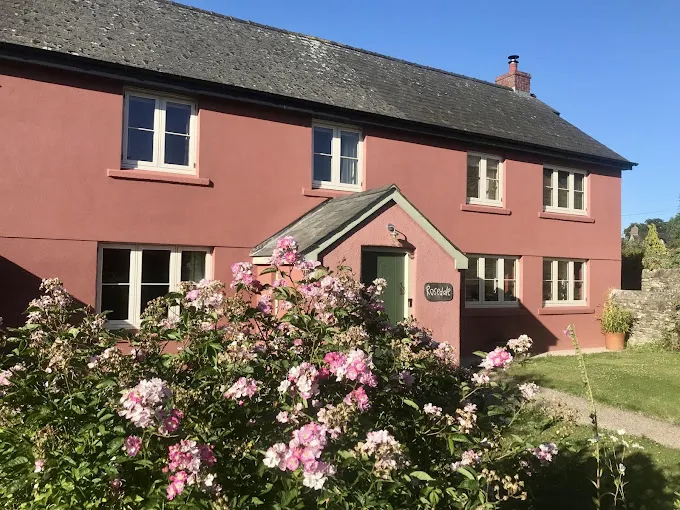
House Rendering Mumbles: Complete Guide
House rendering Mumbles properties requires specialist knowledge of coastal conditions, render types, and application methods – this guide covers everything you need to know before starting your project.
Table of Contents
- What Is House Rendering?
- Render Types Suited to Mumbles Properties
- The Spray Rendering Application Process
- Costs, Planning and What to Expect
- Frequently Asked Questions
- Render Systems Compared
- Coloured Rendering South Wales
- Practical Tips for Mumbles Homeowners
- Key Takeaways
- Sources & Citations
Article Snapshot
House rendering Mumbles is the process of applying a protective and decorative coating to external walls, chosen to withstand the coastal climate of Mumbles and the wider Swansea Bay area. The right render system combines weather resistance, breathability, and low maintenance to protect your property for decades.
House Rendering Mumbles in Context
- Pebbledash render application costs between £60 and £80 per m² including labour, materials and aggregate (P3 Plastering, 2025)[1]
- Average wait time to begin a midsize home remodelling project, including rendering, was 9.3 weeks (Houzz, 2021)[2]
- That wait time represented a 3.9-week increase compared to the previous year, reflecting strong demand for exterior improvement services (Houzz, 2021)[2]
What Is House Rendering and Why Does It Matter in Mumbles?
House rendering Mumbles is the application of a protective coating – cement, silicone, monocouche, or lime-based – to external masonry walls, shielding the structure from wind-driven rain, salt air, and freeze-thaw cycles that are particularly intense along the Gower Peninsula coastline. Coloured Rendering South Wales has been specifying and installing render systems for coastal and inland properties across South Wales since 1998, and the team understands exactly why the Mumbles environment demands a different approach to render selection than inland areas of the UK.
Mumbles sits at the western edge of Swansea Bay, exposed to prevailing south-westerly winds carrying salt-laden moisture from the Bristol Channel. Properties here face some of the most demanding external wall conditions found anywhere in Wales. Standard cement renders that perform adequately in sheltered inland locations crack, delaminate, and allow water ingress within a few years when subjected to coastal exposure. Selecting the correct render system from the outset prevents costly remedial work and protects the structural integrity of your walls.
Beyond protection, rendering transforms the visual character of a property. Many homes in Mumbles date from the Victorian and Edwardian periods, with solid stone or brick walls that benefit enormously from a fresh rendered finish – both aesthetically and in terms of thermal performance. A well-chosen coloured render eliminates the recurring cost of external painting, improves kerb appeal, and meaningfully increases market value. For properties with solid walls, combining an insulating board system with a quality render finish addresses heat loss and appearance in a single installation.
Call Us
Coastal Exposure and Render Failure
Render failure in coastal locations follows a predictable pattern. Salt crystallisation within the render matrix causes micro-cracking, which allows moisture to penetrate. Freeze-thaw action then widens those cracks, and the cycle accelerates until hollow patches and delamination become visible. Choosing a flexible, water-repellent render – rather than a rigid cement-heavy system – breaks this cycle. The key specification criteria for Mumbles properties are flexibility to accommodate wall movement, low water absorption, and breathability to allow trapped moisture to escape without blistering the surface.
Render Types Suited to Mumbles Properties
Three principal render systems are well-suited to house rendering Mumbles projects, each offering a different balance of cost, aesthetics, durability, and maintenance requirements. Understanding the characteristics of each system allows property owners to match the specification to their building type, budget, and long-term goals.
Thin Coat Silicone Render
Thin coat silicone render is the preferred specification for exposed coastal properties in Mumbles and across the Gower Peninsula. Applied in layers 1.5-3mm thick over a reinforced basecoat, silicone render is both waterproof and vapour permeable – a combination that is important for older solid-wall properties where moisture management within the wall structure matters as much as surface protection. P3 Plastering Experts describe silicone render’s advantages concisely: “It’s water resistant, it’s low maintenance, it doesn’t need painting, it’s breathable, it has a crisp clean finish, there are a nice choice of colours.”[3] The self-cleaning properties of silicone renders are a particular benefit in coastal environments where airborne salt deposits and green algae growth would otherwise require regular washing down. Colours are integral to the material and UV-stable, so there is no painting cycle to manage.
For homeowners considering an EWI Specialists South Wales installation, thin coat silicone render is the standard finish coat applied over the insulation board and reinforcing mesh, combining thermal improvement with a durable decorative surface in a single system.
Monocouche Through Colour Render
Monocouche render – meaning single coat – is a cement-based system pre-coloured throughout its full thickness. Because the colour runs through the entire depth of the material, any surface weathering or minor abrasion does not reveal a differently coloured substrate beneath. This characteristic suits properties in Mumbles where driving rain and wind-borne grit gradually erode surface finishes over time. Monocouche is spray applied or hand applied depending on the project, and it is available in a range of textures from fine scratched to coarser roughcast. It requires no painting and is highly resistant to the damp conditions characteristic of South Wales winters.
Lime Render
For period properties – particularly Victorian and Edwardian stone cottages common in the Mumbles village area – lime render is the most appropriate specification. Its inherent flexibility accommodates the natural movement of old masonry, and its high breathability allows moisture that has accumulated within thick stone walls over decades to migrate outward without becoming trapped. P3 Plastering Experts note that lime render is “flexible, breathable, has an attractive traditional look, is relatively low maintenance, and is eco friendly.”[3] Lime render requires a more skilled application technique and a longer curing period than modern systems, but its compatibility with traditional construction materials makes it the specification of choice where building conservation principles apply.
The Spray Rendering Application Process
Professional spray rendering delivers faster, more consistent results than hand application, making it the preferred method for house rendering Mumbles projects where quality and efficiency both matter. Understanding the stages of a spray rendering installation helps property owners plan accurately and set realistic expectations for project duration and access requirements.
Preparation and Surface Assessment
Every successful render installation begins with thorough substrate preparation. Loose or contaminated material is removed, existing cracks are cut back and filled with compatible repair mortar, and any areas of hollow render are hacked off and rebuilt before the new system is applied. This stage is not optional – applying a new render over a compromised substrate replicates the failure in the new coating. For properties with existing pebbledash or cement render, the decision to remove or render over the existing coating depends on the adhesion and condition of what is in place. A tap test across the wall surface quickly reveals hollow areas that must be addressed.
Primers are applied where specified by the render system manufacturer, ensuring adequate adhesion and controlling substrate suction. Window and door frames, soffits, and adjacent surfaces are carefully masked before spray application begins. Learn more about our experienced team and rendering expertise to understand the preparation standards we bring to every project in Mumbles and across South Wales.
Spray Application and Finishing
Spray application deposits the render material at consistent thickness across the entire wall surface simultaneously, eliminating the variations in build and texture that occur with hand application. For thin coat silicone systems, a reinforced basecoat is applied first and allowed to cure before the finish coat is sprayed. For monocouche, a single coat is applied and then worked to the specified texture using a sponge float or scratcher while the material is still green. Spray equipment is calibrated to the viscosity of each render product, and experienced operators adjust application pressure and nozzle distance to achieve the manufacturer’s specified coverage rate.
Scaffold access is required for most full-house rendering projects in Mumbles. The coastal location means wind conditions need to be factored into scheduling – spray application is not suitable in conditions where wind speed would affect material deposition or cause the render to dry too rapidly. A two-storey semi-detached property is spray rendered in two to three days once scaffold is in position and the substrate is prepared, compared to four to five days using traditional hand application methods.
Quality Control and Curing
Once applied, house rendering Mumbles projects require appropriate curing conditions to develop full strength and adhesion. In hot, dry, or windy weather, freshly applied render should be protected from rapid surface drying using damp hessian or polythene sheeting. In cold weather, temperatures below 5°C prevent proper hydration of cement-based renders, so scheduling should account for seasonal conditions – a consideration that is particularly relevant in Mumbles during the autumn and winter months when Atlantic weather systems bring unpredictable temperature drops. Final inspection covers colour consistency, texture uniformity, edge detailing around windows and architectural features, and the integrity of movement joints where specified.
Costs, Planning and What to Expect
Understanding render costs and project planning requirements allows Mumbles homeowners to budget accurately and avoid the delays and frustrations that come from underestimating the scope of an external rendering project. Costs vary depending on the render system chosen, the condition of the existing substrate, access requirements, and the area to be covered.
Pebbledash render, one of the older systems found on many South Wales properties, costs between £60 and £80 per m² including labour, materials, and aggregate (P3 Plastering, 2025)[1]. Modern thin coat silicone and monocouche systems are priced differently depending on the specification, so obtaining detailed quotations that break down materials, preparation, scaffold, and application separately allows for meaningful comparison between contractors. Be cautious of quotations that omit scaffold costs or do not specify the render product and thickness – these omissions lead to cost increases once work is under way.
Demand for rendering services across South Wales has remained strong, and homeowners should plan ahead when scheduling projects. Industry data indicates that the average wait to begin a midsize home remodelling project – including rendering – was 9.3 weeks (Houzz, 2021)[2], with that figure representing a 3.9-week increase on the previous year (Houzz, 2021)[2]. Planning your project three to four months ahead of your preferred start date is a sensible approach, particularly for spring and summer installations when demand peaks across the region.
For properties on the Mumbles seafront or in conservation areas, check with Swansea Council whether any permitted development restrictions apply to external wall treatments. Listed buildings or properties within designated conservation zones require planning permission before render is applied or removed. UK Building Regulations – Approved Documents provide the relevant standards for external wall systems, including thermal performance requirements for EWI installations.
Getting an Accurate Quote
A reliable quotation for house rendering in Mumbles should include a site visit before any figures are confirmed. Wall area measurements, substrate condition assessment, scaffold specification, render system selection with product names and thicknesses, preparation scope, and programme duration should all be clearly set out. Rendering Repairs South Wales services address situations where full re-rendering is not required – partial repairs to localised damage extend the life of an otherwise sound existing render at a fraction of full replacement cost.
Your Most Common Questions
How long does house rendering last on a coastal property in Mumbles?
The lifespan of external render on a coastal Mumbles property depends heavily on the render system specified and how well the substrate was prepared. Thin coat silicone renders installed over a correctly reinforced basecoat perform for 20 to 25 years without significant maintenance in coastal environments, because their flexibility prevents the micro-cracking that allows salt and water ingress. Monocouche through colour renders are similarly durable, with a lifespan of 15 to 25 years depending on wall movement and exposure. Traditional cement renders are less suitable for exposed coastal locations because their rigidity leads to cracking as walls expand and contract with temperature changes – as 1st Associated Independent Surveyors note, cement render “works well on more modern properties that do not move very much” but causes problems on older properties where differential movement occurs (1st Associated Independent Surveyors, 2025)[4]. Baumit StarTop silicone render systems installed by a certified Baumit Approved EWI Applicator carry manufacturer-backed warranties of up to 25 years, providing documented long-term protection.
Can I have my Mumbles property rendered in winter?
Rendering proceeds through the autumn and early winter months in Mumbles provided temperatures remain consistently above 5°C during application and for at least 24 hours afterwards. Below this threshold, the chemical hydration process in cement-based renders slows or stops, leading to weak, friable coatings that fail prematurely. Silicone and acrylic renders have similar minimum temperature requirements specified by their manufacturers. The practical implication for Mumbles homeowners is that November through February carries the greatest scheduling risk, and experienced rendering contractors monitor weather forecasts closely and pause work when conditions deteriorate. Scaffolding in an exposed coastal location also requires additional ties and inspection during stormy weather. Spring and early summer installations, March through July, offer the most reliable conditions for render application and curing along the Gower coast. If your project cannot wait, a good contractor will schedule application around forecast weather windows and take steps to protect freshly applied render from frost, driving rain, and excessive wind during the curing period.
Do I need planning permission to render my house in Mumbles?
Most standard house rendering projects in Mumbles fall within permitted development rights, meaning planning permission is not required. However, there are several exceptions that Mumbles homeowners must check before proceeding. Listed buildings require listed building consent before any external rendering work, including repairs or changes to existing render. Properties within conservation areas – and parts of Mumbles village have conservation area status – require prior approval if the rendering would materially alter the external appearance of the building. Properties subject to Article 4 Directions, which remove standard permitted development rights in certain designated areas, must also obtain consent. The most reliable approach is to contact Swansea Council’s planning department before instructing a contractor, particularly if your property is listed, in a conservation area, or if you are installing external wall insulation, which adds bulk to the wall and affects window reveals and architectural detailing in ways that require approval. Your rendering contractor should be familiar with local planning requirements and able to advise on whether your project is likely to need consent.
What are the signs that my existing render needs replacing rather than repairing?
The distinction between a render that is economically repaired and one that requires full replacement comes down to the extent and pattern of failure. Isolated hairline cracks – particularly around window and door openings where stress concentrates – are filled and sealed successfully. As 1st Associated Independent Surveyors advise, “We would always recommend filling hairline cracks as quickly as possible” (1st Associated Independent Surveyors, 2025)[4], because early intervention prevents water ingress that accelerates deterioration. However, widespread hollow areas revealed by tapping the surface, large areas of delamination or bulging, persistent damp penetration through the wall, or evidence of failed adhesion between the render and the substrate all indicate that patching is no longer viable. When more than 25 to 30 percent of a rendered elevation is hollow or detached, the cost-effectiveness of patch repairs diminishes and full removal and re-rendering becomes the better long-term investment. A professional survey before committing to either approach is always worthwhile – Rendering Repairs South Wales assessments identify the most cost-effective course of action for your specific situation.
Render Systems Compared for Mumbles Properties
Choosing the right render system for a Mumbles property involves balancing coastal durability, aesthetic preferences, maintenance requirements, and budget. The table below compares the four most common systems against the criteria that matter most for exposed South Wales coastal locations.
| Render System | Coastal Suitability | Maintenance Required | Typical Lifespan | Best For |
|---|---|---|---|---|
| Thin Coat Silicone Render | Excellent – flexible, waterproof, breathable | Very low – self-cleaning properties | 20-25 years | Modern and period properties requiring long-term protection |
| Monocouche Through Colour Render | Good – weather-resistant, through-coloured | Low – no painting required | 15-25 years | New builds and contemporary renovation projects |
| Lime Render | Good for solid stone/brick – highly breathable | Low-moderate – periodic lime wash or repair | 20-30 years with maintenance | Victorian and Edwardian period properties |
| Cement Render (Standard) | Limited – rigid, prone to cracking at coast | Moderate – painting and crack repair required[4] | 10-15 years in coastal exposure | Sheltered inland properties only |
Coloured Rendering South Wales
Coloured Rendering South Wales has been delivering specialist plastering and spray rendering services across South Wales since 1998, with a particular depth of experience on coastal properties in Mumbles, the Gower Peninsula, Swansea, and the wider region. The company holds Baumit Approved EWI Applicator status with City & Guilds Assured accreditation, enabling installation of Baumit StarTop premium silicone render and complete external wall insulation systems with manufacturer-backed warranties of up to 25 years – a level of certified assurance that informal or uncertified rendering work cannot provide.
Our services cover the full spectrum of exterior and interior work: thin coat silicone render, monocouche through colour render, one coat cement render, external wall insulation, rendering repairs, and internal plastering. Whether your Mumbles property needs a complete re-render, targeted repairs to localised damage, or a full EWI installation to reduce heating costs and improve the building’s appearance, we provide a free assessment and detailed quotation before any work begins.
Clients across South Wales consistently recognise the quality and reliability of our work. “Geoff’s thin coat spray finish render would rival the best and I can’t recommend his team enough to someone thinking of using him. His professionalism and work ethic has stood out from many of the others we have worked with.” – Keri Hopkins, Google Review
“We’re 100% happy and wouldn’t hesitate to recommend Jeff. His workmanship is excellent and we’re also very happy with the product he recommended to eradicate the penetrating damp and give our house a great new look and lease of life.” – Alistair Legge, Google Review
Our perfect 5.0 Google rating across numerous independently verified reviews reflects the consistent standard we bring to every project. Explore our completed work at the Gallery – view examples of our high-quality spray rendering and repair work, or visit the home page of Coloured Rendering South Wales – expert spray rendering and external wall insulation services across South Wales to learn more about our full service range. When you are ready to discuss your Mumbles property, contact Coloured Rendering South Wales for a free quote or consultation on your rendering project – call us on 07815 868070 or email geoff@colouredrenderingsouthwales.com.
Practical Tips for Mumbles Homeowners
Getting the best outcome from a house rendering project in Mumbles requires attention to a handful of practical considerations that are specific to the coastal environment and the type of properties found in the area.
Choose your render system for the environment first, aesthetics second. The visual appeal of a coloured render finish is only sustainable long-term if the system underneath handles salt air, driving rain, and the freeze-thaw cycles that Mumbles experiences each winter. A qualified rendering contractor will specify the system based on your wall construction, exposure rating, and substrate condition – be cautious of any contractor who leads with colour charts before assessing your walls.
Insist on a pre-application survey. Before any rendering begins, the existing wall surface should be assessed for hollow areas, contamination, rising damp, and structural movement. Skipping this step and applying render directly over a compromised substrate is the single most common cause of premature render failure. Ask your contractor to walk you through the survey findings and confirm what preparation work is included in the quotation.
Factor scaffold costs into your budget from the start. Mumbles properties have restricted access – narrow lanes, neighbouring walls close to the property boundary, or seafront terraces where scaffold erection requires additional planning. Get scaffold specifications and costs confirmed in writing before accepting any quotation, and check whether the scaffold will need to be erected on a neighbouring property’s land, which requires separate agreement.
Act quickly on early signs of render distress. Minor cracking around window and door openings, hairline surface crazing, or small areas of hollow render are far cheaper to address when first noticed than after a winter of water ingress has accelerated the damage. An annual visual inspection of your rendered walls – particularly after periods of heavy rain and frost – allows you to identify and remedy problems before they become expensive. Property Care Association resources provide useful guidance on diagnosing external wall problems including render failure and associated damp issues.
Consider through-coloured or self-coloured renders if long-term maintenance reduction is a priority. Properties on the Mumbles seafront benefit from render systems that do not require repainting – the combination of salt air, UV exposure, and damp conditions degrades paint films quickly in this location, and the cost of regular repainting over a 25-year period comfortably exceeds the premium of choosing a coloured render system at the outset.
Key Takeaways
House rendering Mumbles projects demand a specification approach that puts coastal durability at the centre of every decision. The combination of salt air, high rainfall, and Atlantic weather systems means that render systems suited to sheltered inland properties do not perform well on Gower Peninsula homes – and the cost of getting the specification wrong is a premature re-render rather than a generation of low-maintenance protection.
Thin coat silicone render, monocouche through colour render, and lime render each offer a proven pathway to long-lasting, weather-resistant external walls when installed correctly on an appropriately prepared substrate. The difference between a render that lasts 25 years and one that fails within a decade comes down to system selection, substrate preparation, and the skill of the applicator.
To discuss the right render system for your Mumbles property, contact Coloured Rendering South Wales directly. Call 07815 868070, email geoff@colouredrenderingsouthwales.com, or use the contact form at colouredrenderingsouthwales.com/contact to arrange a free site assessment.
Sources & Citations
- House Rendering – A Look At the Different Types Available. P3 Plastering.
https://p3plastering.co.uk/rendering-look-different-types-house-rendering/ - Remodeling Activity Booms and Project Wait Times Grow. Houzz.
https://www.houzz.com/magazine/remodeling-activity-booms-and-project-wait-times-grow-stsetivw-vs~148632210 - House Rendering – A Look At the Different Types Available. P3 Plastering Experts.
https://p3plastering.co.uk/rendering-look-different-types-house-rendering/ - Render problems render cracking. 1st Associated Independent Surveyors.
http://www.1stassociated.co.uk/articles/Render-problems-render-cracking.asp