
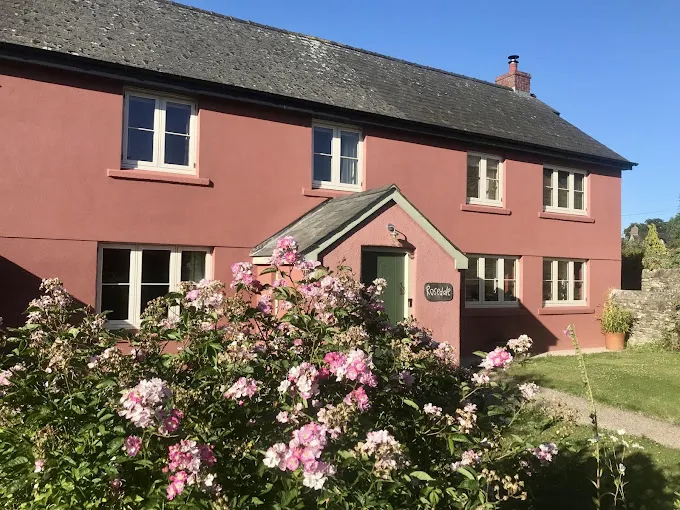
Expert External Rendering Swansea: Complete Guide
External rendering Swansea homeowners and property developers need covers everything from silicone and monocouche systems to cement render – this guide explains your options, costs, and how to choose the right finish for South Wales conditions.
Table of Contents
- What Is External Rendering?
- Render Types for Swansea Properties
- Costs, Planning, and the Rendering Process
- Weather Performance and Long-Term Durability
- Frequently Asked Questions
- Comparing External Rendering Systems
- Coloured Rendering South Wales
- Practical Tips for Your Rendering Project
- The Bottom Line
- Sources & Citations
Article Snapshot
External rendering Swansea is the process of applying a protective and decorative coat of render to the outside walls of a property. It shields brickwork from rain, wind, and coastal salt air while improving kerb appeal. Modern systems such as silicone and monocouche render offer low-maintenance, long-lasting finishes suited to the Welsh climate.
External Rendering Swansea in Context
- Typical cost for house rendering in Swansea: £30–£60 per square metre (House Rendering UK, 2026)[1]
- Pre-1919 solid-wall houses lose twice as much heat through their walls compared to cavity-wall properties (South Wales Rendering Network, 2026)[2]
- Silicone render holds an exceptional durability rating among common render types available in Swansea (Coloured Rendering South Wales, 2026)[3]
- Properties built before 1919 are the most likely to benefit from external rendering for both weather protection and thermal performance (South Wales Rendering Network, 2026)[2]
What Is External Rendering and Why Does It Matter in Swansea?
External rendering Swansea is the application of a protective and decorative material – whether cement, silicone, acrylic, or monocouche – to the outer walls of a building to guard against moisture, improve thermal efficiency, and enhance the property’s appearance. Coloured Rendering South Wales, based in Swansea and operating across the region since 1998, specialises in exactly this type of work, bringing over 25 years of direct experience with the conditions that South Wales properties face.
Swansea sits on the coast of South Wales, meaning its buildings endure some of the UK’s most demanding weather. Driving rain from the south-west, salt-laden air from Swansea Bay, and persistent damp all accelerate the deterioration of unprotected masonry. Exposed brickwork and aging original renders crack, absorb moisture, and allow water ingress – problems that compound quickly in a maritime climate. External render acts as a continuous weatherproof skin, sealing the substrate and preventing the cycle of wetting and drying that causes damage.
There is also a strong energy-efficiency argument. Pre-1919 solid-wall houses lose twice as much heat through their walls compared to cavity-wall properties (South Wales Rendering Network, 2026)[2]. When external rendering is combined with an external wall insulation system, the thermal performance of these older terraced and semi-detached homes – so common across Swansea, Sketty, and the Gower peninsula – is transformed dramatically.
Call Us
As Rees Bros Swansea Ltd note, “External render is a great way to protect your building from water damage, as well as adding a decorative finish.”[4] That dual purpose – protection and aesthetics – is why demand for spray rendering in Swansea continues to grow among homeowners, landlords, and developers alike. Understanding which system suits your property is the first step toward a successful outcome.
Render Types for Swansea Properties
Choosing the right render system for a Swansea property depends on the wall construction, the degree of weather exposure, the desired finish, and the long-term maintenance budget. Each of the main render types has specific strengths, and the coastal and high-rainfall environment of South Wales makes system selection more consequential than in drier inland areas.
Thin Coat Silicone Render
Thin coat silicone render is widely regarded as the premium choice for external wall finishing in exposed coastal locations. Applied in a layer just 1.5–3 mm thick over a reinforced base coat, silicone render offers outstanding flexibility that prevents cracking as the building naturally moves. Its polymer formulation creates a surface that is simultaneously waterproof and vapour-permeable – water cannot penetrate inward, but moisture already within the wall escapes outward. This breathability is important for older solid-wall properties that would otherwise trap damp behind an impermeable skin.
The self-cleaning properties of silicone render are particularly valuable in Swansea’s salt-air environment. Rain washes dirt from the hydrophobic surface rather than allowing it to accumulate, keeping the finish looking fresh with minimal maintenance. Silicone render holds an exceptional durability rating among common render types (Coloured Rendering South Wales, 2026)[3], making it a sound long-term investment for properties near the coast. Baumit’s guidance on facade renders and paints provides further technical detail on how silicone-based systems perform in demanding environments.
Monocouche Through Colour Render
Monocouche render is a single-coat, through-coloured cement-based system in which the pigment runs uniformly through the entire thickness of the render. Because there is no paint layer to fail, the colour is permanent – it will not peel, flake, or require repainting over its lifespan. This makes monocouche a particularly cost-effective choice for landlords and developers managing multiple properties in areas such as Bridgend, Newport, and Cardiff, where ongoing maintenance budgets must be controlled. Coloured Rendering Swansea – durable and attractive rendering solutions for residential and commercial properties covers the specific options available for Swansea homeowners considering through-colour systems.
As House Rendering Experts confirm, “Our commitment to excellence in the rendering process, including options such as monocouche and silicone render, guarantees satisfaction and significantly enhances your home’s exterior.”[1] Monocouche is spray or hand applied and is compatible with brick, block, and concrete substrates – making it versatile across Swansea’s varied housing stock from Victorian terraces to 1970s estates.
One Coat Cement Render
One coat cement render is the traditional base choice for properties where a painted finish is preferred or where budget constraints make through-coloured systems less practical. Applied using professional spray equipment for consistent thickness and coverage, this system delivers the proven durability of cement-based renders in a single-coat process. Once cured, the surface is painted in any colour, giving property owners flexibility to update the appearance over time. It suits commercial buildings, industrial units, and residential properties in less exposed inland locations across South Wales.
Costs, Planning, and the Rendering Process
Understanding the cost structure and planning requirements for external rendering in Swansea helps property owners budget accurately and avoid surprises during the project.
The typical cost for house rendering in Swansea ranges from £30 to £60 per square metre (House Rendering UK, 2026)[1]. This range reflects the significant variation in render systems, substrate conditions, property height, and access requirements. A straightforward bungalow requiring one coat cement render on sound existing walls will sit at the lower end, while a three-storey Victorian semi with deteriorated original render requiring removal, preparation, and a full silicone system with mesh reinforcement will sit at the higher end. Scaffolding costs are a separate line item and should always be factored into total project budgets.
Preparation is the most important phase of any external rendering project. The substrate must be clean, sound, and suitably primed before any render is applied. Hollow or delaminating sections of existing render must be removed; cracks must be cut out and treated; and any areas of rising damp or active water ingress must be addressed before the new system is installed. Skipping preparation to reduce upfront costs is the single most common cause of premature render failure in South Wales properties. As the Coloured Rendering South Wales experts state, “Our team’s extensive experience with Swansea properties provides invaluable insights into local conditions and their impact on different rendering systems.”[5]
Spray Application vs Hand Application
Spray rendering technology delivers the render material at controlled pressure through a nozzle, producing a more consistent layer thickness than hand application and significantly reducing the time required on site. A property that might take four to five days to render by hand is completed in one to two days using professional spray equipment. This faster programme reduces scaffolding hire duration, minimises disruption to occupants, and allows render coats to be applied under more controlled and consistent site conditions. Professional spray application also reduces the variability in finish quality that arises when multiple operatives apply render by hand across a large elevation.
Planning Permission Considerations
In most cases, applying external render to a house in Wales falls within permitted development rights and does not require planning permission. However, properties in conservation areas, listed buildings, and some designated zones across Swansea and the surrounding area are subject to restrictions on the type of finish or colour used. It is always advisable to check with the local planning authority – Swansea City and County Council – before commencing work on a property that is subject to such constraints. Your rendering contractor should also be familiar with these requirements and able to advise accordingly.
Weather Performance and Long-Term Durability
The performance of external render in Swansea is determined in large part by how well the chosen system handles the specific weather patterns of South Wales – and those patterns are significantly more demanding than much of England.
Swansea receives some of the highest annual rainfall of any major UK city. The prevailing south-westerly winds drive rain directly against the western and southern elevations of buildings, creating conditions that test the waterproofing performance of render systems repeatedly over their lifetime. Properties on the Gower Peninsula and in coastal areas such as Mumbles face the additional challenge of salt air, which accelerates surface degradation and causes carbonation and corrosion in cement-rich substrates if they are not adequately protected.
Silicone Render in Coastal Conditions
For properties in Swansea’s most exposed locations – particularly those within sight of the sea – thin coat silicone render is the specification that best balances protection, durability, and low maintenance. The silicone polymer chains within the binder create a surface energy that repels liquid water while remaining open to water vapour transmission. This means the render does not trap moisture within the wall during periods of heavy rainfall; instead, the wall breathes freely during dry spells. Over a five-year period on a seafront property in Mumbles, this system showed no signs of deterioration despite significant salt air and driving rain exposure, with the self-cleaning surface maintaining its appearance with minimal maintenance.
Thermal Performance and EWI
When external rendering is combined with external wall insulation, the thermal benefits are substantial. Homes built before 1919 – which account for a significant proportion of Swansea’s housing stock in areas such as Sketty, Uplands, and St Thomas – have solid walls with no cavity, making them difficult to insulate by conventional means. An EWI system fixes insulation boards to the outer face of the wall and applies a reinforced render finish over the top, dramatically reducing heat loss without requiring any internal works. This approach cuts heating costs significantly while simultaneously renewing the property’s external appearance. For more on this, our EWI Specialists South Wales – expert external wall insulation installations for energy efficiency page covers the full range of systems available.
Maintenance and Lifespan
Modern render systems, when correctly specified and applied, require very little ongoing maintenance. Silicone renders are designed to last 20–25 years or more without repainting. Monocouche systems have comparable lifespans, with the through-colour design meaning there is no surface paint layer to fail. One coat cement renders will eventually require repainting – typically every 8–12 years depending on exposure – but the underlying render itself lasts for decades if the surface is maintained. Any render system benefits from periodic inspection, particularly around window and door reveals, expansion joints, and flashings, where water finds entry points if sealants deteriorate.
Your Most Common Questions
How long does external rendering in Swansea take?
The duration of an external rendering project in Swansea depends on the size of the property, the system being installed, and whether scaffolding is required. A standard three-bedroom semi-detached house using spray application technology is rendered in one to two days once the scaffold is in place and the substrate is prepared. Hand application of the same property takes four to five days. Larger detached houses or properties requiring full substrate removal and preparation will naturally take longer. EWI systems add additional time for insulation board installation and mechanical fixing before the render coats are applied. When planning your project, allow for drying and curing times between coats – silicone and acrylic systems require 24 hours between the base coat and finish coat under normal South Wales conditions. Your rendering contractor should provide a clear programme at the quotation stage so you can plan accordingly around work schedules and occupancy.
What is the best type of render for a coastal property in Swansea?
For properties in Swansea’s coastal locations – including Mumbles, the Gower Peninsula, Oystermouth, and the waterfront areas of the city itself – thin coat silicone render is the most appropriate specification. Silicone render’s combination of waterproofing, vapour permeability, flexibility, and self-cleaning properties makes it the system best suited to withstand salt air, high humidity, and the persistent wind-driven rain that characterises the South Wales coast. Its exceptional durability rating (Coloured Rendering South Wales, 2026)[3] means it is a sound long-term investment that will not require repainting and resists algae and moss growth better than cement-based systems. Monocouche through colour render is a strong second choice where budget constraints exist, offering good weather resistance and a maintenance-free coloured finish. One coat cement render is better suited to less exposed inland sites rather than the coastal fringe, unless it is specified as part of an EWI system with a silicone or acrylic finish coat.
Does external rendering add value to a property in South Wales?
Yes – professional external rendering increases a property’s market value and appeal in South Wales. The most immediate benefit is improved kerb appeal: a freshly rendered property with a clean, modern finish stands out positively in estate agent listings and on the street. Beyond aesthetics, rendered properties command higher values because buyers understand that the external envelope is protected from water ingress, reducing the likelihood of damp and structural repair costs in the short to medium term. Where EWI is installed alongside the render, improved EPC ratings further increase value – energy-efficient homes attract premium prices in the current market. A Victorian terraced house in Swansea that received an EWI system with silicone render saw an estimated £15,000 increase in property value alongside a 40% reduction in heating costs. Landlords in Bridgend and surrounding areas have reported being able to achieve higher rental rates following monocouche render installations, with the investment paying for itself within three years through both reduced maintenance costs and improved rental income.
How do I know if my existing render needs replacing or just repairing?
The decision between render repair and full replacement depends on the extent and nature of the deterioration. Small, isolated hairline cracks without associated hollow areas are repairable without removing the surrounding render. However, if tapping the render surface produces a hollow sound over large areas, it indicates that the render has debonded from the substrate – once this occurs, the hollow sections will continue to expand and must be removed before any new render is applied over the top. Widespread cracking, particularly map cracking across an entire elevation, indicates a fundamental failure of the original render system or substrate movement that patch repairs cannot address. Active water ingress through render cracks accelerates deterioration significantly in Swansea’s wet climate. A professional assessment from an experienced rendering contractor should always precede any decision on repair versus replacement. Our Rendering Repairs South Wales – professional repairs and maintenance for external wall renders page provides further detail on common render problems and how they are diagnosed and treated.
Comparing External Rendering Systems for Swansea Properties
Selecting the right external rendering system for a Swansea property involves weighing performance, cost, maintenance requirements, and suitability for local conditions. The following comparison covers the three principal systems used across South Wales residential and commercial properties.
| Render System | Typical Cost (per m²) | Maintenance Requirement | Coastal Suitability | Colour Permanence | Best For |
|---|---|---|---|---|---|
| Thin Coat Silicone Render | Higher end of £30–£60[1] | Very low – self-cleaning surface | Excellent – flexible, breathable, salt-resistant | Long-lasting pigmented finish, no repainting | Coastal properties, older solid-wall homes, EWI finish coats |
| Monocouche Through Colour Render | Mid-range of £30–£60[1] | Low – no painting required | Good – weather resistant, not as flexible as silicone | Through-colour, no surface paint to fail | New builds, housing developments, landlord portfolios |
| One Coat Cement Render | Lower end of £30–£60[1] | Moderate – periodic repainting required | Moderate – suitable for less exposed sites | Painted finish, colour updated by repainting | Inland properties, commercial buildings, budget renovations |
Coloured Rendering South Wales
Coloured Rendering South Wales is Swansea’s established external rendering specialist, delivering high-quality spray rendering and plastering services across South Wales since 1998. Our team brings over 25 years of direct experience with the full range of external rendering Swansea properties require – from thin coat silicone render on exposed coastal homes to monocouche through colour systems on new build developments in Cardiff and Newport.
As a Baumit Approved EWI Applicator with City & Guilds Assured accreditation, we are certified to install Baumit StarTop premium silicone render and complete external wall insulation systems with manufacturer-backed warranties of up to 25 years. Our spray rendering technology applies render two to three times faster than traditional hand methods, reducing site time, scaffolding costs, and disruption to you and your neighbours.
We carry a perfect 5.0 Google rating built from the consistent quality of our work and the straightforward way we deal with clients. Our service covers the complete lifecycle of your property’s external walls – from initial assessment and specification through to installation and long-term maintenance advice.
“With over 15 years in the building trade I have experienced several different plasterers all offering different styles and finishes. Geoff’s thin coat spray finish render would rival the best and I can’t recommend his team enough to someone thinking of using him. His professionalism and work ethic has stood out from many of the others we have worked with.” – Keri Hopkins, Google Review
“We’re 100% happy and wouldn’t hesitate to recommend Jeff. His workmanship is excellent and we’re also very happy with the product he recommended to eradicate the penetrating damp and give our house a great new look and lease of life.” – Alistair Legge, Google Review
To discuss your project, visit our Home page of Coloured Rendering South Wales – expert spray rendering and external wall insulation services across South Wales, browse our completed projects on the Gallery – View examples of our high-quality spray rendering and repair work, or Contact Coloured Rendering South Wales for a free quote or consultation on your rendering project. Call us directly on 07815 868070 or email geoff@colouredrenderingsouthwales.com.
Practical Tips for Your External Rendering Project
Getting the most from your external rendering investment in Swansea requires careful planning before work begins and attentive maintenance once the project is complete. The following guidance is drawn from experience across hundreds of South Wales properties.
Commission a thorough substrate survey before accepting any quote. The condition of your existing walls will determine which render system is appropriate and how much preparation is needed. Any contractor quoting without physically assessing the walls – checking for hollowness, damp, cracks, and substrate type – cannot price accurately or specify correctly.
Specify your render system for the exposure zone. Swansea and its surrounding coast are classified as a high-exposure zone for wind-driven rain under UK building standards. This means standard inland render specifications underperform in this location. Silicone and polymer-modified systems are specifically formulated for high-exposure conditions; use them on any elevation facing south-west or directly exposed to prevailing weather.
Ensure expansion joints are correctly positioned and detailed. Render is a rigid material applied to a building that moves – thermally, through moisture changes, and through structural settlement. Expansion joints allow controlled movement without cracking the render surface. They must be positioned at intervals specified by the render manufacturer and at all structural junctions. Inadequate jointing is a frequent cause of cracking in otherwise well-applied render systems.
Inspect sealants and flashings annually. The render itself lasts decades, but the mastic sealants around window and door frames, at roof abutments, and at movement joints will need replacing every 10–15 years. These are the points where water most commonly finds its way behind a render system. A brief annual walk around your property to check these details prevents significant repair costs.
Keep drainage clear. Blocked gutters and downpipes direct water down rendered walls, accelerating staining and, over time, promoting moss and algae growth even on silicone surfaces. Clearing gutters twice yearly significantly extends the clean appearance and performance of your render.
Check planning requirements before starting. If your property is in a conservation area – several of which exist across central Swansea, the Mumbles seafront, and parts of Gower – check with the local planning authority before choosing colours or render types, as conditions apply.
The Bottom Line
External rendering Swansea properties to a professional standard protects against the persistent rain, coastal salt air, and thermal challenges that South Wales weather presents year-round. Choosing the right system – silicone for maximum coastal durability, monocouche for permanent through-colour convenience, or cement render for cost-effective painted finishes – makes the difference between a result that performs for decades and one that requires early repair. Correct substrate preparation, proper joint detailing, and the use of spray application technology all contribute to a render installation that genuinely adds value, reduces maintenance, and improves the appearance of your home or commercial building.
If you are planning a rendering project in Swansea or anywhere across South Wales, speak to an experienced local specialist who understands your property’s construction and exposure conditions. Call Coloured Rendering South Wales on 07815 868070, email geoff@colouredrenderingsouthwales.com, or use our contact form to arrange a free assessment and quote.
Sources & Citations
- House Rendering in Swansea | Exterior Wall Render. House Rendering UK.
https://house-rendering.uk/near-me/swansea/ - Rendering in Swansea. South Wales Rendering Network.
https://www.southwales-rendering.co.uk/rendering-in-swansea/ - Ultimate Best House Rendering Swansea Services Guide. Coloured Rendering South Wales.
https://www.colouredrenderingsouthwales.com/best-house-rendering-swansea/ - Plastering & Rendering Swansea | Render Repairs. Rees Bros Swansea Ltd.
https://reesbrosswansealtd.co.uk/plastering-rendering/ - Ultimate Best House Rendering Swansea Services Guide. Coloured Rendering South Wales.
https://www.colouredrenderingsouthwales.com/best-house-rendering-swansea/