
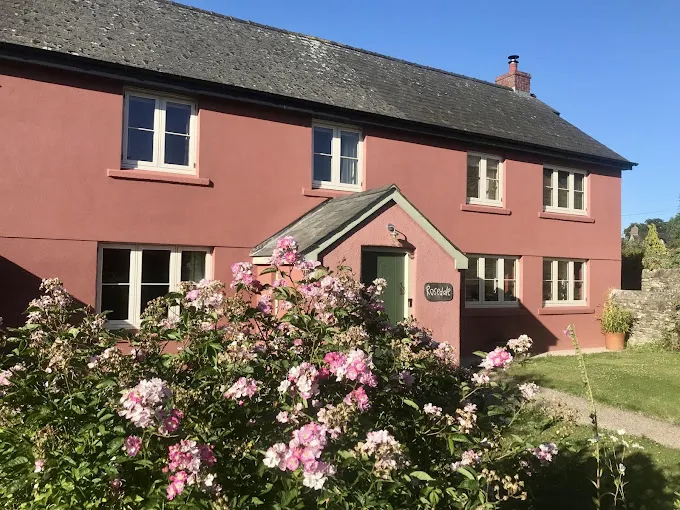
Expert External Rendering Port Talbot Guide
External rendering Port Talbot properties demand weather-resistant systems built for coastal conditions – discover the right render types, costs, and local specialists to protect and transform your home.
Table of Contents
- What Is External Rendering and Why It Matters in Port Talbot
- Render Types Suited to Port Talbot Properties
- The External Rendering Installation Process
- Render Maintenance and Repairs in Port Talbot
- Frequently Asked Questions
- Comparing External Render Systems
- Coloured Rendering South Wales
- Practical Tips for Property Owners
- Final Thoughts on External Rendering Port Talbot
- Sources & Citations
Article Snapshot
External rendering Port Talbot is the application of a protective and decorative coating to external walls to shield properties from rain, wind, and coastal salt air. The right render system – whether silicone, monocouche, or cement-based – delivers durable, low-maintenance weather protection tailored to Port Talbot’s demanding coastal climate.
External Rendering Port Talbot in Context
- External render systems provide weather resistance benefits across all property types, acting as the primary line of defence against wind and rain penetration (Parson Ash, 2026).[1]
- External insulation render systems comprise 4 component layers – insulation material, reinforcing mesh, render base, and finishing coat – for measurable thermal performance improvement (GreenMatch, 2026).[2]
- Traditional render application achieves a final thickness of 15 millimetres, providing a durable protective coating suited to UK weather conditions (Wikipedia, 2026).[3]
- Soft washing render cleaning delivers long-lasting results by eliminating organic growth spores and bacteria at the source rather than surface-level removal (Softwashing UK, 2026).[4]
What Is External Rendering and Why It Matters in Port Talbot
External rendering Port Talbot is the process of applying a protective mortar or polymer-based coating to the outside of a building’s walls, forming a continuous weatherproof skin that shields brickwork and blockwork from the elements. For properties in Port Talbot – a coastal town where salt-laden air, persistent rain, and wind-driven moisture combine to accelerate building deterioration – a correctly specified render system is one of the most valuable investments a property owner can make. Coloured Rendering South Wales, based in Swansea, has been delivering professionally applied external rendering solutions to Port Talbot and the wider South Wales region since 1998.
Port Talbot’s position on Swansea Bay exposes buildings to conditions that are considerably more demanding than those found inland. The combination of coastal salt air and the high rainfall typical of South Wales means that untreated or poorly rendered walls are vulnerable to water ingress, frost damage, and biological growth including algae and moss. External render acts as the primary line of defence against weather conditions including wind and rain penetration (Parson Ash, 2026),[1] and when correctly applied and maintained, a quality render system will protect a property for decades.
Beyond protection, external rendering transforms the visual character of a building. Properties in Port Talbot range from Victorian terraces and 1930s semis through to post-war housing stock and modern commercial buildings, and the right render system updates the appearance of any of these property types dramatically. Through-coloured systems eliminate the need for regular repainting, while modern silicone-based finishes offer self-cleaning properties that keep facades looking fresh with minimal owner effort. For homeowners considering increasing kerb appeal or preparing a property for sale, external rendering delivers both immediate aesthetic improvement and long-term structural protection.
Call Us
The local demand for professional rendering in Port Talbot has grown alongside increased awareness of energy efficiency. When combined with external wall insulation, rendering forms part of a system that substantially reduces heating costs – a particularly relevant benefit for the many solid-walled older properties found throughout the area. Understanding the available render types and their suitability for Port Talbot’s specific conditions is the important first step before commissioning any rendering work. You can explore the full range of expert spray rendering and external wall insulation services available across South Wales to understand which system suits your property.
Render Types Suited to Port Talbot Properties
Choosing the correct render system for a Port Talbot property requires matching the render’s technical characteristics to the building’s substrate, exposure level, and the owner’s maintenance preferences. Several distinct render types are used across the region, each with different performance profiles, application methods, and cost implications.
Thin Coat Silicone Render
Thin coat silicone render is the premium choice for properties in exposed coastal locations such as Port Talbot’s seafront and western-facing suburbs. The silicone polymer formulation creates a surface that is simultaneously waterproof and breathable – it repels driving rain while allowing moisture vapour from within the wall to escape, preventing the trapped condensation that causes traditional cement renders to fail prematurely. The flexibility of silicone render resists the hairline cracking that commonly affects rigid cement-based systems, particularly around window reveals and corners where differential movement occurs. Self-cleaning properties mean that rain washes the surface clean, reducing moss and algae accumulation even in sheltered spots. Thin coat silicone render is applied at just 1.5-3 mm thickness, making it suitable for properties where adding significant bulk to walls is undesirable. Available in a wide range of colours without the fade risk associated with painted finishes, it represents the most durable low-maintenance solution for Port Talbot’s coastal climate.
Monocouche Through Colour Render
Monocouche render is a single-coat, through-coloured cement-based system in which the pigment runs throughout the full depth of the material rather than existing only as a surface paint layer. This means that minor surface abrasion does not expose a different coloured substrate beneath, maintaining a consistent appearance over time. Monocouche is particularly popular for housing developments and renovation projects where a clean, contemporary finish is required without ongoing painting maintenance. The system is compatible with most masonry substrates including brick, block, and concrete, and is spray or hand applied depending on site conditions. For Port Talbot properties, monocouche’s weather-resistant formulation provides solid protection against the local rainfall levels while its through-colour construction eliminates the repainting cycle that traditional sand-and-cement render with a painted topcoat requires.
One Coat Cement Render
One coat cement render provides a cost-effective solution for properties where a painted finish is acceptable or preferred. Modern one-coat systems use spray application technology to achieve consistent thickness across large wall areas, simplifying the traditionally labour-intensive multi-coat cement rendering process. Once cured, the render is painted in the owner’s chosen colour, allowing full flexibility of appearance and easy colour changes at future redecoration. Cement render is a proven, durable substrate for painted external finishes and, when correctly mixed and applied with appropriate primer and paint systems, performs reliably in the wet conditions characteristic of South Wales. It is particularly suited to properties where the owner wishes to maintain a traditionally rendered and painted appearance.
Acrylic render offers high elasticity and multiple colour and texture options (Parson Ash, 2026),[1] making it another viable choice for properties requiring flexibility and aesthetic variety. Factory-manufactured render products allow controlled composition and the inclusion of performance-enhancing additives (Wikipedia, 2026),[3] which is why modern proprietary systems consistently outperform site-mixed renders in exposed locations like Port Talbot. When selecting a render system, consulting with a coloured rendering specialist for durable residential and commercial rendering solutions ensures the specification is matched to your property’s actual exposure conditions rather than a generic recommendation.
The External Rendering Installation Process
Professional external rendering in Port Talbot follows a structured sequence of preparation, application, and finishing stages, each of which directly influences the long-term performance and appearance of the completed work. Understanding what this process involves helps property owners manage expectations around project duration, cost, and the level of disruption to expect.
Preparation and Substrate Assessment
Thorough preparation is the single most important factor in a successful rendering outcome. Before any render material is applied, the existing wall surface must be assessed for soundness. Loose or hollow areas of old render are removed, as applying new render over failing substrate guarantees early delamination. Any cracks in the underlying masonry are repaired, and areas affected by damp or salt contamination are treated to prevent ongoing migration of moisture and minerals into the new render. The wall surface is then primed with a bonding agent or scratch coat appropriate for the substrate type – this creates the mechanical key that holds the render in place and ensures adhesion even under the thermal cycling and moisture exposure that Port Talbot’s climate delivers. For spray-applied systems, the perimeter of the property is masked and protected, and scaffolding or working platforms are erected to allow safe, systematic coverage of all wall faces.
Spray Application Technology
Professional spray rendering applies the render material using specialist pump equipment that delivers a consistent, controlled coat across the wall surface. Spray application is significantly faster than traditional hand application – completing a house in two to three days compared to four or five days for equivalent hand-applied work. The mechanical delivery of material ensures uniform thickness and coverage, eliminating the thickness variations that hand application produces, particularly on large uninterrupted wall areas. For monocouche and silicone render systems, spray application is the recommended method from most system manufacturers because it achieves the optimal density and surface texture specified for maximum weather resistance. The spray process is also less physically demanding than hand rendering, which reduces operator fatigue and maintains consistent quality throughout longer working days on larger projects.
Finishing and Curing
Once the render coat is applied to the correct thickness – traditional systems achieving a final thickness of approximately 15 mm (Wikipedia, 2026)[3] – the surface is finished to the specified texture. Options include smooth float, scraped texture, and pebbled finishes depending on the render system and the owner’s aesthetic preference. The render then requires an appropriate curing period before being exposed to heavy rain or extreme temperature variations. During this period, direct sun and wind cause the surface to dry too quickly, leading to shrinkage cracking, so experienced installers manage site conditions and apply curing compounds where necessary. For external wall insulation systems, additional stages including the fixing of insulation boards, application of reinforcing mesh embedded in adhesive base coat, and application of the finish render coat extend the overall project timeline but deliver the thermal performance benefits that justify the additional work.
Rendering your property with a quality render system makes your home more energy efficient, and if you have internal space constraints preventing additional internal insulation, external rendering is exactly what you need (Painters and Decorators Edinburgh, 2026).[5] The UK Building Regulations Approved Documents provide the technical framework for thermal performance requirements that professionally installed EWI render systems are designed to meet. For a detailed view of what EWI installation involves, the EWI Specialists South Wales service page outlines the full system and its benefits for South Wales properties.
Render Maintenance and Repairs in Port Talbot
Even the best-specified external rendering system requires periodic inspection and maintenance to achieve its full design life, and Port Talbot’s coastal exposure means that neglected render deteriorates faster than in sheltered inland locations. Knowing what to look for and acting promptly on early signs of failure prevents minor issues from escalating into costly full re-rendering projects.
Identifying Common Render Problems
The most frequent render defects encountered on Port Talbot properties are cracking, hollow patches, biological growth, and surface staining. Hairline cracks are common in older cement-based renders and, while small individual cracks appear cosmetic, a network of fine cracks allows water to permeate the render body and reach the wall behind, where freeze-thaw cycles cause progressive spalling. Hollow patches – detectable by tapping the render surface – indicate that adhesion between the render and its substrate has been lost, usually due to original preparation failures or moisture ingress behind the render. Left unaddressed, hollow patches eventually detach and fall away, exposing bare masonry. Biological growth including green algae, black mould streaks, and moss is accelerated by Port Talbot’s damp coastal climate and north-facing or shaded elevations. While primarily aesthetic, sustained biological colonisation retains moisture at the render surface and contributes to deterioration over time. Surface staining from salt deposits, rust run-off from ferrous fixings, and atmospheric pollution is common near the Swansea Bay shoreline.
Repair Versus Full Re-Rendering
Whether isolated repairs or a complete new render system is appropriate depends on the extent and cause of the existing defects. Where problems are limited to defined areas without systemic adhesion failure across the whole wall, targeted patch repairs using colour-matched materials extend the life of sound existing render cost-effectively. Professional repair work involves removing all hollow and defective material back to a sound edge, preparing and priming the exposed substrate, and applying compatible repair mortar in layers that build up to match the surrounding render profile. Colour matching is achievable to a practical standard on monocouche and painted finishes, though a perfect invisible match on weathered render is rarely possible. Where defects are widespread, where the render system has reached the end of its service life, or where the property owner wishes to upgrade from an older painted cement render to a modern low-maintenance system, full removal and re-rendering is the correct approach. Rendering Repairs South Wales – professional repairs and maintenance for external wall renders provides specialist assessment to determine the most cost-effective course of action for each property.
Cleaning and Ongoing Care
Modern silicone and acrylic renders with self-cleaning properties maintain their appearance with minimal intervention, but older painted and cement renders benefit from periodic professional cleaning to remove biological growth and restore the surface appearance. Soft washing – the application of biodegradable cleaning solutions at low pressure – is the recommended method for render cleaning. Unlike high-pressure cleaning, which causes cracks or damage to the render surface, a low-pressure soft wash system uses biodegradable cleaning solutions that penetrate deep into the render, safely killing algae, moss, and organic growth at the root without harming the render (Softwashing UK, 2026).[4] Soft washing delivers long-lasting cleaning results by eliminating organic growth spores and bacteria at the source (Softwashing UK, 2026),[4] preventing rapid re-colonisation. After cleaning, applying a water-repellent treatment to painted cement renders creates an additional barrier against moisture and extends the time between full redecoration cycles.
Your Most Common Questions
How much does external rendering cost in Port Talbot?
Render costs in Port Talbot vary depending on the system chosen, the size and condition of the property, and the level of preparation required before new render is applied. Thin coat silicone render represents the premium end of the market because of the cost of the render material itself and the specialist equipment required for spray application – however, the elimination of future repainting costs means the whole-life cost compares favourably with painted cement render when considered over a ten to fifteen year period. Monocouche through colour render sits in the mid-range and similarly eliminates painting maintenance. One coat cement render is the most accessible entry point for straightforward projects where a painted finish is acceptable. Properties requiring significant preparation work – including removal of failed existing render, treatment of damp or salt contamination, or remediation of cracked masonry – will carry higher overall project costs than properties where the substrate is in sound condition. The most reliable way to understand costs for your specific property is to arrange a free on-site assessment and quotation, as any figure quoted without inspecting the actual walls carries significant uncertainty. Contact Coloured Rendering South Wales on 07815 868070 for a no-obligation consultation.
Which render system is best for coastal properties near Port Talbot?
For properties directly exposed to Port Talbot’s coastal conditions – including seafront homes, properties on elevated ground exposed to prevailing westerly winds, and buildings within a kilometre or two of Swansea Bay – thin coat silicone render is the system most commonly recommended by experienced rendering specialists. Silicone render’s flexibility resists the cracking that salt-air cycles and thermal movement cause in rigid cement systems, while its hydrophobic surface sheds driving rain without absorbing it. The breathability of silicone render is particularly important on older solid-walled properties where moisture within the wall fabric needs a path to escape – trapping it behind an impermeable coating causes accelerated deterioration. Properties in less exposed inland areas of the Port Talbot district, or those where cost is the primary consideration, perform well with monocouche render, which provides good weather resistance and colour durability at a lower material cost than premium silicone systems. The key principle is that the render must be correctly specified for the actual exposure level of each elevation, which is why an assessment by a specialist with local knowledge of South Wales coastal conditions is more reliable than a generic product recommendation.
Can external rendering improve my home’s energy efficiency?
External rendering alone does not substantially alter a property’s thermal performance – however, external rendering applied as the finishing coat of an external wall insulation (EWI) system delivers significant energy efficiency improvements. EWI systems comprise 4 component layers: insulation material, reinforcing mesh, render base, and finishing coat (GreenMatch, 2026),[2] working together to reduce heat loss through walls. This is particularly relevant for the many pre-1919 and inter-war solid-walled properties in Port Talbot and the wider Neath Port Talbot borough, where walls have no cavity and therefore no scope for conventional cavity wall insulation. Adding 60-100 mm of insulation board to the outside of these walls, rendered with a quality finish coat, dramatically reduces heating bills and improves the property’s Energy Performance Certificate (EPC) rating – a consideration of growing importance for landlords facing minimum EPC requirements. The choice of insulation specification and render finish depends on your specific energy performance goals, and consulting with a rendering specialist who is certified for EWI installation will identify the right solution (GreenMatch, 2026).[2]
How long does external rendering last on a South Wales property?
The service life of external rendering depends on the system used, the quality of application, the exposure level of the property, and the maintenance the render receives over its life. Modern thin coat silicone render systems applied by a certified installer – such as Baumit StarTop applied by a Baumit Approved EWI Applicator – carry manufacturer-backed warranties of between 10 and 25 years, which reflects the genuine durability of these products when correctly installed. In practice, well-specified and correctly applied silicone renders on South Wales properties regularly perform for 20 or more years without requiring significant intervention beyond periodic cleaning. Monocouche render has a comparable track record of durability. Traditional sand-and-cement render with a painted finish requires repainting every five to eight years in the wet South Wales climate, and the overall render system needs more frequent repair attention as it ages due to the rigidity of the material. Prompt attention to minor defects – cracking, hollow patches – significantly extends render life regardless of system type by preventing water ingress from initiating progressive failure. Annual visual inspections and five-yearly professional assessments are a sound maintenance practice for any rendered property in a coastal location.
Comparing External Render Systems for Port Talbot Properties
Selecting between available render systems involves balancing initial cost, maintenance requirements, aesthetic options, and performance characteristics against the specific demands of your property’s location and condition. The comparison below summarises the key attributes of the three main render systems used in Port Talbot and coastal South Wales.
| Render System | Maintenance Requirement | Coastal Suitability | Thermal Benefit | Typical Finish |
|---|---|---|---|---|
| Thin Coat Silicone Render | Very low – self-cleaning, no painting required | Excellent – flexible, hydrophobic, breathable | Moderate alone; high when part of EWI system | Smooth or textured; wide colour range |
| Monocouche Through Colour Render | Low – through-coloured, no painting required | Good – weather-resistant, available in coastal grades | Limited unless used with EWI | Scraped, roughcast, or smooth; multiple colour options (South Wales Rendering Network, 2026)[6] |
| One Coat Cement Render | Higher – requires repainting every five to eight years | Adequate when correctly primed and painted | Minimal | Smooth painted finish; any paint colour |
| EWI with Silicone Finish | Very low on finish coat; system review recommended at 10 years | Excellent when system is correctly detailed at junctions | High – 4-layer system delivers significant U-value improvement (GreenMatch, 2026)[2] | Full range of silicone render finishes and colours |
Coloured Rendering South Wales
Coloured Rendering South Wales has been delivering professional external rendering and plastering services across South Wales since 1998, building more than 25 years of specialist experience in the region’s demanding coastal and upland conditions. Operating from Swansea, the team serves Port Talbot, Neath, Bridgend, Cardiff, Newport, and the surrounding areas, bringing the same standards of preparation, application, and finish to every project regardless of scale.
The company’s core external rendering services encompass thin coat silicone render, monocouche through colour render, and one coat cement render, all applied using professional spray equipment that delivers faster project completion and more consistent coverage than traditional hand application. As a Baumit Approved EWI Applicator with City & Guilds Assured accreditation, the team is certified to install Baumit StarTop premium silicone render and full external wall insulation systems with manufacturer-backed warranties of up to 25 years – providing Port Talbot property owners with documented long-term protection. The company also provides rendering repairs and patch work where full re-rendering is not required, as well as comprehensive internal plastering services.
Client feedback consistently highlights the quality of workmanship, reliability, and personal accountability that comes from working with an owner-operated business. “Geoff’s thin coat spray finish render would rival the best and I can’t recommend his team enough to someone thinking of using him. His professionalism and work ethic has stood out from many of the others we have worked with.” – Keri Hopkins, Google Review. “We’re 100% happy and wouldn’t hesitate to recommend Jeff. His workmanship is excellent and we’re also very happy with the product he recommended to eradicate the penetrating damp and give our house a great new look and lease of life.” – Alistair Legge, Google Review.
This reputation is reflected in a perfect 5.0 Google rating across numerous verified client reviews. To discuss your Port Talbot rendering project and receive a free, no-obligation quotation, contact Coloured Rendering South Wales for a free quote or consultation on your rendering project, call 07815 868070, or email geoff@colouredrenderingsouthwales.com. You can also learn more about our experienced team and rendering expertise before getting in touch.
Practical Tips for Port Talbot Property Owners
Acting on the right information before, during, and after a rendering project protects your investment and helps you get the maximum service life from your new external finish.
Specify for your actual exposure level. Port Talbot’s westerly elevations facing Swansea Bay experience significantly more wind-driven rain than sheltered rear elevations or properties in valley locations. Ask your contractor to specify the render system for the most exposed elevation of your property – applying the same system to all faces is correct practice, but the specification should be led by the worst-case exposure rather than the most sheltered face.
Prioritise preparation over material cost. The most expensive render system will fail prematurely if applied over inadequate preparation. When comparing quotations, check that the scope of preparation work is clearly described. A quotation that does not detail preparation is likely underestimating the work required to achieve a sound substrate.
Inspect render annually. Walk around your property each year and check for new cracks, hollow-sounding areas, and biological growth beginning to establish. Small repairs completed promptly cost a fraction of the remediation required once water has been entering the wall for a season or two. Your rendering repairs specialist across South Wales can assess any areas of concern quickly and advise on the appropriate action.
Consider EWI if your property has solid walls. The many Edwardian, Victorian, and interwar properties in Port Talbot have no wall cavity and therefore limited options for improving thermal performance cheaply. EWI delivers genuine heating cost reductions while providing the same or better external render finish as a standard rendering job – the additional cost pays back through energy savings over time.
Use soft washing rather than pressure washing for cleaning. If your render needs cleaning, insist on soft washing methods. Pressure washing risks cracking render surfaces and driving moisture into the wall behind, potentially causing more damage than it resolves. Professional soft washing safely kills biological growth at the root for longer-lasting results.
Verify contractor credentials. For EWI installations in particular, confirm that your contractor holds recognised accreditation such as Baumit Approved EWI Applicator status, which provides access to manufacturer-backed warranties that protect your investment beyond the contractor’s own guarantee.
Final Thoughts on External Rendering Port Talbot
External rendering Port Talbot properties is both a structural necessity and a meaningful aesthetic upgrade, particularly given the coastal conditions that accelerate wall deterioration across the borough. Choosing the right render system – silicone for maximum weather resistance and low maintenance, monocouche for through-colour durability, or cement render for cost-accessible painted finishes – requires honest assessment of your property’s exposure level, substrate condition, and long-term maintenance expectations.
Professional application by an experienced, locally knowledgeable contractor makes the difference between a render that performs for 20 years and one that fails within five. Coloured Rendering South Wales brings over 25 years of South Wales-specific rendering expertise, certified spray application technology, and Baumit Approved EWI Applicator status to every project across Port Talbot and the wider region.
To arrange a free property assessment and quotation for your Port Talbot rendering project, call 07815 868070, email geoff@colouredrenderingsouthwales.com, or use the online contact form at Coloured Rendering South Wales to get started today.
Sources & Citations
- What Are the Important Things to Know About External Rendering? Parson Ash.
https://parsonash.co.uk/what-are-the-important-things-to-know-about-external-rendering/ - External Insulation Render: What Is It, Best Types & Costs. GreenMatch.
https://www.greenmatch.co.uk/insulation/walls/external/render - External render. Wikipedia.
https://en.wikipedia.org/wiki/External_render - Render Cleaning with Softwashing Port Talbot. Softwashing UK.
https://softwashinguk.co.uk/render-cleaning-with-softwashing-port-talbot/ - 5 Benefits of External Rendering. Painters and Decorators Edinburgh.
https://www.paintersofedinburgh.co.uk/5-benefits-of-external-rendering - Rendering in Port Talbot. South Wales Rendering Network.
https://www.southwales-rendering.co.uk/rendering-in-port-talbot/