
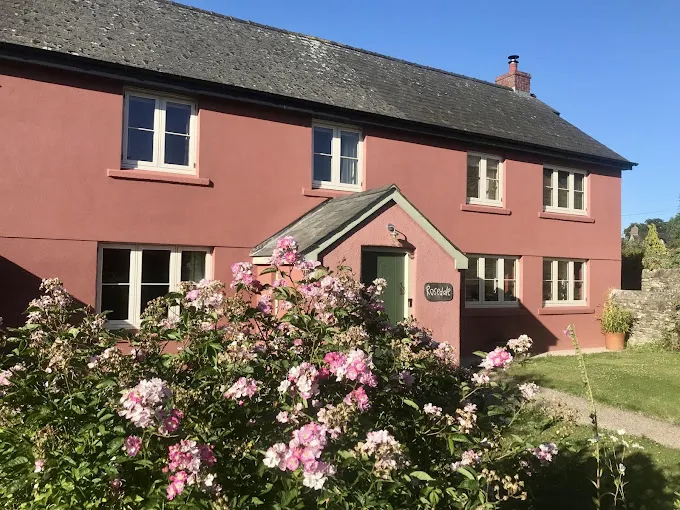
External Rendering: Complete Guide for UK Properties
External rendering is a protective and decorative wall coating applied to the outside of buildings – this guide covers every render type, application method, and what South Wales property owners need to know before choosing a system.
Table of Contents
- What Is External Rendering?
- Types of External Render Systems
- Application Methods: Spray vs Hand
- Choosing the Right External Rendering System
- Frequently Asked Questions
- Render System Comparison
- How Coloured Rendering South Wales Can Help
- Practical Tips for External Rendering Projects
- The Bottom Line
- Sources & Citations
Article Snapshot
External rendering is the process of applying a protective and decorative coating to exterior walls. It shields buildings from rain, wind, and moisture penetration while improving appearance. Modern render systems – including silicone, monocouche, and cement formulations – offer durable, low-maintenance finishes suited to the UK’s demanding climate.
What Is External Rendering?
External rendering is the application of a cementitious or polymer-based material to the outer surface of a building’s walls, serving two core purposes: protecting the structure from weather damage and improving its visual appearance. For property owners across South Wales, from the coastal streets of Mumbles to the terraced rows of Cardiff and Newport, it is one of the most practical investments available for maintaining and enhancing a building’s exterior.
Coloured Rendering South Wales has been delivering professional external rendering solutions across the region since 1998, working with homeowners, developers, and commercial landlords to specify the right system for each property. With over 25 years of hands-on experience in the South Wales environment, the team understands exactly how the region’s high rainfall, salt-laden coastal air, and wind-driven moisture interact with rendered surfaces.
At its core, an external render acts as a sacrificial weather barrier. Moisture that would otherwise penetrate brickwork, blockwork, or stonework is deflected by the render coat, protecting the structural wall and reducing the risk of damp ingress, frost damage, and the associated interior problems that follow. Beyond protection, rendering gives property owners direct control over their building’s aesthetic – colour, texture, and finish can all be specified to suit architectural style or personal preference.
Call Us
Modern render formulations differ substantially from the simple sand-and-cement mixes used in earlier decades. Factory-manufactured renders incorporate precisely controlled raw material ratios alongside performance-enhancing additives that improve flexibility, water repellency, and adhesion. As one source notes, factory-made render has a clear advantage in that the composition and raw materials are closely controlled and accurately measured, allowing manufacturers to include performance-enhancing additives into the formulation (Wikipedia, 2025)[1]. This shift from site-mixed to pre-formulated systems has significantly raised the reliability and longevity of rendered finishes on UK properties.
In South Wales specifically, the choice of external wall coating matters considerably more than it might in drier inland regions. Properties in Swansea, the Gower Peninsula, and the Vale of Glamorgan face some of the highest annual rainfall totals in England and Wales, making vapour-permeable, waterproof render systems – rather than older impermeable coatings – the standard recommendation from experienced rendering contractors.
Types of External Render Systems
The external render market in the UK now encompasses several distinct system categories, each with different performance characteristics, aesthetic outcomes, and appropriate applications – and selecting the wrong type for a given property leads to premature failure, trapped moisture, and costly remedial work.
Thin Coat Silicone Render
Thin coat silicone render is the most widely specified modern finish coat for residential and commercial properties across the UK. Applied at just 1.5-3mm thickness over a suitable basecoat, silicone render combines a waterproof outer surface with high vapour permeability – it keeps liquid water out whilst allowing water vapour generated inside the building to escape through the wall. This breathable quality is important for older solid-wall properties common throughout South Wales, where trapping moisture within the wall structure accelerates decay and causes damp problems internally.
The silicone polymer component gives these renders inherent flexibility, making them highly resistant to hairline cracking as buildings undergo normal thermal movement through seasonal temperature changes. Silicone renders also carry self-cleaning properties: their hydrophobic surface causes rainwater to bead and run off, carrying surface dirt with it and keeping the finish looking fresh with minimal maintenance. The colour is integrated into the render itself rather than applied as a separate paint coat, so fading and the need for periodic repainting are effectively eliminated. For coastal properties – and South Wales has no shortage of those – this resistance to salt air degradation makes silicone render the technically correct choice in most cases.
Monocouche Through Colour Render
Monocouche render, from the French for single coat, is a cement-based system in which the colour runs through the full thickness of the applied layer. There is no separate finish coat to peel, crack, or require repainting: if the surface is scratched or chipped, the colour beneath is identical. This through-coloured design suits property owners and developers who want a proven, durable external finish without ongoing maintenance obligations.
Monocouche systems are available in a range of textures – from fine scraped finishes to roughcast – and the cement base provides excellent compressive strength and weather resistance. They are compatible with brick, block, and concrete substrates and meet British Standards for external rendering systems. For housing developments across South Wales, monocouche render has become a popular choice precisely because it delivers consistent results across multiple units whilst keeping long-term maintenance costs low for both developers and end buyers.
One Coat Cement Render
One coat cement render is a traditional formulation modernised through controlled factory production and spray application technology. It provides a cost-effective solution for properties where a painted finish is acceptable or preferred. Once cured, the render is painted in any chosen colour, giving property owners flexibility to change the appearance at any point. The proven durability of cement-based formulations makes this a reliable workhorse system, suited to properties where budget constraints are a primary consideration.
External Wall Insulation Systems
External wall insulation (EWI) systems combine structural insulation boards fixed to the external wall with a reinforced render finish applied over the top. The result is a dual-purpose improvement: the thermal performance of the building is significantly upgraded whilst the external appearance is simultaneously refreshed with a chosen render finish. For the large stock of pre-1940s solid wall properties that characterise much of South Wales’s housing, EWI represents the most practical route to meaningful energy efficiency improvements, as internal wall insulation in these properties requires unacceptable loss of internal floor space. You can learn more about available EWI options through the EWI Specialists South Wales – expert external wall insulation installations for energy efficiency page.
Application Methods: Spray vs Hand Application
The method used to apply external render has a direct bearing on project duration, finish consistency, and overall cost – and the gap in efficiency between professional spray application and traditional hand application has widened considerably as spray technology has advanced.
Spray Rendering Technology
Spray rendering uses purpose-built pump equipment to mix and project render onto the wall surface at controlled pressure and volume. The material is delivered in a continuous, consistent flow, producing a uniform thickness across the entire wall face that is extremely difficult to replicate with hand tools – particularly on large or complex elevations. Because the application rate is substantially faster than hand methods, project durations are compressed: what takes four to five days by hand is completed in one to two days using professional spray equipment.
This speed advantage carries practical benefits beyond the obvious saving in labour time. For occupied properties, reduced on-site duration means less disruption to residents. For commercial premises, it means less interference with business operations. For property developers managing multiple units on a single site, spray application allows render schedules that would be impossible to maintain with hand-application crews. The Home page of Coloured Rendering South Wales – expert spray rendering and external wall insulation services across South Wales details the full range of spray rendering services available across the region.
Spray application also reduces material waste compared to hand application, as the delivery system is calibrated to the render manufacturer’s specified application rate. This precision is relevant for high-performance render systems such as Choose The Perfect Facade, Renders & Paints from Baumit, where consistent thickness is essential to achieving the manufacturer’s stated performance and warranty conditions.
Hand Application
Traditional hand application using floats and hawks remains appropriate in certain contexts – detailed repair work, areas inaccessible to spray equipment, or small patch jobs where mobilising spray machinery would be disproportionate. Experienced plasterers using hand methods achieve excellent results, and for internal plastering work, hand application remains the standard approach. The key limitation in external rendering is consistency: achieving a perfectly uniform thickness by hand over a large elevation requires considerable skill and time, and slight variations affect the finished appearance, particularly in raking light conditions.
Substrate Preparation
Regardless of application method, substrate preparation determines the long-term performance of any external render system. The background wall must be structurally sound, free from contamination, and appropriately primed to ensure adhesion. Existing failed render must be removed, hollow sections cut out, and any underlying masonry repairs completed before the new render system is applied. Cutting corners at the preparation stage is the single most common cause of premature render failure – and the subsequent repair costs invariably exceed what proper preparation would have cost in the first place.
Choosing the Right External Rendering System for Your Property
Selecting the correct external rendering system requires matching the technical specification of the render to the specific conditions and requirements of the property – a process that depends on building age, wall construction, location, budget, and aesthetic objectives working together.
Assess Your Building Type and Wall Construction
Solid wall properties – built before approximately 1930 and common throughout South Wales – require breathable render systems. Applying an impermeable cement render to a solid brick or stone wall traps moisture within the wall structure, which causes internal damp, accelerates masonry deterioration, and leads to render delamination within a few years. Silicone render or vapour-open monocouche systems are the correct specification for solid-wall buildings. Cavity wall properties constructed from the 1930s onwards are less vulnerable to moisture trapping, but breathable systems still perform better over the long term and remain the industry recommendation.
Consider Your Location and Exposure
Properties in exposed coastal locations – anywhere along the South Wales coastline from the Gower through Swansea Bay to Barry and beyond – face significantly more aggressive weathering than sheltered inland sites. Salt-laden air accelerates the degradation of lower-grade render systems and makes the flexibility and self-cleaning properties of silicone render especially valuable. The UK’s wind-driven rain index, published under the framework of UK Building Regulations Approved Documents, provides a formal assessment of exposure levels that should inform render specification decisions for exposed sites. You can review relevant standards through the UK Building Regulations – Approved Documents guidance.
Match the System to Your Budget and Objectives
Thin coat silicone render carries a higher upfront cost than basic cement render but eliminates repainting costs entirely and carries manufacturer warranties of ten years or more when installed by a certified applicator. Over a ten to twenty-year ownership period, the total cost of ownership favours silicone or monocouche systems over cheaper paint-over alternatives. For property owners prioritising energy efficiency improvements alongside external renovation, an EWI system – combining insulation and render in a single installation – delivers the strongest combined return through both energy savings and enhanced property value.
Where existing render is fundamentally sound but showing localised damage, targeted repairs using compatible materials extend the render’s serviceable life by many years at a fraction of full replacement cost. Identifying the correct repair approach requires an assessment by an experienced rendering specialist, as using incompatible repair mortars causes further cracking and delamination. For advice on render condition and repair options, the Rendering Repairs South Wales – professional repairs and maintenance for external wall renders page provides detailed guidance on what to look for and when repair versus full replacement is the right decision.
Your Most Common Questions
How long does external rendering last?
The lifespan of external rendering depends primarily on the system type, the quality of substrate preparation, the exposure of the site, and whether the work was carried out by a competent contractor using appropriate materials. Traditional sand-and-cement renders, applied in multiple coats with correct mix ratios and curing conditions, last 20 to 30 years on a sheltered property before requiring significant attention. However, on exposed South Wales coastal sites, poorly specified cement renders begin showing cracks and water ingress within five to ten years.
Modern thin coat silicone render systems from reputable manufacturers, installed by a certified applicator, carry manufacturer-backed warranties of ten years, with realistic service lives of 20 to 30 years or more under normal conditions. Monocouche through colour renders perform similarly. The critical factor in achieving these lifespans is the quality of surface preparation and the use of a compatible system from basecoat through to finish coat. A Baumit Approved EWI Applicator, for example, installs systems carrying manufacturer warranties of up to 25 years, provided the full certified system is used. Regular inspection – looking for cracks, hollow-sounding areas, or water staining – and prompt attention to minor defects will extend the life of any render system significantly.
What is the difference between silicone render and cement render?
Silicone render and cement render differ in their base chemistry, flexibility, vapour permeability, and maintenance requirements. Cement render uses Portland cement as its binder, producing a relatively rigid coating that bonds strongly to masonry but has limited ability to accommodate thermal movement. As buildings expand and contract with temperature changes, rigid cement render develops hairline cracks that allow water ingress over time. Once applied, cement render requires painting to achieve a coloured finish, and that paint requires periodic renewal – typically every five to ten years depending on exposure and paint quality.
Silicone render uses a silicone polymer as part of its binder system, which gives the cured coating significantly greater flexibility. This flexibility allows the render to move with the building without cracking, substantially improving long-term performance. Silicone render is also inherently hydrophobic – water beads on the surface and runs off rather than soaking in – whilst remaining vapour permeable, so moisture within the wall escapes. The colour is factory-integrated into the render material, eliminating the need for painting and the associated ongoing maintenance cost. For South Wales properties subject to sustained driving rain and coastal salt air, silicone render’s combination of waterproofing, breathability, and flexibility makes it the technically superior choice in most situations.
Can external rendering be applied in winter?
External rendering is carried out in cooler months, but application temperature is a genuine constraint that responsible rendering contractors take seriously. Most render manufacturers specify minimum substrate and air temperatures – typically 5°C – below which application should not proceed, as cement hydration and polymer curing processes slow significantly in cold conditions. Applying render in near-freezing temperatures risks frost damage to the uncured material, which causes surface scaling, delamination, and premature failure.
In practice, South Wales winters are mild enough by UK standards that rendering work continues through most of the year, with delays primarily driven by frost risk during overnight temperatures in January and February rather than by sustained cold spells. The greater practical constraint in the region is persistent rain rather than cold: fresh render needs a period of protection from heavy rain immediately after application to allow initial set, and South Wales winters are reliably wet. Experienced contractors plan application sequences to take account of weather forecasts, and thin coat silicone renders – which cure relatively quickly – are more forgiving of variable winter conditions than thicker cement systems. If you are planning an external rendering project and are uncertain about seasonal timing, speaking to a specialist contractor about your specific property and preferred timeframe will give you the most accurate guidance.
How much does external rendering cost in South Wales?
External rendering costs in South Wales vary considerably depending on the system chosen, the size and complexity of the property, access requirements, substrate condition, and whether existing render needs to be removed before the new system is applied. As a general guide, basic one coat cement render on a straightforward terraced house will cost significantly less per square metre than a full thin coat silicone render system with basecoat – but the lifetime costs reverse when maintenance and repainting are factored in over ten to twenty years.
Factors that increase project cost include extensive scaffold requirements for multi-storey properties, the need for full render removal and substrate repair before the new system goes on, complex architectural features requiring careful detailing, and premium render systems such as full EWI with silicone finish. Factors that reduce cost include good access, sound existing substrate requiring minimal preparation, and the efficiency gains from spray application versus hand application. The most reliable way to understand the cost for your specific property is to arrange a free on-site assessment and detailed quotation. This allows a specialist to inspect the current render condition, assess access requirements, and recommend the most appropriate system for your building type, location, and budget before any financial commitment is made.
Render System Comparison
Selecting the right external render system involves weighing performance, maintenance obligations, cost, and suitability for specific building types. The table below compares the four main systems used on UK properties to help property owners understand the key trade-offs before commissioning work.
| Render System | Flexibility | Vapour Permeable | Maintenance Required | Typical Application | Best Suited To |
|---|---|---|---|---|---|
| Thin Coat Silicone Render | High | Yes | Very low – no repainting | Spray over basecoat | All property types; coastal and exposed sites |
| Monocouche Through Colour Render | Medium | Partially | Low – no painting required | Spray or hand, single coat | New builds; housing developments; renovations |
| One Coat Cement Render | Low | Limited | Medium – requires periodic painting | Spray or hand | Budget renovations; properties with painted finish preference |
| EWI with Render Finish | High (silicone finish) | Yes (silicone finish) | Very low | Full system installation | Solid wall properties; energy efficiency upgrades |
How Coloured Rendering South Wales Can Help
Coloured Rendering South Wales has been specifying and applying external render systems across South Wales since 1998. The company’s 25-plus years of experience covers the full spectrum of render work – from targeted repairs on individual panels through to complete EWI system installations on solid wall Victorian terraces – and that breadth of knowledge informs every project assessment and product recommendation.
As a Baumit Approved EWI Applicator with City & Guilds Assured accreditation, the team is certified to install Baumit StarTop premium silicone render and full EWI systems carrying manufacturer-backed warranties of up to 25 years. This certification matters: it means the system is installed to the manufacturer’s specification, the warranty is valid, and the property owner has documented long-term protection. Render work carried out by uncertified contractors using mismatched products from different manufacturers is one of the most common sources of premature render failure – and it falls outside any warranty coverage.
The company’s use of professional spray rendering equipment allows project completion times two to three times faster than traditional hand application, reducing disruption to households and commercial occupants without compromising the consistency or quality of the finish. Every project begins with a free on-site assessment to evaluate the existing substrate, discuss the client’s objectives, and recommend the most appropriate system for the specific property and its location within South Wales.
“With over 15 years in the building trade I have experienced several different plasterers all offering different styles and finishes. Geoff’s thin coat spray finish render would rival the best and I can’t recommend his team enough to someone thinking of using him. His professionalism and work ethic has stood out from many of the others we have worked with.” – Keri Hopkins, Google Review
“We’re 100% happy and wouldn’t hesitate to recommend Jeff. His workmanship is excellent and we’re also very happy with the product he recommended to eradicate the penetrating damp and give our house a great new look and lease of life.” – Alistair Legge, Google Review
To discuss your property’s external rendering requirements, visit the Contact Coloured Rendering South Wales for a free quote or consultation on your rendering project page, or view completed work through the Gallery – View examples of our high-quality spray rendering and repair work. The team covers Swansea, Cardiff, Newport, Bridgend, and the wider South Wales area. Call 07815 868070 or email geoff@colouredrenderingsouthwales.com to arrange a free site assessment.
Practical Tips for External Rendering Projects
Getting the best outcome from an external rendering project comes down to preparation, specification, and choosing the right contractor – these practical points will help you approach the process with confidence.
Get an on-site assessment before requesting a quote. External rendering costs and the appropriate system cannot be determined accurately from photographs or a brief phone call. A contractor who quotes without visiting the property is guessing at substrate condition, access requirements, and the scope of preparation work needed. Insist on an in-person assessment as the basis for any quotation.
Ask specifically about vapour permeability. If your property was built before approximately 1930 and has solid walls, applying an impermeable render system will trap moisture and cause damp problems. Confirm that your contractor understands this distinction and can specify a breathable system appropriate for your wall construction.
Check contractor accreditation for premium systems. Manufacturer warranties on high-performance render systems, including silicone render and EWI, are conditional on installation by a certified applicator using the manufacturer’s complete product system. Verify that your contractor holds the relevant accreditations before work commences.
Do not neglect existing render problems before overlaying. Applying new render over hollow, delaminated, or structurally compromised existing render is a false economy. The new render will reflect the underlying problems within months or years. Address substrate issues properly at the outset.
Plan for seasonal timing. In South Wales, late spring through early autumn provides the most reliable conditions for external rendering – warmer temperatures support proper curing, and rainfall events, whilst frequent, are less sustained than in winter. Allow sufficient curing time between coats as specified by the manufacturer.
Consider the full lifecycle cost. A painted cement render at a lower upfront cost requires repainting every seven to ten years. A silicone render system at a higher initial investment requires no repainting. Over a fifteen-year period, the total expenditure on the silicone system is lower once maintenance costs are included in the comparison.
The Bottom Line
External rendering is one of the most impactful improvements a South Wales property owner can make – combining structural protection against the region’s demanding weather conditions with a tangible uplift in appearance and market value. The choice between silicone, monocouche, cement, and EWI systems is not a matter of preference alone: it requires matching the render’s technical characteristics to the building’s wall construction, location, exposure level, and ownership objectives.
Getting this specification right from the outset, and having the work carried out by an experienced contractor using certified products and professional spray equipment, determines whether a rendered finish lasts two decades or two years. Coloured Rendering South Wales brings over 25 years of local expertise, Baumit Approved EWI Applicator accreditation, and a verified 5.0 Google rating to every project across South Wales.
To arrange a free site assessment and no-obligation quotation, call 07815 868070, email geoff@colouredrenderingsouthwales.com, or use the contact form at colouredrenderingsouthwales.com/contact.
Sources & Citations
- External render. Wikipedia.
https://en.wikipedia.org/wiki/External_render - UK Building Regulations – Approved Documents. GOV.UK.
https://www.gov.uk/guidance/approved-documents - Choose The Perfect Facade, Renders & Paints. Baumit.
https://baumit.co.uk/guides/facade-renders-and-paints