
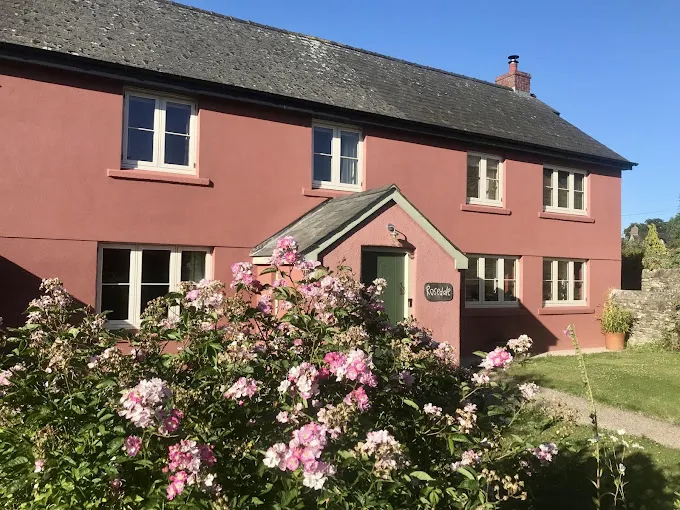
EWI Specialists Carmarthen: Complete Guide
EWI specialists Carmarthen provide external wall insulation systems that cut heating costs, eliminate damp, and transform property exteriors – here is everything you need to know before commissioning work.
Table of Contents
- What Is External Wall Insulation and How Does It Work?
- Benefits of EWI for Carmarthen Properties
- Choosing the Right EWI Specialists Carmarthen
- Render Finishes and System Options for EWI
- Frequently Asked Questions
- Comparing EWI System Approaches
- How Coloured Rendering South Wales Can Help
- Practical Tips for Your EWI Project
- The Bottom Line
- Sources & Citations
Article Snapshot
EWI specialists Carmarthen are contractors who design and install external wall insulation systems, combining thermal insulation boards with weatherproof render finishes to improve energy efficiency and protect solid-wall properties. The right specialist brings certified installation skills, system knowledge, and local climate expertise to deliver lasting results.
EWI Specialists Carmarthen in Context
- EWI workmanship warranties of up to 10 years are offered by established specialists, with insurance-backed guarantees also available for 10 years (EWI Specialist Ltd, 2026)[1]
- EPS insulation boards used in Carmarthen EWI projects are 90 mm thick, fixed at a standard formation of 5 pins per board at maximum 300 mm centres (LMG Home Improvements, 2026)[2]
- Monocouche render systems available for Carmarthen properties come in hundreds of colours, removing the need for ongoing exterior painting (Rendtek Ltd, 2026)[3]
- Leading EWI specialists bring over 21 years of experience in house rendering insulation to each project (EWI Specialist Ltd, 2026)[1]
What Is External Wall Insulation and How Does It Work?
EWI specialists Carmarthen install systems that fix insulation boards directly to the outer face of a building’s walls, then apply a reinforced render finish over the top to create a continuous thermal envelope. The result is a waterproof, energy-efficient shell that addresses solid wall heat loss at its source rather than treating symptoms from inside. As RJS Plastering Services notes, external wall insulation “is one of the fastest-growing solutions in the rendering and insulation industry, particularly for older properties with solid walls” (RJS Plastering Services, 2026)[4].
The installation sequence begins with a thorough survey of the existing wall substrate. Any cracks, damp patches, or failing mortar joints must be repaired before insulation boards are attached, because trapping moisture behind the new system will undermine long-term performance. Once the substrate is sound, an adhesive mortar is applied to the back of each insulation board – expanded polystyrene (EPS) at 90 mm thickness (LMG Home Improvements, 2026)[2] – and the boards are pressed firmly against the wall in a staggered brick-bond pattern to eliminate cold bridges at the joints.
Mechanical fixings are driven through the boards into the wall structure at a standard formation of 5 pins per board, positioned at a maximum of 300 mm centres (LMG Home Improvements, 2026)[2]. This dual fixing method – adhesive plus mechanical anchors – ensures the system remains secure across decades of thermal movement and wind loading, which is particularly important along the exposed coastal fringes of Carmarthenshire.
Call Us
After the boards are fixed, a reinforcing mesh is embedded in a base coat render. This mesh layer distributes stress across the surface and prevents localised cracking. A finish coat – silicone render, acrylic render, or monocouche through-colour render – is then applied over the base coat to provide the final aesthetic and weather barrier. The finish coat choice determines the texture, colour, and long-term maintenance requirements of the completed system. Silicone finishes are particularly well suited to West Wales conditions because their hydrophobic, breathable properties allow the wall to manage moisture vapour while shedding driving rain.
Benefits of EWI for Carmarthen Properties
Carmarthen and the surrounding West Wales area presents specific building performance challenges that make EWI one of the most practical upgrades available to property owners in the region. The town sits in a river valley exposed to moisture-laden south-westerly winds, and many of its older residential streets are lined with solid-wall Victorian and Edwardian terraces that were never designed with modern thermal standards in mind.
Solid walls conduct heat far more readily than cavity walls, meaning properties without EWI or internal wall insulation lose a significant proportion of their heating output directly through the external envelope. An EWI system creates a continuous warm layer around the building that dramatically reduces this heat transfer, lowering energy bills and improving comfort throughout the colder months. The thermal performance gain is compounded in Carmarthen’s older housing stock, where many properties have already had lofts insulated and double glazing fitted, leaving the walls as the dominant remaining source of heat loss.
Beyond thermal performance, EWI provides a strong weather barrier that is especially valuable in a high-rainfall area like West Wales. A correctly specified silicone or monocouche render finish repels water, prevents wind-driven rain penetration, and resists frost damage. Properties that previously suffered from penetrating damp frequently see that problem resolved entirely once an EWI system is in place, because the render skin eliminates the pathways through which water was entering the wall. This was the outcome achieved for a seafront property in Mumbles – a coastal location with comparable exposure to many Carmarthenshire properties – where a thin coat silicone render system installed by Coloured Rendering South Wales, expert spray rendering and external wall insulation services across South Wales, showed no signs of deterioration after five years despite severe salt air and driving rain.
EWI also improves the Energy Performance Certificate (EPC) rating of a property, which matters for landlords required to meet minimum energy efficiency standards and for homeowners looking to sell. A higher EPC rating increases market value, supports mortgage applications, and in some cases makes a property eligible for government energy efficiency grant schemes. The visual transformation delivered by a fresh rendered finish adds to that value uplift, replacing tired, stained, or cracked external surfaces with a clean, contemporary appearance in any chosen colour.
Choosing the Right EWI Specialists Carmarthen
Selecting qualified EWI specialists Carmarthen requires careful evaluation of credentials, experience, and system knowledge, because poorly installed external wall insulation creates serious long-term problems that are expensive to correct. The key criteria to assess before appointing a contractor are set out below.
Certification is the first filter. Reputable EWI specialists hold accreditation from system manufacturers, confirming that the installer has been trained to apply that specific product to the required standard. Baumit Approved EWI Applicator status, for example, comes with City & Guilds Assured accreditation and unlocks manufacturer-backed warranties of 10 to 25 years depending on the system chosen. An uncertified installer cannot offer this level of documented protection. Always ask to see proof of current accreditation and verify it directly with the manufacturer if the investment is substantial.
Experience with the local building stock is the second criterion. Carmarthen and the wider Carmarthenshire area contains a diverse mix of construction types, from solid stone farmhouses to mid-century concrete-panel social housing, and each substrate demands a different preparation and fixing approach. A specialist who has worked extensively across South Wales will understand how Welsh stone walls behave differently from brick when receiving adhesive mortar, and will specify the correct anchor types for each substrate without needing to experiment at your expense.
Warranty and insurance documentation rounds out the due diligence process. A credible EWI contractor provides a written workmanship guarantee – 10 years (EWI Specialist Ltd, 2026)[1] – alongside an insurance-backed warranty that protects you if the contractor ceases trading. EWI Specialist Ltd describes their team as “committed to quality, trust, and high workmanship standards” (EWI Specialist Ltd, 2026)[1], and that commitment should always be evidenced in writing before work begins. Request references from completed projects in the local area and, where possible, visit a finished installation to assess the quality of detailing around windows, soffits, and ground-level terminations – these junctions are where substandard work most commonly fails.
Pricing transparency also matters. A detailed written quotation should itemise the insulation board specification, render system, fixing method, and any preparatory works required on the existing substrate. Vague quotes that bundle all costs into a single figure make it impossible to compare like-for-like across contractors or to identify where corners are being cut.
Render Finishes and System Options for EWI
The render finish applied over an EWI system determines the long-term appearance, weather resistance, and maintenance requirements of the completed installation, and choosing the right option for a Carmarthen property involves balancing performance against aesthetics and budget.
Thin coat silicone render is the premium choice for most residential EWI projects in West Wales. Its silicone binder makes it highly hydrophobic – water beads and runs off the surface rather than soaking in – while remaining vapour permeable, so moisture from within the wall structure escapes outward without becoming trapped. The self-cleaning effect of silicone render keeps the finish looking fresh for longer, which is a meaningful advantage in Carmarthen’s wet climate where algae and biological growth are persistent concerns on north-facing or shaded elevations. Silicone renders are available in a wide range of stable, fade-resistant colours and are applied in thin layers, adding minimal thickness to the wall.
Monocouche through-colour render is a cement-based single-coat system that is pre-coloured throughout its full thickness, meaning that minor surface abrasion does not expose a different colour underneath. Monocouche render is available in hundreds of colours (Rendtek Ltd, 2026)[3] and delivers a strong, traditional-looking finish that suits the character of many older Carmarthenshire properties. Because the colour runs through the full depth of the coat, no painting is ever required, and the surface weathers gracefully over time.
Acrylic render offers a cost-effective middle ground between cement and silicone systems. It is flexible, crack-resistant, and available in a broad colour palette, but it is less breathable than silicone and more susceptible to algae growth on properties in sheltered, damp positions. Acrylic finishes are well suited to new-build EWI applications or to properties in less exposed locations where the premium performance attributes of silicone are less important.
Whichever finish is selected, detailing at window reveals, coping stones, and base termination channels must be executed precisely. Water that finds its way behind the render system at any poorly sealed junction will travel behind the insulation boards, promoting damp, mould, and adhesive failure. This is why experienced EWI specialists in South Wales place considerable emphasis on preparation and edge detailing rather than simply on the speed of covering large wall areas. For guidance on system specifications and render standards, the Baumit facade renders and paints guide provides detailed technical information on product selection for different substrates and exposure conditions.
Your Most Common Questions
How long does an EWI installation take on a typical Carmarthen semi-detached house?
For a standard semi-detached property in Carmarthen, an EWI installation takes between five and ten working days from start to finish, depending on the size of the house, the condition of the existing substrate, and the render finish chosen. Preparatory work – repairing cracks, treating damp patches, and installing starter tracks – adds a day or two if the existing walls are in poor condition. Spray application of the finish coat is significantly faster than hand application, meaning experienced spray rendering specialists complete the render phase in a fraction of the time a traditional hand-applied approach requires. If scaffolding is needed, erection and dismantling will add time either side of the installation itself. Your contractor should provide a project programme as part of the written quotation, so you know exactly how long your property will be in scaffolding and when each phase will be completed. Properties remain occupied throughout the work, as EWI is an entirely external process that does not require access to interior rooms.
Is planning permission required for EWI in Carmarthen?
In most cases, EWI on a standard residential property in Carmarthen falls within permitted development rights and does not require a planning application. However, there are important exceptions. Properties in conservation areas – and Carmarthen town centre includes designated conservation zones – require prior approval or full planning consent before the external appearance of a building is altered. Listed buildings always require listed building consent for EWI work, regardless of whether the property is in a conservation area. Properties on housing estates also have permitted development rights removed by condition when planning permission was originally granted for the development. The correct approach is to contact Carmarthenshire County Council’s planning department before appointing a contractor, or to ask your EWI specialist to confirm the planning position for your specific address. A reputable specialist will advise you on this as part of the initial assessment and will not proceed with work that requires consent you have not yet obtained. UK Building Regulations Approved Documents also set thermal performance requirements for EWI that must be met regardless of planning status.
What warranty should I expect from EWI specialists in Carmarthen?
You should expect a minimum 10-year workmanship warranty from any credible EWI specialist operating in the Carmarthen area (EWI Specialist Ltd, 2026)[1]. Reputable contractors will arrange an insurance-backed warranty – also 10 years (EWI Specialist Ltd, 2026)[1] – which protects your investment if the installing company ceases to trade during the warranty period. Where a contractor holds manufacturer accreditation, such as Baumit Approved EWI Applicator status, the system manufacturer also provides a product warranty of between 10 and 25 years depending on the specific system installed. These three layers of protection – workmanship guarantee, insurance-backed warranty, and manufacturer system warranty – together provide comprehensive cover over the life of the installation. Always request all warranty documentation in writing before work commences, and check that the insurance-backed warranty is issued by an established warranty provider rather than simply stated in the contractor’s own terms. If a contractor cannot or will not provide written warranty documentation, treat that as a significant warning sign and seek an alternative specialist.
Can EWI be installed on any property type in Carmarthen?
EWI is suitable for the vast majority of property types found in Carmarthen and the surrounding Carmarthenshire area, including solid stone cottages, brick-built Victorian terraces, inter-war semi-detached houses, post-war concrete and block construction, and modern timber-frame properties. The primary requirement is that the existing wall substrate is structurally sound and free from active damp or significant movement before the system is installed. Properties with cavity walls also receive EWI, although cavity fill insulation is sometimes a more straightforward first step for those buildings. The main categories of property where EWI is not straightforward include listed buildings (where consent is required and the impact on historic fabric must be carefully managed), properties with very shallow window reveals (where the added wall thickness would leave windows appearing very recessed), and some timber-frame buildings where ventilation detailing requires specialist design input. An experienced EWI specialist will identify any constraints during the initial survey and advise on whether EWI is the appropriate solution or whether an alternative insulation strategy would better suit the property. Each building should be assessed individually rather than assuming a one-size-fits-all approach.
Comparing EWI Render Finish Options
Selecting the right render finish for an EWI system involves weighing performance characteristics, maintenance demands, and aesthetic outcomes. The table below compares the three principal finish types available to Carmarthen property owners and highlights the key differences that affect long-term satisfaction with the installation.
| Finish Type | Weather Resistance | Breathability | Maintenance | Colour Stability | Best Suited To |
|---|---|---|---|---|---|
| Thin Coat Silicone Render | Excellent – highly hydrophobic, repels driving rain | High – vapour permeable, prevents moisture trap | Very low – self-cleaning properties reduce algae growth | Excellent – fade-resistant pigments retain colour for decades | Exposed coastal and high-rainfall locations across West Wales |
| Monocouche Through-Colour Render | Good – cement-based, weather-resistant formulation | Moderate – more permeable than acrylic, less than silicone | Low – no painting required; available in hundreds of colours (Rendtek Ltd, 2026)[3] | Good – colour runs through full depth of coat | Traditional and period properties in Carmarthen town and villages |
| Acrylic Render | Good – flexible and crack-resistant | Low – limited vapour permeability | Moderate – periodic algae treatment needed in sheltered positions | Good – wide colour range available | Less exposed locations; new build EWI projects where cost is a priority |
How Coloured Rendering South Wales Can Help
Coloured Rendering South Wales has been delivering plastering and spray rendering services across the region since 1998, accumulating over 25 years of experience with the building types and weather conditions that define South Wales property. As a Baumit Approved EWI Applicator with City & Guilds Assured accreditation, the company is certified to install Baumit StarTop premium silicone render and complete EWI systems, with manufacturer-backed warranties of up to 25 years available on qualifying installations.
For property owners in and around Carmarthen seeking qualified ewi specialists, the team brings specialist knowledge of West Wales coastal and inland conditions to every project. Spray application technology means EWI render finishes are applied faster and more consistently than traditional hand methods, reducing scaffold time and minimising disruption to occupants. Whether the requirement is a complete EWI system on a solid-wall Victorian terrace, a silicone render refurbishment of an existing insulated property, or targeted rendering repairs across South Wales to extend the life of an existing system, the team has the credentials and local knowledge to specify and deliver the right solution.
“Geoff fitted External Wall Insulation to a wall that had a number of issues and through which a lot of heat was being lost. Geoff is very tidy, he talked us through it at every stage and was very respectful of our neighbours whilst working in their property. Great job!” – Abby Harries-Heat, Google Review
“With over 15 years in the building trade I have experienced several different plasterers all offering different styles and finishes. Geoff’s thin coat spray finish render would rival the best and I can’t recommend his team enough to someone thinking of using him. His professionalism and work ethic has stood out from many of the others we have worked with.” – Keri Hopkins, Google Review
To discuss your Carmarthen EWI project and receive a free assessment, contact Coloured Rendering South Wales for a free quote or consultation on your rendering project, call 07815 868070, or email geoff@colouredrenderingsouthwales.com.
Practical Tips for Your EWI Project
Commission a professional substrate survey before signing any contract. The condition of your existing walls determines the amount of preparatory work required and significantly affects the total cost. A reputable EWI specialist will not quote meaningfully without inspecting the property in person. Be cautious of contractors who provide firm prices from photographs alone.
Specify the insulation board thickness based on thermal performance targets, not cost alone. EPS boards at 90 mm thickness (LMG Home Improvements, 2026)[2] are a common starting point for Carmarthen solid-wall properties, but thicker boards deliver greater U-value improvements. If you are upgrading the property to meet specific EPC targets or building regulation requirements, your contractor should calculate the required thickness from the existing wall construction rather than defaulting to a standard depth.
Choose your render finish colour carefully. Monocouche systems are available in hundreds of colours (Rendtek Ltd, 2026)[3] and silicone renders offer similarly broad palettes. Darker colours absorb more solar radiation, which creates slightly greater thermal movement in the render layer. In very exposed positions, lighter to mid-range shades perform with the most consistency over time.
Confirm window reveal and eaves detailing before work starts. The additional wall thickness introduced by EWI – 100 to 150 mm including boards and render – reduces the depth of existing window reveals. Your specialist should confirm that the finished reveal depth is acceptable before proceeding and, if necessary, extend sills and adjust bead profiles to maintain weathertight junctions. Poor detailing at these transitions is the most common source of water ingress failures in EWI systems.
Retain all warranty and product documentation. Store the workmanship guarantee, insurance-backed warranty certificate, and any manufacturer system documentation securely. These documents are relevant to future property sales, mortgage valuations, and any warranty claims that arise during the guarantee period. Ask your experienced rendering team to provide a completion certificate confirming the system specification, installation date, and applicable warranties.
Plan scaffold access to avoid the wettest months where possible. Render application requires a minimum ambient temperature – above 5°C – and should not be carried out in rain or frost. West Wales winters bring extended periods of wet weather that cause delays, extend scaffold hire, and increase project costs. Booking EWI work for spring or early autumn gives the best chance of uninterrupted installation and optimal curing conditions for the render finish coat.
The Bottom Line
EWI specialists Carmarthen who combine certified installation credentials, local climate knowledge, and a broad range of render finishes offer property owners the most reliable route to improved thermal performance and weather protection. Solid-wall properties across Carmarthenshire stand to gain the most from a correctly specified and installed EWI system – lower energy bills, resolved damp issues, an improved EPC rating, and a transformed external appearance that requires minimal ongoing maintenance.
The key decisions – insulation thickness, render finish type, and contractor selection – all benefit from professional advice rather than assumptions based on cost alone. Verified accreditation, written warranties, and transparent quotations are the markers of a specialist worth appointing.
Coloured Rendering South Wales brings over 25 years of regional experience, Baumit Approved EWI Applicator accreditation, and a perfect 5.0 Google rating to every project across South Wales and West Wales. Call 07815 868070 or use the contact form to arrange a free property assessment and quotation today.
Sources & Citations
- External Wall Insulation Specialist | EWI Specialist. EWI Specialist Ltd.
https://ewispecialist.co.uk - External Wall Insulation Carmarthen. LMG Home Improvements.
https://lmghomeimprovements.co.uk/external-wall-insulation-carmarthen/ - External Rendering in Carmarthen – Rendtek Ltd. Commercial Rendering.
https://www.commercialrendering.co.uk/external-rendering/west-wales/carmarthen - External Wall Insulation (EWI) | rjsplastering. RJS Plastering Services.
https://www.rjsplasteringservices.co.uk/externalwallinsulationewi - UK Building Regulations – Approved Documents. GOV.UK.
https://www.gov.uk/guidance/approved-documents - Choose The Perfect Facade, Renders & Paints. Baumit.
https://baumit.co.uk/guides/facade-renders-and-paints