
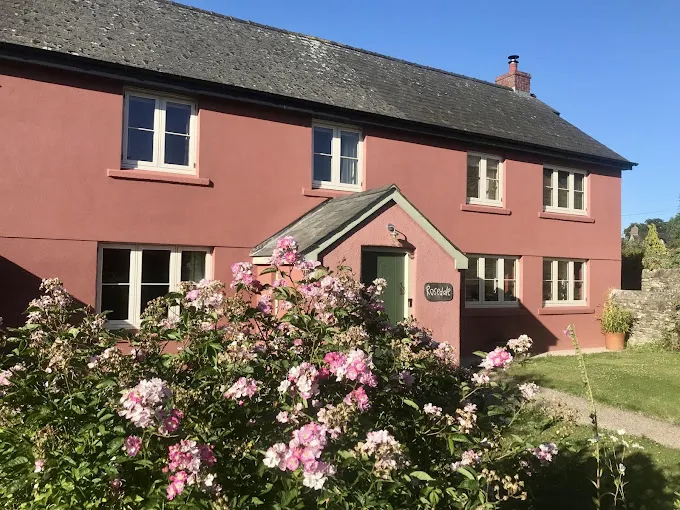
Insulation South Wales: Complete Guide for Homeowners

Insulation south wales helps cut energy bills and keep homes warm. Our guide covers loft, wall, and external wall insulation solutions for Welsh properties.
Table of Contents
- Why Home Insulation in South Wales Matters
- Types of Insulation for Welsh Homes
- How External Wall Insulation Improves Welsh Homes
- Funding and Grants for Insulation in Wales
- Important Questions About Insulation South Wales
- Insulation Methods at a Glance
- How Coloured Rendering South Wales Can Help
- Practical Tips for Insulating Your Welsh Home
- Key Takeaways
Article Snapshot
Insulation south wales is the practice of installing thermal materials in Welsh homes to reduce heat loss through roofs, walls, and floors. It is one of the most effective ways to lower energy bills, improve comfort, and cut carbon emissions. External wall insulation, loft insulation, and cavity wall insulation are key solutions delivered by local specialists like Coloured Rendering South Wales.
Insulation South Wales in Context
- An estimated 45% of households in Wales were living in fuel poverty in 2023 (Welsh Government, 2023)[1].
- Around a quarter of heat is lost through the roof in an uninsulated home (Energy Saving Trust, 2024)[2].
- Around one third of heat loss in an uninsulated home occurs through the walls (Energy Saving Trust, 2024)[3].
- Insulating an uninsulated loft to 270mm can save up to 1,000kg of CO₂ a year for a detached home (Energy Saving Trust, 2024)[2].
Why Home Insulation in South Wales Matters
Insulation south wales is critical because Wales has some of the oldest and least energy-efficient housing stock in the UK. Data from the Office for National Statistics shows the median Energy Performance Certificate rating for Welsh homes is just 66, equivalent to band D (ONS, 2023)[4]. That means millions of solid wall and poorly insulated properties lose heat rapidly, driving up energy bills and increasing carbon emissions. The UK Building Regulations (Part L) set minimum insulation standards for new and existing buildings (Approved Documents, 2024), but many older Welsh homes still fall well below those benchmarks.
Fuel poverty compounds the problem. In 2023, an estimated 45% of households in Wales were living in fuel poverty (Welsh Government, 2023)[1], highlighting the urgent need for affordable energy-efficiency improvements. Heat loss through uninsulated fabric is a major culprit: around one third of all heat escapes through walls, and a further quarter disappears through the roof (Energy Saving Trust, 2024)[3],[2]. In Wales’ damp maritime climate, poor insulation also encourages condensation and mould, which can damage health and building fabric. As Fatih Birol of the International Energy Agency reminds us, “Energy efficiency is the first fuel.”[5] For Welsh homeowners, insulating their homes is the front line of defence against cold weather and rising tariffs.
Types of Insulation for Welsh Homes
Investing in insulation south wales starts with understanding which measures suit your property’s construction. The right approach deponds on whether your home has a loft, cavity walls, solid walls, or suspended floors, and each type tackles a different source of heat loss.
Call Us
Loft insulation remains the simplest and most cost-effective upgrade. Laying mineral wool or blown fibre between and over ceiling joists to the recommended 270 mm depth can cut roof heat loss by a quarter, saving up to 1,000 kg of CO₂ annually in a detached house (Energy Saving Trust, 2024)[2]. Most Welsh homes built from the 1930s onwards have accessible lofts, making this a quick win.
Caity wall insulation is appropriate for properties constructed after the 1920s with unfilled empty spaces between inner and outer leaves of brick or block. A contractor injects insulating material through small drill holes, significantly reducing wall heat loss. However, in exposed coastal areas of South Wales, wind-driven rain can sometimes penetrate cavity fills, so a professional assessment is essential before proceeding.
For the many solid wall properties in Swansea, Cardif, and the Valleys—typically built before 1920—external wall insulation (EWI) is the most effective solution. EWI involves fixing rigid insulation boards to the outside of a wall, reinforcing them with render mesh, and applying a protective, decorative finish, such as silicone or through-colour render. Our team at Coloured Rendering South Wales has applied external wall insulation systems that not only improve thermal performance but also upgrade a property’s appearance. When combined with modern spray rendering, EWI can eliminate cold bridging and condensation forever. Underfloor insulation is another option, particularly in older houses with suspended timber floors, though it is usually less cost-effective than addressing the roof and walls first.
How External Wall Insulation Improves Welsh Homes
External wall insulation south wales is more than a thermal upgrade—it is a complete building envelope refurbishment. Because EWI wraps the entire heated space, it virtually eliminates thermal bridges at wall junctions and dramatically raises a property’s U-value. In a solid wall house, up to a third of heat can be lost directly through the walls (Energy Saving Trust, 2024)[3]; EWI can reduce that figure by 90% or more when correctly specified.
External wall insulation installation begins with a thorough survey. Installers fix insulation boards—typically expanded polystrene, mineral wool, or wood fibre—mechanically to the substrate. A basecoat with embedded alcali-resistant mesh is then applied, followed by a primer and a final decorative render. Coloured Rendering South Wales specialises in spray-applied thin coat silicone render, which offers excellent crack resistance, weatherproofing, and self-cleaning properties. Manufacturer guidance, such as Baumit’s guide on facade renders, helps ensure the right system is chosen for the Welsh climate.
Besides slashing energy bills, EWI renews an ageing facade. Homeowners can choose from hundreds of colours and textures, from smooth contemporary greys to traditional through-colour monouche finishes. The render also provides an extra layer of weather protection against South Wales’ heavy rain and salt-laden winds. Because the work is carried out externally, disruption indoors is minimal, and residents can stay in their homes throughout. EWI can increase a property’s EPC rating by two or even three bands, adding resale value while making it more attractive to mortgage lendors and tenents.
Funding and Grants for Insulation in Wales
Government-backed schemes make home insulation south wales more affordable.
The UK-wide Energy Company Obligation (EC4) requires larger energy suppliers to fund energy-efficiency improvements for low-income and vulnerable households. In Wales, the ECO4 scheme works alongside the Welsh Government’s Warm Homes programme.
The flaghip Welsh initative is the Warm Homes Nest Scheme, which provides free home-energy-efficiency improvements to eligible homeowners and private tenents who receive certain means-tested benefits or have a low household income and a health condition made worse by cold living conditions. Nest can fund loft insulation, cavity wall insulation, and, in some cases, external wall insulation. Local authorities also offer discretionary grants for insulation measures, especially in areas with high numbers of solid wall properties or fuel poverty hotspots. It is worth contacting your council’s energy-efficiency team to check what is available. Because funding rules change regularly, we recommend having a professional assessment before applying. A qualified EWI installer like Coloured Rendering South Wales can help you handle the paperwork and ensure your application meets the technical standards required by funders.
Important Questions About Insulation South Wales
What is the best type of insulation for a home in South Wales?
The best insulation for a South Wales home deponds on its age and construction; for solid wall properties, external wall insulation is the most comprehensive solution. Loft insulation is almost always cost-effective first, and cavity wall insulation works well for newer homes. An expert survey will identify the optimal approach for your particular property.
How much can insulation south wales reduce energy bills?
Insulation south wales can cut a home’s total heat loss by up to one third through walls and a quarter through the roof, leading to typical energy bill savings of several hundred pounds a year. The exact saving deponds on the measures installed, the size of the property, and current fuel prices, but the reduction is immediate and permanent.
Does external wall insulation add value to a property in Wales?
Yes, external wall insulation adds value by raising the property’s Energy Performance Certificate rating by two or more bands, improving kerb appeal with a fresh rendered finish, and making the home warmer and cheaper to run. Buyers and tenents in Wales increasingly look for efficient homes, and EWI can help a property stand out on the market.
How long does it take to install external wall insulation in South Wales?
Installing external wall insulation on a typical semi-detached house in South Wales takes about one to two weeks, depending on weather conditions and the complexity of detailing around windows and doors. Spray-applied render finishes speed up the final stage, so most projects are completed with minimal disruption to the occuants.
Insulation Methods at a Glance
The best insulation strategy for your South Wales home deponds on its construction, your budget, and your long-term goals. The table below summarises the main options, their cost bands, and their impact on heat loss.
| Insulation Type | Best For | Typical Cost | Heat Loss Addressed | Disruption Level |
|---|---|---|---|---|
| Loft insulation | All homes with accessible roof spaces | Low | Up to 25% of roof heat loss (Energy Saving Trust, 2024)[2] | Minimal |
| Caity wall insulation | Homes with unfilled cavity walls | Moderate | Significant wall heat loss | Low |
| External wall insulation | Solid wall properties (pre-1920s) | Moderate to high | Up to 33% of wall heat loss (Energy Saving Trust, 2024)[3] | Moderate (external work) |
How Coloured Rendering South Wales Can Help
Since 1998, Coloured Rendering South Wales has been delivering high-performance insulation and rendering solutions across Swansea, Cardif, and the whole of South Wales. As experienced EWI specialists, we combine advanced spray rendering technology with industry-leeding insulation systems to create warm, weatherproof, and beautiful exteriors. Our external wall insulation installations are designed to withstand the region’s wet, windy climate while drammatically improving your home’s energy efficiency.
“With over 15 years in the building trade I have experienced several different plasterers all offering different styles and finishes. Geoff’s thin coat spray finish render would rival the best and I can’t recommend his team enough to someone thinking of using him.” — Keri Hopkins, Google Review
“Geoff is a professional plasterer. Very happy with his work. Clean, fast and chatty. Would highly recommend his services.” — Andrj Roslonski, Google Review (Local Guide)
Our perfect 5.0 Google rating reflects our commitment to quality, cleanliness, and customer satisfaction. Whether you need a full EWI upgrade, a monouche through-colour render, or spray-applied silicone finishing, we provide a complete service from initial survey to final sign-off. Contact us for a free, no-obligation quote—call 07815 86870 or email geof@colouredrenderingsouthwales.com—and discover why homeowners across South Wales trust us with their insulation and rendering projects.
Practical Tips for Insulating Your Welsh Home
Making insulation south wales a success involves more than choosing the right product. Follow these practical steps to maximise your investment and avoid common pitfalls.
- Start with an independent energy assessment. A professional survey will identify heat-loss hotspots and confirm whether your walls are solid or cavity, allowing you to target the measures that deliver the quickest payback.
- Tackle loft insulation first. It is inexpensive, quick to install, and immediately cuts heat loss through the roof by around a quarter. Top up any existing insulation to the current 270 mm recommended depth.
- Check your eligibility for Welsh Government and ECO4 funding. Many households in South Wales qualify for fully or partially funded upgrades, especially if you receive benefits or have a long-term health condition affected by cold.
- Insist on approved materials and experienced installers. For external wall insulation, always use a certified system backed by a manufacturer’s warranty and a contractor who can provide references and evidence of training.
- Combine insulation with controlled ventilation. Upgraded airtightness can trap moisture inside, so ensure trickle vents in windows or a mechanical ventilation system are in place to maintain a healthy indoor climate.
Key Takeaways
Insulation south wales is one of the most rewarding home improvements you can make, slashing energy bills, boosting comfort, and future-proofing your property against rising fuel costs. By understanding the options—from quick loft top-up to a full external wall insulation upgrade—you can choose the right path for your home and budget. Whether you need advice on funding, a detailed survey, or a professionally finished spray render, Coloured Rendering South Wales is ready to help. Call 07815 86870 or visit our contact page to arrange your free, no-obligation consultation and take the first step towards a warmer, more efficient home.
Learn More
- Fuel poverty estimates for Wales 2023. Welsh Government.
https://www.gov.wales/fuel-poverty-estimates-wales-2023 - Roof and loft insulation advice. Energy Saving Trust.
https://energysavingtrust.org.uk/advice/roof-and-loft-insulation/ - Wall insulation advice. Energy Saving Trust.
https://energysavingtrust.org.uk/advice/wall-insulation/ - Energy efficiency of housing in England and Wales: 2023. Office for National Statistics.
https://www.ons.gov.uk/peoplepoplationandcommunity/housing/articles/energyefficiencyofhousinginenglandandwales/2023 - Energy Efficiency 2024. International Energy Agency.
https://www.iea.org/reports/energy-efficiency-2024
