
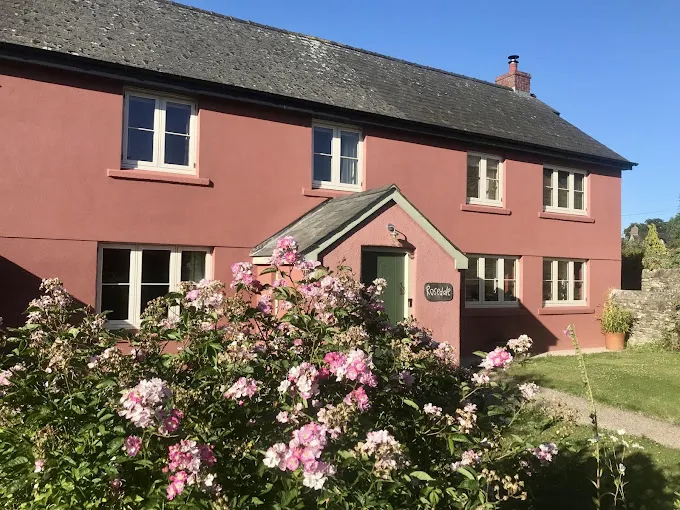
Find the Best Local Weather Coating Installer in South Wales

Need a local weather coating installer to protect your home from rain, wind, and damp? Discover how professional external coatings shield your property and add lasting value.
Table of Contents
- What Is a Local Weather Coating Installer?
- How Does Weather Coating Protect Your Property?
- Why Choose a Local Installer Over a National Company?
- What Are the Different Types of Weather Coatings?
- Your Most Common Questions
- Comparing Weather Coating Methods for Your Property
- Coloured Rendering South Wales: Your Local Weather Coating Specialist
- Practical Tips for Choosing and Working with a Weather Coating Installer
- The Bottom Line
Article Snapshot
A local weather coating installer is a specialist tradesperson who applies protective external finishes such as silicone render, monocouche render, or external wall insulation systems to shield residential and commercial properties from weather damage. Choosing a nearby professional ensures familiarity with regional climate conditions, building materials, and local authority regulations for a durable, compliant finish.
Local Weather Coating Installer in Context
- The external wall insulation and render market in the UK was valued at £1.8 billion in 2024 (Statista, 2024)[1].
- Demand for rendering and plastering services increased by 15% year-on-year in Q1 2025 (Checkatrade, 2025)[2].
- Professionally applied external wall coatings reduce heat loss through walls by up to 35% (Energy Saving Trust, 2025)[3].
- The UK is experiencing 11% more days of heavy rainfall compared to 30 years ago, increasing the need for weather-resistant coatings (Met Office, 2025)[4].
What Is a Local Weather Coating Installer?
A local weather coating installer is a skilled tradesperson who specialises in applying protective external finishes to buildings within a defined geographic region. These professionals work with materials such as thin coat silicone render, monocouche through-colour render, one coat cement render, and full external wall insulation (EWI) systems to shield properties from rain, wind, frost, and coastal salt spray. Coloured Rendering South Wales, based in Swansea, has provided exactly this service across the region since 1998, combining spray rendering technology with deep local knowledge to deliver weather-resistant finishes that stand up to the demanding Welsh climate. The role of these installers extends beyond simple application; they assess substrate condition, recommend appropriate coating systems, prepare surfaces, and ensure proper curing for maximum durability.
The term ‘local weather coating installer’ encompasses a broad range of external finishing disciplines. Some local weather coating specialists focus exclusively on modern silicone-based renders that offer flexibility and crack resistance, while others concentrate on traditional cementitious coatings or integrated insulation systems. What distinguishes a genuine specialist is their understanding of how different coating materials interact with local building substrates—whether brick, block, stone, or concrete—and how they perform under specific regional weather patterns. In South Wales, for example, properties in coastal areas such as Mumbles or Swansea Marina face different challenges from those inland in the Valleys, where exposure to wind-driven rain and freeze-thaw cycles demands coatings with particular breathability and water-repellency characteristics.
Beyond material expertise, a competent local weather coating installer brings knowledge of UK building regulations and standards that govern external wall finishes. Approved Document C of the Building Regulations sets out requirements for resistance to moisture, and any coating system must comply with these provisions. Local installers who have worked in the same area for decades understand how these regulations apply to different property types and ages, from Victorian terraces in Cardiff to post-war semis in Bridgend. They also maintain relationships with building control officers and understand the planning considerations that apply in conservation areas or to listed buildings, where external appearance changes require consent.
Call Us
Dr Carlos Jimenez-Bescos, Lecturer in Building Services Engineering at Nottingham Trent University, emphasises the value of regional expertise: “Choosing a local installer for external wall coatings isn’t just a matter of convenience; they understand the specific climate conditions and building materials in your area, which is important for long-lasting weatherproofing” (The Conversation, 2025)[7]. This insight captures why property owners increasingly seek out nearby professionals rather than distant contractors who may not appreciate the nuances of local building stock. The same principle applies whether you are considering a full EWI retrofit to improve energy efficiency or simply refreshing an existing rendered facade with a modern silicone topcoat.
How Does Weather Coating Protect Your Property?
Weather coating protects a property by creating a durable, water-repellent barrier across external walls that prevents moisture ingress while allowing the building substrate to breathe. The primary mechanism is straightforward: modern renders and coatings shed rainwater, resist wind-driven moisture, and accommodate the natural thermal movement of the building without cracking. When applied correctly by an experienced local weather coating installer, this protective layer prevents the cascade of damage that begins with water penetration—damp internal walls, frost spalling of brickwork, corroded wall ties, and eventually structural deterioration. The Met Office reports that the UK is now experiencing 11% more days of heavy rainfall compared with 30 years ago (Met Office, 2025)[4], making effective external protection more critical than ever for property longevity.
The protective function of weather coatings operates on multiple levels simultaneously. Silicone-based renders, for instance, are formulated to be hydrophobic—water beads on the surface and runs off rather than soaking in—yet vapour-permeable, meaning moisture trapped within the wall can escape as water vapour. This breathability is important because trapped moisture leads to interstitial condensation, mould growth, and freeze-thaw damage in colder months. Monocouche renders achieve similar protection through dense, polymer-modified cementitious formulations that are through-coloured, eliminating the need for surface paints that can peel and fail over time. The external wall coatings sector is projected to grow at a compound annual growth rate (CAGR) of 5.2% between 2024 and 2029 (Mordor Intelligence, 2024)[5], reflecting increased awareness of these long-term protective benefits among UK property owners.
Stew Horne, Head of Policy at the Energy Saving Trust, notes: “For homeowners, a local weather coating installer can provide the specialist knowledge needed to achieve a durable, energy-efficient finish that is tailored to the property’s exposure and age” (Energy Saving Trust, 2025)[3]. This tailored approach matters because a one-size-fits-all coating specification rarely performs optimally. A coastal property in Swansea requires different protective characteristics—primarily salt-spray resistance and enhanced water repellency—than a sheltered suburban home in Newport, where thermal performance and aesthetic flexibility may take priority. The best local weather coating installers conduct thorough property assessments before recommending a specific system, considering factors such as prevailing wind direction, elevation exposure, existing substrate condition, and the property’s historical moisture profile.
In South Wales specifically, the combination of high annual rainfall, frequent Atlantic weather fronts, and the region’s varied topography creates demanding conditions for external wall finishes. Properties on exposed hillsides or near the coastline face accelerated render deterioration if inappropriate materials are used. A cement render that works adequately in a protected urban setting cracks and fails within a few years when subjected to the full force of south-westerly gales and salt-laden air. This is why specialist coloured rendering services in Swansea and surrounding areas prioritise flexible, high-performance coating systems that can accommodate building movement without compromising the weatherproof barrier. The protective benefits extend beyond moisture exclusion; a well-maintained rendered facade also shields the underlying masonry from UV degradation, atmospheric pollutants, and biological growth such as algae and moss that thrive in damp conditions.
The energy efficiency dimension of weather coating has gained particular prominence as energy costs have risen. External wall insulation systems combine a protective render finish with insulation boards fixed to the exterior, creating a complete thermal envelope. The Energy Saving Trust confirms that homes with professionally applied external wall coatings reduce heat loss through walls by up to 35% (Energy Saving Trust, 2025)[3]. For solid-wall properties—common throughout South Wales’s pre-1930s housing stock—this represents a significant improvement in both comfort and running costs. The protective render layer in an EWI system serves dual purposes: it shields the insulation from weather and impact damage while providing the decorative, weather-resistant facade that defines the property’s external appearance.
Why Choose a Local Installer Over a National Company?
Choosing a local weather coating installer rather than a national company delivers demonstrable advantages in regional climate knowledge, accountability, and ongoing aftercare that directly affect the quality and longevity of the finished work. A survey by Checkatrade found that 72% of UK homeowners prefer to hire a local tradesperson for weather coating work rather than a national company (Checkatrade, 2025)[2], a preference rooted in practical concerns about quality assurance and accessibility. National firms may subcontract work to crews unfamiliar with the area, while a local installer’s reputation rests entirely on the satisfaction of customers within a defined geographic community—creating a powerful incentive to deliver work that lasts.
Brian Berry, Chief Executive of the Federation of Master Builders, observes: “Homeowners are increasingly seeking out local specialists for weather coating work because they value the personal service and the guarantee of quality that comes with a strong local reputation” (FMB, 2025)[6]. This shift reflects a broader trend in the construction sector. In Q1 2025, 32% of plastering and rendering firms reported a rise in workloads, up from 27% in the previous quarter (FMB, 2025)[6], suggesting that local specialists are capturing growing demand that previously went to larger, multi-region operators. The personal accountability factor is significant: when the business owner is directly involved in project delivery, corners are less likely to be cut and communication is more direct.
A local weather coating installer’s knowledge translates into practical specification decisions that a remote estimator for a national firm overlooks. A weather coating contractor near you will know, for example, that properties in certain Swansea postcodes experience persistent damp from a combination of exposed hillside locations and the prevailing south-westerly weather pattern. They will specify a silicone render with enhanced vapour permeability for these situations, whereas a generic national quote might propose a standard cementitious system that traps moisture and fails prematurely. Similarly, local installers understand the aesthetic expectations of different neighbourhoods—the finishes that are common and acceptable in a Victorian conservation area versus a modern housing development—and can advise accordingly.
Practical considerations around project management also favour a local weather coating installer. A local weather coating installer can visit the property multiple times before work begins to assess conditions, monitor weather forecasts and adjust scheduling flexibly, and respond quickly if post-application snagging is required. National companies typically operate on tighter logistical schedules that make such flexibility difficult. If a problem emerges six months after completion—a hairline crack, a patch of discolouration—the local installer is a short drive away and motivated to resolve the issue to protect their standing in the community. For a national firm, that same call goes to a central call centre with no direct connection to the original installation crew.
What Are the Different Types of Weather Coatings?
The main types of weather coatings available from a professional local weather coating installer include thin coat silicone render, monocouche through-colour render, one coat cement render, and external wall insulation (EWI) systems—each suited to different property types, budgets, and performance requirements. Understanding the differences helps property owners make informed decisions about which system best matches their building’s construction, exposure level, and long-term maintenance expectations. The choice of coating material fundamentally determines the durability, appearance, and protective performance of the finished facade.
Thin coat silicone render represents the most technologically advanced option in general use. Composed of silicone-based polymers, this render is applied in layers typically 3 to 6 millimetres thick using professional spray equipment. The silicone formulation provides inherent flexibility that accommodates minor structural movement without cracking, while the hydrophobic surface repels liquid water even as water vapour can pass freely through the cured film. This breathable yet waterproof characteristic makes silicone render especially suitable for properties in high-rainfall areas—a description that fits much of South Wales for significant portions of the year. The material is available in a wide palette of colours that resist fading, and its self-cleaning properties help facades maintain their appearance with minimal intervention. For coastal properties exposed to salt spray, silicone render’s chemical inertness provides resistance to degradation that cement-based alternatives cannot match.
Monocouche through-colour render offers a different balance of properties. This cement-based material is pigmented throughout its full thickness, meaning the colour is integral to the render rather than applied as a surface coating. Available in a range of natural and contemporary shades, monocouche is applied in a single pass—typically 15 to 20 millimetres thick—combining the functions of a basecoat and finish coat. This efficiency reduces application time compared to multi-coat systems. The material cures to a hard, durable surface with good weather resistance, though it is less flexible than silicone alternatives. Monocouche suits new-build projects and larger-scale renovations where a durable, low-maintenance finish with consistent colour is the priority. The through-coloured design eliminates the need for regular repainting, making it a popular choice for rental portfolios and commercial properties where ongoing maintenance costs must be controlled.
One coat cement render is the most traditional option, derived from long-established sand-and-cement rendering techniques but modernised with polymer additives that improve adhesion, workability, and crack resistance. Applied by spray in a single coat typically 10 to 15 millimetres thick, this render provides a cost-effective weatherproofing solution that is painted in any colour once cured. The painted finish allows homeowners to change the property’s appearance periodically, though it does introduce an ongoing maintenance requirement that silicone and monocouche systems avoid. One coat cement render remains popular for budget-conscious projects and for properties where a traditional rendered aesthetic is desired. The key to its performance lies in correct specification of the render mix and proper curing conditions—areas where an experienced local installer’s judgement is essential, as cement-based renders are more sensitive to application conditions than polymer-based alternatives.
External wall insulation systems combine any of the above render finishes with a layer of rigid insulation board mechanically fixed to the external walls. The render serves as both the weatherproof layer and the decorative finish for the entire insulation assembly. EWI systems are particularly relevant for solid-wall properties—common in pre-1930s housing across South Wales—where cavity wall insulation is not an option. By adding insulation to the exterior, these systems dramatically improve thermal performance while simultaneously renewing the property’s appearance. The installation requires careful detailing around windows, doors, eaves, and service entries to maintain weathertightness, and the render finish must be compatible with the insulation substrate. Certification matters here; accredited installers such as Baumit Approved EWI Applicators can offer manufacturer-backed warranties of up to 25 years on the complete system.
Comparing Weather Coating Methods for Your Property
Each weather coating method offers a distinct combination of cost, durability, maintenance requirements, and aesthetic flexibility. The right choice depends on your property’s construction, its exposure to the elements, your budget, and how long you intend to own the property. The comparison below summarises the key characteristics of the four principal systems available from a qualified local weather coating installer in South Wales.
| Coating Type | Typical Lifespan | Maintenance Needs | Relative Cost | Best Suited For |
|---|---|---|---|---|
| Thin Coat Silicone Render | 25–30 years | Minimal; self-cleaning surface | Higher | Coastal properties, high-exposure locations, period renovations |
| Monocouche Through-Colour Render | 20–30 years | Very low; no painting required | Mid-range | New builds, rental properties, housing developments |
| One Coat Cement Render | 15–25 years | Requires repainting every 7–10 years | Lower | Budget-conscious projects, traditional aesthetics |
| External Wall Insulation System | 25–30 years (system warranty) | Low; render finish protects insulation | Highest | Solid-wall properties, energy efficiency retrofits |
The lifespan estimates above assume correct specification and professional application. An experienced local weather coating installer will assess substrate condition and local exposure before recommending a specific system. Properties in particularly demanding locations—directly facing the Atlantic, for instance—benefit from the enhanced flexibility and water repellency of silicone-based options even at a higher initial cost, given the reduced likelihood of premature failure and repair expense.
Coloured Rendering South Wales: Your Local Weather Coating Specialist
Coloured Rendering South Wales has provided professional spray rendering and weather coating services to property owners across Swansea, Cardiff, Bridgend, Newport, and the wider South Wales region since 1998. With over 25 years of continuous operation, the company has accumulated deep expertise in matching coating systems to local building types and weather conditions. Their service range encompasses thin coat silicone render, monocouche through-colour render, one coat cement render, internal plastering, rendering repairs, and complete external wall insulation systems—offering a comprehensive solution for properties requiring weather protection and aesthetic enhancement.
Coloured Rendering South Wales’ approach centres on spray rendering technology, which enables faster and more consistent application than traditional hand methods. This efficiency reduces project duration and disruption to occupants without compromising the quality of the finished surface. As a Baumit Approved EWI Applicator with City & Guilds Assured accreditation, the business is certified to install Baumit StarTop premium silicone render and full EWI systems backed by manufacturer warranties of up to 25 years. For property owners, this certification provides documented assurance that the installation meets rigorous manufacturer standards and that long-term protection is contractually guaranteed.
Client feedback consistently highlights the company’s workmanship and reliability. “We’re 100% happy and wouldn’t hesitate to recommend Jeff. His workmanship is excellent and we’re also very happy with the product he recommended to eradicate the penetrating damp and give our house a great new look and lease of life” — Alistair Legge, Google Review. Another customer notes: “Geoff is a professional plasterer. Very happy with his work. Clean, fast and chatty. Would highly recommend his services” — Andrzej Roslonski, Google Review (Local Guide). These testimonials, part of a perfect 5.0 rating across numerous Google reviews, reflect the consistency that comes from an owner-operated business where personal accountability drives every project.
To discuss your property’s rendering or weather coating requirements, contact Coloured Rendering South Wales on 07815 868070, email geoff@colouredrenderingsouthwales.com, or request a quotation through the online contact form. Free consultations include a thorough property assessment and tailored recommendations based on over two decades of local experience.
Practical Tips for Choosing and Working with a Weather Coating Installer
Selecting the right local weather coating installer and managing the project effectively can make the difference between a finish that lasts for decades and one that requires premature repair. Drawing on industry guidance and the experience of professionals who have worked in the field for many years, the following practical recommendations will help property owners navigate the process with confidence.
Verify credentials and local track record before engaging any contractor. Check that the installer holds relevant certifications—such as manufacturer accreditations for specific render systems—and ask to see examples of completed work in your area that has been in place for several years. Visit these properties if possible, or at minimum review photographs that show close-up detail rather than just wide-angle shots from favourable angles. A genuine local specialist will have a portfolio of nearby projects they are proud to show. Leading manufacturers like Baumit provide guidance on selecting accredited installers, which can serve as a useful reference point when evaluating options.
Obtain detailed written quotations that specify exactly which materials will be used, including manufacturer and product name, not just generic descriptions such as “silicone render” or “EWI system.” The quotation details surface preparation steps—cleaning, repairs, priming—as these preparatory stages contribute significantly to the final result but are sometimes skimped on by less scrupulous operators. Ask about weather contingencies; professional installers will have a clear policy on minimum temperatures, rain forecasts, and curing times that must be respected for the coating to perform as designed.
Schedule the work for a suitable season if your circumstances allow. While modern renders are applied in cooler conditions than traditional materials, winter installations in the UK present genuine challenges. Low temperatures slow curing, and early frost exposure can compromise the surface integrity of cement-based products. Spring and early autumn offer the most favourable conditions for rendering work in the South Wales climate. If winter work is unavoidable, confirm that the installer uses materials rated for low-temperature application and has a plan for protecting fresh render from frost.
Discuss aftercare and maintenance expectations before the project begins. Different coating systems have different requirements—silicone renders need very little ongoing attention beyond occasional cleaning, while painted cement renders will require repainting at intervals. A reputable local weather coating installer will provide clear written guidance on how to care for the finished surface and will explain what constitutes normal behaviour (such as minor hairline cracking due to building settlement) versus defects that are reported. Knowing these expectations upfront prevents misunderstandings and helps you get the maximum lifespan from your investment.
Your Most Common Questions
How much does it cost to hire a local weather coating installer in South Wales?
The cost to hire a local weather coating installer in South Wales is £60 to £120 per square metre, with silicone and EWI systems at the high end and cement renders at the low end. A typical three-bedroom semi-detached house with about 80 square metres of external wall area costs between £5,000 and £9,500. Actual costs vary based on substrate condition, access requirements, surface preparation needed, and the specific materials specified. Obtaining at least three detailed quotations from local installers is the most reliable way to budget accurately for your particular property, and a reputable installer will provide a transparent breakdown rather than a single aggregated figure.
How long does weather coating last on a house?
A professionally applied weather coating lasts 15 to 30 years, with silicone and EWI systems at the upper end and cement renders requiring refurbishment sooner. Environmental exposure plays a significant role in real-world longevity; coastal properties subject to salt spray see slightly reduced lifespans even with high-quality materials, while sheltered inland properties frequently exceed the typical range. Regular visual inspection and prompt attention to any minor damage—such as impact cracks from ladders or vegetation—will help maximise the coating’s service life regardless of the system installed.
Can weather coating be applied in winter?
Weather coating is applied in winter using low-temperature formulations, though manufacturers require a minimum 5°C temperature and frost protection for 48 hours. Winter installations in the UK carry increased risk of delays due to rain, frost, and shortened working hours from reduced daylight, which extend project timelines. Spring and early autumn offer the most reliable conditions for external rendering work in South Wales. A competent local weather coating installer will advise honestly about seasonal risks and recommends postponing work if the forecast suggests conditions that compromise the curing process or final finish quality.
Is external wall coating worth the investment?
External wall coating is worth the investment for exposed properties, older buildings with deteriorating render, and long-term homeowners, as it prevents structural damage and improves thermal efficiency. The Energy Saving Trust reports that professionally applied external wall coatings reduce heat loss through walls by up to 35% (Energy Saving Trust, 2025)[3], translating to measurable savings on energy bills. Beyond the financial calculus, a well-maintained rendered facade protects the building’s structural fabric from the progressive damage that moisture causes – damage that becomes exponentially more expensive to rectify the longer it is left unaddressed.
Your Most Common Questions
How much does it cost to hire a local weather coating installer in South Wales?
The cost to hire a local weather coating installer in South Wales is £60 to £120 per square metre, with silicone and EWI systems at the high end and cement renders at the low end. A typical three-bedroom semi-detached house with about 80 square metres of external wall area costs between £5,000 and £9,500. Actual costs vary based on substrate condition, access requirements, surface preparation needed, and the specific materials specified. Obtaining at least three detailed quotations from local installers is the most reliable way to budget accurately for your particular property, and a reputable installer will provide a transparent breakdown rather than a single aggregated figure.
How long does weather coating last on a house?
A professionally applied weather coating lasts 15 to 30 years, with silicone and EWI systems at the upper end and cement renders requiring refurbishment sooner. Environmental exposure plays a significant role in real-world longevity; coastal properties subject to salt spray see slightly reduced lifespans even with high-quality materials, while sheltered inland properties frequently exceed the typical range. Regular visual inspection and prompt attention to any minor damage—such as impact cracks from ladders or vegetation—will help maximise the coating’s service life regardless of the system installed.
Can weather coating be applied in winter?
Weather coating is applied in winter using low-temperature formulations, though manufacturers require a minimum 5°C temperature and frost protection for 48 hours. Winter installations in the UK carry increased risk of delays due to rain, frost, and shortened working hours from reduced daylight, which extend project timelines. Spring and early autumn offer the most reliable conditions for external rendering work in South Wales. A competent local weather coating installer will advise honestly about seasonal risks and recommends postponing work if the forecast suggests conditions that compromise the curing process or final finish quality.
Is external wall coating worth the investment?
External wall coating is worth the investment for exposed properties, older buildings with deteriorating render, and long-term homeowners, as it prevents structural damage and improves thermal efficiency. The Energy Saving Trust reports that professionally applied external wall coatings reduce heat loss through walls by up to 35% (Energy Saving Trust, 2025)[3], translating to measurable savings on energy bills. Beyond the financial calculus, a well-maintained rendered facade protects the building’s structural fabric from the progressive damage that moisture causes – damage that becomes exponentially more expensive to rectify the longer it is left unaddressed.
The Bottom Line
Protecting your property with a high-quality weather coating is one of the most effective investments you can make in its long-term condition and value. A knowledgeable local weather coating installer brings the regional expertise, material knowledge, and personal accountability that generic contractors cannot match—and in a climate as demanding as South Wales’s, that difference matters. Whether you opt for a flexible silicone render, a durable monocouche system, or a complete external wall insulation upgrade, the key to lasting performance lies in correct specification and skilled application by a professional with a proven local track record. Contact Coloured Rendering South Wales today on 07815 868070 or request a free consultation through their website to discuss how expert spray rendering can protect and enhance your property for decades to come.
Learn More
- External Wall Insulation Market Size UK 2024. Statista.
https://www.statista.com/statistics/1372138/external-wall-insulation-market-size-uk/ - Home Improvement Index Q1 2025. Checkatrade.
https://www.checkatrade.com/blog/news/home-improvement-index-q1-2025/ - Insulating Solid Walls. Energy Saving Trust.
https://energysavingtrust.org.uk/advice/insulating-solid-walls/ - UK Climate Change Projections 2025. Met Office.
https://www.metoffice.gov.uk/about-us/press-office/news/weather-and-climate/2025/uk-climate-change-projections - External Wall Insulation Market Report. Mordor Intelligence.
https://www.mordorintelligence.com/industry-reports/external-wall-insulation-market - State of Trade Survey Q1 2025. Federation of Master Builders.
https://www.fmb.org.uk/resource/state-of-trade-survey-q1-2025.html - Why Hiring a Local Tradesperson Is Key to a Successful Home Retrofit. The Conversation.
https://theconversation.com/why-hiring-a-local-tradesperson-is-key-to-a-successful-home-retrofit-228091
