
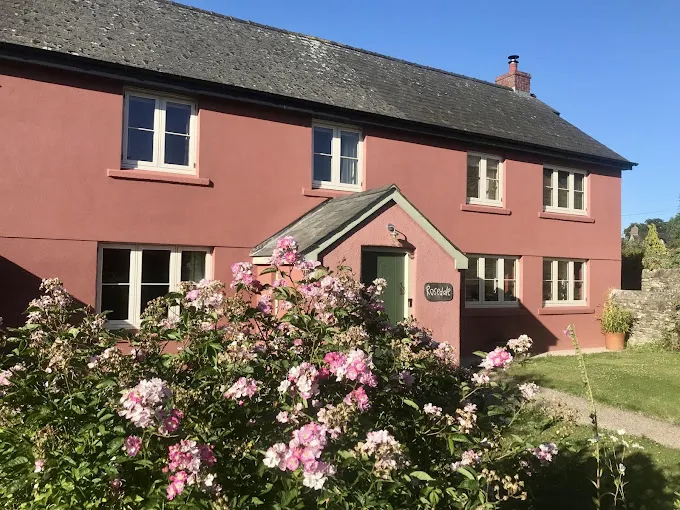
Monocouche Render Monmouthshire: Complete Guide

Monocouche render Monmouthshire homeowners and developers are choosing for durable, low-maintenance exteriors – discover costs, system types, and how to get the right finish for your property.
Table of Contents
- What Is Monocouche Render?
- Benefits for Monmouthshire Properties
- Costs and Application Methods
- Choosing the Right Render System
- Frequently Asked Questions
- Render System Comparison
- Why Choose Coloured Rendering South Wales
- Practical Tips for Your Rendering Project
- The Bottom Line
- Sources & Citations
Article Snapshot
Monocouche render Monmouthshire is a single-coat, through-coloured cement-based render applied directly to external walls, eliminating the need for a separate finish coat or painting. It delivers durable weather protection, consistent colour throughout its thickness, and a low-maintenance exterior finish suitable for both new builds and renovation projects across Monmouthshire and the wider South Wales region.
Monocouche Render Monmouthshire in Context
- Average UK monocouche rendering cost: £37 per m² (MyJobQuote, 2026)[1]
- Total cost for a 3-bed semi-detached (200m²): £7,000 with a standard colour (MyJobQuote, 2026)[1]
- Total cost for a 4-bed detached (300m²): £10,500 with a standard colour (MyJobQuote, 2026)[1]
- Next-generation monocouche formulations achieve a 22% reduction in carbon emissions from fossil fuels versus standard monocouche render (Saint-Gobain Weber, 2025)[2]
What Is Monocouche Render?
Monocouche render is a single-coat, through-coloured external rendering system that combines basecoat and finish coat in one application, providing durable weather protection without the need for painting or a separate top coat. The French word monocouche literally means “single layer,” which describes the system’s defining characteristic: colour runs through the full depth of the coat, so any surface abrasion or minor cracking does not expose a contrasting underlayer. For property owners in Monmouthshire – from the market towns of Abergavenny and Monmouth to the villages of the Wye Valley – this translates into a finish that holds its appearance year after year with minimal upkeep.
Coloured Rendering South Wales, based in Swansea and serving the wider South Wales region including Monmouthshire, has been specifying and installing monocouche through colour render since 1998. Our team regularly works across the border counties, where properties face a mix of rural exposure, river valley humidity, and elevation-driven wind and rain.
At its core, monocouche render is a cement-based product pre-blended with aggregates, pigments, and water-repelling additives. It is applied at 15-25mm thickness in a single operation, then tooled or textured to the desired finish. The through-coloured design means the render itself carries the decorative function – no paint is required once the product has cured. This matters particularly in Monmouthshire, where driving rain and seasonal temperature swings cause painted finishes to blister, peel, or fade within a few years of application.
Call Us
Monocouche systems are compatible with most masonry substrates, including brick, concrete block, and stone-faced backgrounds, making them well suited to the variety of property ages and construction methods found across Monmouthshire’s towns and rural settlements. They are applied by hand or using professional spray equipment – the latter offering faster, more consistent coverage and the finish quality expected on modern developments and high-specification renovation projects.
Key Benefits of Monocouche Render for Monmouthshire Properties
Monocouche through colour render delivers a combination of weather resistance, low maintenance, and aesthetic versatility that is well matched to the climate and building stock of Monmouthshire. The county sits at the intersection of the Brecon Beacons to the north and the Severn Estuary to the south, producing conditions that range from upland exposure on properties near Blaenavon to the milder but still wet microclimate along the Usk Valley. A render system that handles this range without demanding regular repainting or patching is a genuine long-term asset.
The primary practical benefit is weather resistance. Monocouche renders are formulated with water-repelling additives that cause rain to bead and run off the surface rather than soaking into the substrate. This prevents the damp penetration that undermines older sand-and-cement renders and causes internal condensation problems in solid-wall properties. Properties in exposed Monmouthshire locations – hilltop farmhouses, valley-side terraces – benefit from this protection throughout the wet autumn and winter months that define the Welsh Borders climate.
Low maintenance is the second major advantage. Because the colour is integral to the mix rather than applied as a surface paint, there is no film to crack, peel, or fade. Many monocouche renders also incorporate self-cleaning properties: their slightly textured surface helps rainwater wash away airborne grime rather than allowing it to accumulate. For landlords managing rental properties in towns such as Chepstow or Cwmbran, this removes the recurring cost of external repainting every five to eight years.
Aesthetic choice is broader than many property owners expect. Monocouche systems are available in dozens of standard colours, from traditional creams and buffs appropriate to older Monmouthshire stone buildings to contemporary greys and anthracites used on new builds. Textures range from fine scraped finishes to more pronounced rough-cast effects. This flexibility allows architects and homeowners to match the render to local vernacular or to achieve a distinctly modern appearance, depending on the project brief.
Monocouche render adds meaningful structural protection. The cement matrix bonds firmly to masonry and provides a hard, impact-resistant exterior skin that resists wind-driven debris, minor mechanical damage, and the freeze-thaw cycling that affects exposed Monmouthshire properties in winter. For Coloured Rendering Swansea – durable and attractive rendering solutions for residential and commercial properties, these same properties make monocouche a strong specification choice across the broader South Wales area.
Monocouche Render Costs and Application in Monmouthshire
Understanding monocouche render costs upfront allows property owners in Monmouthshire to budget accurately and compare quotations on a like-for-like basis. Costs depend on wall area, surface preparation requirements, chosen colour, and whether spray or hand application is used – but published UK benchmarks give a useful starting point.
The average UK cost for monocouche rendering is £37 per m² (MyJobQuote, 2026)[1]. For a 3-bed semi-detached house with approximately 200m² of external wall area, the total project cost with a standard colour sits around £7,000 (MyJobQuote, 2026)[1]. A larger 4-bed detached property covering 300m² costs around £10,500 for a standard colour option (MyJobQuote, 2026)[1]. For an average semi-detached across all colour options, total costs reach £8,750 (MyJobQuote, 2026)[1]. Material costs for monocouche render range from £10 to £25 per 25kg bag (MyJobQuote, 2026)[1], with premium products and bespoke colours sitting at the upper end of that range.
Several factors push costs above the baseline in Monmouthshire specifically. Properties in elevated or rural locations have scaffold access challenges that increase erection costs. Older properties require repair or removal of existing failed render before the monocouche is applied. Properties near the River Wye or in valley bottoms require additional substrate preparation to address moisture or algae growth on existing walls.
Application method is a significant variable. Hand application by an experienced renderer produces a high-quality result, but spray application – using professional rendering machines – covers wall area two to three times faster and produces a more consistent coat thickness throughout. Spray-applied monocouche is the standard method for new build developments and larger renovation projects, and it reduces overall labour costs on projects above approximately 100m². Our team uses professional spray equipment to deliver consistent, efficient results across Monmouthshire projects of all sizes.
When comparing quotations, check that the price includes surface preparation, primer coats where required, beading and stop bead detail around windows and doors, and any scaffold hire. A complete specification that identifies the exact monocouche product by brand and grade allows you to compare contractor prices on an equal footing rather than discovering differences in material quality after the work begins. You can Contact Coloured Rendering South Wales for a free quote or consultation on your rendering project to get a detailed, itemised estimate for your Monmouthshire property.
Choosing the Right Render System for Your Monmouthshire Property
Selecting the correct render system for a Monmouthshire property requires matching product characteristics to building type, substrate condition, exposure level, and long-term maintenance expectations – and monocouche through colour render is one of three main external render categories to consider alongside silicone thin coat and traditional cement render.
Monocouche render performs best on properties where the substrate is sound and relatively flat, where a textured finish is acceptable or preferred, and where budget and long-term maintenance savings are both priorities. Its through-coloured composition means no ongoing painting cost, and its cement-based matrix provides the structural protection expected on new builds and on solid masonry renovations. For Monmouthshire properties in exposed positions – elevated farmhouses near Skenfrith, coastal-adjacent buildings towards Caldicot – monocouche is a strong choice that handles driving rain without the cracking risk of older sand-and-cement systems.
Silicone thin coat render is a different class of product: polymer-modified, applied at 1.5-3mm thickness over an insulated or primed substrate, and offering superior flexibility and self-cleaning performance. It is the preferred finish coat on External Wall Insulation (EWI) systems and on properties where wall flatness and crack resistance are paramount. Thin coat silicone render costs more per m² in materials but covers less substrate mass per application, making total project costs comparable to monocouche on similar wall areas. Its breathability is superior, which matters on older Monmouthshire properties where moisture management through solid walls is a structural concern.
James Mead, R&D Director at Saint-Gobain Weber, has noted the direction render manufacturers are taking: “Our customers are increasingly turning to us to help them achieve their ambitious sustainability targets. We’ve worked with a panel of professional renderers across the UK to help develop and test weberpral E to make sure it’s not only more sustainable than previous renders but that it carries the same industry-leading standard of performance.” (Saint-Gobain Weber, 2025)[2]
One coat cement render occupies the entry-level position: cost-effective, durable, but requiring paint once cured and offering less inherent flexibility than monocouche or silicone systems. For Monmouthshire properties where the owner wants to change colour in future, or where budget is the primary constraint, one coat cement render remains a valid option – provided proper preparation and a suitable exterior paint system are budgeted alongside the render itself.
The decision ultimately comes down to three questions: What is the substrate condition? What level of maintenance are you willing to commit to long term? And does the property need additional thermal performance? For properties that need both a fresh exterior and improved energy efficiency, EWI Specialists South Wales – expert external wall insulation installations for energy efficiency provides a combined insulation-and-render solution that addresses both objectives in a single project. For a thorough assessment of which system suits your specific Monmouthshire property, professional advice from an experienced renderer is the most reliable starting point. You can also review the UK Building Regulations – Approved Documents for technical standards that apply to external wall systems.
Your Most Common Questions
How long does monocouche render last on a Monmouthshire property?
A properly specified and applied monocouche render system provides 20-30 years of service life on a well-maintained masonry substrate. The longevity depends on several factors: the quality of the monocouche product used, how thoroughly the substrate was prepared before application, the orientation and exposure of the walls, and whether any cracking or detachment is addressed early through minor repairs. Monmouthshire properties in exposed positions – facing prevailing south-westerly winds or at higher elevations – see more surface weathering over time, though this affects appearance before it affects performance. The through-coloured nature of monocouche means that surface abrasion does not produce visible patches of a different colour as it would with a painted render, so the finish retains a consistent appearance throughout its life. Periodic inspection every five years is recommended to identify any hollow patches or cracking around movement joints before water ingress becomes a problem. Addressing small areas of render repair promptly – rather than waiting for widespread failure – is the most cost-effective way to maximise the service life of a monocouche installation.
Can monocouche render be applied to older stone or brick properties in Monmouthshire?
Monocouche render is applied to older brick and concrete block substrates successfully, but its suitability for traditional stone buildings in Monmouthshire requires more careful assessment. The key issue with historic stone construction is breathability: older lime-mortared stone walls rely on moisture movement through the wall to manage dampness, and a relatively impermeable cement-based monocouche traps moisture within the wall if applied without adequate preparation or if the building has no cavity. For listed buildings or properties within Monmouthshire’s many conservation areas – particularly in towns like Monmouth, Usk, and Abergavenny – a lime-based or highly breathable render system is more appropriate, and planning consent is required before any external render is applied. For non-listed older brick properties with sound, stable mortar joints, monocouche performs well provided the substrate is primed appropriately and any loose or deteriorating mortar is raked out and repointed before application. A site inspection by an experienced renderer is important on pre-1919 properties to identify any substrate moisture issues that compromise adhesion or lead to early render failure.
How does monocouche render compare to silicone render for South Wales coastal and upland conditions?
Monocouche and silicone renders serve different purposes and perform differently in the varied conditions found across South Wales and Monmouthshire. Monocouche is a structural render – applied at full thickness to the masonry – and provides strong physical protection, good water repellency, and a textured finish without painting. Silicone thin coat render is a finish-coat system applied over a rendered or insulated background; it offers superior flexibility, crack resistance, and self-cleaning performance, making it better suited to properties where wall movement is a concern or where the smoothest possible finish is required. In exposed coastal positions such as those found along the Severn Estuary shoreline, silicone render’s superior flexibility and water repellency give it an advantage over standard monocouche. For inland Monmouthshire properties on standard cavity-wall construction, monocouche performs reliably and offers better value for money on straightforward renovation projects. The choice is rarely absolute: a project involving External Wall Insulation will use a silicone or acrylic finish coat over the insulation board, while a standard masonry re-render on a sound substrate makes monocouche the more practical specification. Professional advice based on your specific wall construction and location produces a better outcome than selecting a render system on price alone.
Do I need planning permission to apply monocouche render to my Monmouthshire home?
In most cases, applying monocouche render to a standard residential property in Monmouthshire falls under permitted development rights and does not require planning permission. However, there are important exceptions. If your property is a listed building, any external alteration – including re-rendering – requires Listed Building Consent from Monmouthshire County Council before work begins. Properties within designated conservation areas require prior approval if the new render would materially alter the appearance of the building, particularly if the existing finish or material is considered characteristic of the area. Properties within National Park boundaries – parts of Monmouthshire fall within the Brecon Beacons National Park – should be checked against National Park Authority guidance, which imposes additional controls on external materials and colours. Even where planning permission is not required, UK Building Regulations apply to the render work if it forms part of a broader project involving structural changes or if External Wall Insulation is included, as EWI affects the thermal envelope of the building. Checking with Monmouthshire County Council’s planning department before committing to a render specification is advisable for any property in a sensitive location, and your rendering contractor should be familiar with the local requirements that apply.
Monocouche Render vs Other External Render Systems
Choosing between monocouche render, silicone thin coat, and traditional cement render for a Monmouthshire property involves balancing upfront cost, long-term maintenance, flexibility, and finish quality. The table below summarises the key characteristics of each system to help property owners and specifiers make an informed decision.
| Render System | Cost per m² | Maintenance Required | Crack Resistance | Breathability | Best For |
|---|---|---|---|---|---|
| Monocouche Through Colour Render | £37 (MyJobQuote, 2026)[1] | Low – no painting required | Good | Moderate | New builds and solid masonry renovation; standard cavity-wall properties in Monmouthshire |
| Silicone Thin Coat Render | Higher material cost; competitive total project cost | Very low – self-cleaning surface | Excellent – polymer flexibility | High – vapour-permeable | EWI finish coats; exposed coastal or upland positions; properties requiring maximum crack resistance |
| One Coat Cement Render | Lower than monocouche per m² | Higher – requires periodic repainting | Moderate | Low | Budget-conscious projects; properties where colour change flexibility is desired |
Why Choose Coloured Rendering South Wales for Monocouche Render Monmouthshire
Coloured Rendering South Wales has been delivering external rendering and plastering services across South Wales and the Welsh Borders since 1998 – over 25 years of continuous operation that has built a thorough understanding of the substrates, weather conditions, and property types found throughout Monmouthshire. We are a Baumit Approved EWI Applicator with City & Guilds Assured accreditation, certified to install Baumit StarTop premium silicone render and complete EWI systems with manufacturer-backed warranties of up to 25 years. Our maintained 5.0 Google rating across dozens of verified reviews reflects a consistent standard of workmanship that property owners in Monmouthshire rely on.
We use professional spray rendering equipment to apply monocouche through colour render, which produces more consistent coat thickness and coverage than hand application alone – and reduces project duration, minimising disruption to occupants. For Monmouthshire projects, this efficiency matters: fewer days on scaffold means lower overall project costs and a faster return to normal property use.
Our service range covers the full lifecycle of an external wall: from Rendering Repairs South Wales – professional repairs and maintenance for external wall renders through to full monocouche or silicone re-renders and complete EWI systems. We provide free initial consultations, detailed written quotations, and post-completion care guidance for every project.
“We’re 100% happy and wouldn’t hesitate to recommend Jeff. His workmanship is excellent and we’re also very happy with the product he recommended to eradicate the penetrating damp and give our house a great new look and lease of life.” – Alistair Legge, Google Review
“With over 15 years in the building trade I have experienced several different plasterers all offering different styles and finishes. Geoff’s thin coat spray finish render would rival the best and I can’t recommend his team enough to someone thinking of using him.” – Keri Hopkins, Google Review
To discuss a monocouche render project in Monmouthshire, call us on 07815 868070, email geoff@colouredrenderingsouthwales.com, or visit our Home page of Coloured Rendering South Wales – expert spray rendering and external wall insulation services across South Wales to learn more about our services.
Practical Tips for Your Monocouche Render Project in Monmouthshire
Getting the most from a monocouche render installation in Monmouthshire comes down to preparation, specification, and timing. These practical considerations apply whether you are a homeowner in Abergavenny, a developer working on new properties near Chepstow, or a landlord maintaining a portfolio in Cwmbran.
Check the substrate thoroughly before specifying any render system. Tap the existing external surface to identify hollow patches, and inspect mortar joints for deterioration. Failed or loose areas must be removed and the substrate made good before monocouche is applied – attempting to render over a compromised background shortens service life and risks early adhesion failure.
Choose your colour with the surrounding environment in mind. Monmouthshire’s planning authorities and conservation officers have views on colour choices in sensitive areas. Warmer tones – creams, buffs, sandstone shades – sit more comfortably within the rural and market town settings of the county than stark whites or very dark greys, though contemporary finishes are acceptable in appropriate contexts. Request physical colour samples rather than relying on brochure images, as colours read differently at full wall scale.
Plan your project around weather windows. Monocouche render requires specific temperature and humidity conditions during application and the initial curing period – above 5°C and not applied in direct sunlight, heavy rain, or frost. Autumn and spring are the most reliable seasons in Monmouthshire, though summer projects are feasible with careful scheduling. Your rendering contractor should monitor weather forecasts closely around application dates.
Confirm your contractor’s product knowledge and accreditations. The monocouche render market includes products at very different performance levels. A contractor familiar with multiple systems – and certified to install manufacturer-backed products – will specify the right product for your wall construction, exposure level, and budget rather than defaulting to a single generic option. Ask to see examples of completed projects and check online reviews from named clients. You can also review guidance from the Property Care Association on external wall treatments and finding qualified contractors.
Budget for scaffold as a separate line item. Scaffold costs on a Monmouthshire semi-detached property add £800-£1,500 to a project. Confirm whether your quotation includes scaffold hire and erection, or whether this is a separate arrangement, to ensure accurate budget comparison between contractors.
The Bottom Line
Monocouche render Monmouthshire property owners choose for its combination of structural protection, through-coloured durability, and low ongoing maintenance makes it one of the most practical external render specifications available for the county’s varied building stock and weather conditions. From the exposed ridge-top properties near Blaenavon to valley-floor terraces in Chepstow, a correctly specified and professionally applied monocouche system delivers decades of service with no requirement for repainting and minimal maintenance intervention.
The key is getting the specification right from the outset – selecting the appropriate monocouche product for your substrate and exposure level, ensuring proper preparation, and working with a contractor whose track record on similar Monmouthshire projects is verifiable. Coloured Rendering South Wales brings over 25 years of South Wales rendering experience, professional spray application equipment, and Baumit Approved EWI Applicator status to every project.
To arrange a free assessment of your Monmouthshire property, call 07815 868070 or email geoff@colouredrenderingsouthwales.com today.
Sources & Citations
- Monocouche Render Costs. MyJobQuote, 2026.
https://www.myjobquote.co.uk/costs/monocouche-render - The evolution of monocouche render. Saint-Gobain Weber, 2025.
https://www.uk.weber/evolution-monocouche-render - UK Building Regulations – Approved Documents. GOV.UK.
https://www.gov.uk/guidance/approved-documents - Property Care Association.
https://www.propertycare.org/
