
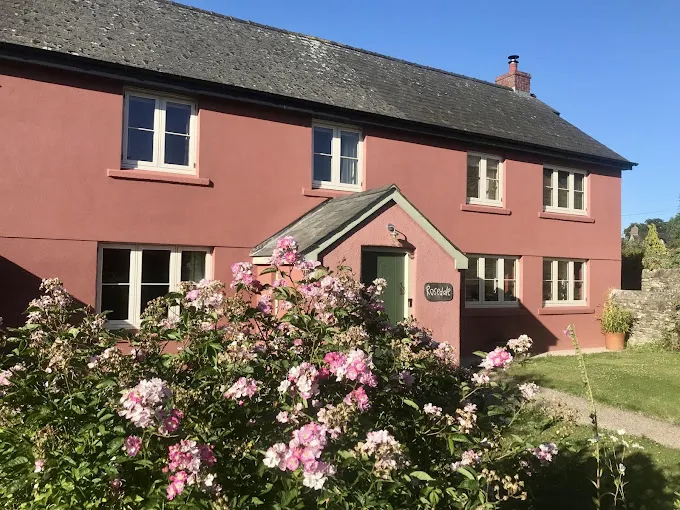
Energy Efficient Rendering South Wales Guide

Energy efficient rendering South Wales homeowners and landlords need to understand can dramatically reduce heat loss, improve EPC ratings, and protect properties against the region’s demanding coastal climate – here is what you need to know before investing.
Table of Contents
- What Is Energy Efficient Rendering?
- Why Energy Efficiency Matters in South Wales
- Render Systems That Improve Thermal Performance
- How Rendering Affects EPC Ratings in Wales
- Frequently Asked Questions
- Comparing External Render Systems for Energy Performance
- Coloured Rendering South Wales
- Practical Tips for Maximising Results
- The Bottom Line
- Sources & Citations
Article Snapshot
Energy efficient rendering South Wales is the application of insulating external render systems – particularly External Wall Insulation – to reduce heat loss through solid walls. Combined with modern silicone or through-colour finishes, these systems raise EPC scores, cut heating bills, and protect Welsh properties from rain, wind, and coastal salt air.
Energy Efficiency in Context
- Wales had a median EPC score of 68 (band C) in the ten years to March 2025, up from 64 (upper quartile band D) recorded in 2021 (Office for National Statistics, 2025)[1][2]
- 23% of homes in Wales were built before 1900, making solid-wall heat loss a widespread challenge for property owners (Valuation Office Agency, 2025)[3]
- 90% of new domestic properties received an EPC rating of A or B in April to June 2025, illustrating the gap between new and existing stock (Department for Levelling Up, Housing and Communities, 2025)[4]
- Torfaen recorded the highest proportion of local areas in Wales with a median energy efficiency score in band C or above, at 80% (Office for National Statistics, 2025)[1]
What Is Energy Efficient Rendering South Wales?
Energy efficient rendering South Wales refers to external wall systems that reduce thermal bridging and heat loss while simultaneously weatherproofing a building’s facade. Unlike decorative render applied purely for appearance, thermally active systems incorporate an insulation layer – typically expanded polystyrene (EPS) or mineral wool boards – fixed to the external wall before the render finish is applied. The result is a building envelope that holds heat inside during winter and moderates internal temperatures during warmer months.
Coloured Rendering South Wales has delivered these combined insulation and render solutions across the region since 1998, working on everything from Victorian terraces in Swansea to coastal properties in Mumbles where driving rain and salt air accelerate render failure.
The core mechanism is straightforward. Solid walls – particularly the stone construction common across much of rural Wales – conduct heat directly from inside a building to the outside air. An insulated render system interrupts that conductive pathway, reducing the U-value of the wall. A lower U-value means less heat escapes per square metre per degree of temperature difference, which translates directly into lower energy consumption and reduced heating bills.
Call Us
External Wall Insulation (EWI) systems are the most comprehensive version of this approach. They combine high-performance insulation boards with a reinforced render carrier coat and a decorative top coat – available in thin coat silicone, acrylic, or through-colour monocouche finishes. For properties without cavity walls, which represent a substantial portion of Wales’s housing stock, EWI is the only practical route to meaningful wall insulation. Baumit’s guidance on facade renders and paints outlines how modern render systems are engineered to balance weather resistance with vapour permeability, an important consideration for Welsh properties where trapped moisture causes as many problems as heat loss.
Even without a full EWI system, switching from a failed or porous sand-and-cement render to a modern silicone render improves a wall’s thermal performance by eliminating moisture ingress. Wet walls lose heat far more rapidly than dry ones, so restoring weatherproofing through a breathable render finish contributes to overall energy efficiency even when no additional insulation layer is added.
Why Energy Efficiency Matters Particularly in South Wales
South Wales faces a specific combination of factors that make external wall energy efficiency more pressing than in many other parts of the UK. The region’s high rainfall, Atlantic-facing exposure, and prevalence of older solid-wall construction create conditions where inadequate external insulation produces both high energy bills and accelerated building deterioration.
Wales’s housing stock is among the oldest in the UK. According to the Valuation Office Agency, 23% of homes in Wales were built before 1900 (Valuation Office Agency, 2025)[3]. Pre-1900 properties were almost universally built with solid walls – stone in rural areas, brick in urban centres – with no cavity and no insulation of any kind. Upgrading these properties to modern energy performance standards requires intervention at the wall itself, and external rendering is the least disruptive method for doing so without reducing internal floor space.
The Welsh Government has set clear targets for improving housing energy performance, and its policy position is direct: “Energy efficiency is the most sustainable way to reduce energy bills in the long term” (Welsh Government, 2019)[5]. For property owners in South Wales – whether homeowners, landlords, or developers – this policy direction has practical implications. Minimum Energy Efficiency Standards are tightening, and properties that fall below the required EPC threshold face regulatory restrictions on lettings.
Landlords are already feeling the pressure. Research from the National Residential Landlords Association captures the sentiment across the Welsh private rented sector: “The EPC is the big problem, especially in Wales. We have old housing stock, many made of stone, which are very difficult to insulate and to bring up to any kind of EPC level” (NRLA research, 2025)[3]. External render systems that incorporate insulation offer one of the most accessible solutions to this challenge, particularly for stone-built properties where internal insulation would require extensive internal disruption.
Wales also builds fewer new homes relative to its housing need than England – only 0.3% of Welsh homes are newly built annually compared to England (National Residential Landlords Association, 2025)[3]. This low new-build rate means the existing stock must be retrofitted rather than replaced, reinforcing the importance of external wall improvement programmes such as insulated render systems.
For coastal properties in areas such as Mumbles, Gower, and the Vale of Glamorgan, there is an additional dimension: wind-driven rain and salt-laden air degrade conventional renders more rapidly than inland conditions allow. Silicone render systems engineered for high exposure – breathable, hydrophobic, and flexible – address both the thermal and the weathering challenges simultaneously, making them the logical choice for energy efficient rendering in South Wales coastal zones.
Render Systems That Improve Thermal Performance
Three principal render systems are used for energy efficient rendering in South Wales, each with different performance characteristics, application methods, and cost profiles. Understanding the differences allows property owners to match the right system to their building type, budget, and energy efficiency target.
External Wall Insulation with Silicone Render Finish
EWI is the most thermally effective option available for solid-wall properties. High-performance insulation boards – typically EPS or mineral wool – are mechanically fixed and adhesive-bonded to the external wall, followed by a reinforcing mesh embedded in a polymer-modified basecoat. The finish coat, a thin coat silicone render, is then spray-applied over the cured basecoat.
Silicone render is the preferred finish for Welsh conditions because its polymer chemistry makes it inherently water-repellent while remaining vapour-permeable. Water cannot penetrate inward, but moisture vapour within the wall escapes outward. This breathability prevents trapped condensation, which would otherwise degrade both the insulation and the structural wall beneath. The self-cleaning properties of silicone formulations are a practical advantage in high-rainfall areas: rainwater sheets off the surface rather than soaking in, and the hydrophobic surface resists algae and biological growth.
Coloured Rendering South Wales holds Baumit Approved EWI Applicator status with City & Guilds Assured accreditation, enabling installation of Baumit StarTop premium silicone render and full EWI systems with manufacturer-backed warranties of up to 25 years. This certification matters to property owners because it ensures the system is installed to manufacturer specifications – a requirement for warranty validation and, in some cases, for compliance with planning conditions or grant funding requirements. For more detail on EWI installations across the region, visit our EWI Specialists South Wales page.
Monocouche Through-Colour Render
Monocouche render is a factory-blended, single-coat cementitious system that is coloured throughout its depth. It does not incorporate an insulation layer, so its contribution to thermal performance is indirect – primarily through eliminating moisture ingress into the wall, which reduces the thermal conductivity of the masonry. A wet brick or stone wall conducts heat significantly more efficiently than a dry one, so maintaining a dry wall through effective weatherproofing produces a measurable efficiency benefit.
For properties with cavity walls that already have cavity insulation, monocouche provides a durable, low-maintenance finish that protects the investment in cavity insulation by keeping the outer leaf dry. The through-colour formulation eliminates the need for repainting, which makes it a cost-effective choice over a 20 to 30-year horizon.
One-Coat Cement Render
Traditional cement render modernised through spray application provides weather protection and a paintable surface. Its thermal contribution is limited compared to EWI systems, but when applied over a wall that is currently unrendered or has failed render allowing moisture ingress, it produces a noticeable improvement in wall dryness and associated thermal performance. It remains the most affordable entry point for properties where budget constraints preclude a full EWI installation.
How Rendering Affects EPC Ratings in Wales
EPC ratings in Wales have improved steadily, but the gap between existing stock and new builds remains wide. The median EPC score for new dwellings in Wales reached 84 (band B) in the five years to 2024 (Office for National Statistics, 2024)[6], while the overall median for all Welsh properties stood at 68 (band C) as of March 2025 (Office for National Statistics, 2025)[1]. The Office for National Statistics notes that “new dwellings are becoming more efficient, regardless of property or tenure type” (Office for National Statistics, 2024)[6], but the challenge for older properties is substantial.
Wall insulation is one of the measures that EPC assessors score most heavily, because walls account for the largest area of the building envelope and represent the single biggest pathway for conducted heat loss in solid-wall properties. Installing EWI can move a property from band E or D to band C or above in a single intervention, depending on the insulation thickness used and the starting condition of the property.
For landlords, this matters acutely. Welsh Government regulations governing the private rented sector require properties to meet minimum energy performance standards, and the trajectory of policy is toward tighter requirements over time. The UK Building Regulations Approved Documents set out thermal performance requirements for renovation work that affects the building envelope, meaning that render projects on certain property types need to meet minimum U-value targets as part of the work.
Beyond compliance, an improved EPC rating has direct commercial value. Estate agents report that higher-rated properties achieve better sale prices and let more quickly. For landlords managing portfolios across South Wales, upgrading multiple properties with insulated render systems represents a structured approach to meeting incoming regulatory requirements while simultaneously improving asset values.
Local variation in energy efficiency performance across Wales is significant. Torfaen recorded the highest proportion of local areas with a median score in band C or above at 80% (Office for National Statistics, 2025)[1], while more rural and coastal local authorities tend to score lower, partly because of their older and more architecturally complex housing stock. Properties in Swansea, Neath Port Talbot, and the Vale of Glamorgan that fall into the lower EPC bands are prime candidates for insulated render upgrades.
Your Most Common Questions
Does external render actually make a noticeable difference to heating bills in a Welsh property?
Yes, particularly for solid-wall properties where wall heat loss is the dominant energy efficiency problem. An EWI system with adequate insulation thickness reduces wall heat loss by up to 80% compared to an uninsulated solid wall, depending on the U-value achieved. For a typical Victorian terraced house in Swansea with solid brick or stone walls, this translates into a meaningful reduction in annual heating demand. The improvement is largest in properties that currently have no wall insulation at all and that are heated by gas boilers or electric heating systems with high running costs. Properties in exposed coastal locations benefit additionally from the windproofing effect of a continuous external render system, which reduces infiltration heat loss as well as conducted wall heat loss.
What is the difference between silicone render and standard cement render for energy efficient rendering South Wales?
The fundamental difference lies in vapour permeability and water resistance. Standard cement render is relatively rigid and, once it develops fine cracks – which is inevitable over time due to thermal movement – it allows water to enter the wall while restricting its escape. A wet wall loses heat considerably faster than a dry one, so cracked cement render actively worsens thermal performance over time. Silicone render, by contrast, remains flexible because of its polymer composition. It accommodates the small movements that occur in masonry as temperatures change, resisting crack formation. Its hydrophobic surface prevents liquid water ingress while remaining permeable to water vapour, keeping walls dry. For the wet, windy conditions experienced across South Wales throughout the year, silicone render’s breathable, crack-resistant properties make it the technically superior choice for maintaining wall dryness and, by extension, thermal performance.
Can rendering alone improve my property’s EPC rating, or do I need additional insulation?
Render alone – without an insulation layer – will not produce a significant EPC score increase, because EPC assessors calculate energy performance based on the measured or calculated U-value of each building element. A thin coat render system applied to an existing solid wall changes the U-value only marginally. However, EWI systems that incorporate a layer of insulation board beneath the render finish produce substantial EPC improvements, because they directly reduce the wall’s U-value. The thickness of insulation used determines the degree of improvement – thicker boards yield better U-values but add more depth to the external wall face, which affects window and door reveals and requires careful detailing. For properties currently rated band E or below, a well-specified EWI installation achieves band C or better in a single project, making it one of the most efficient retrofit interventions available for solid-wall Welsh properties.
Are there grants or funding schemes available for insulated rendering in Wales?
Yes, several funding routes exist for Welsh property owners, though eligibility criteria and availability change over time. The Welsh Government’s Warm Homes programme supports energy efficiency improvements for lower-income households and those in fuel poverty, with EWI frequently listed as an eligible measure. The UK Government’s Great British Insulation Scheme and the Energy Company Obligation (ECO4) scheme also fund external wall insulation for qualifying properties in Wales. Landlords in the private rented sector access funding through local authority schemes, though regulatory inconsistency across Welsh councils creates administrative barriers – research from the NRLA highlights that local authority approaches to energy efficiency support vary considerably even between neighbouring councils (NRLA research, 2025)[3]. When speaking to a rendering specialist, ask whether the proposed EWI system is compatible with available grant funding, as some schemes require installation by approved contractors using certified system components.
Comparing External Render Systems for Energy Performance
Choosing the right system for energy efficient rendering in South Wales depends on your property’s wall construction, your EPC improvement target, and your available budget. The table below compares the four principal approaches on the criteria that matter most to property owners and landlords.
| System | Thermal Improvement | EPC Impact | Maintenance | Best For |
|---|---|---|---|---|
| EWI with Silicone Render | High – reduces wall U-value substantially (Office for National Statistics, 2025)[1] | Raises 1-2 EPC bands | Very low – self-cleaning, no repainting | Solid-wall properties; coastal locations; landlords needing EPC compliance |
| Monocouche Through-Colour Render | Moderate – keeps walls dry, reducing conducted loss | Marginal improvement | Low – no painting required | Cavity-wall properties with existing insulation; new builds and housing developments |
| Silicone Thin Coat (no insulation board) | Low-moderate – weatherproofing benefit only | Minimal direct EPC change | Low – breathable and hydrophobic finish | Properties with existing wall insulation needing finish renewal |
| One-Coat Cement Render | Low – basic weatherproofing | Negligible unless replacing failed wet render | Medium – requires periodic repainting | Budget-constrained projects; preparatory work before full upgrade |
Coloured Rendering South Wales
Coloured Rendering South Wales has provided energy efficient rendering South Wales property owners rely on since 1998. Based in Swansea, the team covers the full South Wales region – from Newport and Cardiff in the east to Pembrokeshire in the west – with deep knowledge of the coastal climate, older building stock, and local planning requirements that shape every project.
As a certified Baumit Approved EWI Applicator with City & Guilds Assured accreditation, we install full EWI systems and premium silicone render finishes with manufacturer-backed warranties of up to 25 years. Our spray rendering technology applies finish coats two to three times faster than traditional hand application, reducing project duration and minimising disruption to homeowners and tenants alike. Visit our home page of Coloured Rendering South Wales – expert spray rendering and external wall insulation services across South Wales for a full overview of our capabilities.
Our services include thin coat silicone render, monocouche through-colour render, one-coat cement render, rendering repairs, internal plastering, and complete EWI installations. Whether you are a homeowner seeking to reduce heating bills and improve your property’s appearance, a landlord working toward EPC compliance, or a developer finishing a new-build site, we can specify and deliver the appropriate system.
Client feedback reflects the quality of finish and professionalism of the team. “Geoff’s thin coat spray finish render would rival the best and I can’t recommend his team enough to someone thinking of using him. His professionalism and work ethic has stood out from many of the others we have worked with.” – Keri Hopkins, Google Review
“We’re 100% happy and wouldn’t hesitate to recommend Jeff. His workmanship is excellent and we’re also very happy with the product he recommended to eradicate the penetrating damp and give our house a great new look and lease of life.” – Alistair Legge, Google Review
To discuss your property’s requirements and receive a free, no-obligation quote, contact Coloured Rendering South Wales for a free quote or consultation on your rendering project. Call us on 07815 868070 or email geoff@colouredrenderingsouthwales.com.
Practical Tips for Maximising Energy Efficiency Through Rendering
Getting the most from an insulated render project in South Wales requires attention to specification, preparation, and detailing. These practical points will help you achieve the best outcome.
Specify insulation thickness to your U-value target, not your budget alone. EWI insulation boards are available in thicknesses from 40mm to 200mm or more. A thinner board will cost less but deliver a higher U-value (worse performance) than a thicker alternative. If your EPC improvement target requires reaching band C, work backwards from the U-value needed and specify the board thickness accordingly. An experienced rendering specialist can calculate this for your specific wall construction.
Address existing render failure before insulating. EWI is applied over the existing wall surface. If that surface has hollow, delaminating, or structurally compromised render, it must be removed and the substrate stabilised before insulation boards are fixed. Skipping this step risks adhesion failure of the new system. Our rendering repairs South Wales service assesses and prepares substrates correctly before an EWI installation begins.
Pay close attention to window and door reveals. When insulation boards are added externally, the depth of window and door reveals increases. Inadequate detailing at these junctions is a leading cause of water ingress in EWI systems and creates thermal bridges that undermine performance. Ensure your contractor demonstrates experience with reveal treatment and uses appropriate beading and sealant at all junctions.
Choose a certified installer for grant-funded work. If you plan to claim funding through ECO4, the Great British Insulation Scheme, or a Welsh Government programme, verify that your installer is approved under the relevant scheme before work begins. Retrospective approval is not available, and uncertified installations cannot be claimed against most public funding.
Consider the full system warranty, not just the render finish. Manufacturer-backed EWI system warranties cover the insulation layer, reinforcing mesh, basecoat, and top coat as an integrated assembly. Mixing components from different manufacturers voids warranty coverage. Using a single-system approach from a manufacturer such as Baumit, installed by an approved contractor, protects your investment for up to 25 years.
Plan seasonal timing for application. Silicone and acrylic render finishes require minimum ambient temperatures – above 5°C – and should not be applied during frost, rain, or high winds. South Wales winters limit application windows considerably. Scheduling render work for spring or early autumn gives the best conditions for curing and maximises the protection available heading into the next winter season.
The Bottom Line
Energy efficient rendering South Wales is a practical, proven route to reducing heat loss, improving EPC ratings, and protecting older properties from the demanding Welsh climate. With 23% of Welsh homes built before 1900 and a median EPC score of 68 still leaving considerable room for improvement, external wall insulation combined with modern render systems addresses both the thermal and the weathering challenges that solid-wall properties face.
The difference between a standard decorative render and a fully insulated EWI system with silicone finish can be the difference between a band D and a band C EPC rating – with lasting benefits to heating costs, tenant comfort, and property value. For landlords facing tightening regulatory requirements and for homeowners seeking to reduce running costs, the case for insulated rendering is strong.
Coloured Rendering South Wales has delivered these systems across Swansea, Cardiff, Newport, and the wider South Wales region for over 25 years. To find out which system suits your property and to receive a free quote, call 07815 868070, email geoff@colouredrenderingsouthwales.com, or visit our contact page today.
Sources & Citations
- Energy efficiency of housing in England and Wales: 2025. Office for National Statistics.
https://www.ons.gov.uk/peoplepopulationandcommunity/housing/articles/energyefficiencyofhousinginenglandandwales/2025 - Energy efficiency of housing in England and Wales: 2024. Office for National Statistics.
https://www.ons.gov.uk/peoplepopulationandcommunity/housing/articles/energyefficiencyofhousinginenglandandwales/2024 - Energy Efficiency Challenges in the Welsh PRS: Insights from Wave Research. National Residential Landlords Association.
https://www.nrla.org.uk/research/deep-insight-wls-energy-effiiciency - Energy Performance of Buildings Certificates Statistical Release April to June 2025. Department for Levelling Up, Housing and Communities.
https://www.gov.uk/government/statistics/energy-performance-of-building-certificates-in-england-and-wales-april-to-june-2025/energy-performance-of-buildings-certificates-statistical-release-april-to-june-2025-england-and-wales - Energy Efficiency in Wales. Welsh Government.
https://www.gov.wales/sites/default/files/publications/2019-06/energy-efficiency-strategy.pdf - Energy efficiency of housing in England and Wales: 2024 (new dwellings data). Office for National Statistics.
https://www.ons.gov.uk/peoplepopulationandcommunity/housing/articles/energyefficiencyofhousinginenglandandwales/2024
