
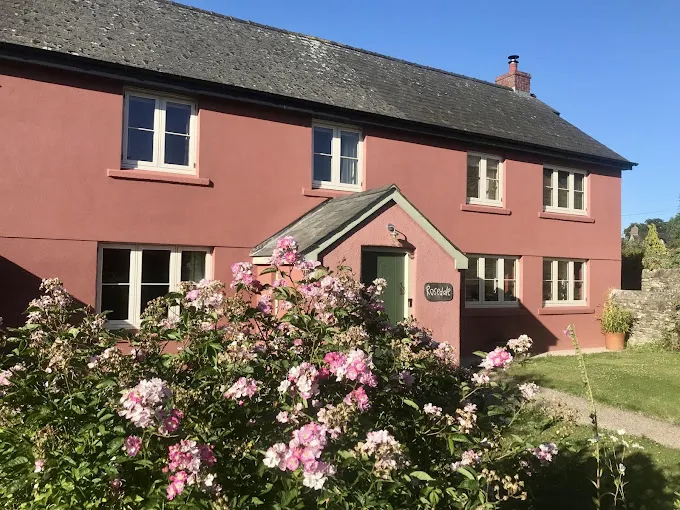
Expert External Wall Insulation South Wales

Discover how external wall insulation south wales can slash energy bills, protect your property from driving rain, and transform your home’s appearance. Learn about costs, grants, and the right installation approach for solid-walled Welsh homes.
Table of Contents
- What Is External Wall Insulation?
- What Are the Key Benefits of EWI in South Wales?
- How Is External Wall Insulation Installed?
- Which Materials and Finishes Are Best for Welsh Homes?
- Your Most Common Questions
- EWI vs Other Insulation Methods
- Why Choose Coloured Rendering South Wales for Your EWI Project?
- How to Plan Your External Wall Insulation Project in 5 Steps
- Key Takeaways
Quick Summary
External wall insulation south wales is a retrofitting system that involves fixing a layer of high-performance insulation board to the outside walls of a property, then protecting it with a modern, weatherproof render. It drastically reduces heat loss, cuts energy bills, and protects a building’s fabric from South Wales’ harsh coastal and valley weather.
Market Snapshot
- A staggering 94% of Welsh homes with solid walls remain uninsulated, highlighting a vast opportunity for thermal upgrades (Welsh Government, 2024).[1]
- Installing external wall insulation can slash wall heat loss by 45% (Cardiff University, 2024).[2]
- An impressive 13 out of 14 South Wales local authorities have pinpointed retrofit schemes as a primary weapon against fuel poverty (Welsh Local Government Association, 2025).[3]
For many homeowners in Swansea, Cardiff, and the South Wales Valleys, that persistent chill inside a solid-walled Victorian terrace or a cold 1930s semi isn’t just a comfort issue – it’s a significant drain on the bank account. External wall insulation south wales is the most effective solution for transforming these hard-to-treat properties into warm, energy-efficient homes. Coloured Rendering South Wales provides expert EWI installations that tackle this problem head-on, combining advanced thermal performance with pristine coloured render finishes. We will explore how this technology works, its unparalleled benefits against the backdrop of Welsh weather, what the installation involves, and how to choose the best materials and a trusted local partner for the job.
What Is External Wall Insulation South Wales?
External wall insulation (EWI) is a complete system applied to the outside of a building to dramatically improve its thermal performance and weather resistance. For a typical solid-walled property in South Wales, external wall insulation south wales is a transformative retrofit that wraps the entire home in a protective, insulating envelope. The system consists of a layer of rigid insulation boards mechanically and adhesively fixed to the exterior walls, covered with a reinforcing mesh, and finished with a durable, decorative render. This creates a ‘thermal jacket’ that prevents heat from escaping through the walls, which is the single greatest source of energy loss in an uninsulated home. As Dr Jo Patterson from Cardiff University explains, “Retrofitting the existing housing stock in Wales is essential if we are to meet our net zero targets. Solid wall insulation, including external wall insulation, represents one of the most effective measures for reducing heat loss in the millions of older, harder-to-treat properties across the country.” (Welsh Government, 2024).[1]
Why Are Solid Walls Such a Problem in Wales?
Unlike the modern cavity walls found in most houses built after the 1920s, solid walls have no gap to trap warm air. A huge proportion of South Wales’ housing stock, from the terraces of Swansea to the stone cottages of the valleys, is built this way. Without insulation, heat conducts straight through the wall to the cold outside, leaving your rooms chilly and your heating bills soaring. The Welsh Government has identified that a staggering 94% of these solid-walled homes are currently uninsulated (Welsh Government, 2024).[1] External wall insulation south wales addresses this fundamental design flaw by adding a continuous, high-performance layer of protection to the outside, instantly upgrading an old building’s performance to exceed modern standards.
Call Us
EWI vs. Rendering: A Confusion Cleared
A standard new coat of render, while visually improving and offering some weather protection, does not provide thermal insulation. Coloured Rendering South Wales frequently meets homeowners who mistake the two. A render is a decorative and protective skin, only a few millimetres thick. An external wall insulation south wales system is a much thicker build-up – 60mm to 150mm or more – of dedicated insulation material that is then finished with a render. The render is the attractive final coat, but the insulation board behind it is the functional core that delivers the energy savings. Choosing a specialist who understands this structural difference is the first step to a successful project.
What Are the Key Benefits of EWI in South Wales?
The benefits of installing external wall insulation in South Wales extend far beyond just a warmer house. It is a multi-faceted home improvement that tackles financial, environmental, structural, and aesthetic challenges in a single, integrated project. The combined pressures of rising energy costs and the region’s uniquely aggressive weather patterns make EWI one of the most impactful investments a property owner can make. The return is not just on a spreadsheet but in immediate daily comfort and long-term peace of mind.
Drastically Cutting Energy Bills and Carbon Footprint
The primary motivation for most homeowners is escaping the cycle of high energy bills. By reducing the heat lost through your walls by as much as 45% (Cardiff University, 2024),[2] an external wall insulation south wales system ensures your boiler or heat pump works far less to maintain a comfortable temperature. The Energy Saving Trust models average annual energy bill savings of £410 for a solid-walled home in Wales after the installation of EWI (Energy Saving Trust, 2025).[4] This saving goes straight back into your pocket year after year, insulating you against future price cap rises. The environmental impact is substantial, with a typical detached home avoiding 1.8 tonnes of CO2 emissions every year after the work is completed (Energy Saving Trust, 2025).[4]
Uncompromising Weather Protection and Structural Health
The South Wales climate, with its driving, wind-lashed rain, is notoriously tough on building exteriors. A key secondary role of external wall insulation south wales is acting as a waterproof and protective shield for the original wall. The render system, particularly a modern silicone-based one, is highly water-repellent yet breathable, a critical technical balance. Chris Jofeh, Chair of the Welsh Government’s Decarbonisation of Homes Advisory Group, highlights this point: “External wall insulation has a dual benefit for homeowners in South Wales. Not only does it drastically improve the thermal performance of traditionally built solid-walled properties, but it also protects the building fabric from our characteristic driving rain, prolonging the life of the home.”[5] This protection prevents water ingress, damp, and the subsequent frost damage that can degrade brick and stone over time, literally adding decades to the structural integrity of your home.
Eradicating Cold, Mould, and Condensation
Condensation and black mould are endemic problems in poorly insulated Welsh homes. They occur when warm, moist air inside the house hits a cold internal wall surface. By wrapping the house externally, the insulation keeps the internal surface of the wall warm, pushing the ‘dew point’ into the insulation layer where it cannot cause damage. This transformational change creates a healthier indoor environment. Dr Eshrar Latif from Cardiff University explains that “When correctly specified with breathable materials, it allows the wall to manage moisture effectively, preventing interstitial condensation and ensuring long-term durability.”[2] The days of wiping condensation from windows and repainting mouldy patches in the corner of a bedroom will be gone.
Enhancing Kerb Appeal and Adding Property Value
An external wall insulation south wales installation is a complete external makeover. The final render coat comes in an enormous range of colours and textures, from crisp modern whites to deep anthracite greys. You can completely transform a tired, pebble-dashed 1960s house into a sleek, contemporary home at a stroke. This aesthetic upgrade is a proven driver of value. A UK-wide survey by the Royal Institution of Chartered Surveyors (RICS) found that homes receiving EWI and a new render finish saw a property value uplift of 14% (RICS, 2024).[6] For a family home in Cardiff, that can represent a substantial sum, often covering a significant portion of the original installation cost.
How Is External Wall Insulation Installed?
The installation of an external wall insulation system is a carefully sequenced process best handled by an accredited professional team. A project can take two to three weeks for an average semi-detached house, a timeframe significantly shortened by the use of modern spray rendering techniques. The process begins long before the first board is fixed, with a thorough survey and protective setup, and proceeds through several critical stages to ensure a flawless, watertight, and thermally efficient result. Coloured Rendering South Wales manages this whole journey, providing a single point of accountability from start to finish.
Step-by-Step Application
The work begins with the installation of a new starter track at the base of the wall. This aluminium or uPVC profile provides a perfectly level and straight starting line for the insulation boards and protects their lower edge. The rigid insulation boards, expanded polystyrene (EPS), mineral wool, or phenolic foam, are then fixed to the wall using a combination of strong, polymer-based adhesive and specialist mechanical fixings. These fixings pierce the insulation and anchor deep into the original masonry. The boards are fitted tightly together in a staggered ‘brick-bond’ pattern to eliminate any thermal bridging. After any imperfections are sanded flat, a reinforcing mesh is embedded into a layer of basecoat adhesive over the entire surface, creating a shock-resistant and monolithic shell.
Window sills and cills need extending to cover the new, thicker wall build-up. This is a critical detailing point to prevent water creeping behind the system. A primer is then applied to the reinforced basecoat to ensure perfect adhesion of the final, decorative render. This top coat is a pivotal moment for efficiency. Unlike a traditional hand-trowelled finish, Coloured Rendering South Wales uses professional spray application equipment to apply the final render, be it a high-performance silicone or a through-colour monocouche. This machinery ensures a perfectly even thickness and a consistent, high-quality surface texture across large areas in a fraction of the time. All final sealant applications around windows, doors, and other penetrations are completed, leaving a clean, watertight, and stunning finished home.
Which Materials and Finishes Are Best for Welsh Homes?
Choosing the correct materials is not about picking a colour; it is a technical decision that will dictate the system’s performance and longevity for decades. The wrong specification can trap moisture and cause rapid failure, especially in the damp Welsh climate. The ideal external wall insulation south wales system balances high thermal performance with exceptional vapour permeability, or breathability. This ensures that any moisture within the wall structure can escape to the outside, preventing a build-up of condensation within the building fabric. A modern, high-performance thin coat silicone render is the gold standard final finish because it is tremendously flexible and hydrophobic (water-repelling), yet it allows water vapour to pass through it.
Render Systems: Silicone vs. Monocouche vs. Acrylic
For long-term value and peace of mind, a through-coloured finish is always recommended. At Coloured Rendering South Wales, we specialise in two market-leading solutions that are perfectly suited to the rigours of South Wales. The first is a premium thin coat silicone render, such as the Baumit StarTop system we are accredited to install. This is a 1.5mm thick polymer-rich render with unparalleled flexibility, making it highly resistant to the hairline cracking that can plague cheaper renders. It also has excellent ‘self-cleaning’ properties, helping the colour stay bright for longer under the Welsh rain. The second is a monocouche through colour render, a thicker, cement-based single-coat render that is coloured throughout its body. This offers a more robust, solid feel and a beautifully textured, scraped finish. The choice often comes down to personal preference for texture, with silicone offering a more modern, uniform finish, and monocouche providing a more traditional, handcrafted appearance. Both are available in hundreds of colours and will never need painting.
Our position as a Baumit Approved EWI Applicator is an important differentiator. This City & Guilds Assured accreditation is not just a badge; it means our work is backed directly by a major manufacturer. This provides homeowners with a long-term manufacturer-backed warranty of 10 to 25 years on a complete Baumit system – a level of assurance that uncertified installers simply cannot offer. It is the ultimate guarantee that a home is protected for the long haul.
Your Most Common Questions
Does external wall insulation require planning permission in South Wales?
External wall insulation south wales does not require a full planning application in most cases because it is considered a ‘permitted development’ right, but you must meet strict conditions. If your property is in a Conservation Area, a National Park, or an Area of Outstanding Natural Beauty, permission is required. The work must not cause your house to project forward and it must use materials of a similar appearance to the existing exterior. If you are unsure, the safest first step is to contact your local planning authority.
How much does external wall insulation cost in Wales?
External wall insulation for an average three-bedroom semi-detached house in South Wales costs between £8,000 and £13,000, depending on the system complexity, finish, and the thickness of insulation boards required. This price includes the scaffolding, all materials, and the professional installation. For a detailed, no-obligation quote tailored to your specific property, you can contact our team directly. Government grants, like the Warm Homes Nest scheme, can provide eligible households with up to £29,000 towards the work (Welsh Government, 2025),[7] reducing your investment to zero.
Will external wall insulation solve my damp and condensation problem?
A professionally installed external wall insulation south wales system is the definitive solution to internal condensation and penetrating damp because it warms the internal wall surface above the dew point so moisture can no longer condense on your walls. At the same time, the new external render acts as a waterproof shield, stopping driving rain from soaking into the brickwork. Any pre-existing issues, such as a leaking gutter or rising damp, must be fixed before the EWI system is installed.
How long does external wall insulation last for on a Welsh property?
A correctly installed and maintained external wall insulation system lasts for a minimum of 30 years, and often much longer, before it requires any significant renewal. The render finish, especially a high-quality silicone one, is engineered for exceptional durability against UV light and the harsh Welsh climate. Choosing a system like the Baumit StarTop we install, backed by a manufacturer’s warranty of up to 25 years, provides a ring-fence guarantee of that performance. The most important factor in its lifespan is the quality of the initial installation, making the choice of an accredited installer the single most critical long-term decision.
Comparing EWI with Other Home Insulation Methods
For a solid-walled home, you effectively have two choices for adding insulation: you can insulate from the inside, or you can insulate from the outside. While both improve thermal performance, they have profoundly different impacts on your living space, the building’s fabric, and the overall project. External wall insulation treats the entire building envelope as a system, whereas internal wall insulation (IWI) is a room-by-room approach, each with its own set of trade-offs. The following table clarifies where each method excels and where it falls short for a typical South Wales home.
| Feature | External Wall Insulation (EWI) | Internal Wall Insulation (IWI) |
|---|---|---|
| Impact on Living Space | No reduction to room sizes; all work is external. This is a major advantage for smaller Welsh terraces. | Reduces the floor area of every external room by 75-150mm. Requires the removal and refitting of radiators, sockets, and skirting. |
| Thermal Performance | Provides a continuous, unbroken layer of insulation, eliminating ‘cold bridges’ where floors and internal walls meet the external wall. Delivers a 45% reduction in wall heat loss (Cardiff University, 2024).[2] | Very difficult to perfectly seal between joists and around partition walls, leaving cold spots that can attract condensation behind the insulation. |
| Weather Protection | Forms a completely new, waterproof exterior shell, resolving 100% of penetrating damp and weatherproofing issues. | Provides zero protection to the original external wall, which remains exposed to driving rain and frost attack. |
| Disruption and Project Duration | All work is external, so you can live normally inside. Scaffolding is the main inconvenience. A 3-bed semi can often be completed in 1-2 weeks. | Causes significant internal disruption, effectively making one room unusable at a time. A full house could take many weeks of upheaval. |
Why Choose Coloured Rendering South Wales for Your EWI Project?
When it comes to a complex, long-term investment like external wall insulation south wales, your choice of installer is everything. The system’s performance and lifespan depend entirely on the expertise of the team applying it. With over 25 years of experience serving Swansea, Cardiff, and the whole of South Wales, Coloured Rendering South Wales offers a level of local knowledge, specialist skill, and verified quality that is unmatched. Our deep understanding of local architecture allows us to specify the right system for a Victorian terrace in Pontcanna or a seafront property in Mumbles, ensuring it effectively manages our unique climate.
We are more than just a rendering company; we are accredited EWI specialists. Our status as a Baumit Approved EWI Applicator with a City & Guilds Assured accreditation is proof of our technical competence, which has been independently assessed. This allows us to install premium systems like the Baumit StarTop silicone render, backed by an extensive manufacturer’s warranty, giving you long-term, documented peace of mind. Our clients consistently report experiences that speak to our diligence and respect for their homes. “Geoff fitted External Wall Insulation to a wall that had a number of issues and through which a lot of heat was being lost. Geoff is very tidy, he talked us through it at every stage and was very respectful of our neighbours whilst working in their property. Great job!” — Abby Harries-Heat, Google Review. A recent review from a fellow professional also highlights the quality of our spray finish: “With over 15 years in the building trade I have experienced several different plasterers all offering different styles and finishes. Geoff’s thin coat spray finish render would rival the best and I can’t recommend his team enough…” — Keri Hopkins, Google Review.
Our service covers the entire spectrum. We begin with a free, no-obligation home survey to assess your walls and discuss your aims. We provide detailed, transparent quotes and can advise on potential eligibility for Welsh Government grants. Our use of advanced spray rendering technology allows for a faster, cleaner installation with a flawless, consistent finish. We invite you to see the quality for yourself in our online gallery of completed work. Don’t just insulate – transform your home with a partner trusted across South Wales. Contact us today to start your journey to a warmer, more beautiful home.
How to Plan Your External Wall Insulation Project in 5 Steps
How to Plan Your External Wall Insulation Project in 5 Steps
Verify Your Wall Construction Type
First, confirm you have solid walls if your house was built before the 1930s. A tell-tale sign is a ‘brick bond’ pattern showing alternating long and short brick ends. This step is important because only solid walls benefit from external wall insulation; a cavity wall, which has a gap, is a different insulation project. The Energy Saving Trust’s website provides a visual guide if you’re unsure.
Check Your Planning Status and Neighbours
Before getting your hopes up, establish whether planning permission is needed. Contact your local planning department, providing your address, especially if your home is listed or in a conservation area. Simultaneously, discuss your plans with your neighbours, particularly if you share a wall. For a semi-detached or terraced house, the external wall insulation must seamlessly meet on the boundary line and be continued to receive the full benefit.
Commission a Professional Assessment and Detailed Quote
Arrange a survey with an accredited EWI specialist like Coloured Rendering South Wales. The assessor will measure the walls, look at windows, cills, and the roof overhang, and check for asbestos or existing damp. They will calculate the correct thickness of insulation to meet current building regulations and provide a fixed, written quote. This is the moment your project becomes tangible.
Secure Your Funding, Including Welsh Government Grants
With your quote in hand, investigate all your funding options. The primary route is the Welsh Government’s Warm Homes Nest scheme, which offers up to £29,000 of free improvements for eligible low-income and fuel-poor households (Welsh Government, 2025).[7] Check the eligibility criteria online and apply directly, or your installer can help guide you through this process before any work is scheduled.
Agree the Colour, Texture, and Final Detailing
The final, and most visually exciting step, is to finalise the aesthetic design. Select your render type and choose the exact colour and texture from a large manufacturer’s colour chart. Also, decide on all the detailing – the profile and colour of the window sills, new external pipework if needed, and the position of any replaced external lights or meters. Locking in these details ensures there are no surprises when the scaffold comes down.
Key Takeaways
External wall insulation south wales is a transformational home improvement that pays for itself in multiple ways. It is the single most effective method to slash energy bills in solid-walled homes, while also defending them from the relentless Welsh rain and completely modernising their appearance. The science is clear: a correctly specified, breathable system installed by a certified professional is a lifetime upgrade that solves condensation issues and can add over a tenth to your property’s value. With substantial government grants currently available, there has never been a better time to act. Take the first step towards a warmer, healthier, and more valuable home today. Contact our team at Coloured Rendering South Wales on 07815 868070 or visit our website for your free, no-obligation consultation and discover the perfect external wall insulation solution for your property.
Further Reading
- Building the Future: Retrofitting Wales’ Homes for Net Zero. Welsh Government.
https://www.gov.wales/building-future-retrofitting-wales-homes-net-zero - Research on Breathable Insulation for Traditional Welsh Buildings. Cardiff University.
https://www.cardiff.ac.uk/news/view/2856789-research-on-breathable-insulation - Fuel Poverty Retrofit Local Authority Plans 2025. Welsh Local Government Association.
https://www.wlga.wales/fuel-poverty-retrofit-local-authority-plans-2025 - Solid Wall Insulation Advice. Energy Saving Trust.
https://energysavingtrust.org.uk/advice/solid-wall-insulation/ - Housing Retrofit: A Strategy for Warmer, Greener Homes in South Wales. Business News Wales.
https://businessnewswales.com/housing-retrofit-strategy-warmer-greener-homes-south-wales - UK Retrofit Housing Market Survey 2024. Royal Institution of Chartered Surveyors (RICS).
https://www.rics.org/news-insights/uk-retrofit-housing-market-survey-2024 - Nest Scheme Free Energy Efficiency Improvements. Welsh Government.
https://www.gov.wales/nest-scheme-free-energy-efficiency-improvements
