
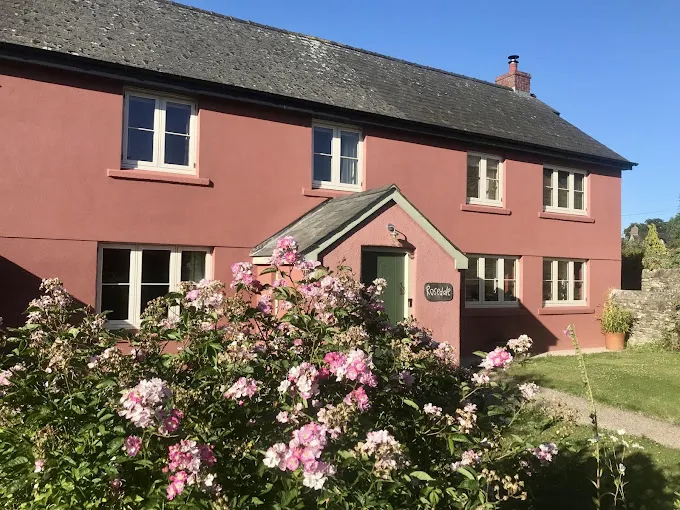
Silicone Render South Wales: Complete Guide

Silicone render south wales is the go-to external wall finish for homeowners and developers seeking durable, low-maintenance protection against the region’s demanding coastal and wet climate conditions.
Table of Contents
- What Is Silicone Render and How Does It Work?
- Why Silicone Render Suits South Wales Properties
- Silicone Render South Wales: Costs and Key Considerations
- The Application Process and What to Expect
- Frequently Asked Questions
- Silicone Render vs Other External Render Systems
- Coloured Rendering South Wales
- Practical Tips for Choosing Silicone Render
- The Bottom Line
- Sources & Citations
Article Snapshot
Silicone render south wales is a polymer-modified, thin-coat external wall finish that delivers outstanding weather resistance, breathability, and self-cleaning performance. It is particularly well-suited to the high-rainfall, coastal conditions of South Wales, offering a lifespan of 20 years or more with minimal maintenance.
By the Numbers
- Average installed cost of silicone render: £72.50 per m² including materials and labour (Checkatrade, 2025)[1]
- Installed cost range for a typical house: £50–£75 per m² (Plasterers Cardiff, 2025)[2]
- Manufacturer guarantees of up to 25 years available on silicone render systems (South Wales Rendering Network, 2025)[3]
- Expected minimum lifespan of silicone render: 20 years (Plasterers Cardiff, 2025)[2]
What Is Silicone Render and How Does It Work?
Silicone render south wales is a factory-mixed, polymer-modified thin-coat system applied over a reinforced basecoat to create a flexible, hydrophobic external surface that repels water while allowing the wall to breathe. Unlike traditional cement render, which relies on paint for colour and requires periodic repainting to maintain its appearance, silicone render is pre-coloured throughout its mix, retaining its finish for decades without additional decoration. Coloured Rendering South Wales has been installing silicone-based render systems across the region since the late 1990s, giving local homeowners and developers access to a specialist team with direct experience of Welsh building conditions.
The system works by combining a silicone resin binder with carefully graded aggregates and UV-stable pigments. Once applied, the cured surface produces a microscopically textured layer that draws moisture away from the substrate through capillary action – a property known as hydrophobic breathability. This means rainwater cannot penetrate inward, yet moisture vapour from within the wall escapes outward, dramatically reducing the risk of interstitial condensation and associated damp problems. For properties across Swansea, Cardiff, and the wider South Wales coastline, where wind-driven rain is frequent, this characteristic is particularly valuable.
Silicone render is almost always applied as a thin coat – between 1.5mm and 3mm thick – over a polymer-modified basecoat reinforced with alkaline-resistant fibreglass mesh. This reinforcement layer controls cracking and provides a stable substrate for the finish coat. As Jub Renders Experts note, “Silicone external renders have gained the most popularity in recent years since it offers so much more than the more traditional solutions.” (Jub Renders Experts, 2025)[4] The compound’s flexibility also means it accommodates minor structural movement without cracking, making it suitable for older solid-wall properties common across South Wales.
Call Us
The silicone chemistry gives the surface a self-cleaning quality. Rainfall causes water to sheet off the hydrophobic surface rather than soaking in, carrying airborne dirt and biological growth with it. This keeps the façade looking fresh between professional cleans, a significant advantage in South Wales where high humidity and salt-laden coastal air accelerate algae and lichen growth on porous cement renders. The self-cleaning mechanism is passive – it requires no maintenance product or additional treatment after installation.
Why Silicone Render Suits South Wales Properties
Silicone render is exceptionally well matched to South Wales architecture and climate, offering protection that traditional render systems struggle to sustain in the region’s demanding environment. South Wales receives consistently high annual rainfall, with coastal towns such as Mumbles, Barry, and Penarth exposed to salt-laden winds from the Bristol Channel and beyond. These conditions accelerate the deterioration of cement-based finishes, causing cracking, spalling, and water ingress within years of application. Silicone render, by contrast, is engineered to shed water, resist freeze-thaw cycling, and endure salt air without surface breakdown.
For Victorian and Edwardian terraced houses – a common property type across Swansea and Newport – original lime or cement renders fail at mortar joints, allowing water to track into solid brick walls. Silicone render applied over a suitable basecoat seals these points of weakness while retaining the vapour permeability that solid walls need to manage moisture. Bets Spray Renders Team confirm that “Silicone render systems are a great way to preserve exterior façades in your property. They can help limit penetrating damp, as well as helping to improve thermal efficiency.” (Bets Spray Renders Team, 2025)[5]
The colour retention characteristics of silicone render are equally important in South Wales, where properties fronting busy coastal roads are routinely exposed to ultraviolet light, sea spray, and exhaust deposits. Because the pigment is suspended throughout the silicone matrix rather than applied as a surface coating, fading is minimal compared with painted cement render. Property owners choose from an extensive palette of through-colours – from contemporary anthracite greys to traditional cream and off-white – with confidence that the chosen shade will remain consistent for many years without repainting. This removes the single largest ongoing maintenance cost associated with traditional external decoration.
New build housing developments in Cardiff, Bridgend, and the valleys have increasingly specified silicone render as the standard external finish, driven partly by housebuilder interest in low-maintenance exteriors that maintain kerb appeal through the property warranty period. For Coloured Rendering Swansea – durable and attractive rendering solutions for residential and commercial properties, this shift has created significant demand for spray-applied silicone systems across both residential and commercial sectors. The spray application method provides a notably more consistent texture and thickness than hand application, which matters when covering large wall areas on multi-unit developments.
Energy performance is a growing consideration for South Wales property owners responding to rising fuel costs and tightening EPC requirements. When silicone render is specified as the outer finish coat over an External Wall Insulation (EWI) board system, the combined assembly delivers substantial reductions in heat loss through solid walls – walls that account for a significant proportion of heating losses in pre-1919 housing stock, which makes up a large share of properties across the South Wales Valleys.
Silicone Render South Wales: Costs and Key Considerations
Understanding the full cost of silicone render installation is important for budgeting accurately and evaluating quotes from contractors. The cost of silicone render in South Wales broadly follows national benchmarks, with the average installed price sitting at £72.50 per m² including materials and labour (Checkatrade, 2025)[1], though local market rates and site-specific factors move the final figure considerably. The Checkatrade silicone render cost guide places the typical range at £65–£80 per m² for standard residential work, while premium thin-coat systems reach £70–£90 per m² where specialist products and certifications are involved (Self-Build.co.uk, 2025)[6].
Materials alone account for approximately £11.80 per m² (Checkatrade, 2025)[1], with the bulk of the project cost relating to skilled labour. Typical daily rates for silicone render application run at around £280 per day (Checkatrade, 2025)[1], or roughly £35 per hour (Checkatrade, 2025)[1] depending on the contractor and project complexity. Frank, Rendering Expert at Self-Build.co.uk, acknowledges that “Thin-coat silicone and acrylic systems are considered premium products and are generally more expensive as a render solution when compared to other options.” (Frank, 2025)[6] Despite the higher upfront cost, the long-term economics are compelling: silicone render requires no repainting and has a minimum expected lifespan of 20 years (Plasterers Cardiff, 2025)[2], with manufacturer guarantees of up to 25 years available on certified systems (South Wales Rendering Network, 2025)[3].
Several factors influence the final cost for South Wales projects specifically. Properties in coastal locations – Mumbles, Porthcawl, Tenby, and similar – require upgraded basecoat specification and additional surface preparation to deal with salt contamination of existing substrates, adding to the overall price. The condition of the existing wall surface also matters significantly: heavily cracked or failed render that requires hacking off and disposal adds both time and material cost before new silicone render is applied. Scaffolding is the other major variable, particularly for detached or semi-detached properties where full perimeter access is required.
Access and Rendering Repairs South Wales – professional repairs and maintenance for external wall renders to existing substrates should be factored into planning from the outset. Requesting an itemised quote from a reputable contractor allows you to understand exactly what is covered at each stage, from substrate preparation and priming through to the finish coat and any architectural detailing around windows, doors, and soffits.
The Application Process and What to Expect
The application of silicone render follows a structured multi-stage process that directly determines the durability and appearance of the finished surface. Proper substrate preparation is the most important phase, as silicone render applied over an inadequately prepared wall will fail prematurely regardless of the product quality. Preparation begins with a full assessment of the existing wall surface – checking for hollow sections, cracks, damp ingress, and any biological contamination such as moss or algae. Hollow or failed areas must be cut out and made good before priming.
Once the substrate is sound and clean, a bonding primer is applied to stabilise the surface and improve adhesion for the basecoat. The basecoat – a polymer-modified render reinforced with alkaline-resistant fibreglass mesh – is then applied in a continuous layer, working carefully around window reveals, door frames, and any architectural features. This layer controls cracking and provides the even, flat surface that the thin finish coat requires. Each bag of basecoat mix covers 4 to 5 m² (Checkatrade, 2025)[1] at the standard application thickness.
Following a curing period for the basecoat – which varies depending on temperature and humidity conditions common in South Wales – a silicone primer is applied to the dried surface. This primer bonds the basecoat to the silicone finish coat, ensuring long-term adhesion across the system. The silicone finish coat is then applied, either by spray or by hand using a stainless steel float depending on the texture specified. Spray application, as used by Coloured Rendering South Wales, delivers a more consistent texture and thickness across large wall areas than hand application and significantly reduces project duration. For a standard semi-detached house, spray application allows the finish coat to be completed within a single day once the primer has cured.
After application, the finish coat is textured using a plastic float worked in circular or straight patterns to achieve the specified grain effect. The most common finish for silicone render in South Wales is a fine or medium scraped texture, which creates a clean, contemporary appearance suitable for both traditional and modern properties. The work is finished with careful detailing at all junctions, reveals, and edges using appropriate beading and sealants to prevent water tracking into the system at vulnerable points. Once cured, the surface requires no further treatment – the colour, texture, and hydrophobic performance are immediate from the point of completion. You can View examples of our high-quality spray rendering and repair work to see the standard of finish achievable with professional spray application across a range of South Wales property types.
Your Most Common Questions
How long does silicone render last on South Wales properties?
Silicone render has a minimum expected lifespan of 20 years (Plasterers Cardiff, 2025)[2], and premium certified systems carry manufacturer guarantees of up to 25 years (South Wales Rendering Network, 2025)[3]. In practice, correctly specified and properly applied silicone render on South Wales properties regularly performs beyond these timescales, particularly where a breathable basecoat system has been used to manage moisture within solid walls. The longevity of the finish depends heavily on substrate preparation quality, the grade of silicone product used, and whether the system has been correctly detailed at junctions and reveals to prevent water infiltration at edges. Properties in exposed coastal locations around Swansea Bay or the Gower Peninsula see slightly shorter service lives if a lower-specification product has been used, which is why specifying a system rated for coastal and high-exposure environments from the outset is important. A correctly installed silicone render system requires no maintenance painting during its service life, which makes the total cost of ownership considerably lower than painted cement render alternatives over the same period.
Can silicone render be applied over existing cement render?
Silicone render is applied over existing cement render only where the existing substrate is fully sound, well bonded, and free from damp contamination or biological growth. A competent contractor carries out a thorough inspection using a hammer or sounding tool to identify hollow areas – sections where the existing render has delaminated from the wall behind. Any hollow areas must be cut out and patched with a compatible repair mortar before the new system is applied. Cracked sections also need to be assessed: hairline cracks are stable and are bridged by the new basecoat, but larger or active cracks suggest movement that needs to be addressed structurally first. Where the existing render is painted, the paint coat must be mechanically abraded or treated to ensure the new primer bonds effectively to the substrate. In many South Wales renovation projects, where older cement renders have been painted multiple times, it is more cost-effective to hack off the old render entirely and start fresh rather than attempt to overlay a compromised substrate. Your contractor should advise which approach is appropriate after a physical site inspection.
Is silicone render suitable for listed or older stone buildings in South Wales?
Silicone render is not recommended for listed buildings or traditional stone structures in South Wales, where planning consent and conservation requirements specify lime-based render systems to maintain historical authenticity and vapour permeability consistent with the original construction. Before specifying any render system for a listed property or one in a conservation area – common across Welsh towns such as Tenby, Brecon, and parts of Swansea – you should consult with the local planning authority and a conservation officer to confirm what external finishes are permissible. For non-listed older stone or solid brick properties dating from the Victorian or Edwardian periods, silicone render is a suitable choice provided the basecoat system is correctly specified to allow adequate vapour transmission. The key requirement is that the render system as a whole must be more breathable than the substrate – if the substrate is a highly porous rubble stone wall, a specialist lime-modified basecoat is more appropriate beneath the silicone finish coat. A qualified contractor with experience of South Wales heritage properties assesses the wall construction and specifies the correct system accordingly.
What colours are available for silicone render in South Wales?
Silicone render is available in an extensive range of through-colours, with most major manufacturers offering palettes of 50 to over 200 standard shades alongside bespoke colour matching services. In South Wales, the most popular choices for residential properties include warm whites, stone creams, light greys, and contemporary mid-tones such as anthracite grey and pale taupe, which complement both traditional Welsh stone architecture and modern new-build aesthetics. Darker colours are available but require some care in specification: very dark silicone renders absorb more solar heat, which affects the thermal cycling of the system on south-facing elevations in summer months. Your contractor can advise on colours that are well-suited to your property’s aspect and location. Because the pigment is distributed throughout the entire thickness of the silicone mix, the colour is stable and does not fade or chalk in the way that masonry paint applied over cement render does. This means the colour you choose at installation will remain essentially the same for the life of the render system, avoiding the cost and disruption of repainting every five to eight years. Colour samples should always be assessed on the actual property wall in both daylight and overcast conditions before final selection, as South Wales’s frequently overcast skies make lighter shades appear warmer than they do in direct sunlight.
Silicone Render vs Other External Render Systems
Choosing between silicone render and alternative external render systems involves weighing upfront cost against long-term performance, maintenance requirements, and suitability for South Wales conditions. The table below compares the four main render options available to property owners in the region across the criteria that matter most for decision-making.
| Render System | Installed Cost (per m²) | Expected Lifespan | Maintenance Required | Weather Resistance | Breathability |
|---|---|---|---|---|---|
| Thin Coat Silicone Render | £65–£90 (Checkatrade, 2025)[1] | 20–25+ years (Plasterers Cardiff, 2025)[2] | None – no repainting required | Excellent – hydrophobic, self-cleaning | High – vapour permeable |
| Monocouche Through Colour Render | £40–£60 | 15–20 years | Low – occasional clean | Good – weather-resistant cement base | Moderate |
| One Coat Cement Render | £25–£45 | 10–15 years before repainting | High – repainting every 5–8 years | Moderate – cracks in frost | Low |
| Acrylic Render | £50–£70 (Self-Build.co.uk, 2025)[6] | 15–20 years | Low – no painting but less self-cleaning | Good – flexible and water resistant | Low – not breathable |
Coloured Rendering South Wales
Coloured Rendering South Wales has provided expert plastering and spray rendering services across the region since 1998, accumulating over 25 years of hands-on experience with the specific building stock and weather conditions of South Wales. Based in Swansea, the team installs the full range of silicone render systems – from thin coat silicone finishes through to complete EWI assemblies – for residential homeowners, property developers, landlords, and commercial clients throughout the region, from Cardiff and Newport to Bridgend, the Gower Peninsula, and beyond.
As a Baumit Approved EWI Applicator with City & Guilds Assured accreditation, Coloured Rendering South Wales is certified to install Baumit StarTop premium silicone render and full EWI systems backed by manufacturer warranties of up to 25 years. This accreditation matters: it provides property owners with documented, long-term protection that uncertified rendering work simply cannot offer. The team’s use of professional spray rendering technology delivers a consistent finish coat texture and thickness that is difficult to match by hand application, particularly on larger wall areas and multi-unit developments.
“With over 15 years in the building trade I have experienced several different plasterers all offering different styles and finishes. Geoff’s thin coat spray finish render would rival the best and I can’t recommend his team enough to someone thinking of using him. His professionalism and work ethic has stood out from many of the others we have worked with.” – Keri Hopkins, Google Review
“We’re 100% happy and wouldn’t hesitate to recommend Jeff. His workmanship is excellent and we’re also very happy with the product he recommended to eradicate the penetrating damp and give our house a great new look and lease of life.” – Alistair Legge, Google Review
Whether you need a full silicone render installation on a new build, a silicone finish over an EWI system on a solid-wall Victorian terrace, or targeted rendering repairs to arrest water ingress, the team assesses your property and recommends the right solution. Visit the Home page of Coloured Rendering South Wales – expert spray rendering and external wall insulation services across South Wales to learn more, or Contact Coloured Rendering South Wales for a free quote or consultation on your rendering project. You can also call directly on 07815 868070 or email geoff@colouredrenderingsouthwales.com.
Practical Tips for Choosing Silicone Render
Getting the most from a silicone render installation in South Wales starts with the decisions made before a trowel or spray gun is picked up. The following guidance draws on the practical realities of specifying render for Welsh properties and climate conditions.
Prioritise substrate assessment before price comparison. The condition of your existing external walls is the single biggest variable in the final cost and long-term performance of any silicone render system. Request a physical site visit from any contractor you are considering – a quote issued from photographs alone cannot account for hollow render, damp substrates, or failed pointing that will undermine a new system if left unaddressed.
Specify a system rated for coastal or high-exposure conditions where relevant. Properties within a few kilometres of the South Wales coast – including much of Swansea, the Gower, Barry, Penarth, Porthcawl, and Tenby – are subject to salt air that demands a higher-specification silicone render than inland locations. Ask your contractor to confirm the product’s exposure rating and request documentation of the manufacturer’s specification for coastal applications. The Baumit guide to façade renders and paints provides useful technical context on system selection for different exposure environments.
Factor the full system cost, not just the finish coat. A low per-square-metre quote for the silicone finish coat excludes primer, basecoat, mesh, beading, and preparation work – all of which are important to system performance. Request an itemised breakdown so you can compare like for like across quotes.
Check contractor accreditations and warranties. For premium silicone render systems and EWI installations, choose a contractor with current manufacturer approval – such as Baumit Approved Applicator status – which unlocks extended product warranties and provides recourse through the manufacturer if issues arise. Review independently verified customer feedback, such as Google reviews, rather than relying solely on portfolio photographs.
Consider colour and finish in South Wales light conditions. Assess colour samples on the actual property wall in overcast daylight, which is the dominant lighting condition across South Wales for much of the year. What reads as a bright white in showroom lighting appears cool and grey on an overcast Welsh morning.
Plan for scaffolding and access in your budget. For a two-storey semi-detached or terraced property, scaffolding adds a significant fixed cost to the project that is independent of wall area. Combining a silicone render installation with other external works – such as guttering replacement or window repainting – spreads the scaffolding cost across multiple improvements.
The Bottom Line
Silicone render south wales represents the most technically capable external render system available for the region’s challenging climate conditions. Its combination of hydrophobic water resistance, vapour permeability, self-cleaning performance, and long service life – 20 years minimum, with manufacturer guarantees extending to 25 years – makes it a compelling investment for homeowners, landlords, and developers who want a durable, low-maintenance exterior finish that performs reliably against South Wales rain, coastal salt air, and freeze-thaw cycling.
The higher upfront cost compared to cement render is offset by the elimination of repainting cycles and the preservation of property fabric against damp ingress over many decades. Specifying the right system for your wall type, location, and exposure level is the important step – and that requires a contractor with the local knowledge, product accreditations, and hands-on experience to make the correct call.
To discuss your property and get a free, no-obligation quote from Coloured Rendering South Wales, call 07815 868070, email geoff@colouredrenderingsouthwales.com, or use the contact form on our website.
Sources & Citations
- Silicone Render Cost Guide. Checkatrade, 2025.
https://www.checkatrade.com/blog/cost-guides/silicone-render-cost/ - Silicone Render – The Good, The Bad And The Ugly. Plasterers Cardiff, 2025.
https://www.plastererscardiff.co.uk/silicone-render-the-good-the-bad-and-the-ugly/ - Silicone Rendering South Wales. South Wales Rendering Network, 2025.
https://www.southwales-rendering.co.uk/silicone-rendering-south-wales/ - What is the best type of render? Jub Renders, 2025.
https://www.jubrenders.co.uk/what-is-the-best-type-of-render - Silicone Render Systems. Bets Spray Renders, 2025.
https://betssprayrenders.co.uk/silicone-render-systems/ - Your Complete Guide to Choosing the Right Render. Self-Build.co.uk, 2025.
https://www.self-build.co.uk/design-guide-modern-render-systems/
