
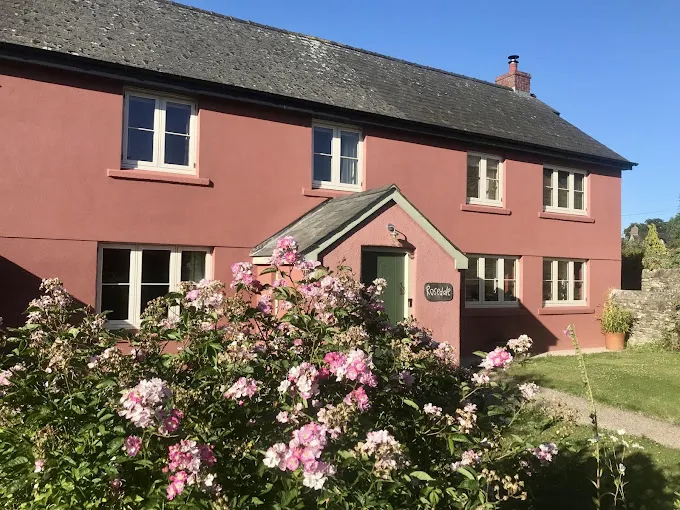
Wall Insulation Ammanford: Complete Property Guide

Wall insulation Ammanford homeowners need must withstand the wet Carmarthenshire climate – this guide covers every system, cost factor, and installation standard to help you choose correctly.
Table of Contents
- What Is Wall Insulation and Why Ammanford Properties Need It
- Types of Wall Insulation Systems Available in Ammanford
- Installation Standards and What Can Go Wrong
- Benefits, EPC Ratings, and Property Value in Ammanford
- Frequently Asked Questions
- Comparing Wall Insulation Options
- How Coloured Rendering South Wales Can Help
- Practical Tips for Ammanford Property Owners
- The Bottom Line
- Sources & Citations
Article Snapshot
Wall insulation Ammanford is the process of adding thermal barrier material to the internal or external walls of a property to reduce heat loss, lower energy bills, and improve EPC ratings. With approximately half of Welsh homes currently lacking adequate wall insulation, choosing a correctly specified and professionally installed system is important for lasting performance.
Wall Insulation Ammanford in Context
- Approximately 50% of Welsh homes lack wall insulation (Wood Knowledge Wales, 2023)[1]
- Wales records around 214 GBIS insulation upgrades per 100,000 households – among the highest rates in the UK (UK Government Great British Insulation Scheme, 2025)[2]
- 92% of External Wall Insulation installations under ECO4 and GBIS were found to have at least one major technical non-compliance (UK Government Department for Energy Security and Net Zero, 2025)[3]
- 73% of properties in the SA18 1SB postcode (Ammanford area) have EPC ratings recorded, with an average rating of D (Propbar, 2026)[4]
What Is Wall Insulation and Why Ammanford Properties Need It
Wall insulation Ammanford describes any system that reduces heat transfer through the external walls of a building, keeping warmth inside during winter and moderating temperatures in summer. Coloured Rendering South Wales, based in Swansea and operating across Carmarthenshire, provides external wall insulation systems combined with rendered finishes that are specifically specified for the wet, wind-driven conditions that Ammanford and the wider Carmarthen Bay catchment regularly experiences.
Ammanford sits in the Amman Valley in Carmarthenshire, an area with high annual rainfall and prevailing south-westerly winds that drive moisture directly into unprotected masonry. Many properties in the town were built in the late Victorian and Edwardian periods, using solid stone or brick walls with no cavity – meaning there is no void to fill with blown fibre or foam. For these homes, external wall insulation (EWI) is the primary viable route to meaningful thermal improvement.
The energy efficiency case is straightforward. Uninsulated solid walls lose as much heat as an uninsulated roof, and in older Ammanford terraces and semis, this translates directly to high gas or oil bills and rooms that feel cold even with heating running. The SA18 postcode area, which covers much of Ammanford, averages an EPC rating of D (Propbar, 2026)[4], indicating significant room for improvement across the housing stock.
Call Us
Beyond fuel costs, wall insulation addresses damp and condensation problems that are common in solid-wall properties. When external walls are cold, indoor moisture condenses on internal surfaces, creating conditions for mould growth. An EWI system wraps the building fabric in insulation, raising the temperature of internal wall surfaces and eliminating this condensation risk. For Ammanford homeowners dealing with persistent damp on external-facing walls, wall insulation combined with a breathable silicone render finish resolves the underlying problem where internal remedies alone have failed.
Thermal bridging – where uninsulated elements like lintels, window reveals, and floor junctions bypass the insulated wall – is another consideration particular to older Welsh housing stock. A properly detailed EWI installation addresses these bridges as part of the system, something that cavity fill or internal board insulation cannot achieve. Getting this specification right matters enormously for both energy performance and long-term durability, which is why professional installation from an experienced local contractor is important.
Types of Wall Insulation Systems Available in Ammanford
Several distinct wall insulation systems are available to Ammanford property owners, each suited to different property types, budgets, and performance objectives. Understanding which system applies to your property is the first step to getting an accurate quotation and avoiding costly mismatches between the product and the building.
External Wall Insulation (EWI)
External wall insulation is the most comprehensive thermal upgrade available for solid-wall properties and is the system most commonly recommended for older Ammanford homes. Rigid insulation boards – typically expanded polystyrene (EPS), mineral wool, or phenolic foam – are mechanically fixed to the outside of the existing wall. A reinforced basecoat is then applied over the boards, followed by a finish coat render. The entire assembly is weatherproof from day one and adds between 100mm and 300mm to the external face of the building depending on the insulation thickness specified.
The finish render is a critical component. Thin coat silicone render is widely regarded as the best finish for EWI in Welsh coastal and upland conditions because it is highly water-repellent yet vapour-permeable, meaning the wall breathes outwards even as liquid water is excluded. Choosing the right façade render and paint system is a decision that affects the entire service life of the insulation beneath it.
EWI is suitable for both terraced and detached properties, and the spray application of the finish coat achieves a consistent, even texture across large wall areas far more efficiently than hand application. For a typical Ammanford semi-detached house, an EWI project is completed in approximately five to seven working days depending on wall area and complexity of detailing around windows and doors.
Cavity Wall Insulation
Properties built from approximately the 1930s onwards in Ammanford are more likely to have a cavity between the inner and outer leaf of masonry. Cavity wall insulation fills this void with blown mineral fibre, EPS bead, or injected foam, reducing convective heat loss through the wall. Installation is relatively quick – holes are drilled into the mortar joints, material is injected, and the holes are repointed – making it one of the lower-cost insulation interventions available.
Cavity wall insulation accounted for 42% of all measures installed under the Great British Insulation Scheme to the end of December 2024 (UK Government Great British Insulation Scheme, 2025)[2], confirming its prevalence as an insulation measure nationally. However, not all cavities are suitable. In exposed locations with driving rain – including many parts of Carmarthenshire – an open cavity protects the inner leaf by allowing wind-driven moisture to drain away. Filling such a cavity without proper assessment of the exposure zone leads to damp penetration. A detailed survey is therefore required before proceeding.
Internal Wall Insulation (IWI)
Where external alterations are restricted – for example, in conservation areas or on listed buildings – internal wall insulation is used instead. Insulated plasterboard or a separate studwork frame with mineral wool infill is fixed to the inner face of external walls. IWI reduces the internal floor area slightly in each room and requires careful detailing at junctions, but it avoids any change to the external appearance of the property.
Internal wall insulation is less effective at addressing thermal bridging than EWI, and the UK Building Regulations Approved Documents include guidance on acceptable detailing for both systems to ensure compliance with current standards.
Installation Standards and What Can Go Wrong
Installation quality is the single most important variable in determining whether a wall insulation system performs as specified or causes long-term problems with damp, render failure, and energy underperformance. The gap between a well-installed system and a poorly installed one is not marginal – it is the difference between a 25-year asset and a costly liability.
Government audit data published in 2025 highlighted the scale of this problem with troubling clarity. The UK Government Department for Energy Security and Net Zero found that “the results showed that a majority (92%) of External Wall Insulation (EWI) installations and a large minority (27%) of Internal Wall Insulation (IWI) installations under these schemes were found to have at least one major technical non-compliance” (UK Government Department for Energy Security and Net Zero, 2025)[3]. This statistic reflects installations carried out under the ECO4 and Great British Insulation Scheme grant programmes, where competitive pricing pressure and rapid installation targets contributed to widespread defects.
Common installation failures in EWI systems include inadequate mechanical fixings, incorrect insulation board joints that create cold bridges, missing movement joints at storey height, poor detailing around windows and doors, and the application of finish renders over damp or friable substrates. Each of these defects compromises either the thermal performance, the weather resistance, or both.
What Correct EWI Installation Looks Like
A correctly specified and installed EWI system for an Ammanford property begins with a thorough survey of the existing substrate. Any loose render, crumbling mortar, or structural cracks must be made good before boards are fixed. Window and door reveals need to be insulated or the detailing addressed to prevent cold bridging. Boards must be fixed in a bonded pattern – not stacked with vertical joints aligned – using both adhesive and mechanical fixings appropriate to the substrate and the wind load at that location.
The mesh reinforcement layer embedded in the basecoat must overlap correctly at all corners and openings to prevent cracking. The finish render must be applied at the correct thickness and allowed to cure appropriately before exposure to rain. For EWI systems using Baumit StarTop silicone render, installation by a Baumit Approved EWI Applicator with City & Guilds Assured accreditation ensures that the manufacturer-backed warranty – which extends to 25 years depending on the system specified – remains valid.
Asking a prospective contractor for their product manufacturer accreditation, public liability insurance documentation, and examples of locally completed projects is reasonable due diligence that any reputable installer will welcome. A contractor unable to provide these items represents an elevated risk regardless of price.
Benefits, EPC Ratings, and Property Value in Ammanford
Wall insulation delivers measurable benefits across three distinct areas for Ammanford property owners: energy costs, building fabric health, and property valuation. Understanding how these benefits interact helps prioritise investment and set realistic expectations about payback periods.
Energy Cost Reduction
The thermal performance of a solid wall improves significantly when 100mm of EPS insulation is added externally. A typical uninsulated solid wall has a U-value of around 2.0 W/m²K, meaning it loses heat two watts for every square metre for each degree of temperature difference between inside and outside. Adding 100mm EPS reduces this to approximately 0.30 W/m²K – a reduction of around 85% in heat loss through the wall. For a medium-sized Ammanford semi-detached property with a large south-west facing gable wall exposed to prevailing weather, this translates to a meaningful reduction in annual heating demand.
Wales is recording strong uptake of government insulation schemes: the rate of upgrades under GBIS is higher in Wales at around 214 per 100,000 households (UK Government Great British Insulation Scheme, 2025)[2], reflecting both the prevalence of older housing stock and the active promotion of energy efficiency schemes by the Welsh Government. Ammanford residents should check their eligibility for current grant schemes as these substantially offset the upfront cost of wall insulation.
EPC Rating Improvement
EPC ratings directly affect rental eligibility under current UK regulations, with minimum standards expected to tighten further in coming years. An average EPC rating of D across the SA18 area (Propbar, 2026)[4] means that many Ammanford properties sit close to the boundary where landlords face compliance issues under forthcoming minimum energy efficiency standards. Wall insulation – particularly an EWI system – is one of the most effective single measures for moving a property from band D or E to band C, which is the target threshold under proposed future regulations.
For homeowners rather than landlords, a higher EPC rating increases buyer appeal and influences mortgage products. Several lenders now offer preferential rates for properties rated C or above, providing a financial incentive beyond reduced fuel bills.
Structural and Aesthetic Benefits
An EWI system does more than insulate. The render finish coat protects the building fabric from rain, frost, and UV degradation, extending the service life of the underlying masonry. Properties along Ammanford’s older residential streets that have received EWI with a fresh coloured render finish show a marked improvement in kerb appeal. Through-coloured silicone renders in contemporary tones – cream, grey, or warm stone – transform the external appearance of Victorian terraces without requiring any repainting for the service life of the system. View our completed Gallery – View examples of our high-quality spray rendering and repair work to see the visual transformation achievable across similar Welsh properties.
Your Most Common Questions
Is my Ammanford property suitable for external wall insulation?
Most solid-wall properties in Ammanford are suitable for external wall insulation, but a site survey is required to confirm this for your specific building. The survey assesses the condition of the existing render or masonry, the exposure classification of the location, the presence of any planning restrictions, and the detailing requirements around windows, doors, eaves, and ground level. Properties in conservation areas require planning permission before EWI is installed, and listed buildings require listed building consent. Victorian and Edwardian terraces that form the majority of older Ammanford housing stock are well suited to EWI provided the substrate is sound. Properties with cavities – typically post-1930s construction – are better served by cavity wall insulation, which is a quicker and lower-cost intervention. A qualified surveyor or experienced installer will advise which system is appropriate after inspecting the property. Getting a pre-installation survey from a contractor with proven local knowledge of Carmarthenshire building types is strongly recommended before committing to any system.
How long does wall insulation installation take in Ammanford?
The duration of a wall insulation project in Ammanford depends on the system type and the size and complexity of the property. Cavity wall insulation is the quickest – a standard three-bedroom semi-detached house is completed in a single day. External wall insulation takes considerably longer because it involves substrate preparation, fixing of insulation boards, application of basecoat and mesh reinforcement, and finally the finish render coat. A typical Ammanford semi-detached property takes five to seven working days for a full EWI installation. Larger detached properties or those with complex elevations – bay windows, chimney stacks, decorative features – will take longer. Spray application of the render finish coat significantly reduces the time spent on site compared with traditional hand application, allowing larger wall areas to be covered consistently within a working day. Weather conditions affect scheduling: render should not be applied in temperatures below five degrees Celsius or in heavy rain, which is a practical consideration for Carmarthenshire’s wet climate. A reputable contractor will plan the project schedule around appropriate weather windows.
Can wall insulation help with damp problems in my Ammanford home?
Wall insulation resolves certain types of damp problems but will not address all causes of moisture ingress. Interstitial condensation – where moisture within the wall structure condenses at a cold point – and surface condensation on cold internal walls are both effectively resolved by EWI because raising the temperature of the wall fabric eliminates the conditions needed for condensation to form. Rain penetration through failed or porous render is also addressed by EWI, since the new insulated system incorporates a fully weatherproof render finish. However, rising damp from below ground level, penetrating damp through defective window frames, and roof drainage problems are not resolved by wall insulation alone and must be investigated separately. Any active water ingress must be identified and remedied before EWI is installed – covering a damp problem with insulation boards traps moisture within the wall and accelerates deterioration. A thorough pre-installation survey by an experienced contractor will identify these issues before work begins, protecting both the investment and the building fabric.
What render finish options are available with external wall insulation in Ammanford?
External wall insulation systems are finished with a range of render types, and the choice of finish coat affects both the appearance and the long-term performance of the system. Thin coat silicone render is the premium option for Welsh conditions – its silicone chemistry makes it highly hydrophobic, repelling rain effectively while remaining vapour-permeable so that any residual moisture in the wall escapes outwards. Silicone renders are available in a wide palette of colours that are stable over the system’s service life, avoiding the need for periodic repainting. Monocouche through-colour render is a cement-based single-coat system that provides a durable, textured finish in a range of aggregated tones – traditional cream or sand finishes suit older Ammanford terraces well. Acrylic render finishes offer flexibility and are used where a smooth, fine-textured appearance is required. All of these systems are available in spray-applied form, which produces a consistent finish across large wall areas and is particularly efficient on the longer elevations typical of Ammanford terraced housing. Colour selection should take into account both the character of the property and any local planning guidance for the street or conservation area.
Comparing Wall Insulation Options
Selecting the right wall insulation system for an Ammanford property requires balancing thermal performance, installation disruption, cost, and suitability for the building type. The table below compares the four main approaches across these criteria to help you make an informed decision.
| System | Best For | Thermal Improvement | Installation Disruption | Render Finish Required |
|---|---|---|---|---|
| External Wall Insulation (EWI) | Solid-wall properties; Victorian/Edwardian terraces common in Ammanford | High – addresses thermal bridging; U-value meets current building standards (s3)[3] | External only; minimal internal disruption | Yes – silicone or monocouche finish coat applied over insulation boards |
| Cavity Wall Insulation | Post-1930s properties with unfilled cavities; accounts for 42% of GBIS measures (s7)[2] | Moderate – limited by cavity width and exposure zone suitability | Low – drilled from outside; one day | No – existing external finish retained |
| Internal Wall Insulation (IWI) | Listed buildings; conservation areas; where external appearance cannot change | Moderate – limited thermal bridge resolution; 27% IWI installs had major non-compliances (s3)[3] | High – rooms must be cleared and redecorated | No – internal plasterboard finish applied |
| EWI with Coloured Render | Solid-wall properties seeking combined energy upgrade and aesthetic refresh | High – full system with manufacturer-backed warranty up to 25 years | External only; spray application reduces project duration | Yes – silicone, monocouche, or acrylic options available in wide colour range |
How Coloured Rendering South Wales Can Help
Coloured Rendering South Wales has delivered plastering and rendering projects across South Wales since 1998, and our team brings over 25 years of direct experience with the building types, weather conditions, and substrate challenges that Ammanford and the wider Carmarthenshire area presents. As a Baumit Approved EWI Applicator with City & Guilds Assured accreditation, we are certified to install Baumit StarTop premium silicone render and full EWI systems with manufacturer-backed warranties of up to 25 years – giving you documented long-term protection that uncertified rendering work cannot provide.
Our EWI service for Ammanford properties covers the complete process: substrate survey and preparation, insulation board fixing, mesh-reinforced basecoat, and spray-applied finish render in your chosen colour and texture. Spray application allows us to achieve a consistently even finish across large wall areas in a fraction of the time required for hand application, reducing the time your property is open to the elements during installation.
“With over 15 years in the building trade I have experienced several different plasterers all offering different styles and finishes. Geoff’s thin coat spray finish render would rival the best and I can’t recommend his team enough to someone thinking of using him. His professionalism and work ethic has stood out from many of the others we have worked with.” – Keri Hopkins, Google Review
“We’re 100% happy and wouldn’t hesitate to recommend Jeff. His workmanship is excellent and we’re also very happy with the product he recommended to eradicate the penetrating damp and give our house a great new look and lease of life.” – Alistair Legge, Google Review
We also provide Rendering Repairs South Wales – professional repairs and maintenance for external wall renders for properties with existing render damage, and our EWI Specialists South Wales – expert external wall insulation installations for energy efficiency service covers full system design and installation. To discuss your Ammanford property and receive a free no-obligation quotation, contact us on 07815 868070 or email geoff@colouredrenderingsouthwales.com.
Practical Tips for Ammanford Property Owners
These practical recommendations apply to anyone in Ammanford or the wider SA18 area considering wall insulation for the first time or evaluating an existing system.
Check your cavity status first. Before assuming you need EWI, establish whether your property has a cavity wall. Properties built before approximately 1920 are almost certainly solid-wall construction and will require EWI or IWI. Properties built between the 1920s and 1990s likely have a cavity. Your EPC certificate will indicate the wall type and current insulation status – if you do not have a current EPC, one is commissioned from an accredited domestic energy assessor.
Assess exposure before specifying cavity fill. Ammanford and the surrounding Amman Valley experience significant rainfall and wind-driven moisture. The British Standard BS 8104 defines exposure zones for driving rain, and properties in higher exposure zones require more careful assessment before cavity fill is approved. An installer who does not mention exposure zoning before recommending cavity fill warrants caution.
Verify installer accreditation. The government audit finding that 92% of EWI installations under grant schemes had at least one major technical non-compliance (UK Government Department for Energy Security and Net Zero, 2025)[3] underlines the importance of using a certified installer. Ask specifically for the name of the product system being installed, the manufacturer, and the installer’s accreditation status with that manufacturer. A Baumit Approved EWI Applicator, for example, is independently vetted and trained by the product manufacturer.
Consider the render finish as part of the system. For EWI, the finish render is not an afterthought – it is the weather barrier that protects everything beneath it. Thin coat silicone render provides the best long-term performance in Welsh conditions. Monocouche through-colour render is an excellent alternative where a more textured, traditional appearance is preferred. Either way, the render should be spray-applied for consistency, and the colour should be chosen to complement neighbouring properties, particularly on terraced streets where visual uniformity matters.
Explore funding options. Wales has one of the higher rates of GBIS insulation upgrades in the UK (UK Government Great British Insulation Scheme, 2025)[2], reflecting the availability of grant support. Check eligibility for the Great British Insulation Scheme, the Welsh Government Warm Homes programme, and any Carmarthenshire County Council energy efficiency grants before committing to a self-funded project. Eligibility criteria change regularly, so consulting the Nest scheme – the Welsh Government’s energy efficiency service – is worthwhile.
Plan detailing carefully for older properties. Victorian and Edwardian properties in Ammanford often have decorative stone dressings, original sash windows with narrow reveals, and chimney stacks that create complex junctions for an EWI system. These features require careful detailing to avoid cold bridging and to maintain the character of the property. A contractor with experience on similar Welsh housing stock will handle these details far more effectively than one experienced only with modern flat-fronted properties.
The Bottom Line
Wall insulation Ammanford property owners access ranges from cavity fill for post-war housing to fully specified EWI systems for the solid-wall Victorian and Edwardian stock that defines much of the town’s housing character. With approximately half of Welsh homes still lacking adequate wall insulation (Wood Knowledge Wales, 2023)[1] and an average EPC rating of D across the local SA18 postcode (Propbar, 2026)[4], the case for acting is clear – but installation quality is everything. Choosing a certified, locally experienced contractor protects both your investment and your building fabric.
Coloured Rendering South Wales serves Ammanford and the wider Carmarthenshire area with EWI systems, coloured render finishes, and rendering repairs backed by over 25 years of South Wales experience. Call us on 07815 868070, email geoff@colouredrenderingsouthwales.com, or visit our website at Home page of Coloured Rendering South Wales – expert spray rendering and external wall insulation services across South Wales to arrange a free property assessment and quotation.
Sources & Citations
- Why Invest in Woodfibre Insulation Manufacturing In Wales. Wood Knowledge Wales.
https://woodknowledge.wales/wp-content/uploads/WG44781-Woodfibre-Prospectus_WG.pdf - Great British Insulation Scheme – GOV.UK. UK Government Great British Insulation Scheme.
https://assets.publishing.service.gov.uk/media/67b4ddd34a80c6718b55bf5e/GBIS_Release_February_2025.xlsx - Solid wall insulation installed under ECO4 and GBIS – statistical audit results. UK Government Department for Energy Security and Net Zero.
https://www.gov.uk/government/publications/solid-wall-insulation-installed-under-eco4-and-gbis-statistical-audit-results/solid-wall-insulation-installed-under-eco4-and-gbis-statistical-audit-results - EPC Ratings in SA18 1SB | D Average – Propbar. Propbar.
https://propbar.co.uk/epc/wales/carmarthenshire/sa18-1sb
