
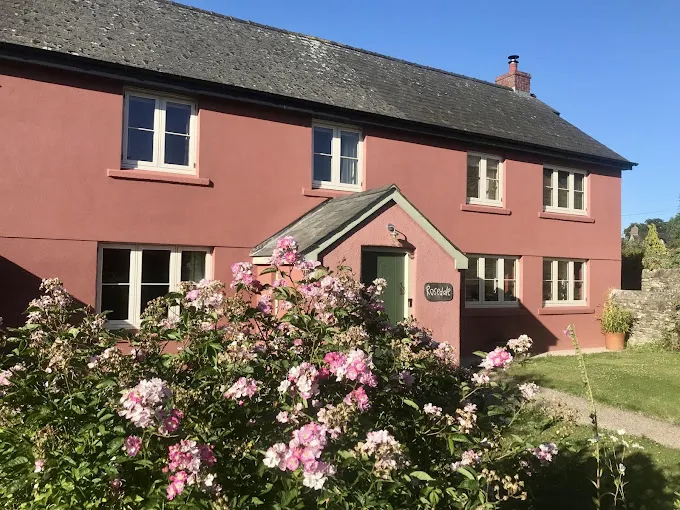
Expert External Rendering Ystradgynlais Guide

External rendering Ystradgynlais protects and transforms property walls with durable, weather-resistant finishes – discover the best render systems, application methods, and local specialists for your project.
Table of Contents
- What Is External Rendering and Why It Matters in Ystradgynlais
- Render Types Best Suited to Ystradgynlais Properties
- Spray Application vs Hand Application for External Rendering
- Costs, Planning, and Preparing for External Rendering
- Frequently Asked Questions
- Comparing External Render Systems
- Coloured Rendering South Wales
- Practical Tips for a Successful Render Project
- The Bottom Line
- Sources & Citations
Quick Summary
External rendering Ystradgynlais is the application of a protective and decorative coating to the outer walls of properties in and around the Ystradgynlais area. The right render system shields walls from the valley’s high rainfall and wind-driven moisture, reduces maintenance costs, and enhances kerb appeal for decades without repainting.
External Rendering Ystradgynlais in Context
- 425 plasterers and renderers are listed as available in the Ystradgynlais area (MyJobQuote, 2026)[1]
- 346 reviews have been posted for plasterers and renderers in the Ystradgynlais area (MyJobQuote, 2026)[1]
- 50% of Grade I and II* listed church buildings in Wales require specialist render and plastering consideration (Church in Wales, 2019)[2]
What Is External Rendering and Why It Matters in Ystradgynlais
External rendering Ystradgynlais is a critical line of defence for any property in the upper Swansea Valley, where rainfall is frequent, winters are damp, and exposed hillside positions leave walls vulnerable to persistent moisture ingress. Render is a cementitious, polymer, or silicone-based coating applied directly to the external wall surface, forming a weatherproof skin that prevents water penetrating the substrate while allowing the building to breathe. Coloured Rendering South Wales has been specifying and applying render systems across South Wales since 1998, with direct experience of the climatic demands that Ystradgynlais and the wider Powys border zone place on external finishes.
The town of Ystradgynlais sits at the northern edge of the old South Wales coalfield, where the Tawe Valley narrows and elevation rises sharply. Properties here – many of them stone-built or solid-brick terraces constructed during the late nineteenth and early twentieth centuries – were originally finished with a lime-based render that has often long since failed. When render cracks, spalls, or delaminates, water enters the wall structure, accelerating decay in mortar joints, promoting dampness in internal walls, and, in severe cases, causing structural deterioration. Addressing failed render promptly with a correctly specified replacement system is the most cost-effective way to protect the building envelope.
The Powys County Council planning team recognised the collective impact that render condition has on townscape quality, noting that painting tired-looking renders – when carried out on a number of buildings – can dramatically improve the town (Powys County Council Planning Team, 2012)[3]. For individual property owners, the same principle applies: a professionally rendered exterior adds immediate visual value and provides measurable long-term protection. Whether you own a Victorian terrace in the town centre, a detached property on the valley slopes, or a commercial building on the main street, correctly applied external render is one of the highest-return improvements you can make to a building in this climate.
Call Us
Understanding what external rendering involves – materials, application method, preparation standards, and system compatibility with your wall type – allows you to make an informed choice and avoid the costly mistakes that follow poor specification or substandard workmanship. The sections below cover each of these areas in practical detail for property owners and building professionals working in and around Ystradgynlais.
Render Types Best Suited to Ystradgynlais Properties
Choosing the correct render system for a property in Ystradgynlais depends on wall construction, exposure rating, finish preference, and budget – and getting that choice right at the specification stage determines how well the render performs over its full service life. Three systems dominate the market for properties in this part of the Powys and Neath Port Talbot border area: thin coat silicone render, monocouche through-colour render, and one coat cement render.
Thin Coat Silicone Render
Thin coat silicone render is the premium choice for exposed Welsh valley properties. Applied at a thickness of just 1.5-3 mm over a reinforced basecoat, silicone render is highly flexible, which means it accommodates minor structural movement without cracking – a significant advantage on older stone or brick properties where slight seasonal movement is normal. The silicone polymer binder renders the surface hydrophobic: water beads and runs off rather than soaking in, yet the coating remains vapour-permeable, allowing any moisture present in the wall to escape outward. This breathability is particularly important on solid-wall properties common throughout Ystradgynlais, where trapping moisture behind an impermeable coating causes far greater long-term damage than the original failed render. Silicone renders are available in a wide range of pre-mixed colours that are stable under UV exposure, removing the need for periodic repainting. For coastal-adjacent areas or high-altitude valley positions with driving rain, silicone render is the system most likely to deliver a 20-plus-year service life without significant maintenance intervention.
Monocouche Through-Colour Render
Monocouche render – from the French for single coat – is a pre-blended cement-based system where the colour is integral to the mix throughout its full depth. Applied in a single coat to a prepared substrate, monocouche is scratched back to reveal a consistent, through-coloured surface that requires no painting. It suits properties where a traditional textured finish is desired and where the substrate is a standard brick, block, or concrete construction. For Ystradgynlais housing developments and social housing stock, monocouche offers a cost-effective, durable finish that eliminates ongoing decoration cycles. When applied using spray rendering techniques for residential and commercial properties, coverage rates increase substantially, reducing labour time and keeping costs competitive across multi-unit schemes.
One Coat Cement Render
One coat cement render is a practical solution where the budget favours a more straightforward finish that will subsequently be painted. It uses high-quality cements and graded aggregates applied in a single layer over a primed and prepared wall. While it lacks the intrinsic colour stability and hydrophobic properties of silicone systems, correctly applied cement render provides solid weather protection for many years and is well-suited to traditional properties where painted masonry is the expected aesthetic. For older properties in the Ystradgynlais conservation area or those with existing painted finishes, one coat cement render allows colour continuity at a lower material cost.
Spray Application vs Hand Application for External Rendering
The method used to apply external render has a direct and measurable impact on finish quality, project duration, material consistency, and overall cost – making the choice between spray and hand application one of the most important decisions in any rendering project.
Traditional hand application involves a renderer mixing and applying render manually with a hawk and trowel. Skilled hand renderers achieve excellent results, but the process is inherently slower and introduces greater variability in coat thickness across large wall areas. For a standard semi-detached property, hand application of a full render system takes three to five days. For larger commercial buildings or multi-unit developments, timescales extend proportionally, increasing both labour costs and the period during which the property is disrupted.
Spray rendering uses purpose-built spray equipment to deliver render material to the wall surface at a controlled rate and consistent thickness. The machine mixes the render continuously, ensuring homogeneous material at the nozzle throughout the application process. This consistency produces a more uniform coat thickness – critical for render systems where performance depends on achieving the manufacturer’s specified depth – and eliminates the batch-to-batch variation that affects colour uniformity in hand-mixed products. For a semi-detached property, spray application reduces completion time to one to two days. On a 20-unit housing development, the time saving per property compounds into weeks of programme benefit, which is why property developers in Cardiff, Newport, and across South Wales now specify spray rendering as standard. You can learn more about the team and approach behind this work at our about us page – learn more about our experienced team and rendering expertise.
Spray application also benefits the render material itself. Thin coat silicone renders, in particular, are formulated for spray application and achieve optimum performance characteristics – adhesion, surface texture, and film integrity – when delivered by machine. Attempting to apply these products by hand results in a finish that falls short of the manufacturer’s performance specification. For monocouche and one coat systems, spray application provides the consistent coverage that prevents thin spots, which are the most common cause of early-stage render failure in high-exposure locations such as Ystradgynlais.
The UK Building Regulations Approved Documents set out requirements for external wall performance, including resistance to weather and moisture. Correctly specified and applied render – whether by spray or by hand – must meet these standards, and professional applicators ensure their work complies with the relevant performance requirements for each property type and location.
Costs, Planning, and Preparing for External Rendering
External rendering costs in Ystradgynlais vary based on wall area, render system selected, substrate condition, and access requirements, but understanding the key cost drivers helps you plan your project and evaluate quotes accurately.
Substrate preparation is the single most important cost variable and the one most commonly underestimated by property owners. Before any render system is applied, the wall must be structurally sound, free from loose or contaminated material, and treated with the correct primer for the chosen system. On older Ystradgynlais properties, this preparation phase frequently involves removing failed sections of existing render, cutting out and repointing defective mortar joints, treating any active damp or efflorescence, and applying bonding agents or mesh reinforcement where substrate porosity is uneven. Skipping or cutting corners on preparation is the single most common cause of premature render failure – and the cost of rectifying a failed render system installed over a poorly prepared substrate is invariably far higher than the saving made at the preparation stage.
Wall area is the most straightforward cost driver: larger properties require more material and more labour time. Access is the second: properties with first-floor or gable walls that require scaffolding add erection and hire costs that are fixed regardless of wall area, making them proportionally more significant for smaller projects. If your property requires scaffolding, it is worth considering whether combining the rendering project with other external maintenance works – such as gutter replacement, window painting, or fascia repairs – makes sense while access is already in place.
Render system choice directly affects material costs. Thin coat silicone systems carry a higher material cost than cement-based alternatives but deliver substantially longer service intervals and require no periodic repainting, meaning the whole-life cost comparison favours silicone render despite the higher upfront expenditure. For landlords managing rental portfolios in Bridgend, Swansea, or the Powys valleys, the elimination of routine exterior painting cycles through a through-coloured or silicone render represents a genuine and calculable reduction in annual maintenance spend. Our rendering repairs service for South Wales properties addresses partial failures cost-effectively where full re-rendering is not yet necessary.
Planning permission is not normally required for external rendering on a standard residential property, as render applied to the same colour and material as the existing finish falls within permitted development rights. However, properties in conservation areas – and Ystradgynlais town centre includes buildings of historic interest – require approval before the external appearance is altered. Checking with Powys County Council’s planning department before committing to a render system in a sensitive location avoids the cost and delay of enforcement action or retrospective application. Listed buildings require listed building consent for any external works affecting their appearance, and specialist lime-compatible render systems are required to maintain breathability in historic masonry.
Your Most Common Questions
How long does external rendering last on a property in Ystradgynlais?
The lifespan of external rendering depends primarily on the system chosen, the quality of preparation, and the exposure conditions at the specific property. In a high-rainfall, upland valley location such as Ystradgynlais, a correctly applied thin coat silicone render system installed over a properly prepared substrate performs for 20-25 years without significant maintenance. Monocouche through-colour render systems deliver 15-25 years of serviceable life, again subject to correct substrate preparation and application. Traditional cement render applied to a single coat and painted has a shorter decorative cycle – the paint film requires refreshing every five to ten years – though the render substrate itself remains structurally sound for considerably longer. Factors that shorten render life include inadequate preparation, application to a damp or contaminated substrate, incorrect primer selection, insufficient coat thickness, and exposure to extreme conditions such as direct coastal salt spray. Properties on the elevated valley slopes above Ystradgynlais are more exposed than those in sheltered valley-floor positions, and the render specification should reflect that difference. A professional assessment of your property’s exposure category is the starting point for selecting a system with an appropriate service life.
Do I need planning permission for external rendering in Ystradgynlais?
For most standard residential properties in Ystradgynlais, external rendering falls within permitted development rights and does not require planning permission, provided the finish is of a similar appearance to the existing external treatment. However, there are important exceptions. Properties located within a designated conservation area require prior notification or planning permission if the work would materially alter the appearance of the building, particularly if changing the colour or texture of the render. Listed buildings require listed building consent for any alterations to the external fabric, including render replacement, and the specification must comply with conservation guidance – requiring lime-based or breathable render systems compatible with the historic fabric. Ystradgynlais town centre contains several buildings of local historic interest, so it is always advisable to confirm the status of your property with Powys County Council’s planning and conservation team before proceeding. Applying for retrospective consent after works have been completed is far more costly and disruptive than seeking clarification beforehand. A reputable rendering contractor will be familiar with these requirements and should flag any consent issues during the initial property assessment.
What is the best render system for a solid-wall stone property in the Ystradgynlais area?
Solid-wall stone properties – which make up a significant proportion of the older housing stock in and around Ystradgynlais – require a render system that is both weatherproof and vapour-permeable. Stone walls cannot dry through their inner face as readily as cavity-wall constructions, so they depend on the outer render allowing moisture vapour to escape outward. Applying an impermeable render system to a solid stone wall traps moisture in the wall structure, which causes interstitial condensation, accelerated deterioration of the stone and mortar, and ultimately greater damage than the failing render it replaced. For this reason, thin coat silicone render is the strongest choice for solid stone and solid brick properties in the Ystradgynlais valley. Its vapour-open structure allows the wall to breathe while the hydrophobic silicone surface repels liquid water. For properties of genuine historic significance where lime mortar joints are present, a lime-compatible render system should be discussed with a specialist who understands both the material science and any heritage requirements attached to the building. In all cases, thorough preparation – including careful removal of any existing cement-based render that traps moisture – is essential before the new system is applied.
Can external rendering improve a property’s energy efficiency?
External rendering on its own provides a modest improvement in thermal performance by sealing air gaps and eliminating wind-washing at the wall surface, but the most significant energy efficiency gains come from combining render with an External Wall Insulation system. EWI involves fixing high-performance insulation boards directly to the existing wall surface and then applying a render system over the top, effectively wrapping the building in a continuous layer of insulation without reducing internal floor space. For solid-wall properties in Ystradgynlais – where cavity wall insulation is not an option – EWI is the most effective method of improving the wall’s thermal performance, and the improvement in Energy Performance Certificate rating is substantial. Homeowners in properties with solid walls who install a full EWI system with a silicone render finish report significant reductions in heating costs and a noticeable improvement in internal comfort, particularly in ground-floor rooms adjacent to exposed external walls. Some EWI installations qualify for government-backed energy efficiency funding schemes, so it is worth researching current grant availability through Welsh Government and local authority programmes before committing to a specification. A certified EWI applicator advises on system options, expected performance improvements, and any applicable warranty or certification requirements.
Comparing External Render Systems for Ystradgynlais Properties
Selecting the right render system requires weighing performance characteristics against project budget and maintenance expectations. The table below compares the three primary systems used on properties in and around Ystradgynlais, drawing on the technical attributes relevant to valley and upland exposure conditions in South Wales.
| Render System | Application Method | Breathability | Maintenance Requirement | Typical Service Life | Best Suited To |
|---|---|---|---|---|---|
| Thin Coat Silicone Render | Spray (recommended) or hand | High – vapour-permeable | Very low – no repainting required | 20-25 years | Solid-wall, exposed, and coastal-adjacent properties |
| Monocouche Through-Colour Render | Spray or hand | Moderate | Low – through-colour eliminates painting | 15-25 years | New builds, housing developments, brick and block construction |
| One Coat Cement Render | Spray or hand | Low – relatively impermeable | Moderate – periodic repainting every 5-10 years | 10-20 years (substrate) | Properties where painted finish is preferred and walls are not solid |
Coloured Rendering South Wales
Coloured Rendering South Wales has delivered professional external rendering and plastering services across South Wales since 1998. Based in Swansea, the team works throughout the region – from the city coast to the upper valleys, including Ystradgynlais and the surrounding Powys border area – and brings more than 25 years of direct experience to every project. As a Baumit Approved EWI Applicator with City & Guilds Assured accreditation, the company is certified to install Baumit StarTop premium silicone render and full External Wall Insulation systems with manufacturer-backed warranties of up to 25 years, providing property owners with documented long-term protection that uncertified contractors cannot offer.
The company’s service range covers thin coat silicone render, monocouche through-colour render, one coat cement render, rendering repairs, full EWI installations, and internal plastering. Spray rendering technology is used throughout, delivering faster project completion and consistent finish quality compared to traditional hand application. This matters in practice: a project that takes five days by hand is completed in two days with spray application, reducing disruption to occupants and keeping programme costs down for developers and landlords managing multiple properties.
“With over 15 years in the building trade I have experienced several different plasterers all offering different styles and finishes. Geoff’s thin coat spray finish render would rival the best and I can’t recommend his team enough to someone thinking of using him. His professionalism and work ethic has stood out from many of the others we have worked with.” – Keri Hopkins, Google Review
“We’re 100% happy and wouldn’t hesitate to recommend Jeff. His workmanship is excellent and we’re also very happy with the product he recommended to eradicate the penetrating damp and give our house a great new look and lease of life.” – Alistair Legge, Google Review
Coloured Rendering South Wales maintains a perfect 5.0 Google rating across its reviews, reflecting consistent delivery of quality workmanship and reliable customer service. To discuss your external rendering project in Ystradgynlais or the wider South Wales area, visit the home page of Coloured Rendering South Wales – expert spray rendering and external wall insulation services across South Wales or use the contact form to request a free quote or consultation on your rendering project. You can also view completed projects in our gallery of high-quality spray rendering and repair work.
Practical Tips for a Successful External Rendering Project
Careful planning before work begins is the most reliable way to achieve a render finish that performs as expected and lasts its full projected service life. The following guidance applies to properties in Ystradgynlais and the surrounding valley environment.
Commission a condition survey first. Before selecting a render system or requesting quotes, have the wall assessed by a qualified renderer. The assessment should identify whether existing render is structurally sound or requires removal, whether there are active damp issues to address at source, and what the wall construction is. This information determines which render system is compatible and what preparation work is needed. Quotes obtained without this assessment are rarely comparable, because different contractors price different scopes of work.
Check the weather window carefully. Render application requires dry conditions and temperatures above 5°C. In the Ystradgynlais valley, where rainfall is above the Welsh average and temperatures drop early in autumn, scheduling work between late spring and early autumn gives the longest reliable dry window. Applying render in wet or frosty conditions causes immediate and often irreversible quality problems, including surface bloom, adhesion failure, and freeze damage to the setting coat.
Specify materials appropriate for the exposure zone. Ystradgynlais sits in a high-exposure rainfall zone. Render manufacturers classify exposure zones across the UK, and products specified for moderate or sheltered locations will not perform to the same standard in the upper Tawe Valley. Always confirm that the system your contractor proposes is rated for the site’s actual exposure category.
Verify contractor accreditation. For EWI installations in particular, manufacturer accreditation matters because it is a condition of warranty. Baumit-approved applicators must meet training and quality assurance requirements before they install warranted systems. Asking to see accreditation certificates before awarding a contract protects you if a warranty claim is needed years later.
Plan scaffold use efficiently. If your project requires scaffolding, consider combining external rendering with other maintenance works such as soffit and fascia replacement, gutter clearance, or window resealing. The scaffold erection and hire cost is fixed regardless of the additional works, so adding tasks while access is in place reduces the total cost per job and avoids a second scaffold mobilisation.
The Bottom Line
External rendering Ystradgynlais addresses a genuine and pressing need: properties in the upper Swansea Valley face some of the most demanding weather conditions in South Wales, and correctly specified render is the most effective protection available for the building envelope. Choosing the right system – whether thin coat silicone, monocouche through-colour, or one coat cement – requires understanding your wall construction, exposure rating, and long-term maintenance expectations. Spray application by a skilled, accredited contractor delivers faster completion and more consistent results than traditional hand methods, and professional preparation of the substrate remains the single most important factor in achieving a finish that lasts.
Coloured Rendering South Wales is available to assess your property, recommend the appropriate system, and carry out the work to a consistently high standard. Call us on 07815 868070, email geoff@colouredrenderingsouthwales.com, or use our online contact form to arrange a free consultation and quote.
Sources & Citations
- Plasterers and Renderers in Ystradgynlais. MyJobQuote, 2026.
https://www.myjobquote.co.uk/plasterers-renderers/powys/ystradgynlais - Care of Church Buildings Annual Report 2019. Church in Wales.
https://churchinwales.contentfiles.net/media/documents/Care_of_Church_Buildings_Annual_Report_2019.pdf - Ystradgynlais Town Centre Masterplan. Powys County Council, 2012.
https://powys.moderngov.co.uk/Data/Cabinet/20121113/Agenda/xC199%20Ystradgynlais%20Town%20Centre%20Masterplan.pdf - UK Building Regulations – Approved Documents. UK Government.
https://www.gov.uk/guidance/approved-documents
