
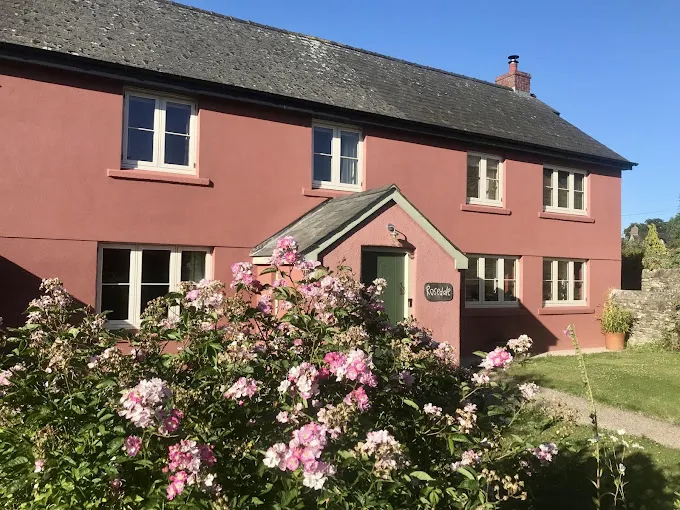
Silicone Render Neath: Expert Guide to a Modern Finish

Silicone render Neath homeowners and property developers choose for lasting weather protection – discover how this modern system outperforms traditional renders in South Wales conditions.
Table of Contents
- What Is Silicone Render and Why It Suits Neath Properties
- Key Benefits of Silicone Render for South Wales Homes
- How Silicone Render Is Applied in Neath
- Choosing the Right Render System for Your Neath Property
- Frequently Asked Questions
- Silicone Render vs Other Systems: A Comparison
- Coloured Rendering South Wales: Your Local Rendering Specialist
- Practical Tips for Maintaining Your Render
- The Bottom Line
- Sources & Citations
Article Snapshot
Silicone render Neath is a polymer-modified, thin coat finishing system that provides waterproof yet breathable external wall protection. It resists cracking, repels rain, and self-cleans over time – making it the preferred modern render choice for properties across Neath and South Wales.
Silicone Render Neath in Context
- A standard 2mm silicone render layer has a thermal resistance of approximately 0.003 m²K/W (Rendering Newcastle, 2025)[1]
- That 2mm application changes a wall’s U-value by well under 1% (Rendering Newcastle, 2025)[1]
- Thin coat silicone render carries an Excellent durability rating in professional spray application (Coloured Rendering South Wales, 2025)[2]
- Weather resistance of thin coat silicone render is rated Superior for exposed UK climates (Coloured Rendering South Wales, 2025)[2]
What Is Silicone Render and Why It Suits Neath Properties
Silicone render Neath property owners are increasingly requesting is a thin coat, polymer-modified external finish that bonds directly to prepared masonry or insulation board substrates. Unlike traditional sand and cement renders, a silicone system incorporates silicone resins into its formulation, producing a surface that actively repels water while allowing water vapour to pass outward from the wall. This combination of water repellency and breathability makes it the technically superior choice for the wet, wind-driven conditions that define the South Wales climate.
Neath sits in a valley fed by the River Neath, and its surrounding hills funnel rainfall and moisture-laden air onto building facades throughout the year. Traditional cement renders, which are relatively rigid and prone to micro-cracking over thermal movement cycles, provide inadequate long-term protection in these conditions. Silicone render, by contrast, incorporates flexible polymer technology that accommodates the slight expansion and contraction of masonry without cracking – preserving both the waterproof barrier and the visual finish for many years.
Coloured Rendering South Wales has been specifying and installing silicone render systems across the region since 1998, bringing over 25 years of direct experience with the specific challenges that South Wales properties present. For Neath homeowners considering an external upgrade, a properly applied silicone render system offers a durable, low-maintenance solution that traditional alternatives cannot match in this climate.
Call Us
The system is equally suitable for new builds requiring a contemporary clean finish and for renovation projects where failed or dated render needs replacing. For coastal-adjacent areas like Neath Port Talbot, where salt-laden air accelerates the deterioration of less resilient materials, the silicone render’s polymer structure provides meaningful resistance to the corrosive effects of the marine environment.
Silicone Render in Neath: Typical Applications
Residential terraced houses, semi-detached properties, and detached homes across Neath are the most common candidates for silicone render installation. The system works on brick, block, and concrete substrates, and it integrates with external wall insulation boards where energy efficiency upgrades are also required. In housing development projects across Neath and the wider Neath Port Talbot area, silicone render applied via professional spray rendering equipment enables rapid, consistent coverage across multiple units – reducing programme times and delivering uniform results from unit to unit.
Key Benefits of Silicone Render for South Wales Homes
Silicone render delivers a measurable performance advantage over traditional sand and cement or acrylic render systems in every characteristic that matters for South Wales properties. Its combination of flexibility, breathability, self-cleaning behaviour, and colour permanence addresses the four most common complaints property owners raise about traditional external finishes: cracking, damp ingress, fading, and the cost of periodic repainting.
The breathability of the material is one of its most technically significant attributes. “The silicone base provides excellent water repellency while remaining breathable, allowing moisture to escape from wall substrates” (Coloured Rendering South Wales, 2025)[2]. In practice, this means that moisture trapped within an older masonry wall – a common condition in pre-1960s South Wales housing stock – continues to migrate outward and evaporate rather than being sealed in by an impermeable coating. Sealing moisture inside walls leads to interstitial condensation, efflorescence, and accelerated render failure, all of which silicone render avoids.
Self-cleaning is a further practical benefit that directly reduces property maintenance costs. Silicone render has a hydrophobic surface structure that causes rainwater to bead and run off rather than being absorbed. As water sheets down the facade, it carries airborne dirt and biological material with it, keeping the surface visually clean between maintenance intervals. “Self-cleaning silicone renders require minimal maintenance, while other systems need periodic washing to maintain optimal appearance” (Coloured Rendering South Wales, 2025)[2].
Colour retention is another clear advantage. Because pigment is suspended throughout the depth of the render coat rather than applied as a surface paint, the colour is integral to the material. It will not peel, chip, or require repainting as the years pass. This characteristic is particularly valuable in South Wales where UV exposure, combined with the persistent damp-dry cycling of the local climate, rapidly degrades surface-applied paint coatings on traditional renders.
A Breathable, Waterproof Finish for Exposed Locations
Properties in exposed locations – including hillside streets in Neath, seafront homes in Aberavon, and valley-facing elevations throughout Neath Port Talbot – face particularly demanding conditions for external render. Driving rain at pressure, freeze-thaw cycles, and persistent high humidity all test the integrity of render systems. Silicone render’s superior weather resistance rating (Coloured Rendering South Wales, 2025)[2] reflects its ability to maintain both protective performance and visual appearance under these conditions. The UK Building Regulations Approved Documents set out requirements for weather resistance in external wall construction, and silicone render systems specified from certified manufacturers meet these standards when correctly applied.
How Silicone Render Is Applied in Neath
Professional silicone render application follows a defined sequence of preparation, priming, and finishing stages that directly determines how long the finished system will perform. Skipping or rushing any stage increases the risk of adhesion failure, water ingress, or uneven finish – outcomes that experienced contractors avoid through disciplined site practice.
Substrate preparation is the foundation of every successful render installation. Loose or hollow areas of existing render must be removed and made good with compatible repair materials before any new system is applied. Surfaces must be clean, sound, and free of contamination including algae, oil, or form-release agents. For brick or block surfaces, a scratch coat or specialist basecoat is applied first to create a uniform, mechanically keyed surface for the silicone finish to bond to.
Priming follows substrate preparation. A dedicated silicone render primer, colour-matched or neutrally tinted, is applied to the prepared surface. The primer seals the substrate, reduces differential suction between areas of varying porosity, and ensures consistent adhesion of the finish coat. Skipping this step on variable or highly absorbent surfaces is a common shortcut taken by less experienced contractors – and a frequent cause of patchy or detached renders seen on South Wales properties.
The silicone render finish coat is then applied. In professional spray application, the material is loaded into specialist pump equipment and delivered under controlled pressure, allowing the operative to build consistent coverage across large wall areas in a fraction of the time hand application requires. Spray application also produces a more uniform texture because material is delivered at consistent flow rates, avoiding the trowel variation inherent in hand-applied systems. After spray application, the render is floated or rolled to achieve the specified grain texture – at 1.5mm or 2mm grain for residential work in Neath. The minimal maintenance rating of the finished system (Coloured Rendering South Wales, 2025)[2] reflects the quality that properly executed spray application delivers.
Why Spray Application Matters for Quality and Speed
Spray application of silicone render is not a faster version of hand application – it produces a materially different and more consistent result. The even distribution of material across the substrate minimises thickness variation, which in turn reduces the risk of shrinkage cracking during curing. For Neath property developers managing multiple units or homeowners who want minimal disruption during the work, the fast application speed rating of spray-applied silicone (Coloured Rendering South Wales, 2025)[2] means projects complete in days rather than weeks.
Choosing the Right Render System for Your Neath Property
Selecting the correct render system for a Neath property requires matching the material’s performance characteristics to the building’s substrate type, exposure condition, age, and the owner’s priorities for appearance, maintenance, and budget. Silicone render is the premium choice for most residential applications, but understanding how it sits alongside other available systems helps property owners and developers make fully informed decisions.
For older solid-wall properties – which make up a significant proportion of the housing stock in Neath’s town centre and surrounding residential streets – breathability is the most important specification requirement. Solid wall construction relies on the outer face of the wall being able to shed moisture by evaporation, and sealing this with an impermeable render traps moisture with damaging consequences. Thin coat silicone render, with its combination of hydrophobic repellency and vapour permeability, is the technically correct solution for this building type. “Thin coat silicone renders represent the premium option for spray application. These systems offer exceptional flexibility, crack resistance, and self-cleaning properties that maintain appearance over time” (Coloured Rendering South Wales, 2025)[2].
For new builds or cavity wall constructions where breathability is less important, monocouche through colour render provides a cement-based alternative that is competitively priced and highly durable. Monocouche is applied as a single coat, is pre-coloured throughout its thickness, and eliminates the need for painting – making it a practical choice for housing developers working across multiple Neath properties on a budget without sacrificing long-term quality.
Where improving energy efficiency is a priority alongside the external finish upgrade, an external wall insulation system with a silicone render finish coat combines both objectives in a single project. The EWI Specialists South Wales service from Coloured Rendering South Wales installs complete insulation systems with silicone finish coats, providing documented energy performance improvements alongside the weather protection and aesthetic benefits of silicone render.
Budget-conscious property owners who still require a rendered finish can opt for a one coat cement render as a base, with the option to paint the cured surface in any colour. This approach sacrifices the self-cleaning, colour-permanence, and breathability advantages of silicone render, but provides a practical and cost-effective solution for properties where those premium characteristics are secondary considerations.
Your Most Common Questions
How long does silicone render last on a Neath property?
A correctly specified and professionally applied silicone render system lasts 20 to 30 years on a South Wales property before any significant intervention is required. The key factors influencing longevity are substrate preparation quality, the use of a compatible primer, the specification of an appropriate grain size for the exposure zone, and the use of a certified render product from a reputable manufacturer. Coloured Rendering South Wales installs Baumit StarTop premium silicone render as a Baumit Approved EWI Applicator, and this system carries manufacturer-backed warranties of up to 25 years when the full certified installation process is followed. Properties in less exposed locations within the Neath valley achieve the upper end of that performance range, while facades facing prevailing westerly winds or rain-bearing weather fronts show earlier surface soiling – though the structural integrity of the render itself remains intact. Regular visual inspection every five years is recommended, with any isolated crack repairs addressed promptly to prevent water finding a route behind the render coat.
Does silicone render improve insulation in my home?
Silicone render itself provides negligible thermal insulation improvement on its own. A 2mm layer of silicone render has a thermal resistance of approximately 0.003 m²K/W, which changes a wall’s U-value by well under 1% (Rendering Newcastle, 2025)[1]. This means that if your primary objective is reducing heat loss and improving energy efficiency, silicone render alone will not deliver a meaningful return on that goal. However, when silicone render is used as the finish coat in an external wall insulation system, the combined assembly produces very significant reductions in heat loss – particularly for solid wall properties that have no cavity to retrofit with conventional insulation. An EWI system with 90mm to 150mm of mineral wool or expanded polystyrene insulation board, finished with a silicone render coat, reduces a solid wall’s U-value from approximately 2.0 W/m²K down to 0.3 W/m²K or below, depending on insulation thickness. For Neath homeowners who want both improved energy performance and a modern external finish, an EWI installation is the route that delivers both outcomes simultaneously.
Can silicone render be applied over existing render on my house in Neath?
Silicone render is applied over existing render only where the existing render is confirmed to be fully sound, well-bonded, and structurally stable. The standard assessment method is to tap the existing render surface systematically across the entire elevation – a hollow sound indicates delamination or loss of bond, and those areas must be removed and made good before any new system goes on top. Applying silicone render over hollow or failing substrate is one of the most common causes of premature render failure because the new system inherits the instability of the layer beneath it. Where existing render is in good condition overall, a thorough clean to remove algae, moss, and surface contamination is required, followed by appropriate priming to ensure adhesion. In practice, many older properties in Neath have existing sand and cement render that has reached the end of its serviceable life and needs complete removal before a fresh system is installed. A professional assessment by an experienced contractor is the only reliable way to determine whether overcoating or full removal is the correct approach for your specific property.
What colours are available for silicone render in Neath?
Modern silicone render systems are available in a very wide range of colours, spanning several hundred options across manufacturer colour charts. Popular choices for residential properties in Neath and the broader Neath Port Talbot area include neutral tones such as white, cream, and light grey, which complement both traditional Welsh stone-fronted terraces and more contemporary builds. Warmer sand and buff tones suit period properties, while deeper charcoals and anthracite greys have become increasingly common on modern developments and recently renovated homes seeking a contemporary aesthetic. The colour is integral to the render material itself – it is mixed in throughout the product’s depth rather than applied as a surface coating – which means the colour cannot peel, chip, or require repainting as a painted surface would. Fade resistance is further enhanced by the UV-stable pigment systems used in quality silicone render products. When choosing a colour for a Neath property, request a physical sample panel to be applied to the wall rather than relying solely on colour charts, as render colours appear differently at scale in natural South Wales light conditions compared to a small chip viewed indoors.
Silicone Render vs Other External Render Systems
Selecting the right external render system means weighing each option’s performance, maintenance demands, and cost profile against your property’s specific needs in South Wales. The table below compares the four principal render systems available for Neath properties across the criteria that matter most to property owners and developers.
| Render System | Weather Resistance | Breathability | Maintenance Level | Application Speed | Colour Permanence |
|---|---|---|---|---|---|
| Thin Coat Silicone Render | Superior (Coloured Rendering South Wales, 2025)[2] | High – vapour permeable | Minimal (Coloured Rendering South Wales, 2025)[2] | Fast via spray (Coloured Rendering South Wales, 2025)[2] | Integral colour, no repainting |
| Monocouche Through Colour Render | Good – cement-based | Moderate | Low – no painting required | Moderate to fast | Through-coloured, durable |
| One Coat Cement Render | Moderate – requires paint | Low – relatively impermeable | Higher – periodic repainting needed | Moderate via spray | Dependent on paint system |
| Acrylic Render | Good – flexible finish | Low – limited breathability | Low to moderate | Moderate | Good UV resistance but paintable |
Coloured Rendering South Wales: Your Local Rendering Specialist
Coloured Rendering South Wales has been delivering professional plastering and rendering services across South Wales since 1998. With over 25 years of hands-on experience across residential, commercial, and new build projects, the company brings the depth of local knowledge that Neath property owners need when specifying external render for the demanding South Wales climate.
As a Baumit Approved EWI Applicator with City & Guilds Assured accreditation, Coloured Rendering South Wales is certified to install Baumit StarTop premium silicone render and complete external wall insulation systems, backed by manufacturer warranties of up to 25 years. This certification gives property owners in Neath documented long-term protection rather than a verbal assurance.
The company’s service range covers every rendering requirement a Neath property is likely to present: thin coat silicone render, monocouche through colour render, one coat cement render, internal plastering, rendering repairs, and full EWI systems. This breadth means you receive consistent expert advice across the entire lifecycle of your property’s external finish without being passed between contractors.
“With over 15 years in the building trade I have experienced several different plasterers all offering different styles and finishes. Geoff’s thin coat spray finish render would rival the best and I can’t recommend his team enough to someone thinking of using him. His professionalism and work ethic has stood out from many of the others we have worked with.” – Keri Hopkins, Google Review
“We’re 100% happy and wouldn’t hesitate to recommend Jeff. His workmanship is excellent and we’re also very happy with the product he recommended to eradicate the penetrating damp and give our house a great new look and lease of life.” – Alistair Legge, Google Review
Explore the full range of services on the home page of Coloured Rendering South Wales, view completed projects in the gallery, or contact Coloured Rendering South Wales for a free quote or consultation on your rendering project. For Neath and Neath Port Talbot enquiries, call 07815 868070 or email geoff@colouredrenderingsouthwales.com.
Practical Tips for Getting the Best from Your Silicone Render
Understanding how to specify, install, and care for your silicone render will extend its performance life and protect the investment you make in your Neath property’s exterior.
Commission a substrate survey before specifying a system. No two properties in Neath present identical substrate conditions. An experienced contractor will tap test existing render, assess porosity, identify any active damp issues, and recommend whether overcoating or full removal is appropriate. Acting on that assessment before committing to a specification prevents costly remedial work after installation.
Always use a compatible primer. The primer is not an optional extra – it is the adhesion layer that binds the silicone render to the substrate. Skimping on priming, particularly over variable or high-porosity masonry, is a leading cause of patchy finish and premature detachment. Specify a primer from the same manufacturer as the render to ensure documented compatibility.
Choose grain size to match the property’s exposure. Facades facing prevailing rain-bearing winds in the Neath valley benefit from a coarser grain texture, which sheds water more effectively than fine-grain finishes. Your rendering contractor should advise on appropriate grain size based on the property’s orientation and local exposure classification.
Inspect your render every five years. Silicone render’s self-cleaning properties mean it rarely looks neglected, but a planned inspection allows small cracks or localised detachment to be caught and repaired before water finds a route behind the system. Early intervention is far less costly than waiting for problems to escalate into large-area failure.
Consider an EWI upgrade at the same time. If your Neath property has solid walls and poor energy efficiency, combining an external wall insulation system with a silicone render finish coat in a single project avoids the disruption and cost of two separate exercises. Review the Rendering Repairs South Wales service pages for guidance on when repair versus full re-rendering or EWI is the most cost-effective path forward.
Match colour selection to neighbouring properties. Neath’s residential streets include many terrace rows and semi-detached pairs where a render colour that complements adjacent properties will maintain streetscape harmony – and, in conservation areas, planning conditions require it. Check with Neath Port Talbot County Borough Council before committing to a colour on a listed building or property within a designated area.
The Bottom Line
Silicone render Neath property owners choose for their external walls delivers a compelling combination of weather resistance, breathability, colour permanence, and low ongoing maintenance that no traditional render system matches in South Wales conditions. For a region that experiences sustained rainfall, coastal moisture from Port Talbot, and the freeze-thaw cycles of valley winters, the performance profile of thin coat silicone render is the most appropriate specification for the majority of residential and commercial buildings in the area.
Whether you are replacing failed cement render on a Neath terrace, specifying finishes for a new build development, or combining an EWI upgrade with a fresh external appearance, professional silicone render installation from an experienced and certified contractor will protect and enhance your property for decades. To discuss your project and receive a free, no-obligation quote, contact Coloured Rendering South Wales on 07815 868070, email geoff@colouredrenderingsouthwales.com, or use the online enquiry form at colouredrenderingsouthwales.com/contact.
Sources & Citations
- Does Silicone Render Insulate. Rendering Newcastle.
https://www.renderingnewcastle.co.uk/does-silicone-render-insulate/ - Expert Spray Render Near Me Services | South Wales Coloured Rendering. Coloured Rendering South Wales.
https://www.colouredrenderingsouthwales.com/spray-render-near-me/ - UK Building Regulations – Approved Documents. GOV.UK.
https://www.gov.uk/guidance/approved-documents
